
Riding a motorcycle in the Philippines means constantly adapting to unpredictable tropical weather. During the monsoon season, a sudden afternoon downpour can transform a routine commute into a challenging, low-visibility journey. Standard raincoats designed for walking often fail immediately on a motorcycle, as they cannot withstand the intense wind pressure and heavy volume of water encountered at road speeds. To stay dry and maintain control of your vehicle, investing in a dedicated rubber raincoat designed specifically for motorcycle riders is essential.
A high-quality motorcycle rubber raincoat serves as a critical shield against the elements, but selecting the right one requires looking beyond basic water resistance. You must evaluate how the material handles wind-driven rain, how the seams are constructed, and how the garment fits over your existing safety gear. By understanding these key selection criteria, you can confidently navigate online marketplaces and local motorcycle shops to find a durable, reliable rainsuit that keeps you safe and dry.
Key Features to Look for in a Motorcycle Rubber Raincoat
The primary defense of any raincoat is its material, and for motorcycle riding, the choice of fabric determines both durability and waterproof performance. Pure rubber is exceptionally waterproof and highly resistant to tearing, making it an excellent choice for heavy downpours. However, pure rubber can be heavy and stiff, which is why many modern motorcycle raincoats utilize polyvinyl chloride (PVC) or ethylene-vinyl acetate (EVA) coatings. PVC offers a fantastic balance of absolute water resistance, flexibility, and resistance to road grime, while EVA is lighter and more flexible but generally less durable under high wind speeds. For riders facing intense tropical storms, a heavy-duty PVC or rubber-blend fabric provides the necessary strength to resist tearing when buffeted by strong winds on the highway.
Products mentioned in this guide
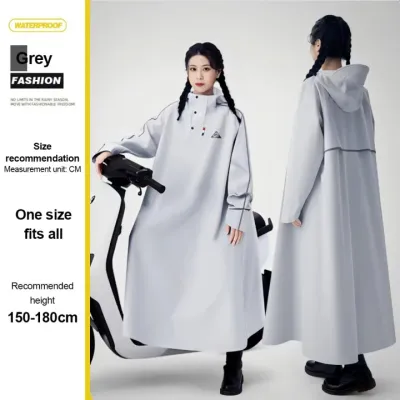
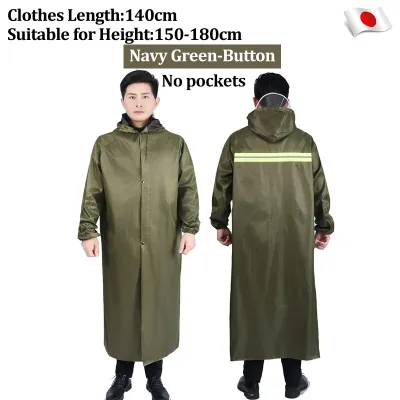
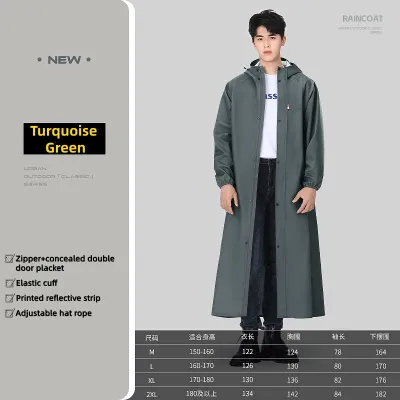
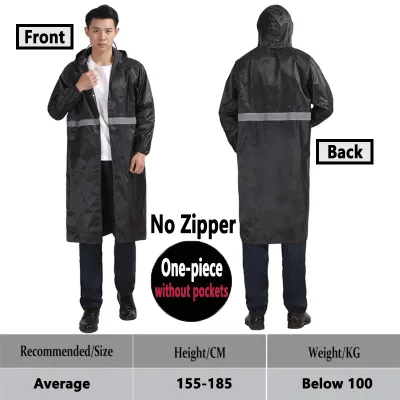
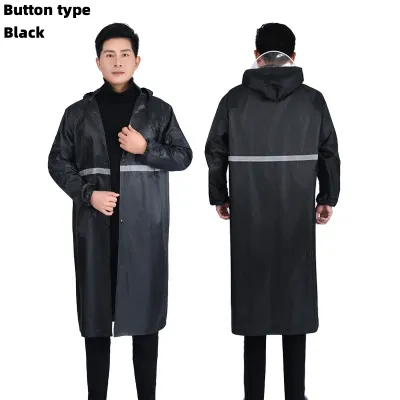
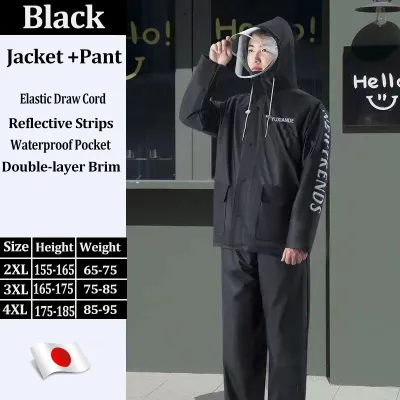
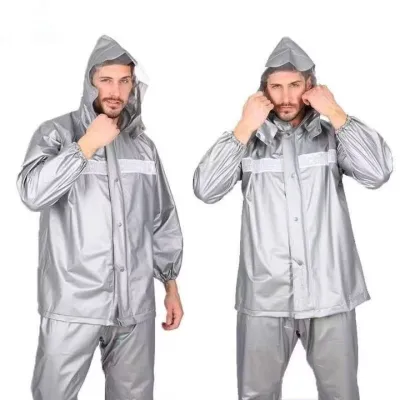
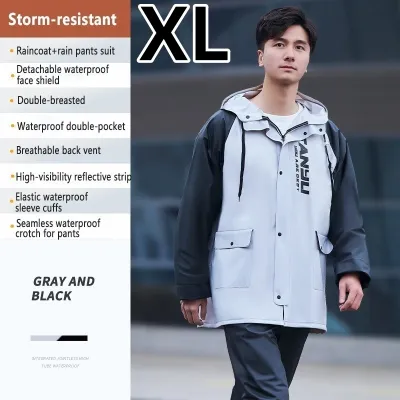
Prices are valid at publication and may change. Please refer to the product page for the latest price.
Beyond the material itself, the method used to join the panels of the raincoat is the most critical factor in preventing leaks. Standard stitched seams are highly problematic for motorcycle riders; every needle puncture creates a tiny hole where water can enter. At speeds of 60 km/h or higher, wind pressure easily forces rainwater through these stitched holes, leaving you wet despite the waterproof fabric. To prevent this, look for raincoats with heat-sealed or electronically welded seams. These manufacturing processes use heat and pressure to fuse the material panels together, creating a continuous, unbroken waterproof barrier. Alternatively, high-quality taped seams, where a waterproof tape is chemically bonded over the stitched seams on the inside, can also provide reliable protection, though they require careful maintenance to prevent peeling over time.
The cut and design of the raincoat must also accommodate the physical posture of a motorcycle rider. When you lean forward to reach the handlebars, your lower back naturally becomes exposed as your jacket rides up. A motorcycle-specific rubber raincoat features an extended back hem to ensure continuous coverage and prevent water from pooling on your seat and seeping into your pants. Additionally, adjustable cuffs at the wrists and ankles are essential features. These cuffs, typically secured with heavy-duty hook-and-loop straps or elastic bands, allow you to seal the openings tightly over your gloves and boots, preventing wind from forcing water up your sleeves or pant legs during your ride.
Safety and Visibility Considerations for Wet Weather Riding
Riding in heavy rain drastically reduces visibility for all road users, making safety features a paramount consideration when choosing a rubber raincoat. The combination of dark, overcast skies, water sheeting on helmet visors, and road spray from other vehicles makes a motorcycle rider incredibly difficult to spot. Therefore, your raincoat must feature strategically placed reflective elements to ensure you remain visible from multiple angles. Look for reflective strips or high-visibility piping positioned across the upper back, shoulders, chest, and along the sides of the arms and legs. This placement ensures that whether a vehicle is approaching you from the front, rear, or merging from a side street, their headlights will catch the reflective material and alert them to your presence.

Color choice is another critical factor that directly impacts your safety on wet roads. While dark colors like black, navy blue, or deep grey are popular for their sleek appearance and ability to hide road grime, they blend seamlessly into wet asphalt and gloomy weather. Opting for high-visibility colors such as neon yellow, bright orange, or vibrant green significantly increases your contrast against the dark background of a rainy day. If you prefer a darker main body color for aesthetic reasons, ensure the raincoat features large, high-contrast panels of neon color on the upper chest, shoulders, and back to maintain a high level of visibility.
The design of the hood and collar also plays a vital role in both comfort and safety. A high, adjustable collar equipped with a secure storm flap is essential to prevent water from running down your neck, which is not only uncomfortable but also highly distracting while riding. If the raincoat includes a hood, it must be designed to integrate seamlessly with your motorcycle helmet. Some hoods are thin enough to be worn comfortably underneath the helmet, acting as an extra barrier against water ingress. However, if you prefer not to wear the hood, it should be fully detachable or rollable into a dedicated collar pocket. A loose, flapping hood can catch the wind at high speeds, pulling back on your neck and creating a dangerous distraction that limits your peripheral vision.
How to Evaluate Fit and Comfort Over Riding Gear
Achieving the correct fit is one of the most challenging aspects of buying a rubber raincoat, as it must accommodate your existing protective gear without restricting your movement. Many riders make the mistake of purchasing a raincoat based on their standard t-shirt or jacket size, only to find that it is far too tight when worn over an armored riding jacket. To find the right size, you should measure your chest, waist, and sleeve length while wearing your full riding gear, including any built-in armor, elbow guards, or even a backpack if you routinely ride with one. Using these larger measurements to consult the manufacturer’s sizing chart will ensure you select a raincoat that fits comfortably without binding.
Freedom of movement is essential for safe motorcycle operation, especially in wet and slippery conditions where quick reactions are required. When trying on a rubber raincoat, sit on your motorcycle or mimic your riding position to check for articulation at key joints like the elbows, shoulders, and knees. There should be enough excess material and flexibility in these areas to allow you to grip the handlebars, operate the hand controls, and reach the footpegs without the fabric pulling tight or restricting your range of motion. If the material feels tight or pulls across your back when you reach forward, you need to size up to prevent the seams from tearing under tension.
The integration of the rain pants with your riding boots is another critical safety check. Loose, baggy pant legs can easily flap in the wind, which is not only distracting but also poses a serious safety hazard if the fabric catches on the motorcycle’s chain, sprocket, footpegs, or hot exhaust pipes. Look for rain pants that feature adjustable ankle closures, such as zippers, snaps, or hook-and-loop straps, allowing you to taper the leg tightly around your boots. Some high-quality motorcycle rain pants also include elastic stirrups that loop under the sole of your boot, keeping the pant legs from riding up and exposing your ankles to wind and rain.
Building Your Shortlist: Where to Buy and What to Verify
When you are ready to build a shortlist of potential rubber raincoats, you can explore both online marketplaces and local physical motorcycle accessory shops. Physical stores offer the distinct advantage of allowing you to feel the material thickness and try on the gear over your riding jacket to verify the fit. However, online platforms often provide a wider selection of brands and styles. When shopping online, read the product descriptions and material tags carefully to distinguish genuine heavy-duty rubber or PVC from thin, cheap synthetic alternatives that will quickly saturate or tear under wind pressure.
To ensure you are purchasing a high-quality product, utilize the customer review section on e-commerce platforms to verify the raincoat’s real-world performance. Look past the star ratings and focus on buyer-uploaded photos and detailed written reviews. Examine these photos closely to inspect the quality of the inner seam sealing, the thickness of the material, and the actual placement of the reflective strips. Pay attention to reviews from other motorcycle riders, as they will often share valuable insights regarding how well the raincoat holds up at highway speeds and whether the sizing runs true to the manufacturer’s chart.
Compare price points realistically while keeping quality in mind. In the Philippines, a basic, thin plastic raincoat can be purchased for under ₱200, but these are prone to tearing and offer poor protection. A durable, riding-specific rubber or heavy PVC rainsuit typically ranges from ₱800 to ₱2,500 or more. While the initial cost is higher, a well-constructed suit is a long-term investment in your safety and comfort. Additionally, always check the seller’s return and exchange policies before making a purchase. Because sizing over riding gear can be tricky, choosing a seller that offers hassle-free exchanges for sizing issues will save you from being stuck with an ill-fitting raincoat.
Care and Maintenance to Extend Raincoat Lifespan
Proper care and maintenance are essential to prevent your rubber raincoat from degrading, cracking, or becoming sticky in the hot and humid climate of the Philippines. After riding in the rain, your raincoat will accumulate road grime, oil residue, and acidic rainwater, all of which can slowly break down the waterproof coating. To clean your raincoat, hand wash it using cool water and a mild soap. Avoid using harsh chemical solvents, bleach, or fabric softeners, as these substances will dissolve the waterproof seals and damage the rubber. Never wash or dry your rubber raincoat in a machine, as the intense agitation and heat will melt the rubber and ruin the garment.
Once washed, the raincoat must be dried properly to prevent mold and material degradation. Hang the raincoat on a wide, padded hanger in a well-ventilated, shaded area to air-dry. It is crucial to avoid drying the raincoat in direct sunlight, as ultraviolet (UV) rays rapidly degrade rubber, causing it to become brittle, fade, and crack over time. Ensure that both the interior and exterior of the suit are completely dry before storing it, as trapped moisture can lead to mold growth and unpleasant odors.
Proper storage is the final step in extending the lifespan of your rubber raincoat. Avoid folding the raincoat tightly or placing heavy items on top of it, especially during the hot dry season when it may sit unused for months. Prolonged compression and high temperatures can cause the rubber surfaces to stick together and fuse, making it impossible to open the suit without tearing the material. Instead, store the raincoat loosely hung in a cool, dry closet, or roll it gently and place it in a breathable fabric bag to keep it protected and ready for the next rainy day.
Frequently Asked Questions (FAQ)
Is a rubber raincoat better than a nylon or polyester rainsuit for riding?
Rubber and heavy PVC raincoats provide absolute, non-porous waterproofing that completely blocks wind and water, making them highly effective for short to medium commutes in torrential downpours. However, because rubber is not breathable, it can trap body heat and sweat, leading to discomfort during long rides in hot, humid weather. Nylon or polyester rainsuits with breathable polyurethane coatings offer better ventilation and are lighter and more packable, but they can eventually saturate and leak under prolonged exposure to heavy rain at high speeds. Choose a rubber raincoat for maximum water barrier performance and durability, and a breathable synthetic suit if you prioritize packability and comfort on long-distance tours.
How do I prevent the rubber material from sticking or degrading over time?
To prevent the rubber material from sticking, cracking, or degrading during storage, apply a light dusting of unscented talcum powder or cornstarch to both the inner and outer rubber surfaces before storing the suit. This absorbs any residual moisture and prevents the rubber faces from fusing together under heat and pressure. Store the raincoat in a cool, dry place away from direct sunlight, high temperatures, and ozone-producing appliances like electric motors. Avoid folding the suit with sharp creases; instead, roll it loosely and store it in a breathable fabric bag to maintain its physical integrity.
Can I use a standard rubber poncho instead of a two-piece rainsuit?
Using a standard rubber poncho for motorcycle riding is highly discouraged due to severe safety hazards. At riding speeds, the open sides of a poncho catch the wind like a sail, creating intense drag that can destabilize the rider and affect vehicle control. The loose, flapping fabric also poses a high risk of becoming entangled in the motorcycle’s moving parts, such as the chain, sprocket, or rear wheel, which can cause a serious accident. Furthermore, ponchos offer virtually no protection for your legs and lower body, leaving you completely soaked from road spray. A two-piece jacket and pants rainsuit provides a secure, tailored fit that eliminates wind flap and keeps you fully protected.

Community discussion
Share your experience or ask a question. Comments are reviewed before publication.