
Protecting a two-wheel electric bicycle (e-bike) from the elements is a critical part of ownership, especially in a tropical climate characterized by intense sun, high humidity, and sudden heavy downpours. Unlike traditional bicycles, e-bikes house sensitive electronic components—including lithium-ion batteries, digital displays, controllers, and hub motors—that are highly vulnerable to water ingress and moisture accumulation. Finding a reliable waterproof cover requires looking beyond generic marketing claims and understanding the specific materials, construction techniques, and fitment options that can withstand local weather conditions. By focusing on verifiable specifications such as fabric density, seam sealing, and ventilation, you can select a cover that keeps your e-bike dry, secure, and functioning properly for years to come.
Essential Features of a High-Quality Waterproof E-Bike Cover
To ensure a cover provides genuine protection against heavy rain, you must evaluate the base material and its protective coatings. Most reliable covers are made from synthetic fabrics, with Oxford cloth and polyester being the most common. Oxford cloth is categorized by its denier (D) rating, which measures the thickness and weight of the individual threads. For instance, a 210D or 300D Oxford cloth offers a practical balance of lightweight handling and tear resistance, while heavy-duty options like 420D or 600D provide exceptional durability against sharp edges and high winds. Polyester covers are often rated by thread count (such as 190T or 210T), which indicates the density of the weave.
Regardless of the base fabric, raw woven material is not inherently waterproof; it requires an internal coating to block water. Look for manufacturer specifications indicating a Polyurethane (PU) or Polyvinyl Chloride (PVC) backing. PU coatings are generally more flexible and breathable, making them less prone to cracking under intense tropical heat, whereas PVC coatings offer excellent water resistance but can become stiff and brittle over time when exposed to direct sunlight. When reviewing product labels, check for a hydrostatic head rating, which measures water resistance in millimeters (mm). A rating of 1500mm to 3000mm indicates the fabric can withstand moderate to heavy rain without leaking.
Products mentioned in this guide
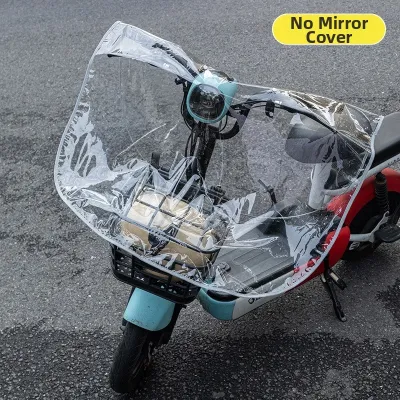
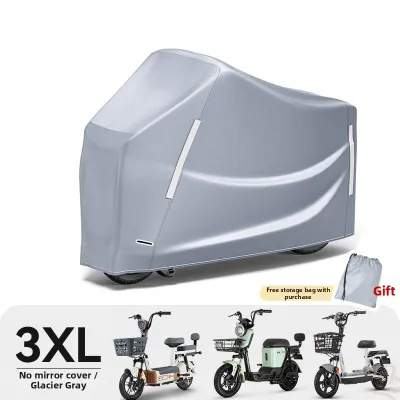
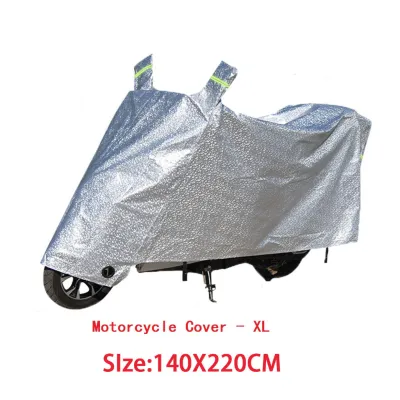
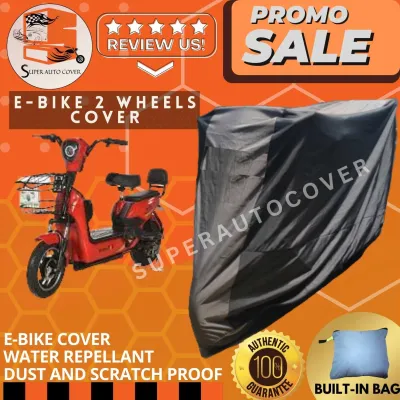
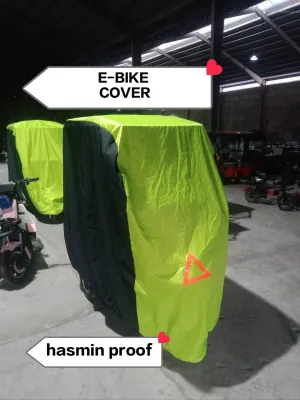
Prices are valid at publication and may change. Please refer to the product page for the latest price.
Even the highest-quality fabric will fail if water can seep through the stitching. Standard sewing needles leave tiny holes along every seam, which act as entry points for water during prolonged downpours. High-quality waterproof covers feature taped or heat-sealed seams on the underside. This process involves applying a waterproof thermoplastic tape over the stitched lines under high heat and pressure, effectively sealing the needle holes. When inspecting a cover, turn it inside out to verify that a clear or colored sealing tape is securely bonded over every major seam.
Another critical but often overlooked feature is ventilation. In humid environments, trapping moisture under a completely sealed cover can be just as damaging as letting rain fall directly on the e-bike. As ambient temperatures fluctuate, condensation forms on the metal and electronic surfaces of the covered e-bike. To prevent this, look for covers equipped with built-in air vents. These vents are typically designed as mesh-lined flaps positioned near the handlebars or the rear of the cover, allowing warm, humid air to escape while preventing rain from entering. Proper airflow reduces the risk of mold, mildew, and accelerated corrosion on electrical contacts.
Sizing and Fitment for Different 2-Wheel E-Bike Models
Achieving a proper fit is essential for both weather protection and wind resistance. A cover that is too small will leave sensitive lower components, such as the motor or battery compartment, exposed to splashing water and road grime. Conversely, an oversized cover acts like a sail in high winds, flapping violently, which can tear the fabric, scratch the e-bike’s paint, or even tip the vehicle over. To find the correct size, you must take accurate physical measurements of your e-bike rather than relying on generic “universal” size labels like Medium, Large, or Extra-Large.

Using a flexible measuring tape, record three primary dimensions: total length, maximum width, and total height. Measure the length from the outermost edge of the front tire to the outermost edge of the rear tire or mudguard. For the width, measure across the widest part of the handlebars, including any bar-end mirrors. To determine the height, measure from the ground to the highest point of the e-bike, which is typically the top of the side mirrors, the digital display, or the handlebars.
Crucially, you must account for any aftermarket accessories installed on your e-bike. Front baskets, rear top boxes, side panniers, child seats, and tall windshields significantly alter the vehicle’s profile. If you have a large rear top box, measure the height from the ground to the top of the box, and add the extra length it projects past the rear wheel. Many manufacturers offer specialized covers designed with expandable sections or specific cuts to accommodate top boxes and baskets; checking these detailed size charts is vital before making a purchase.
To keep the cover secure during windy conditions, look for integrated fastening systems. Elasticized hems at the front and rear help the cover wrap snugly around the bottom of the tires. Additionally, adjustable under-chassis buckle straps are essential to prevent the cover from being lifted off by strong gusts. Some covers also feature reinforced lock holes near the front or rear wheels. These metal or fabric eyelets allow you to pass a standard U-lock, chain lock, or cable lock through both the cover and the wheel, securing your e-bike against theft while simultaneously anchoring the cover in place.
Evaluating Online Listings and Customer Reviews
When shopping on online marketplaces or ecommerce platforms, navigating product listings requires a critical eye. Many sellers use generic stock photos and make absolute claims like “100% waterproof” or “heavy-duty” without providing the technical specifications to back them up. To filter out low-quality options, look for listings that explicitly state the material type (such as 210D Oxford cloth), the coating type (such as PU coating), and the presence of taped seams. If a listing lacks these details, it is highly likely the cover is made from thin, single-layer polyester that will degrade quickly under tropical sun and rain.
Customer reviews are an invaluable resource for verifying a cover’s real-world performance. However, you must look past the initial five-star ratings and focus on detailed feedback. Look for reviews written after several months of use, as these provide realistic insights into UV resistance and long-term durability. Pay close attention to user-uploaded photos and videos. These often reveal whether the fabric fades quickly, becomes brittle and tears under sunlight, or allows water to seep through during heavy rain. Reviews that mention water pooling on the cover without leaking through are a good indicator of effective water repellency.
Additionally, evaluate the reputation of the seller or brand on the platform. Check their overall rating, response rate to customer inquiries, and how they handle returns or defective items. A reputable seller will often provide a clear sizing guide, offer responsive customer support, and stand behind their product with a reasonable return policy or warranty. Avoid listings with highly repetitive, generic reviews that lack specific details about fitment or material quality, as these can sometimes be artificial.
Daily Usage, Care, and Maintenance Guidelines
To maximize the lifespan of your waterproof cover and ensure it continues to protect your e-bike, proper daily usage and maintenance are required. When removing the cover, avoid pulling or yanking it forcefully over sharp edges, such as brake levers, mirrors, or license plate brackets, as this can puncture or tear the fabric. Instead, gently lift the cover off from the bottom, working your way from one end of the e-bike to the other.
Before folding and storing the cover, always ensure it is completely dry. Folding a wet or damp cover traps moisture within the layers, leading to the growth of mold and mildew, which can degrade the waterproof PU or PVC coating and create unpleasant odors. If you must remove the cover while it is wet, hang it up in a well-ventilated, shaded area to dry completely before packing it away. When folding, avoid creating sharp, permanent creases in the same spots repeatedly, as this can cause the internal waterproof backing to crack and peel along the fold lines. Store the cover in its designated storage bag to protect it from dust and accidental punctures.
Cleaning your e-bike cover should be done in accordance with the manufacturer’s care instructions. As a general rule, never machine wash or machine dry a waterproof cover, as the agitation and heat will strip away the protective coatings and damage the taped seams. Instead, clean the cover while it is draped over the e-bike or spread out on a clean, flat surface. Use a soft sponge or cloth, lukewarm water, and a mild, non-detergent soap to gently wipe away dirt, dust, and bird droppings. Rinse thoroughly with clean water and allow it to air dry completely in the shade; avoid exposing it to direct, intense midday sun during the drying process.
Finally, always perform safety checks before covering your e-bike. Never place a cover over a hot e-bike. Allow the motor, battery compartment, and braking components to cool down completely to prevent heat buildup, which can damage both the cover’s inner coating and the e-bike’s sensitive electronics. Ensure the e-bike itself is dry before covering it; trapping moisture underneath a cover accelerates corrosion on the chain, gears, and electrical contacts. Refer to your e-bike’s original user manual for specific guidelines regarding battery storage temperatures and moisture exposure limits.
Frequently Asked Questions (FAQ)
Can I use a standard motorcycle cover for my 2-wheel e-bike?
While it is physically possible to drape a standard motorcycle cover over a two-wheel e-bike, it is rarely an ideal solution due to significant differences in vehicle dimensions and profiles. Standard motorcycles typically have wider handlebars, larger engines, and longer wheelbases compared to most electric bicycles. Using a motorcycle cover on a smaller e-bike often results in an excessively loose fit, leaving excess fabric to flap in the wind, which can cause tears and scratch the e-bike’s finish. Conversely, some heavy-duty e-bikes with front baskets or rear cargo boxes may not fit properly under a standard motorcycle cover designed for a streamlined sportbike. For optimal protection, select a cover specifically sized for your e-bike’s exact dimensions.
Will a waterproof cover prevent rust on my e-bike's chain and battery contacts?
A waterproof cover is highly effective at blocking direct rainfall, but it cannot completely prevent rust and corrosion on its own. Rust occurs when moisture and oxygen react with metal surfaces, a process accelerated by high humidity and trapped condensation. If a cover lacks adequate ventilation, humidity from the air or ground can become trapped underneath, creating a damp greenhouse effect that promotes corrosion on the chain, gears, and electrical contacts. To minimize rust, ensure your cover has functional air vents, dry your e-bike thoroughly before covering it, and perform regular mechanical maintenance, including cleaning and lubricating the chain with a high-quality bicycle chain lubricant.
How do I know if the cover's waterproof coating is failing?
There are several clear, observable signs that a cover’s waterproof coating is degrading and needs replacement. First, observe how water behaves on the outer surface during rain; on a functional cover, water should bead up and roll off easily. If the fabric absorbs water and looks dark and saturated, the outer water-repellent treatment has failed. Second, inspect the inner side of the cover for physical deterioration. If you notice flaking, peeling, cracking, or a sticky texture on the internal PU or PVC coating, the barrier is compromised. Finally, check the taped seams; if the sealing tape is lifting, bubbling, or peeling away from the stitch lines, water will easily penetrate the cover, indicating it is time to invest in a new one to protect your e-bike’s electronics.
Community discussion
Share your experience or ask a question. Comments are reviewed before publication.