
Choosing a riding jacket that keeps you cool in the intense Philippine heat while still providing robust protection in a crash requires a careful look at design and materials. In a tropical climate characterized by high humidity, heavy traffic congestion, and sudden downpours, wearing a heavy, non-breathable jacket can lead to heat exhaustion. Heat fatigue slows your reaction times and impairs your judgment, creating a safety hazard of its own. Conversely, riding in a simple T-shirt or a thin windbreaker leaves you completely exposed to severe road rash and impact injuries if you slide on the asphalt.
The solution lies in selecting a hybrid or zoned riding jacket. This construction strategically places high-airflow mesh panels in areas that receive direct wind but are less likely to hit the ground during a fall, while reinforcing high-impact zones with heavy, abrasion-resistant fabrics. By understanding how to evaluate these materials, verify safety certifications, and achieve the correct fit, you can stay comfortable during your daily commute without compromising your safety.
Understanding the Trade-Off: Ventilation vs. Abrasion Resistance
When shopping for a riding jacket, you will quickly notice two extremes: ultra-lightweight full-mesh jackets and heavy-duty leather or thick textile jackets. Full-mesh jackets offer exceptional airflow, making them highly appealing when you are stuck in slow-moving traffic under the midday sun. However, lightweight, non-reinforced mesh has very low tensile strength. In a high-speed slide, the friction against concrete can quickly melt or tear the mesh fabric, offering minimal protection to your skin.
Products mentioned in this guide
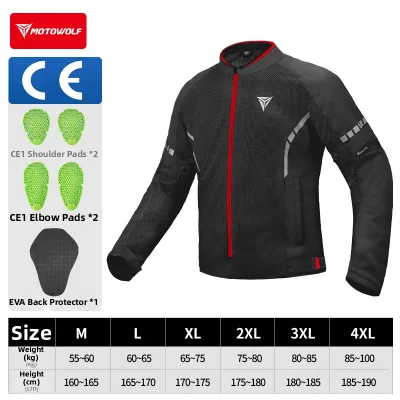
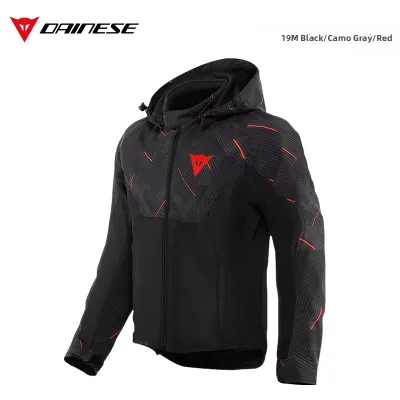
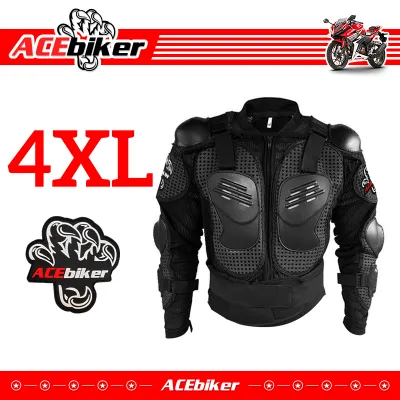

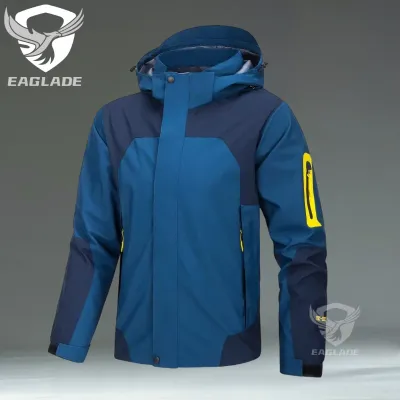
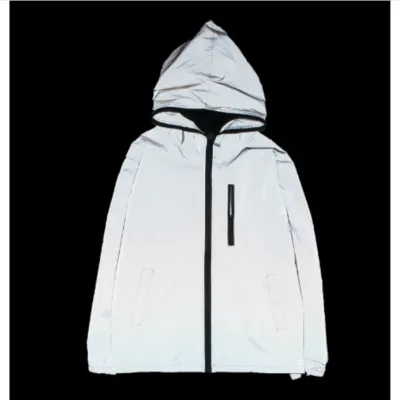
Prices are valid at publication and may change. Please refer to the product page for the latest price.
On the other hand, full-leather or heavy textile jackets provide outstanding abrasion resistance and structural integrity. Unfortunately, these materials trap body heat and block wind completely. Wearing them in tropical lowlands can quickly cause your core body temperature to rise, leading to excessive sweating, dehydration, and physical fatigue. This discomfort directly impacts your concentration, making accidents more likely to occur.
To resolve this dilemma, gear manufacturers design hybrid jackets that utilize zoned construction. This approach divides the jacket into distinct functional areas. High-impact zones—such as the shoulders, elbows, and outer arms—are constructed from thick, abrasion-resistant textiles or leather to withstand sliding friction. Low-impact zones—including the chest, inner arms, and lower back—are made of open-weave mesh to allow continuous air circulation. This combination ensures that you receive maximum cooling where you need it most, while keeping critical skeletal joints fully protected.
Key Features to Look for in a Hot-Weather Riding Jacket
Selecting a reliable hot-weather riding jacket requires a close inspection of its physical construction, material specifications, and safety labels. You must evaluate how the outer shell is put together and verify the quality of the protective armor inside.

Shell Materials and Strategic Mesh Placement
The outer shell of a hybrid riding jacket is your first line of defense against road rash. When examining a jacket, identify the critical abrasion zones, which include the shoulders, elbows, outer arms, and upper back. These areas must be constructed from heavy-duty, high-denier polyester or nylon, typically rated at 600D (denier) or higher, or reinforced leather panels. Check the manufacturer’s specifications to confirm the denier rating, as lower-grade fabrics may wear through too quickly during a slide.
Next, locate the ventilation zones. Effective hot-weather jackets feature wide mesh panels across the chest, along the inner arms, and down the back. This layout creates a cross-ventilation effect: air enters through the front panels as you ride, flows over your torso to evaporate sweat, and exits through the rear panels, carrying heat away. Ensure the mesh panels are securely integrated into the main structure of the jacket and do not compromise the seams of the high-impact zones.
Finally, inspect the quality of the stitching and construction details. Look for double-layering or reinforced safety stitching in high-stress areas around the shoulders and elbows. Turn the jacket inside out if possible to examine the seams; high-quality gear uses multi-row stitching with heavy-duty thread to prevent the panels from bursting apart under the intense tension and heat generated during a fall.
Impact Protection and Armor Verification
While the outer shell protects your skin from abrasion, internal armor protects your bones and joints from impact forces. Never rely on the basic, unrated foam pads that sometimes come pre-installed in budget jackets. Instead, look for official manufacturer tags indicating CE-certified armor, which conforms to European safety standards. For shoulders and elbows, verify that the armor is certified to at least EN 1621-1 Level 1, though Level 2 offers a higher degree of impact absorption.
The jacket should also feature a dedicated pocket along the spine to accommodate a back protector. Many hot-weather jackets do not include a high-quality back protector out of the box, so you may need to purchase a compatible CE-certified back insert separately. Ensure that the armor pockets inside the jacket are adjustable or fit snugly around the pads. If the pockets are too loose, the armor can easily shift away from your elbows or shoulders during a fall, leaving your joints completely exposed to the impact.
For daily commuting, look for modern, temperature-stable molecular armor. This type of armor remains soft, flexible, and highly breathable during normal wear, contouring comfortably to your body as you steer and lean. However, upon sudden impact, the molecules lock together instantly to absorb and distribute the shock before returning to their flexible state. This technology provides an excellent balance of daily riding comfort and high-level crash protection.
Evaluating Fit and Airflow Dynamics for Daily Commuting
Achieving the correct fit is just as important as choosing the right materials. Many riders make the mistake of buying a riding jacket that is one or two sizes too large, believing that a loose fit will allow more air to circulate. In reality, an oversized jacket compromises both your safety and your comfort. Excess fabric will flap violently at highway speeds, which quickly causes fatigue and can actually block the ventilation ports from staying open. More importantly, a loose jacket allows the protective armor to rotate away from your joints during a slide, rendering it useless when you hit the ground.
To find the correct fit, you must test the jacket in a realistic riding posture rather than standing straight in front of a mirror. Sit on your motorcycle or mimic your specific riding stance—reach forward to grip the handlebars, bend your elbows, and arch your back slightly. In this position, the sleeves should still cover your wrists completely, and the shoulder and elbow armor should sit squarely and comfortably over your joints without pinching or restricting your movement. The hem of the jacket should not bunch up excessively in your lap or ride up too high on your lower back.
Additionally, look for adjustable fitment features that allow you to fine-tune the jacket’s shape. High-quality jackets include adjustable straps or snap buttons at the waist, biceps, forearms, and collar. Tightening these straps secures the armor firmly against your limbs, preventing it from shifting during an accident. It also streamlines the jacket’s profile, reducing wind drag and ensuring that air flows efficiently through the mesh panels rather than ballooning the fabric. A comfortable, adjustable collar is also essential to prevent hot engine exhaust, dust, and road debris from blowing down your shirt.
Maintenance and Care in Humid Conditions
Riding daily in a tropical climate means your jacket will constantly be exposed to sweat, body oils, road grime, and airborne dust. Over time, this accumulation can clog the pores of the mesh fabric, reducing its breathability, and can degrade the synthetic fibers and stitching. To maintain the jacket’s protective integrity and hygiene, you must clean it regularly using safe, manufacturer-approved methods. Always remove all armor inserts from their pockets before washing the jacket.
Hand-wash the textile shell in cool water using a mild, pH-neutral detergent specifically formulated for technical apparel or delicate fabrics. Avoid using harsh household bleaches, fabric softeners, or strong chemical solvents, as these can strip away protective coatings, weaken the synthetic fibers, and damage retro-reflective piping. Gently agitate the fabric to release dirt from the mesh pores, rinse thoroughly with clean water, and avoid wringing or twisting the jacket tightly, which can distort its shape and weaken the seams.
Proper drying is critical to prevent mold, mildew, and unpleasant odors from developing in humid conditions. Hang the wet jacket on a wide, heavy-duty plastic hanger in a well-ventilated, shaded outdoor area or a room with active airflow. Avoid exposing the jacket to direct, intense sunlight for extended periods, as prolonged UV exposure can degrade synthetic materials and fade colors. Never place a riding jacket in a mechanical clothes dryer unless the care label explicitly states it is safe to do so, as the high heat can melt synthetic mesh and damage structural components. Ensure both the jacket shell and the armor inserts are completely dry before reassembling and storing them.
Building Your Shortlist: A Pre-Purchase Checklist
Before purchasing a riding jacket online or at a local gear shop, use this practical checklist to verify that the jacket meets your requirements for both tropical ventilation and crash safety:
- Abrasion-Resistant Zones: Confirm that the shoulders, elbows, and outer arms are constructed from high-denier polyester (600D or higher) or reinforced leather.
- Ventilation Panels: Verify that wide mesh panels are located on the chest, inner arms, and back to facilitate continuous cross-ventilation.
- CE-Certified Armor: Check for official EN 1621-1 certification tags on the shoulder and elbow armor, and ensure there is a secure pocket for a back protector.
- Adjustable Straps: Look for adjustment points at the waist, biceps, and forearms to secure the armor in place and prevent fabric flapping.
- Riding Posture Fit: Test the jacket while mimicking your motorcycle's riding position to ensure the armor stays aligned and the sleeves do not ride up.
- Washable Construction: Ensure the care label instructions are practical for frequent hand-washing to manage sweat and road grime in humid weather.
Frequently Asked Questions (FAQ)
Can I just wear a regular windbreaker or denim jacket for short rides?
No, regular casual wear does not provide adequate protection in a motorcycle accident. Standard denim and thin synthetic windbreakers lack the tensile strength and abrasion resistance required to survive contact with asphalt. During a slide, these everyday fabrics can tear open or melt within a fraction of a second, leaving your skin completely unprotected against severe road rash. Furthermore, casual jackets lack dedicated pockets to hold impact-absorbing armor and are not constructed with the reinforced, multi-row safety stitching necessary to prevent seams from bursting apart under tension.
Do I need a thermal or waterproof liner for riding in the Philippines?
Thermal liners are generally unnecessary for daily lowland commuting in the Philippines due to the consistently warm climate. However, if you frequently ride through high-altitude mountainous regions early in the morning, a removable thermal liner can be useful. For rain protection, while many jackets include internal waterproof liners, these liners block airflow and can make the jacket extremely hot and humid during warm-weather rides. A more practical solution for tropical downpours is to carry a separate, lightweight raincoat to wear over your ventilated riding jacket when it rains, allowing you to stay dry without sacrificing cooling performance during dry spells.
Community discussion
Share your experience or ask a question. Comments are reviewed before publication.