
Daily motorcycle commuting in the Philippines presents unique challenges, especially during the wet season when sudden, torrential downpours can flood streets in minutes. For riders seeking a quick, reliable shield against heavy rain, a rubberized poncho raincoat offers an efficient alternative to traditional two-piece rain suits. However, choosing the right poncho requires careful consideration of material durability, wind resistance, and critical road safety features. Selecting an improper design can lead to water leakage, extreme discomfort in tropical humidity, or dangerous situations on the road if the fabric interferes with your motorcycle’s controls or moving parts.
Why a Rubberized Poncho Suits Motorcycle Commuting
When a sudden downpour hits during your daily commute, speed of deployment is crucial. Unlike two-piece rain suits that require you to pull over, remove your muddy boots, and struggle into waterproof pants on a wet roadside, a poncho can be quickly pulled over your head and riding gear in seconds. This rapid deployment keeps you dry before the rain can saturate your clothes.
The material composition is equally important. Standard water-resistant fabrics often rely on thin chemical coatings that degrade quickly or saturate under the high-pressure wind experienced while riding. A rubberized coating, typically made of polyvinyl chloride (PVC) or rubber-treated nylon, creates a completely impermeable physical barrier. This heavy-duty layer blocks wind-driven rain effectively, ensuring water does not seep through even during prolonged exposure to tropical storms.
Products mentioned in this guide
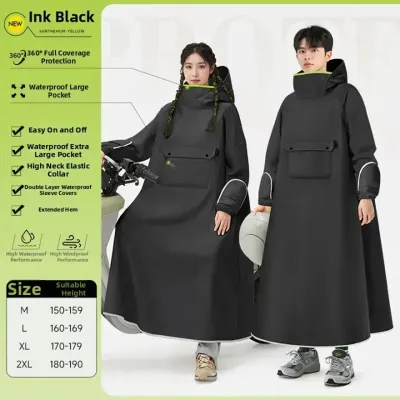
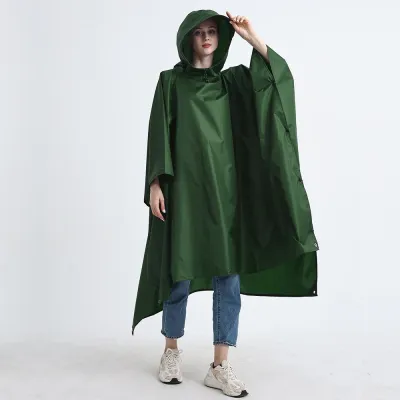
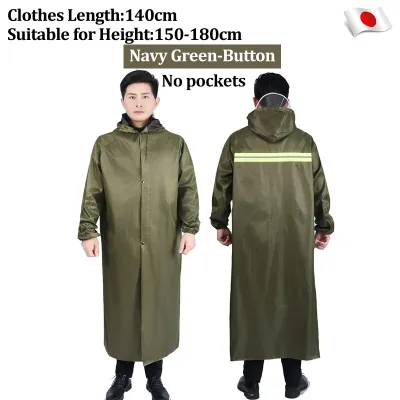
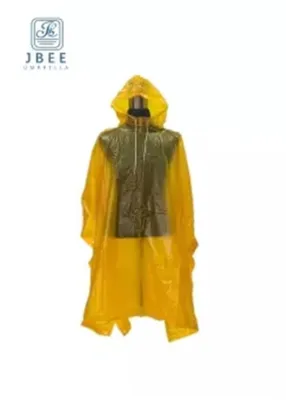
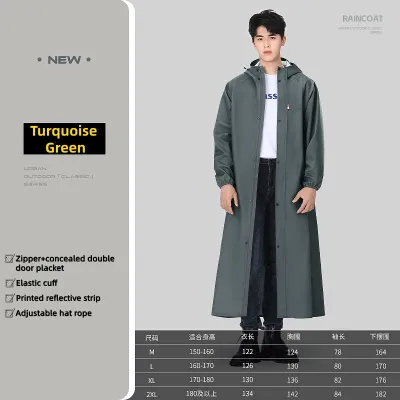
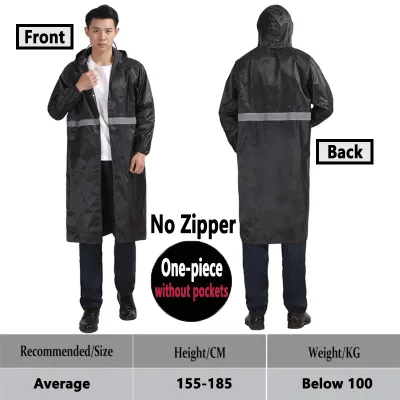
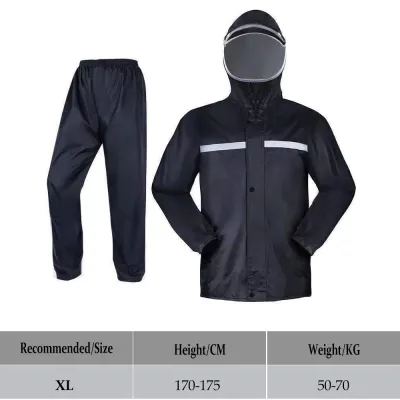

Prices are valid at publication and may change. Please refer to the product page for the latest price.
Furthermore, the generous cut of a poncho provides excellent lower-body and lap coverage. When seated on a motorcycle, water naturally pools in your lap. A properly designed riding poncho drapes over your lap and thighs, directing water away from your body and preventing it from soaking through your pants.
Essential Design Features for Riding Safety and Coverage
Operating a motorcycle in heavy rain requires maximum concentration and visibility, making safety features the most critical aspect of your poncho selection. Before purchasing any rain gear, you must verify its compatibility with your specific motorcycle model and riding setup. Loose, flapping fabric poses a severe safety hazard; always ensure the poncho can be secured so it does not catch in the wheels, drive chain, or hot exhaust pipe.

The hood of the poncho must be designed with motorcycle helmets in mind. A standard hood will either balloon with wind or restrict your head movement. Look for a helmet-compatible hood equipped with adjustable drawstrings or tension straps. This allows you to secure the hood tightly over or under your helmet, ensuring it moves with your head so your peripheral vision remains completely unobstructed when checking side mirrors or blind spots.
To maintain road legality and safety, your poncho must not block your motorcycle’s lighting or signaling systems. Many specialized riding ponchos feature a clear, transparent front panel designed to drape over the headlight. You must verify that this panel aligns perfectly with your headlight’s position and does not distort or dim the beam. Additionally, ensure the poncho’s cut allows your side mirrors to remain fully visible and functional.
Visibility is drastically compromised during heavy tropical downpours. To ensure other motorists can see you in low-light conditions, choose a poncho in high-visibility colors such as neon yellow, bright green, or orange. The gear should also feature wide, retroreflective strips across the back, shoulders, and chest to reflect the headlights of surrounding vehicles.
Finally, evaluate the front and back length of the poncho. The front must be long enough to cover your lap comfortably without pulling tight against your handlebars, which could restrict your steering. The back must cover your seat completely to prevent water from spraying up from the rear tire and soaking your lower back, but it must not dangle low enough to interfere with any moving parts.
Evaluating Material Quality and Waterproof Integrity
To ensure your poncho remains leak-free over multiple rainy seasons, you must inspect its construction quality rather than relying solely on product descriptions. Start by checking the manufacturer’s specifications regarding the base fabric and the rubberized coating. High-quality ponchos typically use a durable base fabric, such as high-density polyester or nylon, which is then laminated with a thick layer of rubber or PVC. This combination offers excellent tear resistance against wind shear while maintaining a reliable waterproof barrier.
The method used to join the fabric panels is a primary indicator of waterproof integrity. Standard stitched seams contain thousands of tiny needle holes that will inevitably leak under the pressure of riding wind and rain. Inspect the interior of the poncho to confirm that all seams are heat-sealed or covered with waterproof seam-sealing tape. The tape should be smooth, fully adhered to the fabric, and free of bubbles or peeling edges.
Front closures are another common point of water entry. If the poncho features a zipper or snap buttons at the neck or front, it must be protected by a wide storm flap. This flap acts as a physical shield, preventing wind-driven rain from forcing its way through the zipper teeth or snap closures.
Balancing Comfort, Ventilation, and Storage
While a thick rubberized coating provides excellent waterproofing, it also traps heat and humidity. In the tropical climate of the Philippines, riding in a completely sealed rubber suit can quickly lead to intense sweating and discomfort. To mitigate this, look for ponchos designed with strategic ventilation. Features like covered back vents, underarm eyelets, or mesh-lined panels allow hot air to escape while keeping rainwater out.
Storage convenience is another practical factor for daily commuters. Heavy-duty rubberized ponchos are naturally bulkier and heavier than lightweight nylon alternatives. Before buying, consider the folded dimensions of the poncho to ensure it fits easily into your motorcycle’s under-seat compartment, top box, or daily backpack. It should be compact enough to carry every day without sacrificing valuable storage space needed for your helmet or personal belongings.
The weight and flexibility of the material also affect your riding comfort. A poncho that is too stiff will restrict your arm movements and increase fatigue during long rides. Opt for a rubberized material that remains supple and flexible even in cooler, rainy weather, allowing you to operate your throttle, brakes, and clutch levers without resistance.
Maintenance, Storage, and Replacement Signals
Proper care is essential to preserve the waterproof coating of your rubberized poncho and extend its lifespan. After riding in the rain, never fold the wet poncho and leave it inside your top box or under-seat compartment. This traps moisture, leading to mold, mildew, and a persistent damp odor that can ruin the fabric. Instead, hang the poncho on a wide hanger to air-dry completely in a shaded, well-ventilated indoor area before folding it for storage.
Keep the poncho away from direct sunlight and extreme heat sources. Leaving your rain gear exposed to the sun or draping it over a hot motorcycle engine or exhaust pipe will cause the rubberized coating to degrade, become sticky, or turn brittle and crack. Store it in a cool, dry place when not in use.
Regularly inspect your gear for signs of wear and tear. Over time, the constant folding and wind stress will wear down the rubberized layer. You should retire and replace your poncho if you notice peeling or flaking of the inner coating, cracking along the fold lines, permanent stiffness in the material, or if water begins to seep through the seams despite proper care.
Frequently Asked Questions (FAQ)
Can I use a standard walking poncho for motorcycle riding?
No, using a standard walking poncho for motorcycle riding is highly dangerous. Walking ponchos are lightweight and lack the securing straps, headlight panels, and mirror clearances required for safe riding. At highway speeds or in gusty winds, the loose fabric will flap violently, which can block your vision, cover your headlight, or get caught in the motorcycle’s rear wheel, chain, or hot exhaust, potentially causing a severe accident.
How do I clean a rubberized raincoat without damaging the coating?
To clean your rubberized poncho, gently wipe the surface with a soft, damp cloth and mild soapy water to remove road grime and dirt. Avoid using harsh chemical detergents, bleach, or fabric softeners, as these can break down the rubberized or PVC coating. Never machine wash, machine dry, or iron the poncho, as the heat and agitation will ruin the waterproof layers. Always check the manufacturer’s care label for specific maintenance instructions.

Community discussion
Share your experience or ask a question. Comments are reviewed before publication.