
Finding a secure and waterproof phone mount for motorcycle navigation in the Philippines requires balancing weather protection, mounting stability, and vibration isolation. With sudden tropical downpours and varied road conditions, a standard plastic clamp is rarely sufficient. Riders must evaluate how a mount attaches to their specific motorcycle, how it seals against water, and how it absorbs the high-frequency vibrations that can destroy sensitive smartphone camera components. Choosing the wrong mount can lead to water damage, a shattered screen from a high-speed drop, or a ruined camera sensor.
To navigate safely through urban traffic and rural routes, your mounting system must serve as a reliable extension of your motorcycle’s cockpit. This guide breaks down the essential technical features, mounting configurations, and verification steps needed to select a phone mount that withstands the demanding tropical climate and challenging road environments. By focusing on material quality, structural compatibility, and proper installation, you can protect your device and ensure uninterrupted navigation on every ride.
Essential Features for Tropical Motorcycle Commutes
When riding through heavy tropical rain and high humidity, your phone mount must provide a reliable barrier against moisture while maintaining structural integrity. The first technical specification to verify is the Ingress Protection (IP) rating on the product label. An IP rating consists of two digits: the first indicates protection against solid particles like dust, and the second indicates protection against liquids. For daily commuting during the rainy season, look for a mount with at least an IP66 rating, which certifies protection against high-pressure water jets from any direction. An IP67 rating is even more robust, ensuring the enclosure remains sealed even if temporarily submerged in shallow water, which can occur when navigating flooded streets.
Products mentioned in this guide
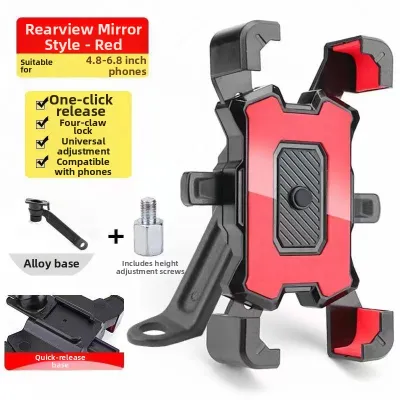
Prices are valid at publication and may change. Please refer to the product page for the latest price.
Beyond water protection, high-frequency engine vibrations pose a significant threat to modern smartphones. Many mobile devices feature Optical Image Stabilization (OIS) in their camera systems, which relies on delicate gyroscopes and magnetic coils to keep the lens steady. The constant, high-frequency vibrations produced by motorcycle engines—especially single-cylinder engines common in underbones and scooters—can quickly wear out or permanently damage these OIS sensors. To prevent this, prioritize mounts that feature integrated vibration dampening modules or support the installation of an add-on dampener. These modules use specialized elastomeric inserts to absorb high-frequency waves before they reach your phone.
Material durability is another critical factor in tropical climates. Prolonged exposure to intense ultraviolet (UV) radiation and high ambient temperatures can cause low-grade plastics to become brittle, warp, or crack over time. This degradation can lead to sudden structural failure while riding, risking a costly drop. Look for mounts constructed from high-grade materials such as marine-grade aluminum alloys, stainless steel hardware, and UV-stabilized composite polymers. These materials offer high tensile strength, resist corrosion from salty coastal air, and withstand the thermal stress of being parked under direct sunlight.
Finally, consider the thermal management of the mount. Enclosed waterproof cases can trap heat generated by your phone’s screen, processor, and battery, especially when running GPS navigation in hot weather. This heat buildup can cause your smartphone to overheat and shut down automatically to protect its battery. To mitigate this, look for waterproof enclosures that incorporate heat-dissipating backplates, passive cooling vents with water-resistant membranes, or internal space that allows for air circulation around the device.
Matching Mounting Mechanisms to Your Handlebars
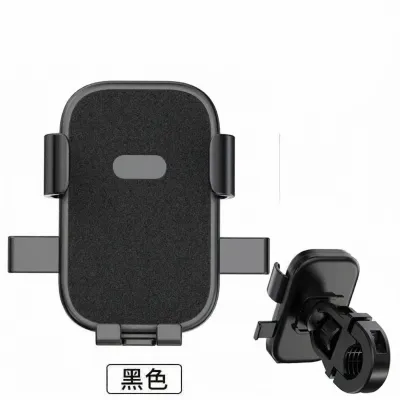
Selecting the right mounting mechanism depends heavily on your motorcycle’s handlebar geometry and available clearance. Standard street motorcycles, dual-sports, and adventure bikes with exposed metal handlebars are best suited for handlebar clamps. These clamps wrap directly around the metal tube and are tightened with screws. Before purchasing, use a caliper or a flexible measuring tape to measure your handlebar’s outer diameter, which typically ranges from 22mm to 28.6mm. Ensure the mount you choose includes the correct sizing spacers or shims to achieve a tight, slip-free fit.

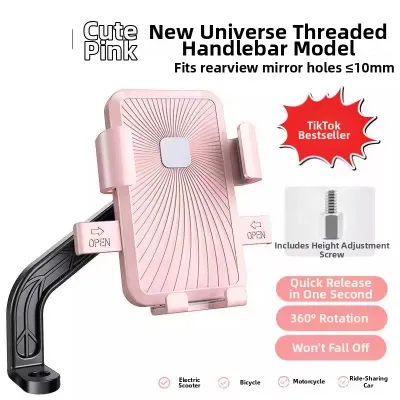
For scooters, underbones, and sportbikes with fully enclosed plastic handlebars or clip-on bars, standard clamps are often incompatible. In these cases, you must look for alternative mounting bases. A mirror stem adapter is a common solution for scooters; it bolts directly underneath the side mirror mount, providing a secure post for the phone holder. For sportbikes with hollow steering stems, a fork stem mount expands inside the steering stem tube, keeping the phone centered and low behind the windscreen. Always consult your vehicle’s documentation to verify the dimensions of these mounting points before purchasing.
Clearance and safety checks are essential during installation to prevent interference with your motorcycle’s controls. Once the mount is loosely positioned, turn your handlebars completely from lock to lock. Verify that the mount, arm, and phone do not pinch any throttle cables, clutch lines, or brake hoses. The assembly must not obstruct your view of the instrument cluster or interfere with the movement of the brake levers. Additionally, ensure the phone is positioned so you can view the navigation screen with a quick glance without taking your eyes off the road for too long.
Security and ease of removal are also important for daily commuters who park in public areas. Leaving an expensive phone mount or cradle on your motorcycle can make it a target for opportunistic theft. A secure quick-release mechanism allows you to detach the phone holder or the entire mounting arm in seconds without using tools. Look for systems that feature dual-stage locking mechanisms, which require a deliberate two-step action to release, preventing accidental detachment while riding over rough roads or speed bumps.
Verifying Waterproof Claims and Protecting Camera Sensors
To protect your smartphone from water damage and mechanical wear, you must look past generic marketing terms and verify the physical design of the mount. Vague descriptions like “water-resistant” or “rainproof” do not guarantee protection during a heavy downpour. A truly waterproof mount typically features a fully enclosed hard-shell case with a continuous, pliable silicone or rubber gasket seal along the opening seam. When inspecting a mount, ensure the gasket sits flush within its groove and that the latches apply even, firm pressure across the entire seal to prevent water from bypassing the barrier under wind pressure.
When evaluating vibration protection, distinguish between rigid mounts and those with active dampening. A rigid mount directly transfers every road bump, pothole impact, and engine vibration to your phone’s chassis. If your smartphone has an OIS-equipped camera, mounting it on a rigid holder is highly likely to cause permanent camera damage over time. If the mount you prefer does not have built-in dampening, verify if the manufacturer offers a compatible, add-on vibration isolator. These isolators are specifically engineered to filter out high-frequency engine harmonics while allowing the mount to remain structurally secure.
Regular maintenance and inspection are vital to ensure the continued reliability of your mounting system. Before every ride, perform a quick visual check of the mount’s components. Inspect the silicone gaskets for signs of cracking, hardening, or tearing, and check the rubber grips or dampening inserts for degradation. If you notice any condensation or water droplets inside an enclosed case after riding through a storm, the seals have failed. In such cases, stop using the mount in wet conditions immediately and replace the worn gaskets or the entire enclosure to prevent water damage to your phone.
Proper installation techniques also play a key role in protecting your equipment. When assembling metal-to-metal connections, apply a small drop of medium-strength thread-locking compound to the screw threads. This prevents the screws from backing out due to constant road vibrations, which could otherwise cause the mount to loosen or detach while riding. Clean the mounting hardware and seals regularly with mild soap and fresh water to remove road salt, dust, and grime that can accelerate material wear and compromise the waterproof seals.
Sourcing Reliable Motorcycle Accessories Parts
Acquiring high-quality motorcycle accessories parts requires careful selection of retail sources to avoid counterfeit or substandard products. When shopping on e-commerce platforms or online marketplaces, prioritize official brand stores and authorized distributors. Avoid unverified third-party sellers offering popular mounting systems at prices that are significantly lower than the manufacturer’s suggested retail price. Counterfeit mounts often look identical to genuine products in photos but are manufactured using low-grade plastics, weak springs, and non-stainless steel screws that rust quickly when exposed to rain and humidity.
Be skeptical of listings that feature vague technical specifications, missing IP ratings, or highly repetitive, generic reviews. A reliable, engineered mounting system is a critical investment in protecting your mobile device. If a listing claims to offer complete waterproofing and advanced vibration isolation for an unusually low price, it is highly likely a counterfeit or a low-quality imitation. These substandard products often fail under the stress of real-world riding conditions, potentially leading to a dropped phone and expensive repairs.
Before finalizing your purchase, review the seller’s return policies and warranty terms. Reputable manufacturers of motorcycle accessories parts typically offer warranties that cover material defects, structural failures, and premature degradation of rubber components under normal use. Reading customer feedback specifically from riders who commute in tropical climates can provide valuable insights into how the mount performs during heavy rain and whether the seller honors warranty claims for defective units. Investing in a genuine, warranted product provides peace of mind and long-term reliability on the road.
Frequently Asked Questions (FAQ)
Can I use a standard waterproof pouch instead of a dedicated mount?
While a standard waterproof pouch or bag is an inexpensive temporary option, it is not recommended for daily motorcycle commuting. These pouches lack structural rigidity, causing them to flap violently at high speeds, which can distract the rider and put unnecessary stress on the mounting strap. Furthermore, the thick plastic window of a pouch often reduces touchscreen responsiveness, makes the screen difficult to read in direct sunlight due to glare, and traps heat, which can cause your phone to overheat and shut down during long rides. For daily commuting, a purpose-built motorcycle mount with a rigid enclosure or a secure clamp is a much safer and more reliable choice.
Will heavy rain damage my phone if the mount is waterproof?
Even if you use a high-quality waterproof mount, heavy tropical rain can still pose a risk to your phone. Water can pool around the charging port, speaker grilles, and buttons when you open the mount to retrieve your phone. If your phone does not have a high native water-resistance rating (such as IP68), this moisture can seep inside. Always dry the exterior of the mount and your hands before opening the case, and ensure the phone’s charging port is completely dry before plugging in any cables.
Do I need a vibration dampener for short daily commutes?
Yes, a vibration dampener is highly recommended even for short daily commutes. High-frequency engine vibrations can damage your smartphone’s optical image stabilization (OIS) camera sensor within a very short period of riding, regardless of the distance. The constant, rapid micro-vibrations from the engine wear down the delicate mechanical components of the camera sensor. Investing in a vibration dampener is a cost-effective way to prevent expensive camera repairs, which can easily cost several times the price of a high-quality mount.

Community discussion
Share your experience or ask a question. Comments are reviewed before publication.