
The Tropical Riding Dilemma: Ventilation vs. Safety
Riding a motorcycle in the Philippines presents a unique environmental challenge. With ambient temperatures frequently exceeding 34°C and relative humidity levels often climbing above 80%, navigating urban corridors like EDSA or embarking on long weekend rides to Marilaque requires significant physical endurance. The intense heat and heavy humidity can rapidly lead to rider fatigue, dehydration, and heat exhaustion. In a bid to stay cool, many riders make the dangerous decision to ride in lightweight t-shirts or thin windbreakers, completely sacrificing their physical protection.
However, riding without protective gear exposes you to severe road rash and impact injuries in the event of an accident. The core dilemma of choosing a summer jacket for motorcycle use lies in balancing maximum airflow with robust abrasion resistance. High airflow typically requires porous, lightweight fabrics, whereas high-speed slide protection demands dense, heavy materials.
The ideal summer motorcycle jacket solves this conflict by using a hybrid construction. By strategically placing high-tenacity mesh panels in high-airflow zones (such as the chest, underarms, and back) and reinforcing critical impact zones (shoulders and elbows) with heavy-duty textile or leather, you can achieve excellent ventilation without compromising safety. This configuration, paired with certified impact armor, keeps you cool while maintaining a reliable safety barrier.
Products mentioned in this guide
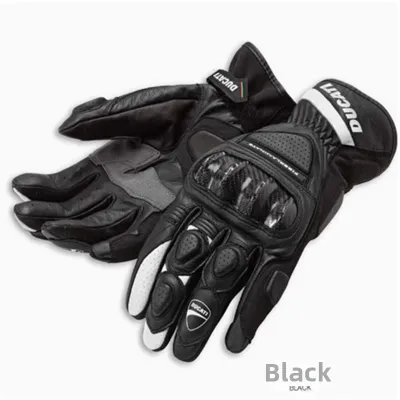
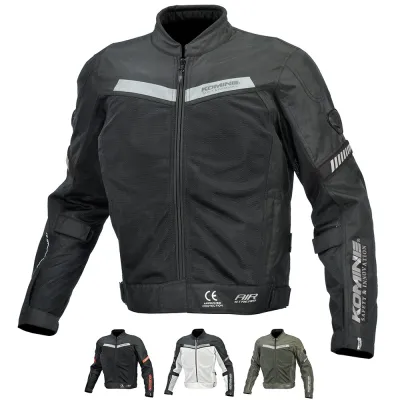
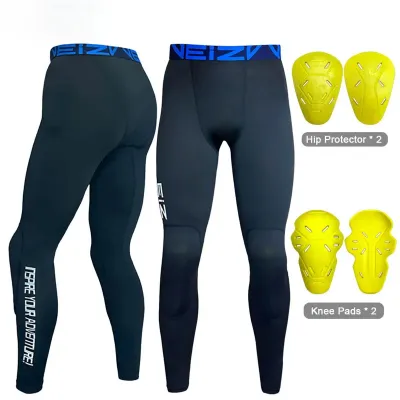
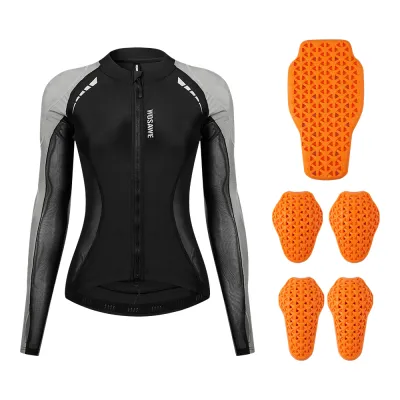
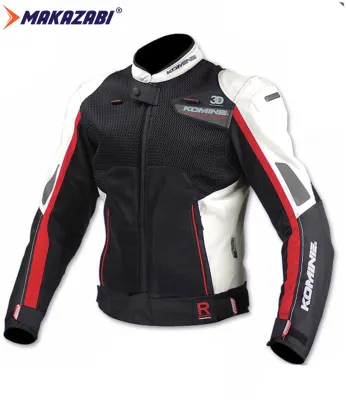
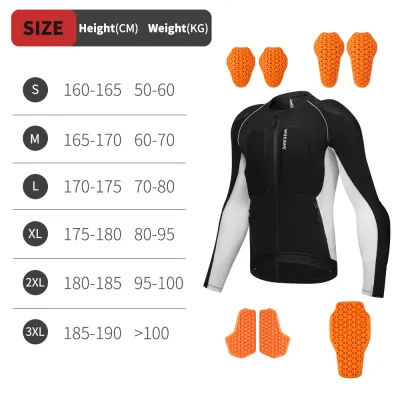
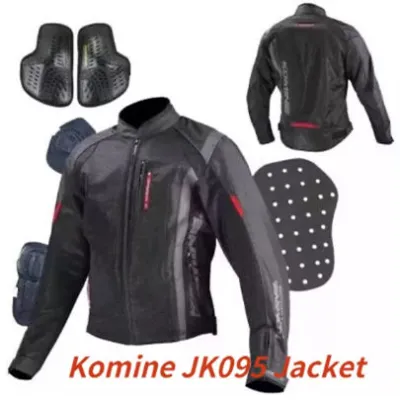
Prices are valid at publication and may change. Please refer to the product page for the latest price.
Jacket Materials: Maximizing Airflow Without Sacrificing Abrasion Resistance
Mesh, Textile, and Perforated Options
To make an informed purchase, you must understand how different outer shell materials perform under extreme heat and friction. The most common material for hot-weather riding is 3D air mesh. This synthetic fabric features a highly open, three-dimensional knit pattern that allows wind to pass directly through to your body. While mesh offers the highest level of ventilation, it possesses lower inherent abrasion resistance compared to solid fabrics. Consequently, a jacket constructed entirely of lightweight mesh may disintegrate quickly during a high-speed slide on asphalt.

Heavy-duty textiles, such as high-denier polyester or nylon, offer a sturdier alternative. These materials are woven tightly to resist tearing and abrasion, but they naturally block airflow. To compensate, manufacturers design summer-specific textile jackets with zippered intake and exhaust vents. This design allows you to customize the airflow based on your speed, making it highly versatile for changing weather conditions, though it remains warmer than a pure mesh jacket in slow-moving city traffic.
Perforated leather represents the premium tier of protection. Leather provides unmatched abrasion resistance and structural integrity during a slide, but it is heavy and retains heat. Perforated leather jackets feature thousands of tiny, laser-cut holes that allow hot air to escape and cool air to enter. While this provides moderate cooling at highway speeds, perforated leather can still feel stiflingly hot when you are stuck in stationary traffic under the midday sun.
When evaluating any summer jacket for motorcycle riding, look closely at the denier (D) rating of the non-mesh textile areas. The denier rating measures the linear mass density of the fiber; a higher number indicates a thicker, stronger thread. For adequate protection, seek jackets with at least 600D polyester or nylon in the primary construction. Do not rely on vague marketing terms like “breathable” or “tropical-grade” without verifying the actual material specifications on the product tag.
Strategic Reinforcement Zones
A well-engineered summer jacket does not use the same material across its entire construction. Instead, it employs a zoned design that maps protection to the areas most likely to hit the pavement during an accident. The shoulders, elbows, and upper back are the primary impact and slide zones. In a high-quality summer jacket, these areas are constructed from heavy-duty, abrasion-resistant materials like Cordura, high-denier nylon, or even leather patches, ensuring the jacket remains intact where it matters most.
Conversely, the chest, inner arms, and lower back are low-impact zones that benefit most from maximum cooling. By placing wide mesh panels in these areas, manufacturers facilitate a continuous stream of air across your torso. This zoned approach ensures that your core temperature remains regulated while your joints and spine are shielded by rugged, tear-resistant fabrics.
Before buying, visually inspect the transitions between different materials. High-quality jackets feature double or triple stitching along the seams that connect the mesh panels to the heavy textile reinforcements. Look for flat-felled or safety seams, where the raw edges are folded over and stitched down securely. Weak stitching at these critical junctions can cause the jacket to burst open upon impact, rendering the protective materials useless regardless of their denier rating.
Understanding Armor: CE Ratings and Coverage in Summer Gear
While the outer shell of your summer jacket protects you from road rash, the internal armor absorbs and dissipates impact energy. To ensure your gear offers genuine protection, you must look for CE (Conformité Européenne) certification labels. The European standard EN 1621-1 governs armor designed for the limbs (shoulders and elbows), while EN 1621-2 applies specifically to back protectors. These standards guarantee that the armor has undergone rigorous testing to limit the force transmitted to your body during a crash.
CE-certified armor is divided into two performance tiers: Level 1 and Level 2. Level 1 protectors absorb a standard amount of impact energy and are typically thinner, lighter, and more flexible, making them highly popular in summer jackets to minimize bulk and heat retention. Level 2 protectors offer significantly higher impact absorption but are thicker, heavier, and can restrict airflow. For daily city commuting in hot weather, Level 1 armor often strikes the right balance of comfort and safety, whereas high-speed highway riding warrants the superior protection of Level 2 armor.
You must pay close attention to the back protection included with your jacket. Many entry-level summer jackets are sold with a simple, non-certified foam pad in the back pocket. This foam offers virtually no protection against spinal impacts and serves merely as a placeholder. It is highly recommended to replace this foam pad with a genuine CE Level 1 or Level 2 back protector insert immediately after purchase.
The design of the armor itself also affects your comfort in tropical heat. Traditional solid rubber or foam armor pads act as solid thermal barriers, trapping heat against your joints and causing localized sweating. Modern safety gear utilizes highly flexible, perforated molecular armor (such as D3O, Sas-Tec, or similar proprietary designs). This type of armor remains soft and pliable during normal movement, allowing air to flow through its perforated channels, but hardens instantly upon impact to protect your joints.
Finally, check the fit and adjustability of the internal armor pockets. Armor can only protect you if it remains positioned correctly over your joints during a fall. Look for jackets with adjustable pockets that allow you to raise or lower the elbow and shoulder pads to match your body proportions. The pockets should hold the armor snugly, preventing it from shifting or twisting out of place when you move.
Essential Features for Humid and Rain-Prone Conditions
Riding in the Philippines requires gear that can adapt to rapid weather changes. The dry season brings intense, dry heat, while the wet season introduces sudden, torrential downpours. To handle these fluctuations, look for a summer jacket for motorcycle use that features adjustable ventilation. Zippered intake vents on the chest or bicep areas, combined with exhaust vents on the back, allow you to regulate the volume of air flowing through the jacket. When riding at highway speeds, you can partially close these vents to prevent the jacket from inflating like a balloon, and open them fully when entering slow city traffic.
The inner lining of the jacket plays a crucial role in managing sweat. Avoid jackets with cheap, non-breathable polyester mesh liners that cling to your skin when wet. Instead, look for moisture-wicking, antimicrobial mesh liners. These technical fabrics pull sweat away from your body, promoting rapid evaporation and preventing the buildup of unpleasant odors. A high-quality liner also makes the jacket much easier to take off when you are hot and sweaty.
Rain is an inevitable part of tropical riding, and managing wet weather requires a clear strategy. Some summer jackets include a removable waterproof and windproof inner liner. While this liner keeps your body dry, it has a significant drawback: the outer mesh shell of the jacket will still absorb water, becoming heavy, cold, and slow to dry. For light drizzles, a removable inner liner is highly convenient. However, for heavy tropical downpours, it is often more practical to wear a fully ventilated mesh jacket and carry a separate, packable, high-visibility rain suit (locally known as a kapote) to wear over your entire gear setup when the storm hits.
Fit adjustments are another critical feature to evaluate. At highway speeds, loose fabric and mesh can flap violently in the wind, causing rider fatigue and distracting you from the road. Choose a jacket equipped with adjustable straps or snap buttons on the biceps, forearms, waist, and collar. These adjustment points allow you to cinch the jacket tight against your body, securing the armor in place and streamlining your profile to eliminate wind buffeting.
Caring for Your Summer Jacket in High Humidity
The high humidity and heat of the Philippines create a breeding ground for bacteria, mold, and mildew, which can quickly ruin high-quality riding gear. Proper post-ride care is essential to extend the lifespan of your summer jacket. Never throw a sweaty jacket directly into a dark closet or a sealed motorcycle top box. Instead, hang it up immediately in a well-ventilated indoor area, away from direct sunlight, to allow the sweat to evaporate completely.
Regular washing is necessary to remove accumulated sweat, road grime, and salt deposits from your skin. Before washing, always remove all internal armor pads from their pockets, as washing machines and detergents can degrade the protective compounds in the armor. Zip up all pockets, close all Velcro fasteners, and turn the jacket inside out to protect the outer mesh from catching or tearing during the wash cycle.
Always consult the manufacturer’s care label on your specific jacket before proceeding, as instructions vary by material. Many textile and mesh jackets can be hand-washed or machine-washed on a gentle cycle using cold water and a mild, non-biological liquid detergent. Avoid using fabric softeners, bleach, or harsh chemical cleaners, as these can break down the synthetic fibers, weaken the stitching, and strip away any water-resistant coatings.
Once washed, hang the jacket on a heavy-duty hanger to air dry in a shaded, well-ventilated space. Never use a mechanical clothes dryer, and avoid exposing the wet jacket to direct, intense sunlight for extended periods. High heat and ultraviolet (UV) radiation can weaken synthetic mesh fibers, cause the reinforced textile panels to fade prematurely, and compromise the overall structural integrity of the gear. If the manufacturer’s care instructions conflict with general maintenance advice, the printed label on the jacket must always take precedence.
Frequently Asked Questions (FAQ)
Is a mesh jacket safe enough for highway riding?
A pure, lightweight mesh jacket without any structural reinforcement is not recommended for high-speed highway riding, as the thin mesh fabric can quickly melt or tear from friction during a high-speed slide. However, a hybrid summer jacket that combines high-airflow mesh panels on the chest and back with heavy-duty, abrasion-resistant textile (such as 600D polyester or Cordura) or leather overlays on the shoulders and elbows is highly safe and effective for highway use. Always ensure the hybrid jacket features CE-certified armor in these key impact zones to protect against both slides and hard impacts.
Should I wear a base layer under my summer motorcycle jacket?
Yes, wearing a dedicated, moisture-wicking synthetic base layer under your summer jacket is highly recommended. Technical athletic shirts made from polyester or nylon blends are designed to pull sweat away from your skin, accelerating evaporation and keeping you cooler than riding in a standard cotton t-shirt. Cotton absorbs and retains moisture, causing the shirt to become heavy, cling to your skin, and trap heat. A smooth synthetic base layer also prevents the inner lining of your motorcycle jacket from chafing against your skin and makes sliding the jacket on and off much easier.
Community discussion
Share your experience or ask a question. Comments are reviewed before publication.