
To choose the right trim removal tool set for car detailing in the Philippines, you must select a kit made of high-grade impact-resistant nylon or polyoxymethylene (POM) rather than cheap, brittle plastics. The ideal set must balance flexibility and rigidity to pry open delicate dashboard panels, door cards, and climate control bezels without scratching the soft-touch plastics or tearing the leatherette surfaces common in modern vehicles. It should also feature a comprehensive mix of wedge-shaped pry bars, specialized clip pliers, and fastener removers to handle the diverse array of retaining clips used by automotive manufacturers.
In the Philippines, high cabin temperatures and humidity can make interior plastics brittle or sticky over time. Attempting to pry these panels with improvised tools like flathead screwdrivers or butter knives almost guarantees permanent gouges, broken clips, or cracked trim pieces. Investing in a dedicated, non-marring trim removal tool set ensures you can safely disassemble your cabin for deep cleaning, wiring dashcams, or upgrading head units while preserving the vehicle’s resale value and structural integrity.
This guide outlines how to evaluate tool materials, verify set completeness, assess ergonomic designs, and navigate local purchasing channels to find a reliable kit that fits your specific detailing projects and budget.
Products mentioned in this guide
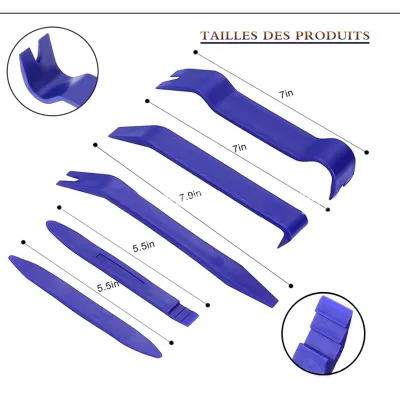
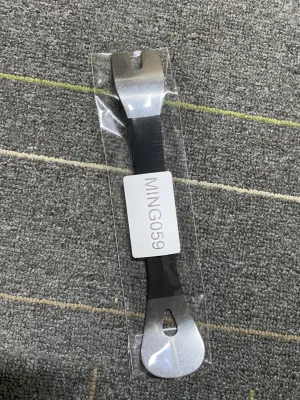
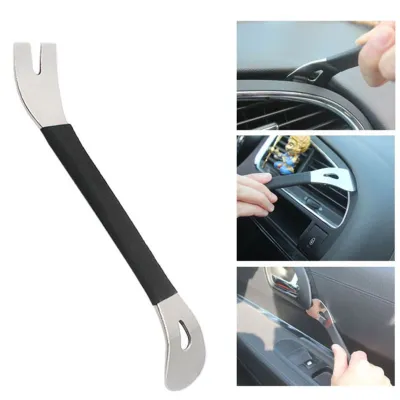
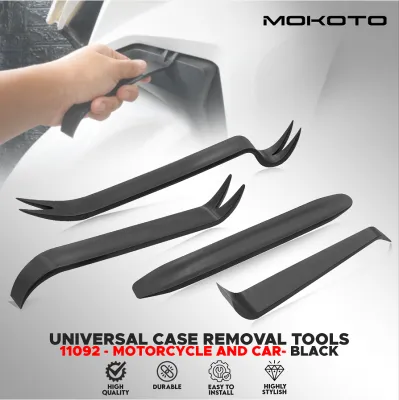
Prices are valid at publication and may change. Please refer to the product page for the latest price.
Define Your Detailing Needs and Baseline Requirements
Before browsing online marketplaces or visiting local auto supply shops, you must define the scope of your detailing or modification projects. A car owner who simply wants to remove a single door panel to fix a rattling speaker or clean accumulated dust behind an air vent has very different requirements from a dedicated DIYer planning a full cabin deep-clean, sound deadening installation, or complete upholstery restoration.
For basic DIY interior cleaning and minor detailing, a compact 4-piece to 11-piece plastic pry tool set is often sufficient. These basic kits focus on standard wedge shapes and flat-edge pry bars that allow you to gently lift decorative trim strips, pop out window switch panels, and release simple friction-fit bezels. These tasks rarely require heavy-duty leverage, making lightweight plastic tools the safest and most economical choice.
Conversely, professional-level panel removal, deep detailing, or aftermarket electronics installation demand a more robust, multi-piece kit. Modern vehicle cabins are held together by a complex network of hidden fasteners, including metal U-clips, plastic push-type retainers, Christmas tree clips, and light adhesives. Accessing these components without breaking the fragile mounting tabs molded into the back of the trim panels requires specialized tools like clip removal pliers, long-reach shaft pry bars, and precision pick sets.
If your detailing or disassembly work involves removing panels near airbags, seatbelt pretensioners, or complex electrical wiring, always consult the original-vehicle instructions, disconnect the battery, and seek qualified professional installation or assistance to avoid compromising critical safety systems.
Establishing a realistic budget in Philippine Pesos (₱) helps narrow down your options while ensuring you do not compromise on material safety. Basic, entry-level plastic sets typically range from ₱150 to ₱400. While highly affordable, these budget kits often use softer plastics that may bend too easily under load or wear down after a few uses. For a more durable, long-lasting set that can withstand repeated use across multiple detailing projects, expect to invest between ₱600 and ₱1,500. Professional-grade kits that include heavy-duty steel clip pliers, specialized fastener extractors, and a dedicated storage roll or case generally cost upwards of ₱1,800 to ₱3,500. Balancing your expected usage frequency against these price points ensures you purchase a set that offers genuine value without risking damage to your car’s interior.
Check for Essential Tools and Set Completeness
A common frustration for DIY detailers is starting a project only to realize their tool set lacks the specific shape needed to reach a recessed clip or release a stubborn wiring harness. To avoid mid-project delays, you should carefully inspect the contents of any trim removal tool set before purchasing to ensure it contains the essential instruments for your specific vehicle model. Always consult your vehicle’s service manual or official documentation to verify the exact mounting positions and clip locations for your specific model year before applying leverage.

Standard pry tools form the foundation of any complete set. Look for a variety of wedge shapes, wide flat edges, and dual-angled tips. Wide-edge pry tools are essential for distributing pressure evenly across a larger surface area, which prevents thin plastic panels from flexing or cracking during removal. Narrow, angled-tip tools are indispensable for slipping into tight seams, such as the gaps around air conditioning vents or steering column shrouds, where a wider tool cannot fit.
Beyond basic plastic wedges, a highly functional set should include specialized clip pliers and metal-shaft fastener removers. Many interior panels, wheel well liners, and under-hood covers are secured by plastic push-type retainers or expansion rivets. Attempting to pry these out with flat plastic wedges often snaps the delicate heads or stems of the clips. Specialized clip pliers feature a spring-loaded design with flat, fork-shaped jaws that slide directly under the clip head, allowing you to squeeze the handles and lift the entire fastener straight out without damage.
Finally, look for specialty items that add versatility to the kit. These include upholstery fastener extractors with ergonomic handles, U-clip removal tools for releasing metal spring clips, and thin radio removal keys designed to slide into the release slots of factory head units. Precision hook and pick sets are also incredibly useful during detailing for pulling out stubborn rubber O-rings, clearing debris from tight crevices, or releasing delicate electrical connector locking tabs. Ensuring your chosen set includes these specialized tools saves you from having to purchase them individually later.
Evaluate Material Quality and Ergonomic Design
The material composition of a trim removal tool directly dictates its safety, effectiveness, and durability. Cheap, low-quality tools are often made of standard ABS plastic or recycled polymers. These materials are highly susceptible to structural failure; they are either too brittle, causing the tips to snap off under moderate pressure, or too soft, bending uselessly when attempting to pop a tight door panel clip. Furthermore, poorly molded ABS tools often have sharp flashing lines along their edges from the manufacturing process, which can easily slice into soft leatherette or scratch painted dashboard bezels.
For safe and effective detailing, prioritize tools constructed from heavy-duty nylon fiber or polyoxymethylene (POM). Nylon-fiber-reinforced tools offer an optimal balance of high tensile strength and slight elasticity. This allows the tool to flex slightly under heavy load—absorbing excess force before it can crack the vehicle’s plastic trim—while retaining enough rigidity to pop stubborn fasteners. POM, often referred to as acetal, is highly prized for its exceptional dimensional stability, high stiffness, and low friction, making it excellent for ultra-thin wedge tools that must slide smoothly into tight panel gaps without marring the surrounding surfaces.
Ergonomic design is another critical factor, especially during long detailing sessions where hand fatigue can lead to slips and accidental damage. Inspect the handle designs of the tools in the set. Look for contoured grips that fit comfortably in the palm of your hand and non-slip textures that provide secure handling even if your hands are sweaty or coated in interior dressing products. Tools with longer handles provide superior leverage, allowing you to apply controlled force with minimal physical effort.
When evaluating a tool set, watch out for manufacturing red flags. Avoid sets where the plastic feels exceptionally hard and glassy, as this indicates a brittle composition that is prone to shattering. Conversely, avoid tools that can be easily bent or twisted with simple hand pressure, as they will fail to release tight factory clips. Examine the edges and tips of the tools; they should be smooth, tapered, and free of sharp burrs or uneven molding seams. If purchasing a set that includes metal-shaft tools, ensure the metal shafts are chrome-plated or powder-coated to resist rust, and verify that the tips are properly chamfered to prevent gouging.
Navigate Local Availability and Purchasing Channels
Acquiring a quality trim removal tool set in the Philippines can be done through physical automotive supply stores or major online marketplaces. Each purchasing channel offers distinct advantages and trade-offs that you must weigh based on your project timeline and budget.
Buying from specialized local automotive hardware stores or physical car accessory shops allows you to inspect the tools in person before spending your money. You can physically feel the weight, test the flex of the plastic, and verify the smoothness of the edges. This hands-on inspection completely eliminates the risk of receiving a counterfeit or low-quality set. Additionally, physical stores provide immediate gratification, which is ideal if you are in the middle of a weekend detailing project and need a tool right away. However, local physical stores may have a more limited selection and slightly higher prices compared to online platforms.
Online marketplaces and e-commerce platforms offer an unparalleled variety of tool sets, ranging from basic DIY kits to comprehensive professional setups, often at highly competitive prices. The primary drawback is the inability to inspect the product beforehand, making you reliant on product descriptions and seller credibility. To protect your purchase, always buy from official brand stores or highly rated preferred sellers. Carefully read the customer review section, paying close attention to photo and video reviews uploaded by other Filipino car owners. Look for feedback regarding the actual stiffness of the plastic, whether the tips snapped during first use, and if the package arrived complete.
Before finalizing your online purchase, verify the seller’s return and refund policies to ensure you can easily exchange the set if it arrives damaged or incomplete. Once your package is delivered, perform an immediate quality check. Lay out all the tools and compare them against the listing’s inventory checklist to ensure no pieces are missing. Inspect each plastic tool for manufacturing defects, such as warped shafts, blunt tips, or sharp molding flash. For metal-shaft tools, check that the handles are securely bonded to the shafts and that there are no signs of surface rust or peeling plating. If you detect any defects, initiate a return immediately before using the tools on your vehicle.
Frequently Asked Questions (FAQ)
Can I use metal trim removal tools on car interiors?
You should generally avoid using bare metal trim removal tools on delicate car interior surfaces. Metal is significantly harder than the ABS, polypropylene, and leatherette materials used in modern vehicle cabins. Using a metal tool to pry dashboard bezels, door cards, or climate control panels carries an extremely high risk of scratching, denting, or permanently tearing these soft surfaces. Even a minor slip with a metal screwdriver or pry bar can leave deep, irreparable gouges in your dashboard.
Metal trim removal tools, such as steel fastener removers and clip pliers, should only be used for specific, heavy-duty tasks where plastic tools lack the necessary strength. These scenarios include extracting stubborn metal U-clips, releasing heavy-duty door panel retainers from the inner metal door skin, or removing clips in the engine bay and under-car splash shields. When you must use a metal tool near visible interior trim, always wrap the tip of the tool in protective microfiber cloth or heavy-duty masking tape, or use a dedicated plastic protector block to distribute the pressure and shield the delicate surfaces from direct metal contact.
How do I clean and maintain plastic trim tools after detailing?
Proper maintenance of your plastic trim removal tools is essential to prolong their lifespan and ensure they remain safe for use on delicate car interiors. During detailing, these tools frequently come into contact with grease, dirt, adhesive residue, and various interior cleaning chemicals or dressings. After completing your project, wipe down each tool using a mild automotive all-purpose cleaner or dish soap diluted in warm water. Avoid using harsh solvents like acetone, lacquer thinner, or strong degreasers, as these chemicals can degrade, soften, or warp nylon and POM plastics. Use a soft-bristled brush to scrub away stubborn dirt or adhesive buildup from the textured grips and crevices.
Once clean, thoroughly dry the tools with a microfiber towel before storing them. Store your tool set in a cool, dry environment away from direct sunlight and extreme heat. In the tropical climate of the Philippines, leaving plastic tools exposed to intense sunlight or storing them in a hot car trunk for extended periods can accelerate UV degradation, making the plastic brittle and highly prone to snapping during future use. Utilizing a dedicated canvas roll-up pouch or a plastic storage case not only protects the tools from environmental damage but also keeps the set organized so you do not lose smaller specialty pieces.
Community discussion
Share your experience or ask a question. Comments are reviewed before publication.