
Riding a Honda Click during the rainy season in the Philippines presents unique challenges, from sudden afternoon downpours to high humidity that lingers for days. Protecting your scooter’s seat is not just about keeping your pants dry; it is about preserving the structural integrity of the seat foam and ensuring a safe, stable ride. A high-quality waterproof seat cover acts as a primary shield against water ingress, preventing moisture from seeping into the underlying cushion where it can cause long-term damage. Choosing the right cover requires understanding material specifications, fitment requirements, and practical design features tailored to the Honda Click’s distinct shape.
Why the Rainy Season Changes Your Seat Cover Needs
During the wet season, your scooter is regularly exposed to heavy rainfall and persistent high humidity. Standard scooter seats are typically covered in synthetic vinyl, which, while water-resistant on the surface, features stitched seams that are highly vulnerable to water penetration. When rainwater seeps through these stitched seams, it gets trapped inside the open-cell polyurethane foam underneath. This foam acts like a sponge, holding onto water long after the rain has stopped. When you sit on a waterlogged seat, the pressure squeezes the trapped moisture back up through the seams, leaving you with damp clothing and an uncomfortable ride.
Furthermore, the distinction between water-resistant and fully waterproof claims is critical when evaluating seat covers. Water-resistant materials are designed to repel light moisture or brief drizzles, causing water to bead on the surface temporarily. However, under the pressure of a rider sitting on the seat during a heavy downpour, water-resistant fabrics will eventually allow moisture to pass through. Fully waterproof covers, on the other hand, utilize impermeable barriers and specialized construction techniques to block water even under pressure.
Products mentioned in this guide
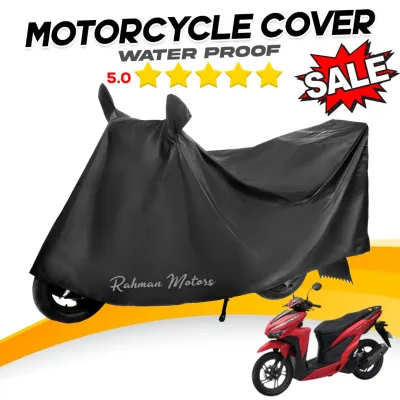
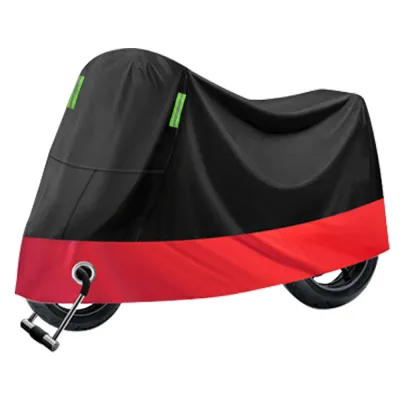
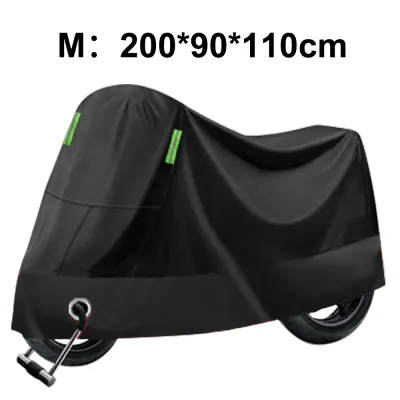
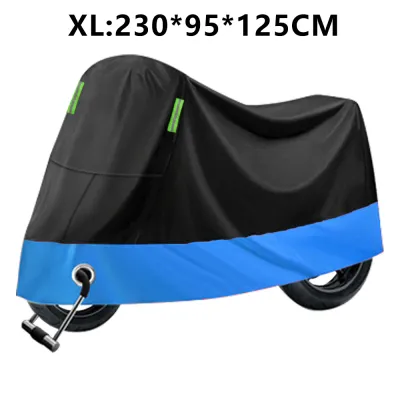
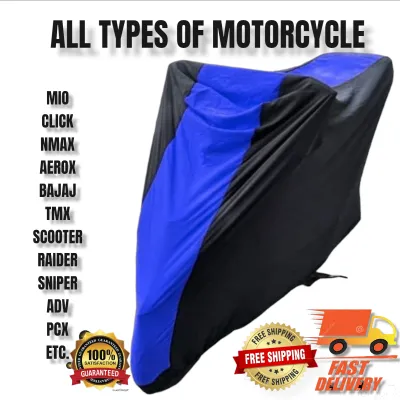
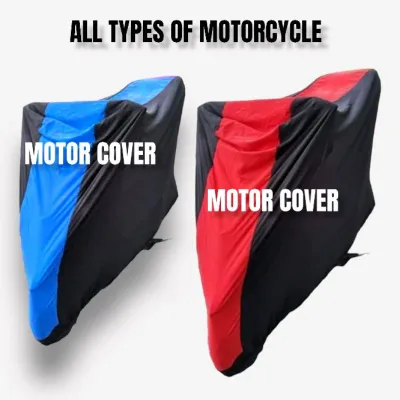
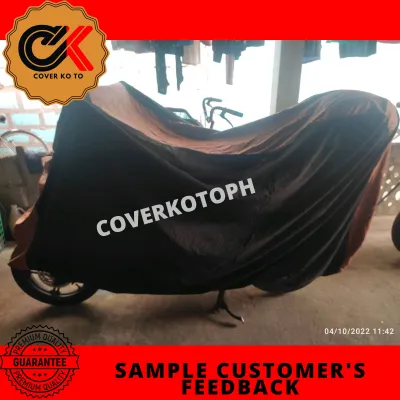
Prices are valid at publication and may change. Please refer to the product page for the latest price.
In the tropical climate of the Philippines, trapped moisture also creates an ideal breeding ground for mold, mildew, and bacteria. Without proper ventilation and moisture management, a damp seat can quickly develop unpleasant, musty odors and degrade the foam structure. Prioritizing a cover that prevents water from reaching the foam while allowing any residual moisture to escape is essential for maintaining a clean and hygienic ride.
Decoding Waterproof Labels and Material Specs
To avoid falling for marketing buzzwords, riders must learn to decode product labels and material specifications. When shopping for a waterproof seat cover, look for technical indicators such as hydrostatic head ratings, which measure the water pressure a fabric can withstand before leaking. While these ratings are more common on outdoor gear, high-end motorcycle covers may specify them. A rating of 2,000 mm or higher generally indicates excellent resistance to heavy rain.

The choice of material significantly influences the cover’s weight, durability, and care requirements. Heavy-duty polyvinyl chloride (PVC) is highly impermeable and exceptionally durable, making it an excellent barrier against torrential rain, though it can become stiff in cooler temperatures and hot under direct sunlight. Polyurethane-coated (PU) nylon or polyester offers a lighter, more flexible alternative that is easy to fold and store in your under-seat utility box (U-box). Synthetic marine-grade vinyl provides a premium look and feel similar to the original seat while offering robust water shedding, but it is heavier and requires careful maintenance.
Regardless of the material, the seams are almost always the weakest point of any seat cover. Standard sewing needles puncture the fabric, leaving thousands of tiny holes where water can easily seep through. To ensure true waterproof performance, verify the seam construction. Look for covers that feature heat-welded seams, where the material is fused together using high-frequency heat, or taped seams, where a waterproof thermoplastic tape is applied to the inside of the stitching. These methods seal the needle holes, preventing water ingress during prolonged exposure to wet weather.
Essential Design Features for the Honda Click
The Honda Click features a sharp, angular seat design that requires specific structural features to ensure a secure and safe fit. One of the most critical safety features to look for is a non-slip backing or a textured top surface. Riding on wet roads requires maximum stability; a slippery seat cover can cause you to slide forward during sudden braking, compromising your control over the scooter. A textured surface, such as a rubberized grid or matte finish, helps maintain rider grip even when wet, while a non-slip backing prevents the cover from shifting against the original seat vinyl.
Securement mechanisms are equally important to withstand the strong winds and heavy downpours common during the typhoon season. Look for covers equipped with robust elastic hems that wrap deeply under the seat pan. This elastic tension should be supplemented by adjustable nylon straps with quick-release buckles or heavy-duty drawstrings. These straps run underneath the seat, keeping the cover taut and preventing it from lifting or flapping at high speeds.
Additionally, the cover must be designed with precise dimensions that do not interfere with the Honda Click’s operational components. The cover should not block or pinch the seat latch mechanism at the rear, nor should it restrict the front hinge. This ensures you can easily access your under-seat storage (U-box) and fuel tank without having to adjust or remove the cover every time. The material must be flexible enough to conform to the Click’s contours without creating loose folds where water can accumulate.
Installation and Fitment Checks
Proper installation is vital to maximize the effectiveness of your waterproof seat cover and ensure safe operation. Before installing the cover, thoroughly wash and dry the original seat. Trapping dirt, road grime, or moisture underneath the cover can lead to mold growth and accelerate the degradation of both the original vinyl and the new cover. Use a mild soap, rinse thoroughly, and allow the seat to dry completely in a well-ventilated area before proceeding.
Once the seat is clean and dry, stretch the cover evenly over the seat, starting from the front nose and working your way to the rear. Pull the securement straps tight to eliminate any sagging or loose areas. Any depression or loose pocket in the fabric will act as a basin, collecting rainwater when the scooter is parked. This pooled water increases hydrostatic pressure, making leaks more likely over time.
Finally, perform a comprehensive safety check. Ensure the cover is centered and does not obstruct the tail light, rear turn signals, or passenger grab rails. The cover must sit entirely on the seat assembly and not drape over the body panels, which could block visibility or interfere with moving parts. Open and close the seat several times to verify that the latch engages securely and that the cover does not get pinched in the locking mechanism.
Rainy Season Maintenance and Drying Practices
To prolong the lifespan of your waterproof seat cover and maintain its protective qualities, regular maintenance is essential. Road grime, oil, and acidic rainwater can slowly degrade waterproof coatings and materials. Clean the cover regularly using a soft microfiber cloth, lukewarm water, and a mild soap. Avoid harsh chemical cleaners, degreasers, or bleach, as these can strip away specialized waterproof coatings and dry out synthetic materials, leading to premature cracking.
Proper drying techniques are equally important to prevent material warping and UV damage. While the cover is designed to withstand rain, leaving a wet cover to bake in intense, direct tropical sunlight can cause the material to degrade, fade, or warp. Instead, wipe off excess water with a dry cloth and allow the cover to air-dry in a shaded, well-ventilated area. If you remove the cover for storage, ensure it is completely dry before folding it; storing a damp cover in the dark, warm environment of your U-box will quickly lead to mold and unpleasant odors.
Periodically inspect the cover’s seams, edges, and backing for signs of wear. Look for peeling seam tape, hairline cracks in the PVC or PU coating, or frayed stitching. Catching these issues early allows you to address them before water reaches the underlying seat foam, ensuring your Honda Click remains protected throughout the entire rainy season.
Frequently Asked Questions (FAQ)
Can I use a universal seat cover for my Honda Click?
While universal seat covers are widely available and often less expensive, they present several trade-offs compared to model-specific options. Universal covers are designed to fit a wide range of scooter models, meaning they rarely conform perfectly to the distinct, angular contours of the Honda Click. This loose fit often results in excess material that sags, creating pockets where rainwater can pool and eventually seep through. Furthermore, a loose-fitting cover can slip or slide against the seat during rides, which poses a significant safety hazard, especially when braking on wet roads. For optimal safety and water protection, it is highly recommended to check the manufacturer’s size chart and choose a cover specifically patterned for the Honda Click.
How do I know if the waterproof coating is wearing off?
You can easily check the condition of your seat cover’s waterproof barrier by performing a simple water beading test. Pour a small cup of clean water onto the dry surface of the cover. If the water forms tight, round beads and rolls off easily, the waterproof coating is functioning correctly. If the water flattens out, spreads, and begins to darken the fabric, the material is absorbing moisture, indicating that the coating has worn off. Additionally, inspect the underside of the cover for physical signs of degradation, such as a flaking white residue (which indicates a peeling PU coating), stiffness, or visible cracking along the seams. If the cover fails the beading test or shows physical damage, it is time to apply a compatible fabric re-waterproofing spray or replace the cover.
Is it safe to leave the scooter parked outside with a waterproof seat cover?
A waterproof seat cover is designed to protect the seat cushion itself, but it does not offer complete protection for the entire scooter. During heavy, wind-driven tropical rains, water can still run down the sides of the seat and find its way into the under-seat storage compartment (U-box) or reach sensitive electrical components if the seat’s rubber gasket is worn. Additionally, prolonged exposure to heavy rain and standing water can affect other exposed parts of the scooter, such as the instrument cluster, switches, and exhaust. While a seat cover is excellent for temporary outdoor parking, using a full-body, breathable motorcycle cover is highly recommended if you must park your Honda Click outside for extended periods during the rainy season. This ensures the entire vehicle remains dry and protected from both water ingress and UV exposure.
Community discussion
Share your experience or ask a question. Comments are reviewed before publication.