
Riding a motorcycle during the Philippine rainy season requires gear that goes far beyond a standard convenience store plastic poncho. When the southwest monsoon (habagat) or sudden tropical depressions bring torrential downpours, a rider faces high-velocity water, reduced road visibility, and intense humidity. To stay dry and safe, investing in a high-quality, motorcycle-specific raincoat waterproof for men with pants set is one of the most effective ways to stay dry and maintain control. Unlike casual rainwear, dedicated riding suits are engineered to withstand the unique forces of wind-driven rain at highway speeds while preserving the physical mobility needed to navigate wet, slippery roads.
Waterproofing Standards for Wind-Driven Rain and High Speeds
To understand how a rain suit performs on the road, you must look at its technical specifications. Standard rain jackets are often labeled “water-resistant,” meaning they can repel light showers for a short period using a simple surface treatment. For motorcycle commuting, however, you require a fully “waterproof” garment. The industry measures this using a hydrostatic head rating, which indicates the amount of water pressure a fabric can withstand before leaking. For active riding, look for a rating of at least 10,000 mm. At speeds of 60 km/h or higher, wind-driven rain strikes your gear with immense force, easily penetrating fabrics with lower ratings.
Equally critical is the construction of the seams. Every time a needle punctures fabric to sew a seam, it creates thousands of tiny holes. High-quality motorcycle gear features fully taped, sealed, or welded seams where a waterproof tape is thermally applied over the stitching on the inside. Without this reinforcement, water will quickly seep through the shoulders, chest, and crotch under the pressure of riding wind. Additionally, pay close attention to the main zipper. A standard zipper will let water through almost instantly. Look for heavy-duty zippers protected by double storm flaps that fold over each other and secure with hook-and-loop fasteners or heavy snaps, creating a physical barrier against high-speed water ingress.
Products mentioned in this guide
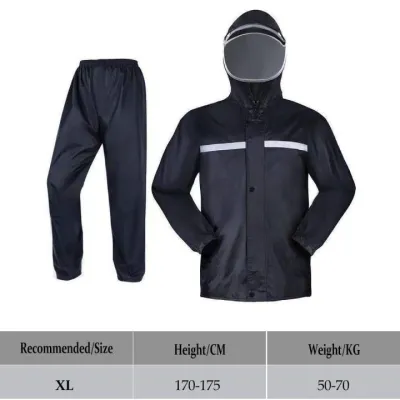
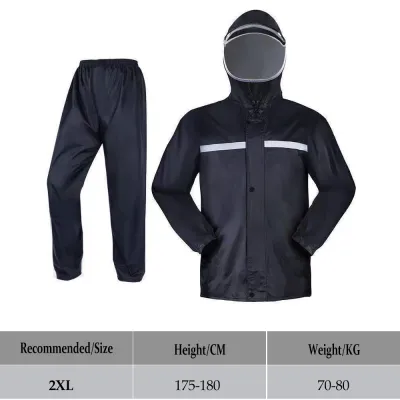
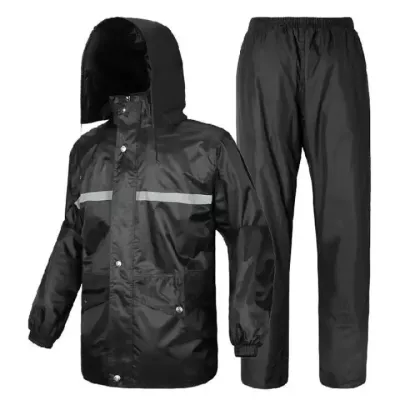
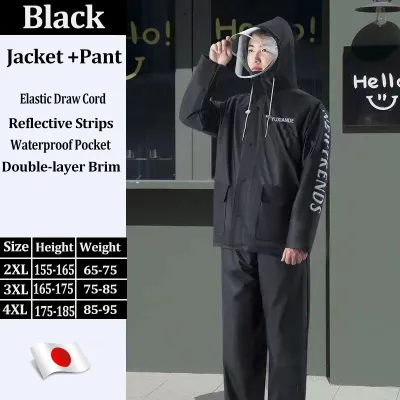
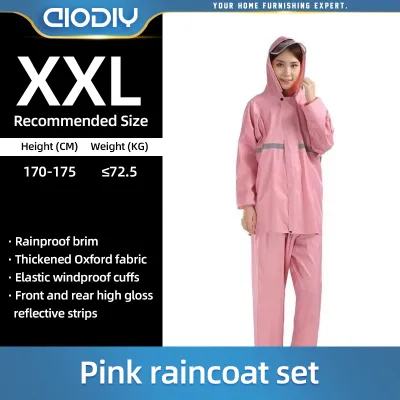
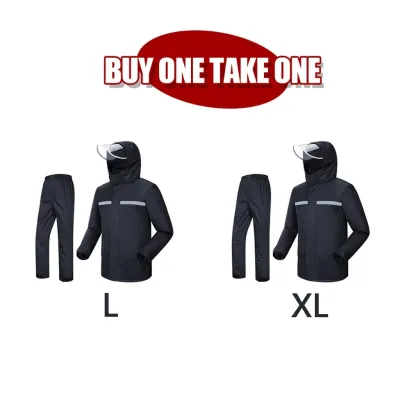
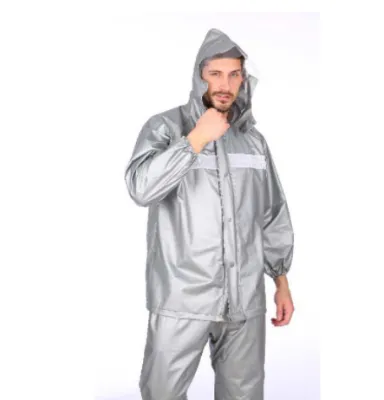
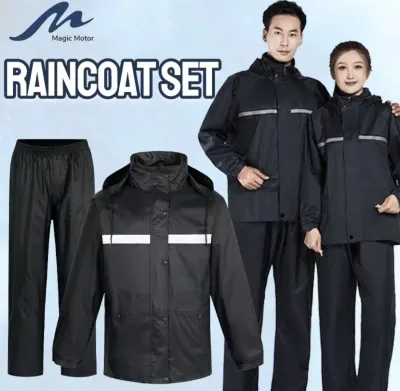
Prices are valid at publication and may change. Please refer to the product page for the latest price.
Visibility and Safety Features for Wet Road Commutes
When heavy rain falls, visibility on Philippine roads drops dramatically. Gray skies, road spray from larger vehicles, and fogged-up helmet visors make it incredibly difficult for car and truck drivers to spot a motorcyclist. Therefore, your rain suit must serve as a highly visible safety barrier. Opt for suits that feature bright, high-visibility colors such as fluorescent neon yellow, lime green, or vibrant orange on the upper torso and arms. These colors contrast sharply against dark, rain-soaked backgrounds, giving other motorists more time to react.

In addition to bright colors, retroreflective piping and panels are non-negotiable for low-light and nighttime riding. Look for reflective materials placed strategically on moving parts of your body, such as the upper arms, shoulders, and lower legs. This placement leverages biological motion—the human brain recognizes the movement of reflective limbs much faster than a static reflective block, immediately identifying you as a moving rider. Furthermore, ensure the suit fits snugly without being overly baggy. Excessively loose material flaps violently at speed, which not only causes rapid rider fatigue but can also catch on your motorcycle’s mirrors, handlebars, or passing vehicles, creating a serious safety hazard.
Motorcycle-Specific Fit: Jacket and Pants Adjustments
Standard rain gear is designed for walking, meaning it fails the moment you sit on a motorcycle. When you reach for the handlebars and place your feet on the pegs, your body bends, pulling sleeves up your forearms, exposing your lower back, and causing water to pool in your lap. Dedicated motorcycle rain suits are tailored specifically for this riding posture.
Jacket Design for the Riding Posture
A motorcycle-specific rain jacket features a longer back hem, often called a drop tail. This extra coverage ensures that even when you lean forward on your bike, the jacket remains tucked over your pants, preventing wind and rain from blowing up your back. The collar should be high and adjustable, designed to seal the gap between your jacket and the bottom of your helmet. Look for collars lined with soft materials like neoprene or microfleece to prevent painful skin chafing during long, wet commutes. Finally, the cuffs must feature a dual-seal system or highly adjustable hook-and-loop straps. This allows you to tighten the cuffs securely over or under your riding gloves, blocking water from traveling up your sleeves due to wind pressure.
Pants Design for Boots and Pedal Control
The pants of your rain suit must balance weather protection with quick, roadside accessibility. Look for pants with wide leg openings equipped with long, heavy-duty zippers or wide hook-and-loop gussets. This design is crucial because it allows you to pull the rain pants on quickly over bulky riding boots when a sudden downpour begins, without needing to take your boots off on a muddy roadside.
The waist should be highly adjustable, and the knees should feature an articulated, pre-curved cut. This prevents the fabric from binding and pulling the pants down when your knees are bent on the footpegs. For durability and control, look for reinforced panels on the seat and inner knees. A wet vinyl motorcycle saddle can become incredibly slick; a textured, high-friction seat panel keeps you firmly planted in position. Lastly, ensure the lower legs have adjustable straps to keep the pant legs tight against your boots, preventing loose fabric from bunching up or catching dangerously on your footpegs, gear shifter, rear brake pedal, or drive chain.
Managing Heat and Humidity in Tropical Climates
The tropical climate of the Philippines introduces a severe challenge during the rainy season: high humidity combined with ambient heat. If your rain suit is completely airtight, it will trap your body heat and sweat. Within minutes of riding, you will be just as wet from perspiration on the inside as you would be from the rain on the outside. To prevent this “sauna effect,” you must understand the trade-off between absolute waterproofing and breathability.
Look for rain suits constructed with breathable membranes or polyurethane coatings that feature microscopic pores. These pores are small enough to block external water droplets but large enough to allow sweat vapor to escape. To assist this process, high-quality suits incorporate strategic ventilation systems. Look for cape vents on the back and underarm zippered vents that can be opened during slow-moving traffic or light drizzles to promote airflow without letting rain in.
Inside the suit, a soft polyester mesh lining is highly beneficial. It keeps the waterproof outer shell from sticking uncomfortably to your bare skin or damp clothing, maintaining a pocket of air for ventilation. To maximize this system, avoid wearing cotton shirts underneath your rain gear, as cotton absorbs and holds moisture. Instead, wear lightweight, moisture-wicking synthetic base layers that dry quickly and actively move sweat away from your skin.
Care and Maintenance to Preserve Waterproofing
To ensure your motorcycle rain suit remains reliable season after season, you must care for it properly. Standard laundry detergents, bleach, and fabric softeners contain harsh chemicals that can strip away the outer Durable Water Repellent (DWR) coating and clog the microscopic pores of breathable membranes. Always consult your specific product’s care label first. For general cleaning, spot-clean dirt and road grime with a damp cloth and mild, highly diluted soap, or use a specialized technical wash designed for waterproof fabrics.
When drying your gear, never use a high-heat tumble dryer or hang the suit in direct, intense tropical sunlight. Excessive heat and UV rays can melt seam-sealing tapes, degrade polyurethane coatings, and weaken the fabric. Instead, hang the jacket and pants inside-out in a shaded, well-ventilated area to air-dry completely.
Over time, the outer DWR coating will naturally wear off due to friction and road grime. You can check this by splashing water onto the dry suit; if the water stops beading up and instead soaks into the outer fabric (a condition known as “wetting out”), the DWR needs to be restored. Once the suit is clean and dry, apply a compatible spray-on DWR treatment according to the manufacturer’s instructions. Finally, store your dry suit properly. Never leave it crumpled and wet inside your motorcycle’s under-seat compartment or top box, as this traps moisture, leading to mold, mildew, and premature peeling of the inner waterproof lining. Instead, roll it loosely and store it in a dedicated dry bag.
Frequently Asked Questions (FAQ)
Is a rain poncho a safe alternative to a two-piece rain suit for riding?
No, a rain poncho is highly unsafe for motorcycle riding. Because ponchos are loose and open-ended, they act like sails at speed, catching the wind and creating severe aerodynamic drag that can destabilize your motorcycle. The loose, flapping fabric can easily get caught in your rear wheel, drive chain, or footpegs, potentially locking up the wheel and causing a catastrophic crash. Additionally, flapping ponchos can obscure your headlight, taillight, or turn signals, making you invisible to other motorists. A tailored two-piece rain suit is the only safe, aerodynamic, and reliable choice for motorcycle commuting.
Can I use a regular hiking rain jacket and pants for motorcycle commuting?
While a hiking rain suit can work in an emergency or for very short, low-speed trips, it is not designed to handle the extreme conditions of motorcycle riding. Hiking gear is tailored for slow-speed walking and lacks the heavy-duty seam sealing and robust fabric needed to withstand wind-driven rain at 60 km/h or faster. It also lacks motorcycle-specific features like a drop tail to cover your lower back when leaning forward, reinforced seat panels to prevent slipping on a wet saddle, and heat-resistant leg panels to protect the fabric from melting against a hot exhaust pipe. For daily commuting, a dedicated motorcycle rain suit is far safer and more durable.

Community discussion
Share your experience or ask a question. Comments are reviewed before publication.