
Finding a reliable waterproof seat cover for your motorcycle during the rainy season in the Philippines requires looking beyond basic marketing claims. With sudden tropical downpours and high humidity, a standard cover can quickly fail, leaving you with a soaked seat foam that takes days to dry. To ensure your motorcycle remains comfortable and ready to ride, you must evaluate specific material coatings, seam construction, and secure fastening systems. This guide provides a systematic approach to selecting a high-performance cover that can withstand heavy rainfall and strong winds.
Quick Guide: Selecting a Waterproof Motorcycle Seat Cover
The primary goal of a waterproof seat cover is to keep your motorcycle’s seat dry and usable even after prolonged exposure to heavy rain. When parking outdoors during the wet season, water can easily seep through standard fabrics, saturating the underlying foam. Once the foam absorbs water, it acts like a sponge, releasing moisture every time you sit down and creating an uncomfortable riding experience.
To avoid this issue, do not rely on generic material names like nylon or polyester without checking the manufacturer’s specific waterproof ratings. A reliable cover must feature specialized water-repellent treatments or impermeable barriers. When comparing options, focus on three main decision factors: the material’s chemical treatment, the construction of the seams, and the design of the securing mechanisms. By prioritizing these technical specifications, you can find a cover that offers dependable protection throughout the wettest months of the year.
Products mentioned in this guide
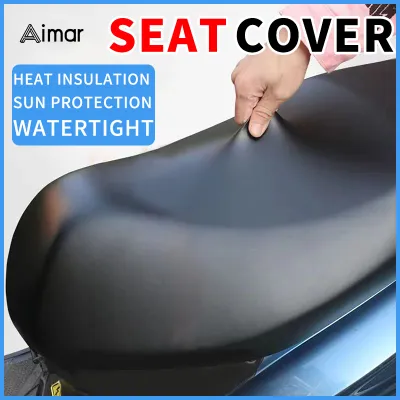
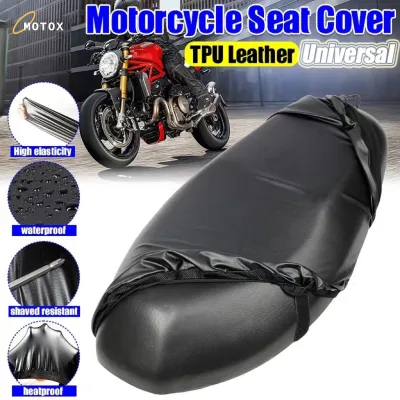
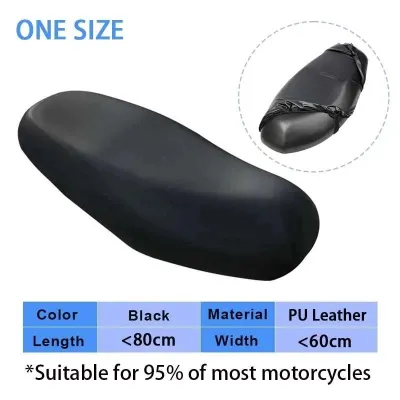
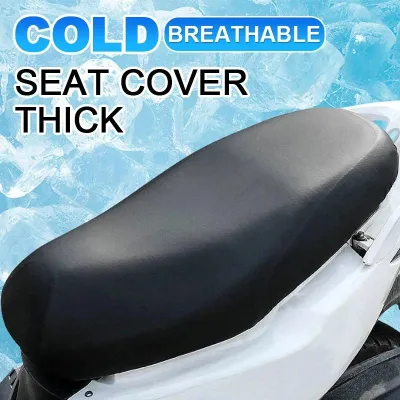
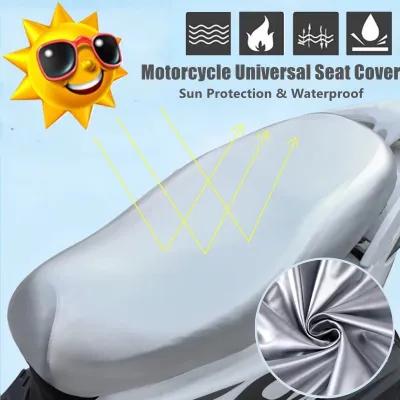
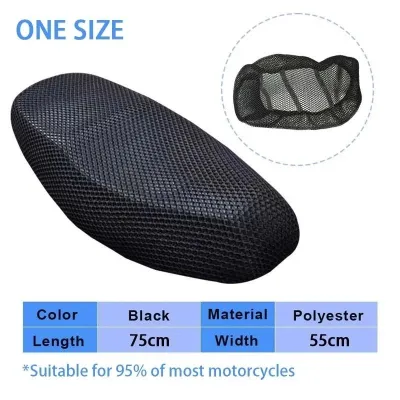
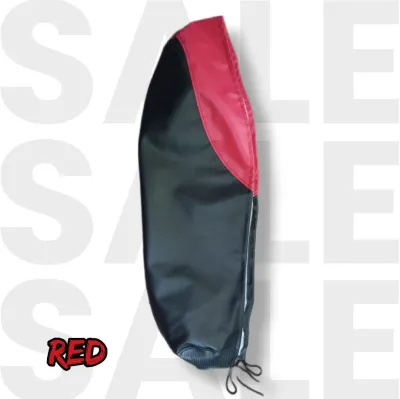
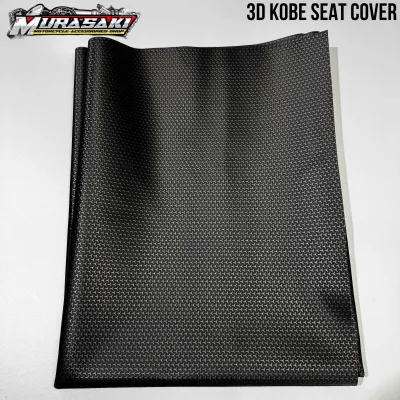
Prices are valid at publication and may change. Please refer to the product page for the latest price.
Essential Design Features for Heavy Rain Protection
When evaluating a seat cover for motorcycle use, the method of assembly is often more critical than the fabric itself. Standard stitched seams are a primary point of failure during heavy downpours. Every needle hole in a stitched seam creates a pathway for water to penetrate the cover and reach the seat foam. To prevent this, look for covers that feature heat-sealed or taped seams. Heat sealing fuses the fabric edges together using heat and pressure, creating a continuous, watertight barrier. Alternatively, taped seams use a waterproof tape applied over the stitched areas to block water ingress. Always check the product label or manufacturer specifications to confirm that the seams are treated with these methods.

Another critical factor is the distinction between water-resistant and waterproof materials. Many products are marketed as water-resistant, which typically means they can shed light drizzle for a short period but will eventually saturate under heavy rain. True waterproof covers carry specific manufacturer certifications or hydrostatic head ratings, indicating their ability to resist water penetration under pressure. Look for clear specifications on the packaging that detail the material’s performance limits.
Additionally, the physical shape of the cover plays a vital role in water management. Flat or poorly fitted covers can allow water to pool in the center of the seat during prolonged parking. This standing water exerts continuous pressure on the fabric and seams, increasing the likelihood of leaks. Opt for contoured designs that match the specific shape of your motorcycle’s seat. A well-fitted cover encourages water to run off the sides immediately, preventing accumulation and reducing the stress on the waterproof barrier.
How to Verify Material Water Resistance
To make an informed purchase, you must understand how to verify the actual water resistance of different fabrics using product specifications. Synthetic fabrics like nylon and polyester are popular choices, but their waterproof capabilities depend entirely on their coatings. Check the product tags for specific polyurethane (PU) or polyvinyl chloride (PVC) coating thicknesses. These coatings are typically measured in millimeters or rated by hydrostatic head pressure (such as 2,000mm or higher). A higher hydrostatic head rating indicates that the material can withstand greater water pressure before leaking. PVC coatings generally offer excellent water resistance but can be stiffer, while PU coatings provide a balance of flexibility and water protection.
Vinyl and faux leather are also common materials for motorcycle seat covers due to their natural water-shedding properties. However, the base material alone does not guarantee a dry seat. You must verify the seam integrity and overall material thickness. Heavy-duty vinyl with welded seams is highly effective, but thinner, low-quality vinyl can crack over time when exposed to the intense tropical sun, leading to sudden leaks during the next rainstorm.
While high water resistance is essential, you must also consider the trade-offs regarding breathability. Non-breathable waterproof layers can trap moisture underneath, especially when the motorcycle is parked in humid conditions. This trapped moisture can lead to mold growth on the seat foam or accelerate the degradation of the seat’s original cover. To mitigate this risk, look for covers that incorporate ventilation flaps or breathable side panels that allow air to circulate while keeping the top riding surface completely sealed against rain.
Ensuring a Secure Fit and Full Coverage
A waterproof cover is only effective if it stays in place and covers the entire vulnerable area. When choosing a cover, first decide between a seat-only cover and a full-motorcycle cover. This decision should be based on your typical parking conditions in the Philippines. If you park in a covered garage but face occasional rain during your commute, a compact, seat-only cover is highly convenient and easy to store. However, if you regularly park your motorcycle outdoors on the street or in open parking lots, a full-motorcycle cover is preferable. A full cover protects not only the seat but also the electrical components, instrument cluster, and metal parts from rust and water damage.
Securing mechanisms are critical for keeping the cover in place during strong tropical winds and heavy storms. Elastic hems provide a basic level of tension around the bottom of the seat, but they can stretch out over time or slip off during high winds. For more reliable security, look for covers that feature adjustable drawstrings or windproof buckle straps that pass underneath the seat or chassis. These straps prevent the cover from flapping or blowing away, ensuring continuous protection even during severe weather.
To ensure a proper fit, never rely on generic size labels like medium or large without verifying the actual dimensions. Measure your motorcycle seat’s length, width, and height at its widest points. Cross-reference these measurements with the manufacturer’s specific size chart before purchasing. A cover that is too small will not provide full coverage, leaving parts of the seat exposed, while a cover that is too large will sag, creating pockets where water can pool and wind can catch the fabric.
Building Your Shortlist: Pre-Purchase Checks
When shopping for a setcover for motorcycle protection on online marketplaces or in physical stores, a systematic checklist will help you avoid low-quality products. Start by verifying seller claims. Many online listings use generic stock photos and exaggerated descriptions. To get an accurate picture of the product’s quality, look at user-uploaded photos in the review sections. Pay close attention to close-up shots of the seams, the underside coating, and the thickness of the material. If the seams look loosely stitched without any visible tape or sealing, the cover is unlikely to withstand heavy tropical rain.
Next, review the warranty and return policies offered by the seller or manufacturer. A reputable brand should offer a clear return window or warranty against manufacturing defects, such as peeling coatings, delaminating seams, or broken buckles. Checking these terms before checkout ensures you can easily exchange the product if it arrives with defects or fails during the first few heavy rains.
Finally, perform a price-to-durability assessment. While it can be tempting to choose the cheapest option available, extremely low-priced covers often use thin materials and basic stitching that degrade within a few weeks of exposure to sun and rain. Compare the ₱ price of different options and evaluate whether a higher price correlates with verifiable construction features, such as reinforced seams, heavy-duty buckles, and certified waterproof ratings. Investing slightly more in a well-constructed cover will save you money in the long run by protecting your motorcycle’s seat from costly water damage and premature wear.
Maintaining Water Resistance Over Time
Proper maintenance is essential to preserve the waterproof properties of your motorcycle seat cover and extend its lifespan. When cleaning the cover, always follow the manufacturer’s guidelines on the product tag. Use only mild detergents and a soft cloth or sponge to wipe away dirt and road grime. Avoid harsh chemical cleaners, bleach, or abrasive scrubbing brushes, as these can strip away the specialized water-repellent coatings and damage the synthetic fibers.
Drying procedures are equally important for maintaining the integrity of the material. After a heavy rainstorm or cleaning session, ensure the cover is completely dry before folding and storing it. Storing a wet or damp cover in a tight space promotes the growth of mold and mildew, which can rot the fabric, cause unpleasant odors, and break down the waterproof backing. Hang the cover in a shaded, well-ventilated area to dry naturally, avoiding direct, intense sunlight for prolonged periods, which can cause the material to become brittle.
Over time, even high-quality waterproof coatings can begin to wear down due to friction and environmental exposure. Periodically check the cover’s water-shedding performance. If you notice water starting to soak into the fabric rather than beading and rolling off, check if the manufacturer recommends applying an aftermarket water-repellent spray. Ensure any spray you use is explicitly compatible with the cover’s specific material, whether it is nylon, polyester, or vinyl, to restore its protective barrier safely.
Frequently Asked Questions (FAQ)
Can I use a standard plastic bag as a temporary seat cover?
While a plastic bag can provide a temporary barrier against light rain, it is not a safe or effective long-term solution. Plastic bags lack proper securing mechanisms, making them highly susceptible to blowing away in strong winds. Additionally, plastic is extremely slippery when wet, which can cause you to slide on the seat while riding, creating a significant safety hazard. They also tear easily, allowing water to reach the seat foam.
How do I test if my current seat cover is still waterproof?
To test your cover, remove it from the motorcycle and place it over a dry, non-absorbent surface or a dry towel. Pour a small amount of water onto the center of the cover and let it sit for several minutes. Observe if the water beads up and remains on the surface, or if it begins to soak into the fabric. Lift the cover to check if any moisture has penetrated through to the dry surface underneath. If you see dampness, the waterproof barrier has failed and the cover should be replaced.
Will a waterproof seat cover trap moisture and damage the seat underneath?
Yes, non-breathable waterproof covers can trap condensation and moisture underneath, especially during hot, humid days following a rainstorm. This trapped moisture can lead to mold growth on the seat foam and degrade the original seat material. To prevent this, look for covers with built-in ventilation features, and periodically remove the cover when the motorcycle is parked in a dry, sunny area to allow the seat to air out completely.
Community discussion
Share your experience or ask a question. Comments are reviewed before publication.