
Parking a 3-wheel e-bike outdoors in the Philippines exposes it to intense tropical sun, sudden torrential downpours, and high humidity. To protect your investment, the best type of cover is a heavy-duty, full-enclosure cover made of breathable, UV-treated fabric specifically designed for the wider rear track of a trike. Standard two-wheel motorcycle covers will not fit properly, leaving critical electrical components, the motor, or the cargo bed exposed to the elements. Selecting the right cover requires understanding your e-bike’s exact dimensions, material specifications, and securing mechanisms to ensure long-term protection.
Quick Guide: Sizing and Material Basics for 3-Wheel E-Bikes
Before browsing online marketplaces for a cover, you must establish a baseline of what your specific 3-wheel e-bike requires. The unique footprint of a trike—featuring either two wheels in the front or two wheels in the back—demands a cover that accommodates this wider stance. A proper fit prevents the fabric from stretching to its breaking point or flapping violently in the wind.
Material choice is equally critical when parking outdoors. Avoid cheap, thin plastic tarps that trap heat and moisture, which can accelerate rust on the frame and damage sensitive wiring. Instead, prioritize heavy-duty fabrics like high-denier polyester or Oxford cloth that feature UV-resistant coatings and water-resistant barriers.
Products mentioned in this guide
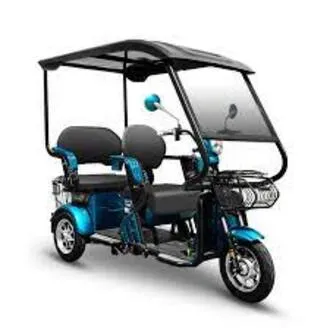
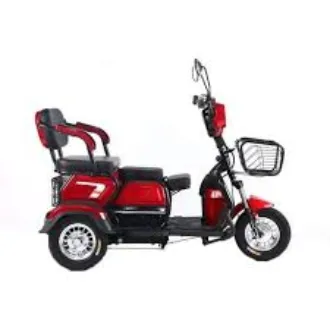
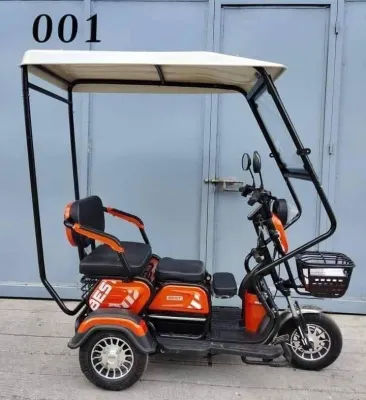
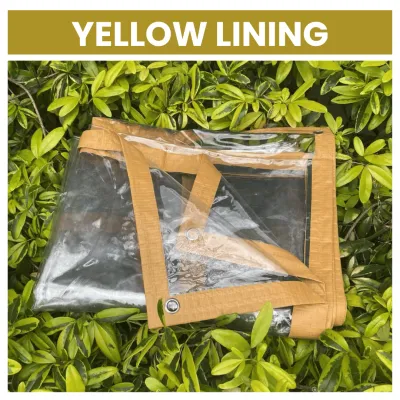
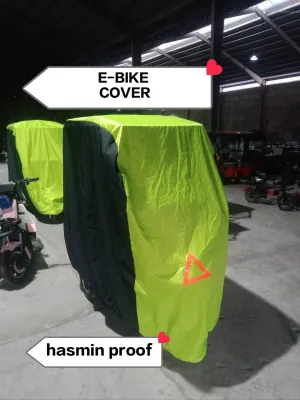
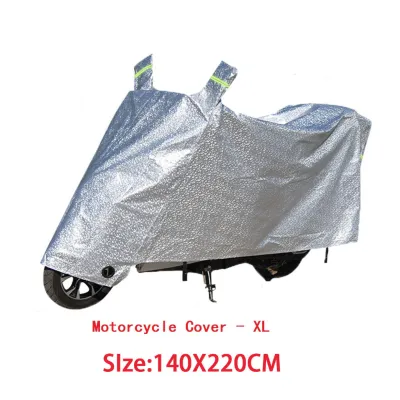
Prices are valid at publication and may change. Please refer to the product page for the latest price.
Finally, look for built-in securing features. Elasticized hems at the front and rear, along with adjustable under-belly straps, are essential to keep the cover anchored during sudden tropical storms. Without these features, even a heavy cover can easily act as a sail and blow away, leaving your e-bike completely unprotected.
Measuring Your 3-Wheel E-Bike for a Proper Fit
To find a cover that fits your 3-wheel e-bike like a glove, you must take precise physical measurements rather than relying on generic size labels like “medium” or “large.” Because e-bike designs vary wildly—ranging from compact passenger trikes to extended cargo models—manufacturers’ sizing charts can be misleading. Grab a flexible measuring tape and record the three primary dimensions of your vehicle.

First, measure the overall length from the outermost edge of the front tire to the furthest point at the rear, which might be the rear bumper, cargo basket, or passenger backrest. Next, determine the maximum width. For delta trikes, this is usually the distance between the outer edges of the two rear wheels, while for tadpole trikes or models with wide handlebars, the widest point might be at the front. Finally, measure the height from the ground to the highest point of the e-bike, which is typically the top of the handlebars, side mirrors, or a built-in canopy frame.
Standard two-wheel motorcycle covers are fundamentally unsuitable for three-wheel configurations. A two-wheel cover is designed with a narrow, tapered profile that hugs a single rear wheel. When forced onto a trike, the fabric stretches tightly over the wide rear axle, leaving the lower half of the rear wheels, the motor assembly, and the cargo bed completely exposed to rain and road grime. This tension also puts immense stress on the seams, leading to premature tearing.
When calculating your final measurements, always allow extra clearance for any aftermarket accessories you have installed. If your e-bike features a rear-mounted metal basket, a child seat, extended side mirrors, or an external battery pack, these additions will alter the overall profile. Add a few centimeters of tolerance to your measurements to ensure the cover can drape fully over these accessories without being pulled too taut, which could scratch the paint or damage delicate components.
Essential Weather-Resistant Features for Outdoor Parking
The Philippine climate presents a double threat of intense ultraviolet radiation and high humidity, making specific material features non-negotiable for outdoor storage. UV protection is vital because prolonged exposure to direct sunlight degrades plastic fairings, fades paint, and causes vinyl seats to crack and split. Look for covers treated with UV-reflective coatings, often characterized by a silver-colored outer layer or specialized chemical treatments within the fabric fibers. Additionally, integrated reflective strips are highly recommended to improve the e-bike’s visibility to passing traffic when parked on dark streets or in dim driveways.
Understanding the difference between water-resistant and fully waterproof materials is crucial for protecting your e-bike’s electrical system. While a fully waterproof plastic membrane might seem ideal, it can actually trap rising ground moisture and condensation inside. A high-quality water-resistant fabric repels heavy rain from the outside while remaining breathable. To prevent moisture buildup, the cover must feature dedicated air vents. These vents allow warm, humid air to escape, preventing condensation from settling on metal parts, which can lead to rapid rust, corrosion of electrical connectors, and mold growth on the seat.
The interior lining of the cover is just as important as the outer shell. Cheap, rough materials can act like sandpaper when wind causes the cover to rub against the e-bike. Opt for covers that feature a soft inner lining, such as brushed polyester or microfiber, particularly in areas that contact the digital display screen, side mirrors, and painted fairings. This soft barrier prevents micro-scratches that can cloud your instrument panel over time, ensuring your digital speedometer and battery indicators remain clear and readable.
Comparing Cover Styles for 3-Wheel Configurations
When shopping for a 3-wheel e-bike cover, you will generally encounter three primary styles, each offering distinct advantages and trade-offs depending on your daily usage patterns.
Full Enclosure Covers
A full-enclosure cover is the gold standard for long-term outdoor parking. This style drapes completely over the entire e-bike, from the handlebars down to the ground, fully enclosing the front wheel, handlebars, seat, rear axle, and cargo area. It provides maximum protection against heavy rain, dust, bird droppings, and direct sunlight. However, because it covers the entire vehicle, it requires highly precise sizing to accommodate the wide rear track or cargo bed without sagging onto the wet ground, where it can collect dirt and moisture.
Half Covers and Seat-Only Covers
Half covers, or partial covers, are designed to shield only the upper portion of the e-bike, primarily protecting the handlebars, digital display, and seat from sun damage. These are highly portable, lightweight, and quick to install, making them convenient for short stops during the day. However, they leave the lower half of the e-bike—including the motor, battery compartment, wheels, and brakes—completely exposed to rain, mud splashes, and road debris. They are not suitable for overnight or long-term outdoor parking in wet environments.
Custom-Fit versus Universal Trike Covers
Universal trike covers are widely available on online marketplaces and are generally more affordable. They are designed to fit a broad range of three-wheel vehicles, but this means they often have excess fabric in some areas and fit too tightly in others. Custom-fit covers, tailored specifically to your e-bike model’s exact dimensions, offer the best protection and wind resistance because they contour perfectly to the vehicle’s shape. While custom-fit options are harder to find and typically more expensive, they eliminate the risk of loose fabric flapping in the wind and causing paint wear.
Securing the Cover Against Wind and Theft
An unsecured cover is highly vulnerable to both severe weather and opportunistic theft. During the monsoon season, strong winds can easily get underneath a loose cover, turning it into a sail that can pull the e-bike over or blow the cover away entirely. To prevent this, ensure your chosen cover features a robust securing system. Elasticized hems at the front and rear help the cover snugly grip the undersides of the tires, while adjustable heavy-duty belly straps with quick-release buckles run underneath the frame to lock the cover in place.
Theft prevention is another critical consideration when parking outdoors. A high-quality cover can actually act as a deterrent by keeping your e-bike out of sight, but the cover itself can be a target for theft if not secured. Look for covers equipped with reinforced security grommets or lock holes near the front and rear wheels. These grommets allow you to pass a heavy-duty cable lock or U-lock through both the cover and the e-bike’s wheel or frame, anchoring both securely to an immovable object like a post or railing.
Before finalizing your purchase, inspect the quality of the straps, buckles, and grommets. Plastic buckles should be made of durable, impact-resistant polymer that won’t degrade under intense UV exposure. The grommets should be made of rust-resistant materials like brass or heavy-duty plastic, as cheap metal grommets will quickly rust when exposed to rain, potentially staining your e-bike or tearing the surrounding fabric.
Building Your Shortlist: Pre-Purchase Verification Checklist
To ensure you select a cover that truly protects your 3-wheel e-bike without relying on unverified marketing claims, use this practical verification checklist before making your purchase:
- Verify Physical Dimensions: Never rely solely on generic labels like "3-wheel e-bike cover." Compare your actual physical measurements (length, width, height) directly against the manufacturer's detailed sizing chart.
- Check for Sealed Seams: Water can easily seep through needle holes in the stitching. Look for product specifications that explicitly mention double-stitched seams with waterproof sealing tape applied to the inside.
- Evaluate Ventilation Design: Confirm the presence of built-in air vents or mesh panels that allow heat and moisture to escape while keeping rain out.
- Read User Reviews for Trike Fitment: Search customer reviews on ecommerce platforms specifically for keywords like "3-wheel," "trike," "ebike," or "wind." Look for feedback regarding how well the cover holds up against intense sun and heavy rain over several months.
- Review the Return Policy: Ensure the seller offers a clear return or exchange policy. If the universal fit does not properly accommodate your specific wheel track or aftermarket accessories, you will need the option to exchange it for a different size.
- Inspect the Lock Hole Material: Ensure the lock grommets are made of non-rusting materials or heavy-duty fabric loops that will not scratch your wheels or degrade in wet weather.
Frequently Asked Questions (FAQ)
Can I use a standard car cover for my 3-wheel e-bike?
Using a standard car cover on a 3-wheel e-bike is highly discouraged. Car covers are far too large, resulting in massive amounts of excess fabric that will drape onto the ground, collecting dirt, mud, and water. This loose material will catch the wind easily, causing the cover to flap violently, which can scratch your e-bike’s paint, damage delicate plastic fairings, or even tip the vehicle over. Furthermore, car covers lack the specific tie-down points, elasticized wheel hems, and lock grommets needed to secure a smaller three-wheel frame.
How do I prevent mold and condensation under the cover?
To prevent mold, mildew, and condensation, never put a cover over a wet or hot e-bike. Allow the motor, battery, and brakes to cool down completely, and wipe away any moisture or rainwater before covering it. Always choose a cover made of breathable fabric or one equipped with built-in air vents to facilitate air circulation. If you must park the e-bike for extended periods, periodically remove the cover on dry, sunny days to let the vehicle and the underside of the cover air out completely.
Will a cover protect my e-bike's battery from extreme heat?
While a high-quality cover with a UV-reflective coating will block direct sunlight and prevent the e-bike’s surfaces from absorbing radiant heat, it cannot actively cool the battery or lower the ambient air temperature. If the outdoor air temperature is high, the air trapped under the cover will remain warm. To protect your battery’s health and longevity, try to park your e-bike in a shaded area, under a canopy, or next to a building whenever possible, using the cover as an extra layer of protection against indirect heat and dust.
Community discussion
Share your experience or ask a question. Comments are reviewed before publication.