
Finding the right riding jacket for women in the Philippines requires balancing intense tropical heat with uncompromising safety. To stay cool and protected, look for a jacket that combines high-airflow mesh panels on the chest and back with robust, abrasion-resistant textile overlays on high-impact areas like the shoulders and elbows. This hybrid design, paired with CE-certified armor and a tailored women’s fit, ensures you remain comfortable during hot city commutes without sacrificing essential crash protection.
Choosing a Protective Riding Jacket for Women in the Tropics
The Philippine climate presents a unique set of challenges for motorcycle riders. With ambient temperatures frequently exceeding 30°C and relative humidity levels regularly climbing above 80%, the local heat index can quickly reach hazardous zones. Riding under these conditions requires gear that actively manages heat buildup rather than trapping it against your skin.
Riding in a heavy, non-breathable jacket under the tropical sun does more than cause physical discomfort. It accelerates dehydration, induces rapid fatigue, and increases the risk of heat exhaustion during long highway trips or slow-moving city commutes. When your body overheats, your reaction times slow down, and your focus on the road diminishes, creating a direct safety hazard.
Products mentioned in this guide
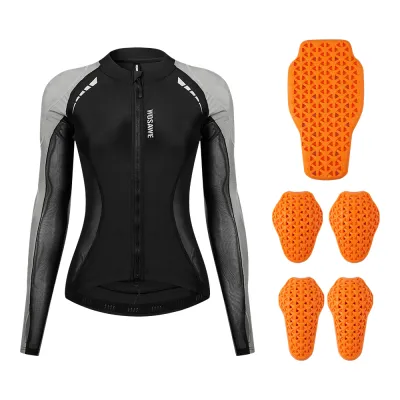
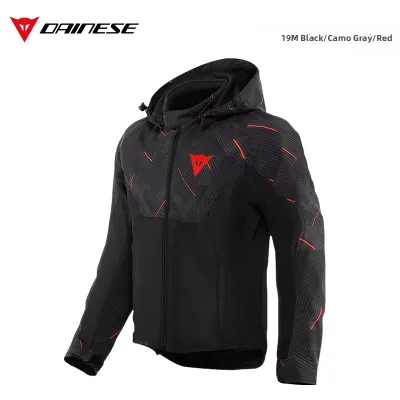
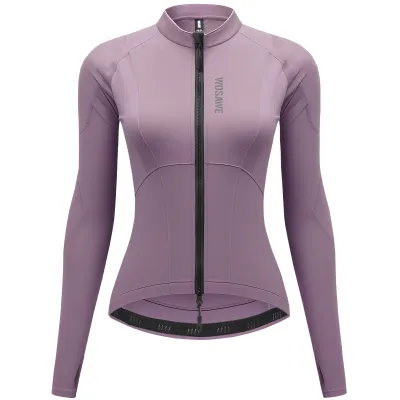
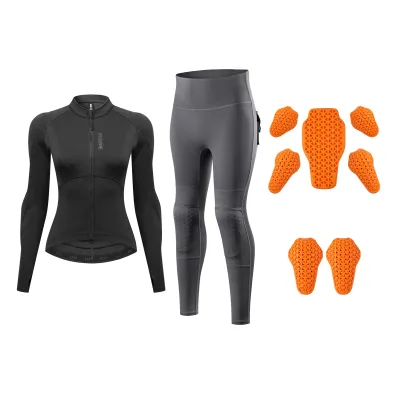
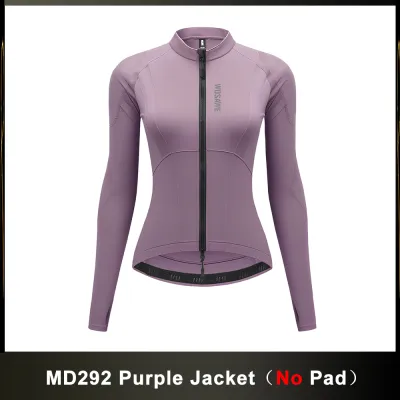
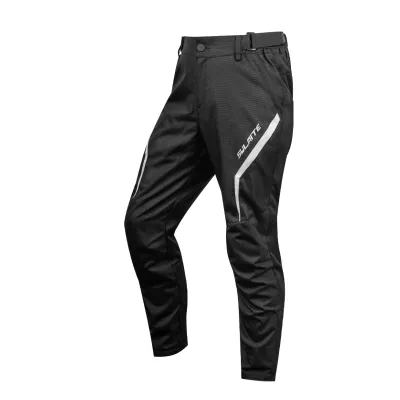
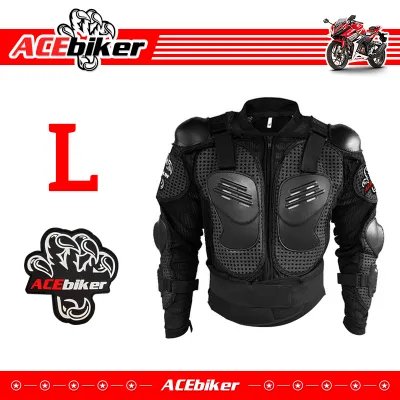
Prices are valid at publication and may change. Please refer to the product page for the latest price.
The temptation to ride in a simple t-shirt or a light windbreaker to beat the heat is strong, but this leaves you entirely unprotected against road rash and impact injuries. The core challenge of selecting tropical riding gear is finding a balance: maximizing continuous airflow to regulate your core body temperature while maintaining robust protection.
Many riders make the mistake of purchasing multi-season or four-season touring jackets, believing that removing the thermal liner will make them suitable for year-round use. However, these jackets are typically constructed with heavy, tightly woven materials designed to trap heat in colder climates. In the Philippines, they quickly become unusable, making a purpose-built tropical or summer mesh jacket an absolute necessity.
Materials and Construction for Maximum Airflow
Mesh Panels vs. Perforated Textiles
Mesh panels are the gold standard for hot-weather riding. These panels are woven with open gaps that allow wind to pass directly through the garment, cooling your skin through evaporation. For maximum effectiveness, look for jackets with large mesh panels positioned on the chest, along the inner arms, and across the entire back. This layout allows incoming wind to enter the front and push hot body heat out the back.

Perforated textiles offer an alternative or complementary design. Instead of an open mesh weave, these are standard textile sheets (such as high-denier polyester or leather) with tiny, laser-cut holes. Perforated panels provide slightly better structural durability and wind-blocking capability, making them ideal for high-speed highway riding where open mesh might let in too much turbulent air. However, for slow-moving city traffic in Manila, open mesh is far superior.
When evaluating these materials, inspect the quality of the mesh itself. Flimsy, soft mesh that feels like a window screen will offer virtually no protection in a slide. High-quality riding jackets use heavy-duty polyester mesh (often rated at 600D or higher) that feels stiff, robust, and highly resistant to tearing when you pull on it.
Strategic Ventilation Zippers
Active ventilation features are critical if you choose a jacket that is not fully mesh. Strategic intake and exhaust zippers allow you to customize the airflow depending on the weather. Intake vents are typically located on the chest or biceps, while exhaust vents sit on the upper back.
To ensure these zippers actually work, check if they open directly to the interior of the jacket or if they are blocked by solid inner linings. True ventilation zippers should create a direct pathway for air to flow over your body, creating a cooling cross-breeze. If the zipper only opens to a sealed waterproof layer, the cooling effect will be minimal.
Additionally, pay attention to the hardware. Zipper pulls should be fitted with long, tactile tabs or loops. This allows you to easily open or close the vents while riding, even when wearing thick leather riding gloves.
Maintaining Crash Protection Without Overheating
Evaluating Armor and Impact Protection
Cooling should never come at the expense of impact protection. A high-quality summer jacket must include CE-certified armor at the shoulders and elbows. Look for the CE Level 1 or Level 2 safety labels molded directly into the armor inserts. Level 2 armor offers higher impact absorption but is often slightly thicker and heavier than Level 1.
To prevent the armor from trapping heat against your joints, manufacturers have developed highly breathable, perforated armor technologies (such as D3O Ghost or SeeSmart). These inserts feature a web-like, open-cell structure that allows air to flow directly through the armor while remaining flexible and low-profile. This design minimizes bulk and keeps your joints cool during long rides.
Be aware that many summer jackets are sold with basic, non-rated foam pads in the back pocket. These foam inserts offer zero crash protection and act like solid insulation pads, trapping heat against your spine. It is highly recommended to replace these temporary pads with a proper CE-certified, breathable back protector insert that features ventilation channels.
Abrasion Resistance in Lightweight Fabrics
While mesh is excellent for airflow, thin mesh on its own has very low abrasion resistance. If you slide on asphalt, standard mesh can quickly melt or tear away. To prevent this, a safe riding jacket must feature a hybrid construction.
Look for reinforced panels made of high-density textiles (such as 600-denier polyester or nylon), Kevlar blends, or leather overlays stitched over the high-impact zones. These zones include the outer shoulders, the elbows, and the upper back. The mesh panels should only occupy low-impact areas like the chest and inner arms where sliding is less likely to occur.
To verify the overall safety of the garment, check for an official CE certification label under the European EN 17092 standard. This rating classifies motorcycle garments from Class A (lightweight, urban protection) to Class AAA (heavy-duty, track-level protection). For tropical daily commuting and highway riding, a Class A or Class AA jacket strikes the ideal balance between lightweight breathability and verified slide protection.
Why a Women-Specific Fit Matters in the Heat
A proper fit is not just about aesthetics; it is a critical safety and comfort factor, especially in hot weather. Unisex or men’s jackets are cut broader in the shoulders and straight through the torso. When a woman wears a poorly fitting jacket, the excess fabric can bunch up or flap violently at highway speeds. This constant movement increases rider fatigue and can actually block the ventilation panels from sitting flush against the body, preventing efficient airflow.
A dedicated riding jacket for women is tailored to fit the female anatomy, featuring narrower shoulders, a tapered waist, and proportional sleeve lengths. This tailored cut ensures that the protective armor inserts remain securely positioned over your elbows and shoulders rather than shifting out of place. If the armor shifts during a fall, it cannot protect you from impact.
Look for jackets equipped with multi-point adjustment straps. These are typically located at the waist, biceps, and forearms. These straps allow you to cinch the jacket tight, ensuring the armor stays locked against your joints while minimizing wind resistance. They also allow you to adjust the fit if you choose to wear a thin moisture-wicking base layer underneath.
Comfort features like accordion stretch panels and pre-curved sleeves are also highly beneficial. Stretch panels around the shoulders and waist allow for natural movement on the motorcycle, preventing the jacket from pulling tight or riding up. A jacket that rides up not only exposes your lower back to painful sunburn but also leaves your skin vulnerable to road rash in an accident.
Managing Sudden Rain and High Humidity
The Philippine weather is notoriously unpredictable. A bright, sunny morning commute can quickly turn into a torrential afternoon downpour, especially during the monsoon season. Managing this wet-and-dry cycle requires a strategic approach to your gear.
Many riding jackets come with waterproof membranes. These can be built directly into the outer shell or included as a removable inner liner. For tropical climates, built-in waterproof membranes are highly discouraged. They act like plastic wrap, blocking all incoming wind and trapping your sweat inside, creating a humid sauna effect. Instead, opt for a jacket with a removable waterproof liner. This allows you to ride with maximum airflow on dry days and zip the waterproof barrier in only when the rain starts.
If you do use a liner or a water-resistant jacket, pay close attention to the seals. Look for adjustable collar and cuff closures (such as Velcro straps) that can be tightened to prevent water from running down your neck or up your sleeves. Storm flaps with snap buttons over the main zipper are also essential to block water from seeping through the zipper teeth.
Alternatively, many experienced riders in the Philippines prefer to use a completely mesh jacket and carry a separate, lightweight, packable external raincoat. When a sudden downpour hits, you simply pull the raincoat over your mesh jacket. This method keeps your riding jacket clean and dry, and once the rain stops, you can pack the raincoat away to instantly regain 100% of your jacket’s cooling airflow.
Jacket Care and Maintenance in Humid Climates
High humidity and heavy sweating create the perfect breeding ground for bacteria, mold, and mildew. Proper maintenance is essential to keep your riding jacket clean, odor-free, and structurally sound.
After a long, sweaty ride or an unexpected encounter with the rain, never leave your wet jacket crumpled up in a top box or a dark closet. First, remove all armor inserts and any removable liners. Hang the jacket on a wide, heavy-duty hanger in a shaded, well-ventilated indoor area to air dry completely.
Avoid the temptation to hang your jacket in direct sunlight to speed up the drying process. Prolonged exposure to intense ultraviolet (UV) rays can degrade the synthetic nylon or polyester fibers, weaken the stitching, and fade the high-visibility colors or reflective safety elements.
When it is time to wash the jacket, always check the manufacturer’s care label first for specific washing instructions. Most textile and mesh jackets can be hand-washed or machine-washed on a gentle cycle using cold water and a mild liquid detergent. Never use fabric softeners, bleach, or harsh chemical cleaners, as these can damage the protective coatings and synthetic fibers. Once clean and completely dry, store your jacket in a dry, breathable garment bag rather than a plastic cover to prevent moisture buildup.
Frequently Asked Questions (FAQ)
Is a mesh riding jacket safe enough for highway speeds?
Yes, a high-quality mesh riding jacket is safe for highway speeds, provided it is constructed correctly. Look for a jacket that features robust, abrasion-resistant textile panels (such as 600D polyester) on the shoulders and elbows, paired with CE-certified Level 1 or Level 2 armor. The mesh panels should only be located in low-impact areas. Ensure the overall garment carries an official CE safety rating (Class A or AA) to guarantee its structural integrity during a slide.
Should I size up to allow for better airflow?
No, you should not size up. A riding jacket must fit snugly to ensure that the protective shoulder and elbow armor remains locked in the correct position during a crash. If the jacket is too loose, the armor can easily shift away from your joints upon impact, leaving you unprotected. A loose jacket will also flap excessively at high speeds, causing rider fatigue and reducing the efficiency of the ventilation panels.
How do I clean my riding jacket after sweating in it?
To clean your jacket, first remove all armor inserts and detachable liners. Close all zippers and Velcro straps to prevent them from snagging. Hand-wash or machine-wash the jacket on a gentle cycle using cold water and a mild detergent, strictly following the manufacturer’s care label. Allow the jacket to air dry completely in a shaded, well-ventilated area before reinserting the armor or storing it.
Community discussion
Share your experience or ask a question. Comments are reviewed before publication.