
Navigating the daily commute on an electric vehicle (e-bike) during the wet season in the Philippines presents unique challenges. Sudden tropical downpours, high humidity, and gusty winds can quickly turn a routine trip into an uncomfortable and potentially hazardous journey. To stay dry and maintain control, finding the right ebike windshield cover is essential. The most effective cover for these conditions is not a universal solution; rather, it is a durable, securely mounted accessory designed to handle heavy rainfall and strong winds while preserving clear visibility and full steering control.
When choosing a cover, riders must prioritize materials that resist water penetration, designs that channel rain away from the rider and sensitive electrical consoles, and mounting systems that prevent the cover from acting like a sail in crosswinds. Because e-bikes vary significantly in frame geometry, handlebar layouts, and speed capabilities, selecting a cover requires careful evaluation of compatibility, material specifications, and safety features. This guide outlines the critical factors to consider when selecting and maintaining an ebike windshield cover to ensure a safer, drier commute during the wet season.
Why Tropical Weather Demands Specific Windshield Covers
The wet season in the Philippines, characterized by the southwest monsoon (habagat) and frequent tropical depressions, brings intense rainfall and unpredictable wind patterns. For e-bike riders, these conditions pose distinct operational challenges. Standard or lightweight plastic covers often fail under these pressures. When subjected to heavy downpours, low-quality materials can quickly saturate, leak, or sag, pooling water directly onto the rider’s lap or the vehicle’s electronic dashboard.
Products mentioned in this guide
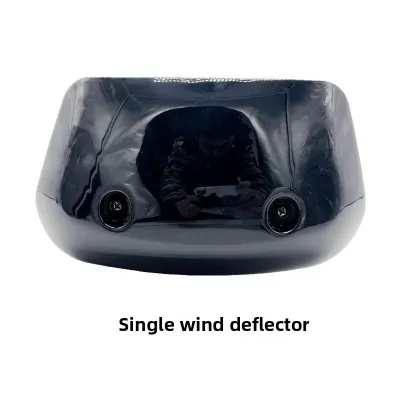
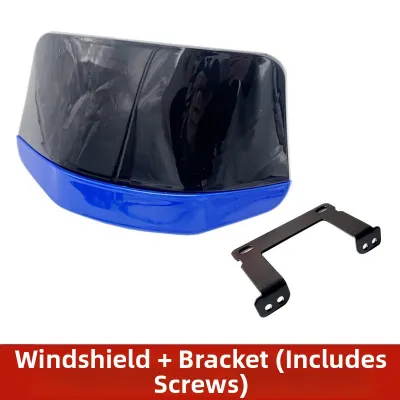
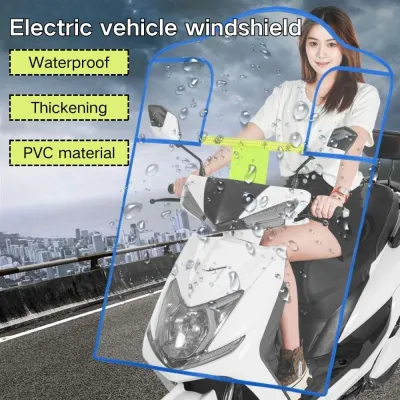
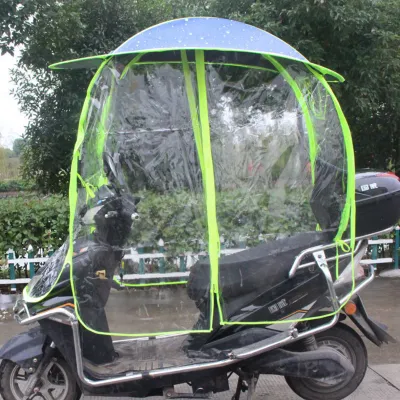
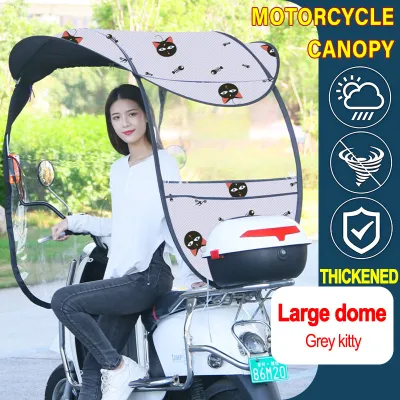
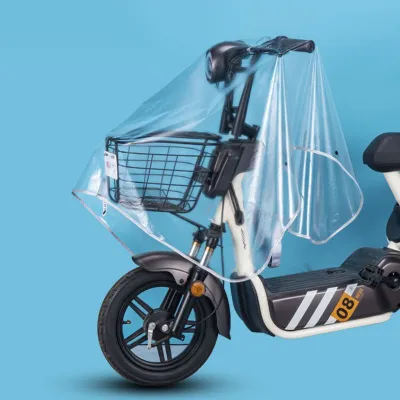
Prices are valid at publication and may change. Please refer to the product page for the latest price.
Furthermore, wind force is a critical factor in e-bike stability. Because e-bikes are generally lighter than traditional gas-powered motorcycles, they are highly susceptible to aerodynamic disturbances. A poorly designed or loosely fitted windshield cover can catch the wind, creating a sail effect that pulls the vehicle sideways during sudden crosswinds. This flapping not only distracts the rider but can also destabilize the steering, making it difficult to maintain a straight path on wet, slippery roads.
To counter these forces, a windshield cover must feature an aerodynamic profile that allows wind to flow smoothly around the vehicle. It must also have a robust water runoff design, ensuring that heavy rain is immediately directed downward and outward, away from the rider’s body and the e-bike’s electrical components. Investing in a cover specifically engineered for high-wind and high-moisture environments is crucial for maintaining vehicle control and rider comfort during stormy commutes.
Essential Features for Rain and Wind Protection
When evaluating an ebike windshield cover, the physical design and structural integrity are your primary lines of defense against the elements. The cover must provide adequate coverage area and height to shield the rider’s torso and legs from driving rain. However, this coverage must not come at the expense of physical control. The design must allow complete, unobstructed movement of the handlebars, brake levers, and throttle. If the cover restricts your steering angle even slightly, it poses an immediate safety hazard.

To withstand the physical force of the wind, look for covers equipped with reinforced mounting points and heavy-duty straps. Some models feature rigid or semi-rigid internal frames made of lightweight fiberglass or aluminum. These frames help the cover maintain its shape under wind pressure, preventing it from collapsing inward or flapping violently against the rider. If the cover relies solely on straps, ensure they are adjustable, made of high-tensile nylon, and feature secure buckles that will not slip when wet.
Water management is another essential design element. The cover should feature an angled slope or a curved canopy that utilizes the forward motion of the e-bike to shed water quickly. Look for designs with integrated water-channeling grooves or extended side flaps that direct runoff away from the handlebar console. Protecting the digital display, throttle connection, and ignition switch from direct water exposure is vital, as moisture intrusion can lead to electrical short circuits or premature component failure.
Evaluating Materials and Visibility Standards
The durability of an ebike windshield cover depends heavily on its material composition. When browsing options on local online marketplaces or in specialty shops, always check the product specifications for water-resistant or waterproof ratings. High-density fabrics, such as 150D to 600D Oxford cloth with a polyurethane (PU) or polyvinyl chloride (PVC) inner coating, offer excellent water resistance and durability. While budgeting around ₱500 to ₱2,500 for a quality cover is common, focus on the material specifications rather than price alone. Additionally, verify that the cover features double-stitched, heat-sealed, or taped seams. Unsealed seams are common failure points where water can slowly seep through during prolonged exposure to heavy rain.
Visibility is paramount when riding in low-light, rainy conditions. The transparent section of the windshield cover must be made of high-grade, optically clear material, such as polished PVC or TPU (thermoplastic polyurethane). Avoid thin, cheap plastics that distort your view or scratch easily, as scratches will scatter light from oncoming headlights, severely limiting your vision at night. Check if the manufacturer specifies any anti-fog or anti-glare treatments. In the humid tropical climate of the Philippines, temperature differences between the inside and outside of the cover can quickly cause condensation to form on the viewing window.
Finally, do not overlook UV resistance. Although the cover is primarily used during the rainy season, the tropical sun in the Philippines can be intense between downpours. Prolonged exposure to ultraviolet rays can cause non-UV-treated plastics to become yellow, cloudy, and brittle over time. A UV-resistant coating ensures the transparent window remains clear and the fabric retains its tensile strength over multiple seasons, protecting your investment from premature degradation.
Fitment, Installation, and Safety Checks
Before purchasing any ebike windshield cover, you must verify its compatibility with your specific vehicle. E-bikes in the Philippines come in various configurations, including two-wheel scooters, three-wheel utility models, and light passenger vehicles. A cover designed for a compact two-wheeler will not fit a larger three-wheel model, and vice versa. Carefully measure your e-bike’s height, handlebar width, and mirror placement, and cross-reference these dimensions with the manufacturer’s fitment guide.
Once you have selected a compatible cover, proper installation is critical. Always refer to the manufacturer’s installation instructions to ensure all mounting brackets, straps, and hooks are secured to designated structural points on the e-bike frame or handlebar assembly. After installation, perform a comprehensive pre-ride safety check. Sit on the e-bike and turn the handlebars fully from lock to lock. Ensure the cover does not pinch or pull any electrical wiring, brake cables, or throttle lines. Verify that your hands have quick, unobstructed access to the brake levers, horn, turn signals, and physical mirrors.
It is also vital to establish clear safety boundaries. Windshield covers are designed to mitigate discomfort during light to moderate rain and manageable wind conditions. They are not safety devices intended to withstand extreme weather. If local weather advisories warn of high winds, tropical storms, or typhoons, do not attempt to ride with the cover attached. The increased surface area of the cover significantly amplifies the wind’s impact on your steering, which can easily lead to a loss of balance or a collision. In such conditions, it is safest to remove the cover and seek alternative transportation.
Wet Season Maintenance and Storage
Proper maintenance is essential to prolong the lifespan of your ebike windshield cover and preserve its protective qualities. After riding through a heavy downpour, the cover will likely be coated with road grime, oil residue, and dirt. Clean the cover regularly using only mild soap, lukewarm water, and a soft microfiber cloth. Avoid using harsh chemical detergents, abrasive scrubbers, or alcohol-based cleaners, as these can strip away waterproof coatings, scratch the transparent window, or cause the plastic to cloud permanently.
After cleaning, or after any wet ride, allow the cover to dry completely before folding or storing it. Hang the cover in a well-ventilated, shaded area out of direct sunlight. Folding and storing a damp cover traps moisture, creating an ideal environment for mold, mildew, and unpleasant odors to develop. Mold can permanently stain the fabric and degrade the clear viewing window, rendering the cover unusable.
When the rainy season ends or when the cover is not in use for extended periods, store it properly to prevent physical damage. Fold the cover gently, avoiding sharp creases in the transparent window section, as permanent creases can distort your view during future use. Store the folded cover in a cool, dry place away from direct heat sources, sharp tools, or heavy items that could puncture the fabric or crush the frame. Taking these simple care steps ensures your cover remains in optimal condition, ready for the next wet season.
Frequently Asked Questions (FAQ)
Can I use a standard motorcycle windshield cover on my e-bike?
While some universal covers claim to fit both motorcycles and e-bikes, it is generally not recommended to use a standard motorcycle cover without verifying dimensions. E-bikes often feature different handlebar widths, unique digital dashboard layouts, and lighter frame geometries compared to traditional gas-powered motorcycles. A cover designed for a heavier motorcycle may be too bulky, heavy, or loose for an e-bike, leading to excessive flapping or interference with the controls. Always consult the manufacturer’s specific compatibility list and measure your e-bike’s dimensions before making a purchase.
How do I prevent the windshield cover from fogging up in heavy rain?
Fogging occurs when warm, humid air inside the cover condenses against the cooler, rain-chilled transparent window. To prevent this, look for covers that feature built-in ventilation flaps or mesh panels that promote airflow without letting rain inside. If your cover lacks these features, you can apply a manufacturer-approved anti-fog spray or wipe designed specifically for PVC or TPU plastics. Apply the treatment using a clean, soft microfiber cloth, following the product instructions carefully. Avoid using household glass cleaners or abrasive materials, which can damage the plastic’s surface.
Is it safe to ride an e-bike with a windshield cover during strong typhoons?
No, it is highly unsafe to ride an e-bike with a windshield cover during a typhoon or severe tropical storm. Windshield covers significantly increase the surface area of your vehicle, making it highly vulnerable to strong wind gusts. In high-wind conditions, the cover acts like a sail, which can easily destabilize your steering, push you into oncoming traffic, or cause you to lose balance and fall. During severe weather warnings, prioritize your personal safety: remove the windshield cover, park your e-bike securely, and avoid riding until the storm has passed and road conditions are safe.
Community discussion
Share your experience or ask a question. Comments are reviewed before publication.