
Choosing an EVO motorcycle jacket for tropical riding requires balancing impact protection with continuous airflow. In the Philippines, where high humidity and intense heat are daily realities, a riding jacket must keep you cool to prevent heat fatigue while remaining structurally sound to protect you in a slide. The key is selecting a jacket with certified armor inserts, strategic mesh panels, and adjustable ventilation that matches your specific riding environment.
The Core Trade-Off: Protection Versus Airflow
A motorcycle jacket serves as your primary shield against road rash and impact injuries. The baseline expectation is that the garment will hold its structural integrity during a slide, keeping the protective armor firmly positioned over your joints. However, wearing a heavy, non-breathable jacket in tropical climates can quickly lead to overheating, which degrades your concentration and reaction times.
High humidity prevents sweat from evaporating efficiently, which is the body’s natural cooling mechanism. When a rider becomes overheated, physical fatigue sets in rapidly, making active safety—your ability to avoid an accident—just as critical as passive safety.
Products mentioned in this guide
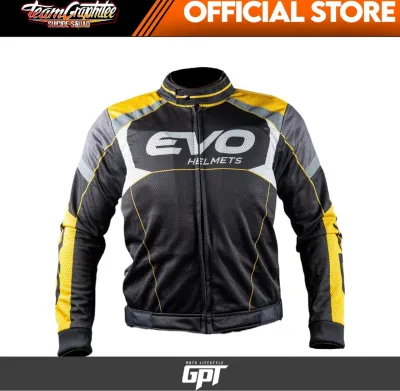
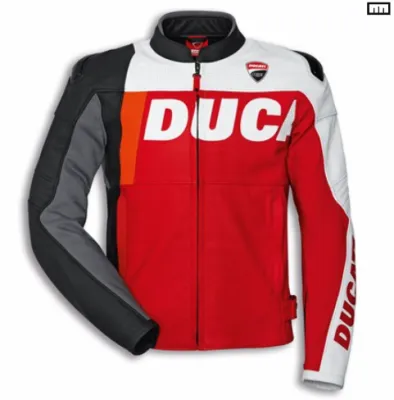
Prices are valid at publication and may change. Please refer to the product page for the latest price.
To navigate this trade-off, look for a design that uses high-abrasion textiles in high-impact zones while incorporating high-airflow mesh panels in low-impact zones. This hybrid approach ensures you do not sacrifice structural safety for ventilation, especially if your daily commute involves high-speed highway stretches where slide protection is paramount.
Verifying Armor and Abrasion Resistance Standards
To ensure your jacket offers genuine protection, you must verify its safety certifications rather than relying on aesthetic appeal. Look inside the jacket for the internal tags, which typically contain information about the impact protectors. Certified armor inserts for the shoulders, elbows, and back should display standard markings, such as the CE (Conformité Européenne) mark, specifically EN 1621-1 for limbs and EN 1621-2 for back protectors. These labels indicate that the armor has undergone standardized testing to measure how much impact force it absorbs.

Beyond the armor inserts, the outer shell itself should have an abrasion resistance rating. Under European standards, riding garments are classified from Class C up to Class AAA. For daily tropical commuting and mixed highway riding, a Class A or Class AA textile jacket is generally sought after, as these classes offer a practical balance of slide protection and material flexibility.
Examine the material descriptions provided by the manufacturer. Heavy-duty textiles, such as 600D polyester or specialized nylon weaves, offer robust resistance against tearing and friction but restrict airflow. Lightweight mesh panels, while highly breathable, have lower structural limits during a high-speed slide. If your typical route consists of slow-moving city traffic, a jacket with larger mesh sections is highly beneficial; however, if you frequently travel on expressways, prioritize a jacket with reinforced textile panels along the outer arms and back.
Assessing Ventilation Features and Material Construction
Effective ventilation depends on both intake and exhaust. When evaluating an EVO jacket, inspect the placement and size of the ventilation ports. Intake vents on the chest, shoulders, or forearms allow cool air to enter as you move forward. Equally important are the exhaust vents on the back of the jacket, which allow trapped body heat and high-pressure air to escape, preventing the jacket from ballooning at speed.
Consider how these vents align with your natural riding posture. If you ride a sportbike with a forward lean, chest and underarm vents will catch the wind differently than if you ride an upright scooter or adventure motorcycle. Look for adjustable zippered vents or fold-back panels that let you customize the airflow based on the day’s temperature and your speed.
The inner lining of the jacket plays a critical role in managing moisture. A high-quality mesh or moisture-wicking inner liner prevents the outer shell from sticking to your skin when you sweat. Quick-drying fabrics help pull moisture away from your body, facilitating evaporative cooling even in humid conditions. Avoid solid nylon linings that trap sweat and cause rapid discomfort.
Many riding jackets come equipped with removable liners, such as a thermal layer or a windproof/waterproof membrane. For tropical riding, a removable waterproof liner is highly versatile. During sudden afternoon downpours, you can zip the liner in to stay dry, and once the rain passes, you can remove it to restore maximum breathability. Ensure that the base layer of the jacket remains fully ventilated when these liners are removed.
Ensuring Proper Fit and Ergonomics for Humid Conditions
A jacket cannot protect you if the armor shifts away from your joints during a fall. When trying on a jacket, always assume a simulated riding position—either by sitting on your motorcycle or mimicking the reach to your handlebars. Verify that the sleeves are long enough to cover your wrists and that the torso does not ride up excessively, exposing your lower back.
Look for adjustment points at the cuffs, waist, and biceps. These straps, snaps, or hook-and-loop fasteners serve two purposes: they secure the elbow and shoulder armor tightly against your body to prevent shifting, and they allow you to loosen or tighten the fit to manage air circulation. In hot weather, leaving a slight clearance around the waist or cuffs can encourage air to flow through the jacket, provided the armor remains securely locked in place.
Pay close attention to the collar construction. Sweat combined with constant head movement can cause severe chafing if the collar material is rough or stiff. Look for collars lined with soft microfiber, neoprene, or padded mesh, and check that the closure mechanism (such as a snap or adjustable strap) can be secured loosely to allow heat to escape from your neck area without flapping in the wind.
Reading Care Labels for Humid Climate Maintenance
The combination of sweat, road grime, and high humidity creates an ideal environment for mold, mildew, and bacteria. To preserve the lifespan and protective qualities of your jacket, always locate and read the manufacturer’s care label, usually stitched into an inner seam. Before cleaning, always remove all impact armor inserts from their pockets, as washing machines or harsh detergents can degrade the protective foam or polymers.
Wash the textile shell according to the manufacturer’s instructions, which typically recommend a gentle hand wash or a delicate machine cycle using cold water and a mild liquid detergent. Avoid fabric softeners, bleach, or strong chemical solvents, as these can strip away water-repellent coatings, damage reflective piping, and weaken the synthetic fibers of the outer shell. Use a soft brush to gently scrub away stubborn road grime, sunscreen residues, and sweat stains around the collar and cuffs.
Drying the jacket properly is essential to prevent mold growth. Hang the jacket on a heavy-duty, wide hanger in a well-ventilated, shaded indoor area. Never expose the jacket to direct, intense sunlight for extended periods, as ultraviolet rays can degrade synthetic fabrics and fade colors over time. Ensure the jacket is completely dry—including the inner pockets and lining—before reinserting the armor and storing it in a cool, dry closet.
Frequently Asked Questions (FAQ)
Can I wear a standard mesh jacket for highway riding in the tropics?
Whether a standard mesh jacket is suitable for highway riding depends on its specific material composition and safety ratings. You should check the manufacturer’s specifications to verify the abrasion resistance of the fabric used in high-impact zones. While mesh panels provide excellent cooling at highway speeds, they may not offer the same slide protection as heavy-duty textiles or leather. For frequent highway travel, look for a hybrid jacket that combines high-density textile reinforcements on the shoulders and elbows with mesh panels on the chest and back.
How do I know if the armor inserts are still safe after heavy sweating?
Constant exposure to body heat, sweat, and humidity can eventually degrade the materials used in impact protectors. You should regularly inspect your armor inserts by removing them from the jacket and performing a visual and tactile check. Look for signs of physical degradation, such as cracking, crumbling, extreme stiffness, peeling, or permanent deformation where the armor fails to return to its original shape. If the inserts feel brittle or show visible damage, they should be replaced immediately. Always consult the manufacturer’s guidelines or replacement schedule to ensure your impact protectors remain fully functional.
Community discussion
Share your experience or ask a question. Comments are reviewed before publication.