
Riding a Yamaha NMax V2 in the Philippines presents a unique set of challenges, from navigating the dense, stop-and-go traffic of Metro Manila to cruising along the scenic, wind-swept highways of neighboring provinces. In these diverse riding environments, the stock windshield often falls short of providing adequate protection against the elements. Upgrading to an aftermarket NMax visor windshield V2 is one of the most practical modifications you can make, offering a shield against sudden tropical downpours, flying road debris, and exhausting wind blast. However, the market is flooded with countless options, making it easy to end up with a poorly fitting or low-quality accessory that compromises your safety and riding comfort.
To make a successful purchase, you must evaluate several critical factors beyond mere aesthetics. Ensuring precise model compatibility, choosing the right material for durability and optical clarity, selecting an aerodynamic profile that matches your height, and verifying the quality of the mounting hardware are all essential steps. By taking a systematic approach to these criteria, you can find a windshield that enhances both the functionality and the visual appeal of your maxi-scooter.
Verify Model Compatibility and Mounting Points
The Yamaha NMax has undergone significant design evolutions since its initial release, making precise model identification the first and most crucial step in your buying journey. The NMax V1 (produced from 2015 to 2019) and the NMax V2 (introduced around 2020/2021) feature entirely different front fairing shapes, headlight designs, and mounting configurations. A windshield designed for a V1 model will not align with the mounting points of a V2, and attempting to force a fit will inevitably damage your motorcycle’s bodywork. Even within the V2 lineup, including the standard, ABS, and Connected variants, you must ensure that the accessory is explicitly labeled for your specific model year.
Products mentioned in this guide
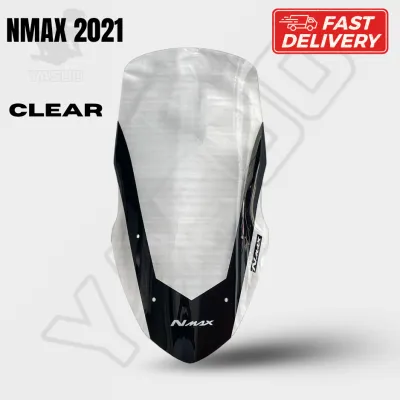
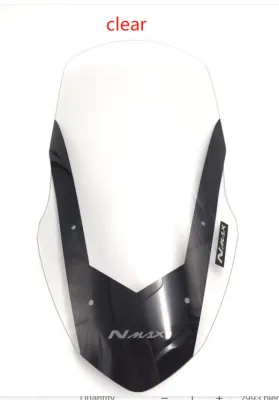
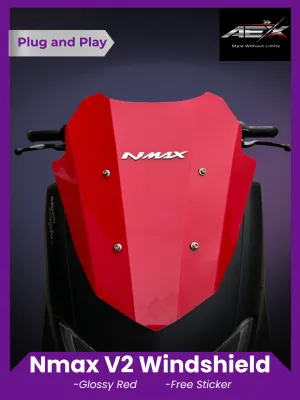
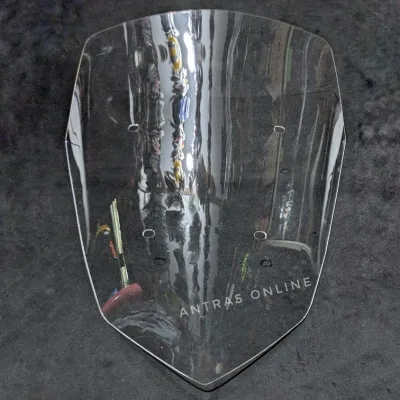
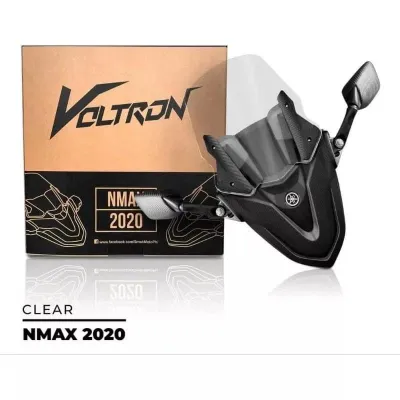
Prices are valid at publication and may change. Please refer to the product page for the latest price.
Before purchasing, always consult the manufacturer’s fitment charts and verify the part numbers against your motorcycle’s registration documents. High-quality aftermarket brands provide detailed compatibility lists that specify the exact model years and trim levels their products support. Avoid generic listings that claim a single windshield fits all NMax generations, as these universal options often require unsightly adapter brackets or permanent modifications to your fairings.
The physical mounting points on the NMax V2 front panel are engineered to accept specific bolt patterns and spacing. A properly designed aftermarket windshield will feature pre-drilled holes that align perfectly with these factory locations. If you find yourself having to pull, bend, or stress the windshield material to get the bolts to line up, stop immediately. Forcing a mismatched windshield into place creates severe internal tension within the plastic, which will quickly lead to stress cracks around the mounting holes when subjected to engine vibrations and road bumps.
Additionally, a complete windshield kit should include model-specific rubber grommets, spacers, or dampening collars. These components play a vital role in isolating the rigid windshield from the softer plastic fairings of your scooter. They absorb the constant vibrations of the 155cc engine and prevent direct plastic-to-plastic friction, which can cause annoying squeaks and wear away the paint on your fairings. Always verify that these dampening accessories are included in the package or can be transferred safely from your stock setup.
Evaluate Material Quality and Optical Clarity
The material composition of your aftermarket windshield determines how well it will withstand daily exposure to harsh sunlight, heavy rain, and road debris. The two primary materials used in the manufacturing of motorcycle visors are polycarbonate and acrylic (often referred to as PMMA). Understanding the trade-offs between these two plastics is essential for making an informed decision that balances safety, durability, and budget.

Polycarbonate is widely regarded as a highly durable choice for motorcycle windshields due to its exceptional impact resistance. It is virtually shatterproof, meaning it can absorb the impact of flying gravel, large insects, or road debris at highway speeds without cracking. In the event of an accident, a polycarbonate windshield is much safer because it tends to bend or deform rather than break into sharp, dangerous shards. However, raw polycarbonate is relatively soft and prone to scratching, so you should look for options that feature a hard-coated, scratch-resistant treatment to maintain long-term clarity.
Acrylic, on the other hand, is a more budget-friendly material that offers excellent natural scratch resistance and superior optical clarity. It does not require specialized hard coatings to resist minor abrasions from cleaning or dust. Acrylic also retains its transparency exceptionally well over time, resisting the yellowing effects of prolonged sun exposure. The main disadvantage of acrylic is its brittleness; a high-velocity impact from a stone can cause it to crack or shatter completely. If you opt for an acrylic windshield, ensure it has a thickness of at least 3mm to 4mm to provide sufficient structural strength against wind pressure.
In the tropical climate of the Philippines, intense ultraviolet (UV) radiation is a constant threat to plastic accessories. Low-quality, unbranded windshields often lack proper UV inhibitors, causing them to become yellow, cloudy, and brittle within a few months of outdoor parking. When shopping, look for products that explicitly state they have UV-resistant properties. This helps ensure the material remains flexible and clear, preserving both the look of your scooter and your safety on the road.
Optical clarity is another critical safety factor that must not be overlooked. A poorly manufactured windshield can have subtle variations in thickness or improper curvature, creating a lens effect that distorts your view of the road. This distortion can be highly distracting and dangerous, particularly during night riding or when navigating wet roads during a heavy downpour. Inspect the product descriptions for optical quality guarantees, and read customer reviews to see if other riders have experienced visual distortion or warping when looking through the screen.
Select the Right Height and Aerodynamic Profile
Choosing the correct height and aerodynamic profile for your NMax V2 windshield is a balancing act between wind protection, riding comfort, and visual safety. Aftermarket windshields come in a wide range of sizes, from short, aggressive sport visors to tall, wide touring screens. The ideal choice depends on your physical height, your typical riding speeds, and whether you prioritize city commuting or long-distance touring.
Short, sporty visors are popular for their sleek, aggressive appearance that complements the sporty lines of the NMax V2. These compact screens are excellent for daily city commuting in hot, humid weather, as they allow plenty of cooling airflow to reach your helmet and upper body. However, they offer minimal protection against wind blast and rain, which can lead to increased rider fatigue during long highway trips.
Tall touring windshields are designed to redirect the oncoming airflow completely over and around the rider’s head and shoulders. This creates a calm, quiet pocket of air in the cockpit, significantly reducing wind pressure on your chest and minimizing helmet noise. While this is highly beneficial for long-distance touring, a very tall windshield can act like a sail, making the motorcycle more sensitive to strong crosswinds and slightly reducing fuel efficiency. It can also create a low-pressure zone behind the screen, resulting in helmet buffeting if the aerodynamic curve is not properly engineered.
To find the optimal height, you must consider your line of sight while seated in your normal riding posture. For maximum safety, you should be able to look over the top edge of the windshield rather than through it. Looking through a windshield can be hazardous when the screen is covered in raindrops, road grime, or dust, especially at night when oncoming headlights can cause severe glare. A good rule of thumb is to choose a windshield height where the top edge aligns with your nose or chin level when sitting upright.
The aerodynamic shape of the windshield also plays a crucial role in managing airflow. Many high-quality windshields feature a recurve or flipped upper edge. This subtle upward curve helps to kick the airflow higher than the physical height of the windshield itself, providing the wind protection of a taller screen without obstructing your forward vision. Pay attention to these design details when comparing different profiles to find one that matches your riding style.
Inspect Hardware, Installation Requirements, and Warranty
A high-quality windshield is only as reliable as the hardware that secures it to your motorcycle. The constant vibrations from the NMax’s single-cylinder engine, combined with the rough road surfaces and potholes common in many parts of the Philippines, place significant stress on the mounting system. Therefore, inspecting the quality of the installation hardware is just as important as evaluating the windshield itself.
Ensure that the windshield kit includes high-grade, corrosion-resistant hardware, preferably made from stainless steel. Standard steel bolts will quickly rust when exposed to high humidity and frequent rain, leading to unsightly rust stains on your fairings and making future removal difficult. The kit should also feature high-quality rubber well nuts. These well nuts expand inside the fairing mounting holes when the bolts are tightened, creating a secure, vibration-dampening friction fit that prevents the bolts from backing out over time.
Before attempting to install the windshield, review your original vehicle documentation and the accessory manufacturer’s instructions. While replacing a windshield is generally a straightforward task, it requires a gentle touch to avoid damaging the delicate plastic threads of the motorcycle’s inner fairings. If the installation process seems complex, or if the kit requires the installation of heavy auxiliary brackets, it is highly recommended to seek the assistance of a qualified motorcycle mechanic. Using a torque wrench to tighten the bolts to the manufacturer’s specified limits will prevent over-tightening, which can easily crack the windshield or strip the fairing threads.
Finally, consider the warranty and post-purchase support offered by the seller or manufacturer. Reputable brands often provide a warranty against manufacturing defects, such as pre-existing cracks, bubbles in the plastic, or misaligned mounting holes. A clear return policy is also essential, allowing you to return or exchange the product if you discover a fitment issue during a dry test-fit. Be sure to keep the protective plastic film on the windshield until you are completely satisfied with the fitment, as many sellers will not accept returns once the film has been removed.
Navigate Purchasing Channels and Authenticity Checks
With the popularity of the Yamaha NMax V2, the market is flooded with both genuine aftermarket accessories and low-quality counterfeits. Navigating these purchasing channels requires a cautious approach to ensure you get a safe, durable product that is worth your hard-earned money.
Purchasing from authorized local dealerships or established physical motorcycle accessory shops is always the safest option. These retailers source their products directly from reputable manufacturers, ensuring authenticity and providing reliable customer service. Visiting a physical store also allows you to inspect the material quality, thickness, and optical clarity of the windshield in person before making a purchase. Many local shops also offer professional installation services, giving you peace of mind that the job is done correctly.
If you prefer the convenience of shopping on online marketplaces or ecommerce platforms, you must exercise extra diligence to avoid counterfeit goods. Look for official brand stores or highly rated sellers with a long history of positive feedback. Be extremely wary of listings that offer well-known brand names at unusually low prices. These are often cheap imitations made from brittle, low-grade plastics that lack UV protection and can shatter dangerously upon impact.
When browsing online listings, pay close attention to the product photos and descriptions. Red flags include blurry or watermarked images, misspelled brand names, and a lack of detailed specifications regarding material type, thickness, and compatibility. Take the time to read through the customer reviews, focusing on feedback that mentions the accuracy of the mounting holes, the quality of the packaging during shipping, and how well the windshield has held up over several months of use. If multiple buyers report that the windshield arrived cracked or did not fit their NMax V2 properly, it is best to look for a different seller.
Frequently Asked Questions (FAQ)
Can I install an NMax V2 windshield by myself, or do I need a mechanic?
Yes, installing an aftermarket windshield on your NMax V2 is a task that many riders can successfully complete at home with basic hand tools. Most standard kits require only simple tools such as Allen keys, a socket wrench, and a screwdriver. The key to a successful DIY installation is patience and a gentle touch. Always follow the manufacturer’s instructions step-by-step, and be careful not to over-tighten the mounting bolts, as this can easily strip the plastic threads in your motorcycle’s fairing or crack the new windshield. If the installation requires removing major front fairing panels, installing complex auxiliary brackets, or if you feel unsure about the process, it is always safest to have the work done by a qualified motorcycle mechanic to ensure your road safety.
How do I clean and maintain the windshield to prevent scratching?
Proper maintenance is essential for preserving the optical clarity and extending the lifespan of your NMax V2 windshield. Always start by rinsing the windshield thoroughly with clean, lukewarm water to wash away loose dust, sand, and road grit before wiping it. Use a mild, non-abrasive soap or a dedicated motorcycle wash mixed with water, and gently wipe the surface using a clean, soft microfiber cloth. Avoid using abrasive sponges, paper towels, or household glass cleaners that contain ammonia or alcohol, as these harsh chemicals can degrade the plastic and strip away protective UV or scratch-resistant coatings. Finally, always check the manufacturer’s care label or product documentation for specific cleaning restrictions before applying any aftermarket polishes, water repellents, or protectants to the surface.
Community discussion
Share your experience or ask a question. Comments are reviewed before publication.