
To stay safe and cool on a motorcycle in tropical heat, you must choose gear that strategically balances high-airflow mesh panels with abrasion-resistant textiles in high-impact zones. This hybrid construction allows wind to cool your body while ensuring that critical areas like your shoulders, elbows, and knees remain shielded during a slide. By verifying safety certifications and selecting breathable materials, you can ride comfortably through humid city traffic and open highways without compromising your physical safety.
Understanding the Protection vs. Ventilation Trade-Off
Riding in tropical climates presents a unique challenge: balancing the physiological need to stay cool with the physical necessity of crash protection. Many riders mistakenly believe they must choose between sweating profusely in heavy gear or risking severe injury in casual clothing. The key to resolving this dilemma lies in understanding how modern motorcycle gear is engineered to handle two distinct forces: abrasion and impact.
Abrasion resistance is your defense against road rash when sliding along the asphalt. This protection is typically provided by the outer shell of your gear, which must withstand intense friction. Impact protection, on the other hand, relies on specialized armor inserts positioned over your joints to absorb and disperse the energy of a fall. In hot weather, maintaining both forms of protection requires gear that uses highly breathable fabrics without sacrificing structural integrity.
Products mentioned in this guide
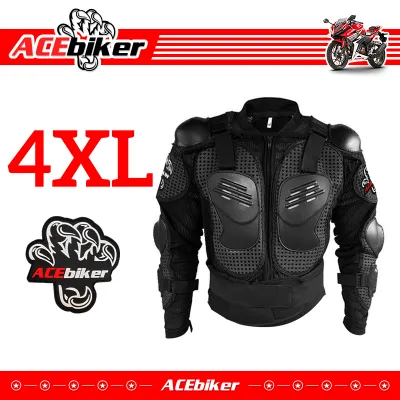
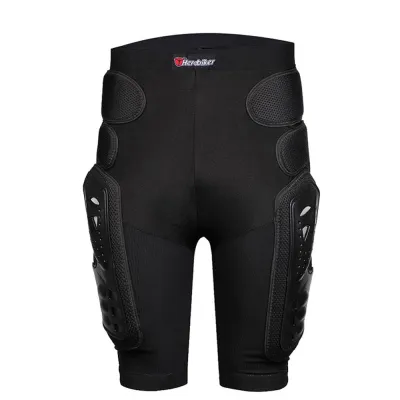
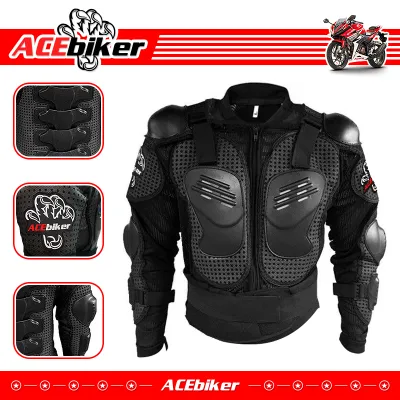
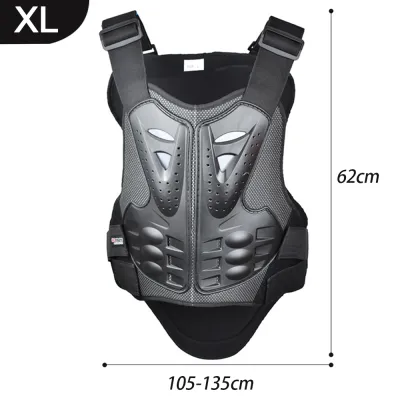
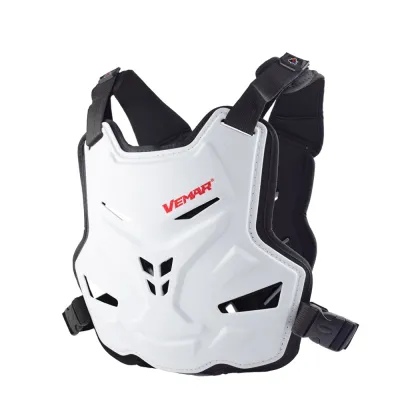
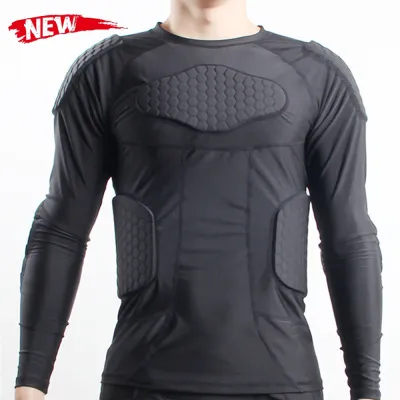
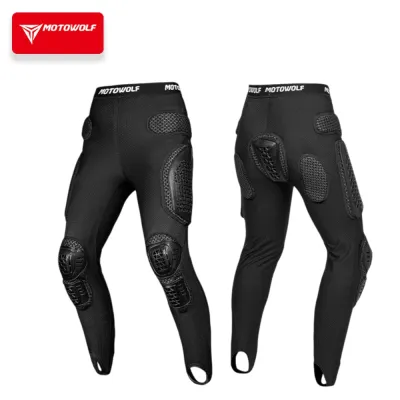
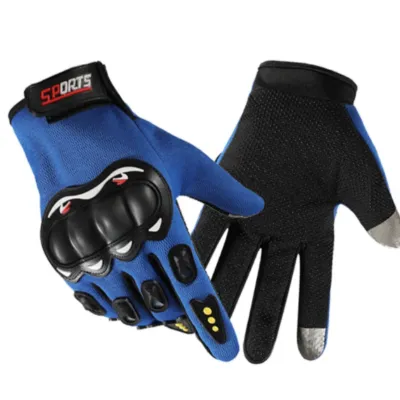
Prices are valid at publication and may change. Please refer to the product page for the latest price.
Wearing heavy, non-perforated leather or thick, solid textile jackets in high humidity quickly leads to heat exhaustion. When your body heat and sweat cannot escape, your core temperature rises, leading to fatigue, slower reaction times, and impaired judgment on the road. This physical decline is a safety hazard in itself, making proper ventilation just as critical to your well-being as physical armor.
To stay safe, look for gear that establishes a clear baseline of protection. High-quality tropical gear utilizes high-density mesh panels across the chest, inner arms, and back to maximize airflow, while reinforcing high-impact zones—such as the shoulders and elbows—with heavy-duty textiles like 600D polyester or polyamide. This ensures that even if the wind blows freely through the mesh sections, the areas most likely to hit the ground first remain highly resistant to tearing and melting.
Key Features to Look for in Tropical Riding Jackets
When shopping for a warm-weather riding jacket, the construction style dictates how much air reaches your body. Full-mesh jackets offer the highest level of ventilation, making them excellent for slow-moving city commutes where natural wind is minimal. However, hybrid textile-mesh designs provide a more robust safety profile by combining large mesh panels on the chest and back with solid, abrasion-resistant fabrics wrapped around the outer arms and shoulders.

Beyond the primary fabrics, subtle design details significantly influence your comfort during long rides. Look for jackets equipped with adjustable ventilation zippers on the sleeves or underarms, which allow you to fine-tune the airflow depending on the time of day. A moisture-wicking inner mesh liner is also essential, as it prevents the outer shell from sticking to your skin when you sweat, promoting rapid evaporation and cooling.
Strategic exhaust vents on the back of the jacket are just as important as intake panels on the front. Without proper exhaust paths, air becomes trapped inside the garment, causing it to balloon at higher speeds and reducing the overall cooling effect. Ensure the jacket features adjustable straps at the waist and biceps to keep the fabric snug against your body, preventing the armor from shifting out of place during a slide.
Finally, pay close attention to the structural seams of the jacket. Because mesh panels are inherently weaker than solid textiles, the seams holding these different materials together must be exceptionally strong. Verify that the manufacturer has used double or triple stitching in critical areas. Weak seam construction can cause the jacket to burst open upon impact, rendering the protective panels useless when you need them most.
Selecting Riding Pants for Hot Weather Commutes
Protecting your lower body in tropical heat requires a careful choice between different styles of riding pants. For daily commutes through heavy, slow-moving traffic, mesh over-pants are highly practical. These pants feature large mesh panels and are designed to be worn directly over your regular office trousers or shorts, allowing you to quickly strip them off once you reach your destination.
An alternative option is aramid-lined riding jeans, which offer a casual appearance while providing substantial protection. These jeans are reinforced with highly abrasion-resistant fibers woven into or lined behind the denim in key areas like the seat and knees. While they look like ordinary pants, they are generally heavier and warmer than mesh over-pants, making them better suited for highway cruising rather than stop-and-go city traffic.
To minimize fatigue and maximize comfort on the saddle, look for riding pants that incorporate strategic stretch panels above the knees and on the lower back. Pre-curved knees reduce fabric bunching and tension when your legs are bent on the footpegs, while calf zippers make it easier to pull the pants over bulky riding boots. These ergonomic features ensure that the pants move naturally with your body, preventing chafing in humid conditions.
A critical safety feature to verify is the presence of a connection zipper at the waist of the pants. This zipper allows you to secure your riding pants directly to your motorcycle jacket. In the event of a slide, this connection prevents the jacket from riding up your torso and the pants from pulling down, keeping your lower back and midsection fully protected from painful road rash.
Evaluating Armor and Impact Protection Standards
While the outer fabric of your gear protects against scrapes, the internal armor is what shields your bones and joints from severe impact. When evaluating tropical riding gear, do not rely on the presence of simple foam padding. Instead, inspect the internal pockets to verify that the armor inserts carry recognized safety certifications, such as CE Level 1 or CE Level 2 labels.
The CE standard indicates that the armor has undergone testing to measure how much impact force it transmits to your body. CE Level 1 armor provides a baseline level of protection suitable for daily commuting, while CE Level 2 armor absorbs significantly more force, making it ideal for high-speed riding. Ensure these certified protectors are securely positioned at your shoulders, elbows, and knees.
It is also important to check what type of back protection is included with your jacket. Many warm-weather jackets come equipped with a basic, non-certified foam pad in the back pocket, which offers minimal protection. You should verify whether you need to purchase a certified CE Level 1 or Level 2 back protector insert separately to upgrade your safety setup before hitting the road.
To maintain maximum airflow, look for modern armor inserts that feature a highly ventilated, open-grid design. Traditional solid foam or rubber armor blocks wind, creating hot spots on your back and joints. Perforated, flexible armor remains soft and pliable during normal movement—allowing air to pass through freely—but hardens instantly upon impact to absorb the shock.
Maintenance and Care for Mesh and Tropical Gear
Riding in hot, humid climates means your gear will regularly absorb sweat, road dust, and sudden tropical rain. To preserve the lifespan and protective qualities of your ventilated gear, you must clean it using safe, manufacturer-approved methods. Always remove all armor inserts and liners before washing the outer shell, as machine washing can damage the protective polymers.
Hand washing is generally the safest method for mesh and hybrid textiles. Use a mild, liquid detergent and lukewarm water, gently scrubbing the fabric with a soft-bristled brush to remove embedded road grime. Avoid harsh chemical cleaners, bleach, or fabric softeners, as these can degrade the synthetic fibers, weaken the stitching, and strip away any water-resistant coatings or reflective elements.
Drying your gear properly is crucial in high-humidity environments to prevent the growth of mold, mildew, and unpleasant odors. Hang the washed garments in a well-ventilated, shaded indoor area or a covered outdoor space away from direct sunlight. Direct exposure to intense tropical sunlight can UV-damage the nylon or polyester fibers over time, making them brittle and reducing their tear resistance.
Regularly inspect your gear for signs of wear and tear, paying close attention to the seams, zippers, and hook-and-loop fasteners. High heat, sweat, and frequent washing can accelerate the degradation of lightweight materials. If you notice frayed stitching, split zipper teeth, or weakened closures, have them repaired by a professional or replace the garment to ensure your safety is never compromised on your next ride.
Frequently Asked Questions (FAQ)
Is it safe to wear just a t-shirt and shorts for short rides in the city?
No, wearing casual clothing is highly risky, even for brief trips or low-speed city errands. A significant portion of motorcycle accidents occur at lower speeds in dense, unpredictable urban traffic. Asphalt acts like sandpaper on human skin at almost any speed, and a fall without protective gear can result in severe road rash, deep lacerations, and joint fractures. Baseline protection, such as a lightweight mesh jacket and sturdy pants, is essential every time you mount your motorcycle.
Should I buy a waterproof liner for my mesh motorcycle jacket?
While a waterproof liner can keep you dry during sudden tropical downpours, leaving it zipped inside your jacket during hot, dry days will completely block the mesh panels and cause you to overheat. A highly practical alternative is to carry a separate, packable rain suit that you can quickly wear over your mesh gear when it rains. This approach keeps your primary jacket dry while allowing you to enjoy maximum ventilation when the weather clears.
Community discussion
Share your experience or ask a question. Comments are reviewed before publication.