
Riding a motorcycle in the Philippines offers unparalleled freedom, but the tropical climate presents a constant challenge: staying protected without overheating. To choose motorcycle body armor that keeps you cool, you must look for highly ventilated, open-grid or perforated CE-rated protectors, house them in high-airflow mesh carriers, and pair them with a technical moisture-wicking base layer. This combination allows passing wind to directly cool your skin while ensuring you remain shielded from impacts.
Finding the right balance requires moving away from heavy, solid protective gear that acts like an oven during stop-and-go city commutes. By understanding how different materials, designs, and configurations handle heat and humidity, you can build a protective setup that you will actually want to wear on every single ride, whether you are filtering through Metro Manila traffic or cruising along provincial highways.
Why Tropical Heat Changes Your Body Armor Choices
Operating a motorcycle in high temperatures and soaring humidity levels places intense physical stress on your body. When you wear heavy, non-breathable protective gear, your body struggles to regulate its temperature through sweat evaporation. This thermal strain leads to rapid dehydration, physical fatigue, and a dangerous decline in mental alertness. In chaotic traffic conditions, a split second of heat-induced distraction can dramatically increase your risk of an accident.
Products mentioned in this guide
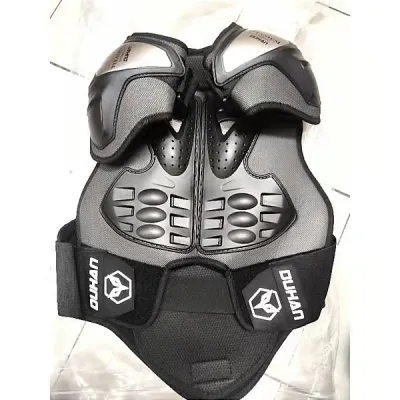
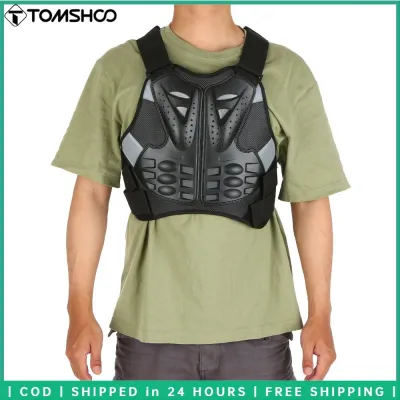
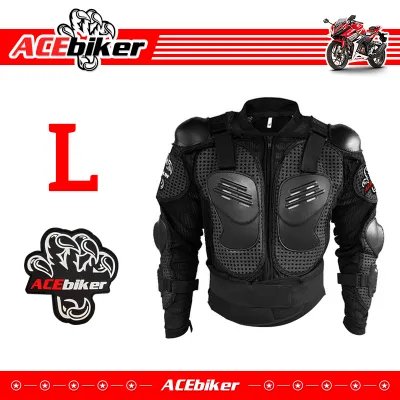
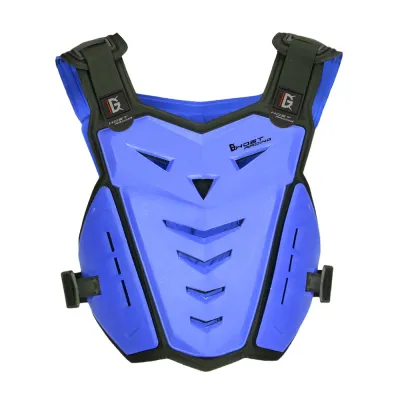
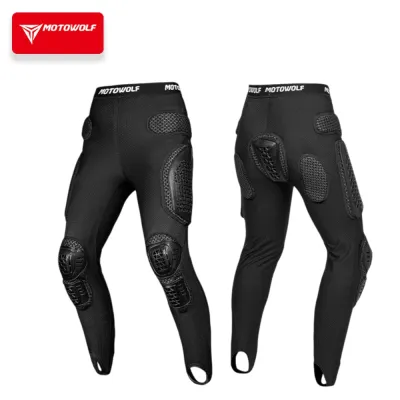
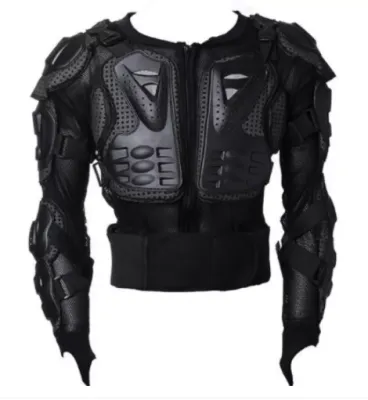
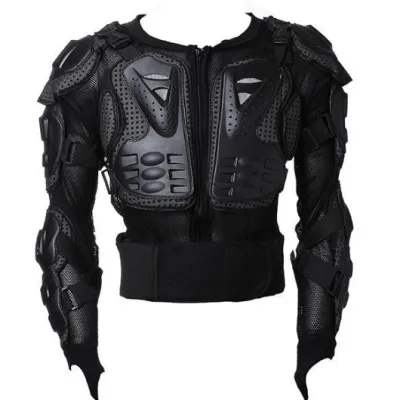
Prices are valid at publication and may change. Please refer to the product page for the latest price.
This discomfort often leads to what safety experts call the “comfort compromise.” Many riders, overwhelmed by sweat and heat exhaustion, choose to leave their heavy jackets at home, riding in simple t-shirts or thin windbreakers instead. While this offers immediate cooling relief, it leaves you completely vulnerable to severe road rash and fractures in a fall. The goal of tropical-spec body armor is to eliminate this compromise by keeping you cool enough to make wearing your safety gear an effortless, everyday habit.
To achieve this, your gear must actively facilitate convective cooling. This process relies on wind moving across your wet skin to carry away heat. Standard, solid armor pads block this airflow entirely, trapping a layer of superheated, humid air against your torso. Selecting gear specifically engineered to let wind pass through ensures your body’s natural cooling mechanisms can function efficiently, even during slow-speed urban riding.
Decoding Protection Standards Without Sacrificing Airflow
When shopping for motorcycle body armor, safety certifications must remain non-negotiable. Look for European CE (Conformité Européenne) markings stamped directly onto the armor pieces. Specifically, EN 1621-1 governs protectors for limbs (shoulders, elbows, hips, and knees), while EN 1621-2 regulates back protectors. Genuine certified armor will always feature these numbers alongside a pictogram of a motorcycle and a clear indication of the protection level.

These standards are divided into Level 1 and Level 2 protection. CE Level 1 armor transmits a maximum of 18 kilonewtons (kN) of force to the rider during testing, making it thinner, lighter, and naturally easier to ventilate. CE Level 2 armor offers superior impact mitigation, transferring no more than 9 kN of force. However, achieving Level 2 protection historically required thicker, denser materials that add weight and restrict airflow. Modern smart molecules have closed this gap, but Level 2 options generally still retain slightly more heat than their Level 1 counterparts.
To optimize your comfort, match your protection level to your primary riding environment. If your daily routine consists of low-speed city commuting in heavy traffic, a highly perforated CE Level 1 armor setup offers an excellent balance of sufficient impact protection and maximum ventilation. For high-speed expressway travel or weekend touring where crash energies are significantly higher, upgrading to ventilated CE Level 2 armor for your back and shoulders is highly recommended, even if it carries a minor weight penalty.
Key Design Features That Keep You Cool
To ensure your body armor actually breathes, look closely at the physical structure of the protective inserts. Traditional viscoelastic protectors are solid sheets of foam that completely seal off airflow. Instead, seek out modern, open-lattice or highly channeled designs. Brands like D3O (with their LP1 and LP2 lines), SAS-TEC, and Alpinestars (Nucleon Flex) design protectors with wide, geometric cutouts. These open-grid patterns allow air to flow directly through the pad to your body while still absorbing high-energy impacts by hardening instantly upon contact.
Even the most breathable armor pad will fail to cool you if it is trapped inside a solid, heavy fabric pocket. Inspect the armor carrier or the pockets of your riding jacket. They should be constructed from a wide-weave, lightweight mesh that does not block the air passing through the armor’s ventilation channels. Jackets featuring localized mesh panels on the chest, underarms, and back are highly effective at channeling wind directly toward these open-structured protectors.
Your choice of undergarments plays an equally critical role in thermal management. Never wear casual cotton t-shirts under your motorcycle armor. Cotton absorbs sweat and holds onto it, creating a damp, heavy barrier that blocks airflow, causes chafing, and makes the armor stick uncomfortably to your skin. Instead, invest in a dedicated, moisture-wicking synthetic or merino wool base layer. These technical fabrics pull moisture away from your skin and spread it across a large surface area, allowing passing wind to evaporate the sweat instantly and cool your core.
Standalone Armor Vests vs. Integrated Jacket Armor
Choosing between a standalone armored shirt (or vest) and a traditional integrated mesh jacket depends heavily on your daily riding habits and personal style. Standalone armored shirts are constructed from highly breathable, form-fitting mesh fabrics with impact protectors directly integrated into the elbows, shoulders, chest, and back. Because they fit tightly against your skin, they keep the armor perfectly aligned during a slide and allow maximum airflow directly over your body. You can wear these under a simple abrasion-resistant jersey or lightweight outer shell.
Traditional mesh riding jackets, on the other hand, feature built-in pockets that hold the armor inserts. These jackets offer the convenience of a single garment to put on and take off, and they typically feature heavy-duty, abrasion-resistant materials (like 600D polyester or Cordura) in high-impact slide zones. The trade-off is that the loose fit of a jacket can sometimes allow the armor to shift slightly during a fall, and the heavier outer fabrics can restrict airflow more than a dedicated armor compression shirt.
For riders facing extreme, stop-and-go city heat on daily commutes, a standalone armored mesh shirt paired with a highly breathable, abrasion-resistant outer layer provides the ultimate cooling configuration. If your rides involve a mix of highway speeds and changing weather conditions, a high-quality mesh riding jacket with removable, upgraded perforated armor inserts offers better versatility, slide protection, and convenience.
Maintaining Your Armor in High Humidity
Persistent sweat, road grime, and tropical humidity can quickly turn high-quality body armor into a breeding ground for bacteria, mold, and sour odors. To prevent this, establish a simple post-ride routine. After a hot ride, remove the armor inserts from your jacket or carrier vest. Wipe down the surface of the protectors with a damp microfiber cloth to remove salt residue from your sweat, and hang both the garment and the armor in a shaded, well-ventilated indoor space to dry completely.
Never throw viscoelastic or polyurethane armor inserts into a washing machine or dryer, as the mechanical agitation and heat can permanently warp or crack the materials. Avoid using harsh chemical detergents, bleach, or solvents, which can break down the polymer chains that give the armor its impact-absorbing properties. Additionally, keep your armor out of direct, intense tropical sunlight when drying, as prolonged UV exposure can accelerate the aging and degradation of the protective foam.
Regularly inspect your armor inserts for signs of wear and tear. Over time, constant exposure to sweat and heat can cause some materials to become brittle, stiff, or permanently deformed. Gently flex the pads to check for micro-cracks or areas that feel unusually soft or rigid. If the armor fails to return to its original shape, feels brittle, or retains a persistent, deep-seated odor that does not fade after a gentle hand wash with mild soap, it is time to replace the inserts to ensure your safety on the road.
Frequently Asked Questions (FAQ)
Can I wear a regular sports compression shirt under my motorcycle armor?
While athletic sports compression shirts are excellent at wicking moisture, they are not ideal for motorcycle use. Standard athletic wear lacks the durability to withstand the friction generated between your skin and the armor during a slide, which can lead to severe friction burns. Additionally, some sports fabrics are highly slippery, which can cause the armor pockets of your riding jacket to shift out of their correct safety positions during an impact. For the best safety and comfort, choose motorcycle-specific base layers designed to resist friction and keep armor securely aligned.
Does sweat degrade the impact absorption of CE-rated armor?
Modern CE-rated armor materials, such as advanced polyurethane-based or silicone-based smart foams, are engineered to resist moisture and humidity. However, prolonged and repeated exposure to highly acidic sweat, body oils, and persistent tropical humidity without proper care can slowly degrade the binding agents in certain polymers over several years. To prevent premature degradation and maintain the certified impact-absorption capabilities of your gear, always wipe down your armor inserts after sweaty rides and allow them to air-dry completely in a cool, shaded environment.
Community discussion
Share your experience or ask a question. Comments are reviewed before publication.