
Selecting the correct CNC bolts for your motorcycle accessories is critical to ensure your gear stays secure through heavy vibrations, tropical rains, and rough road conditions. Because motorcycle mounting points vary significantly by make, model, and year, there is no single universal bolt size. Generally, phone mounts require smaller M5 or M6 bolts, while top boxes and crash bars rely on heavy-duty M8, M10, or M12 fasteners. Choosing the right material—whether lightweight aluminum, durable stainless steel, or high-strength titanium—depends entirely on the structural load and environmental exposure of the accessory.
How to Read and Verify CNC Bolt Specifications
Understanding metric bolt designations is essential before purchasing any aftermarket hardware. A standard metric bolt specification is written in a clear sequence, such as M8 x 1.25 x 30mm. The “M” denotes a metric thread standard, while the number immediately following it represents the nominal diameter of the bolt shaft in millimeters. The second number indicates the thread pitch, which is the distance between individual thread crests. The final number represents the usable length of the bolt shaft, measured from the base of the bolt head to the tip.
To ensure a perfect fit, never rely on visual estimates. Use a digital caliper to measure the exact outer diameter of your existing original equipment manufacturer (OEM) bolts. Pair this tool with a thread pitch gauge to verify the exact spacing of the threads. A standard M8 bolt typically features a 1.25mm pitch, but some motorcycles use fine-thread variants with a 1.0mm pitch. Forcing a bolt with the wrong pitch into your bike’s mounting points will permanently strip the internal threads.
Products mentioned in this guide
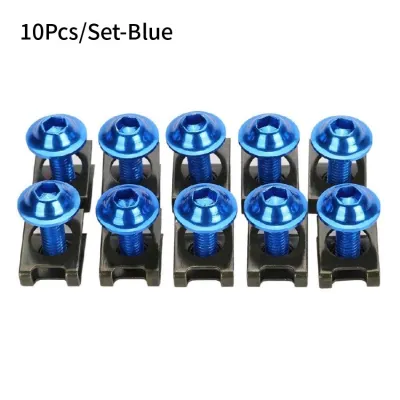
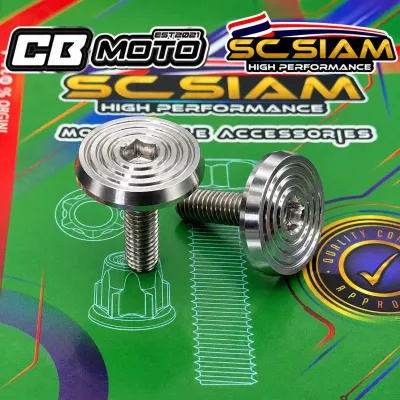
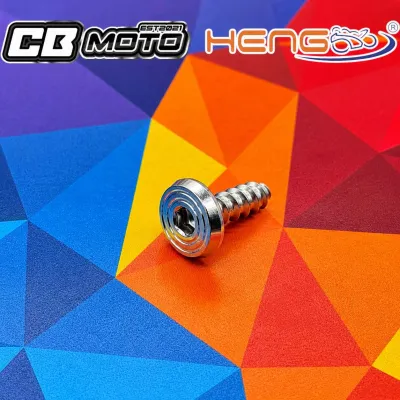
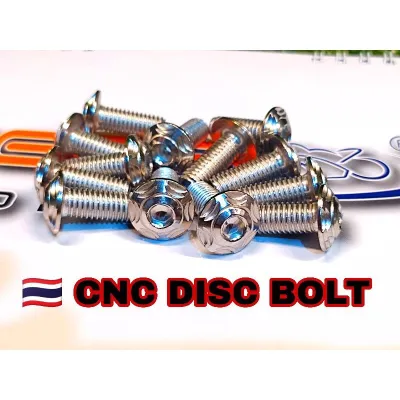
Prices are valid at publication and may change. Please refer to the product page for the latest price.
Always cross-reference your motorcycle’s owner’s manual and the accessory manufacturer’s installation instructions for exact mounting specifications. These documents provide the precise dimensions and thread depths required to secure brackets without bottoming out the bolts. If you discover that your motorcycle’s mounting threads are already stripped, cross-threaded, or modified, stop the installation immediately. Consult a qualified mechanic to repair the threads using a professional thread repair insert before attempting to mount any accessories.
Choosing the Right CNC Bolt Material for Your Ride
Selecting the appropriate material for your CNC bolts involves balancing strength, weight, and resistance to environmental elements. Titanium bolts, particularly Grade 5 (Ti-6Al-4V), offer an exceptional strength-to-weight ratio, providing the tensile strength of high-grade steel at nearly half the weight. They are highly resistant to corrosion, making them excellent for humid, coastal environments where rust is a constant threat. However, titanium is a premium material with a higher cost, and it requires precise torque application to prevent thread damage.

Stainless steel is the most practical and durable option for daily riding conditions. Grade 304 or Grade 316 stainless steel bolts provide excellent rust resistance and high tensile strength, making them ideal for exposed, high-stress mounting points. While heavier than titanium, stainless steel fasteners are highly cost-effective and readily available. They offer a clean, polished look that resists tarnishing even when exposed to road grime and frequent wet weather.
Aluminum CNC bolts are lightweight and come in various anodized colors, but they have very low tensile strength. These fasteners must be used strictly for non-structural, low-stress, and aesthetic applications, such as securing fairing panels, license plate frames, or decorative trim. Never use aluminum bolts to secure load-bearing accessories like phone mounts, luggage racks, or crash bars, as the metal can easily shear under stress or vibration.
When installing aftermarket bolts, be mindful of galvanic corrosion, which occurs when dissimilar metals touch in a humid environment. For example, threading a titanium or stainless steel bolt directly into an aluminum engine case or frame can cause the metals to bind over time. To prevent this chemical reaction, apply a thin layer of anti-seize lubricant or a non-conductive thread compound to the threads before installation.
Sizing Considerations for Phone Mounts, Top Boxes, and Crash Bars
Different motorcycle accessories subject their mounting hardware to distinct physical forces, requiring specific bolt sizes and grades. Phone mounts are lightweight but must withstand constant, high-frequency engine and road vibrations. These brackets typically secure to the handlebars, mirror stems, or triple clamps using M5 or M6 bolts. Because a sheared bolt could result in a lost mobile device, choose high-quality stainless steel or titanium fasteners rather than cheap, brittle aluminum alternatives.
Top boxes and luggage racks carry heavy, dynamic loads that shift constantly as you accelerate, brake, and corner. The mounting hardware must withstand significant shear forces, especially when riding over speed bumps or uneven pavement. These systems generally require robust M8 or M10 bolts made of high-tensile stainless steel or titanium. Ensure the bolts are long enough to pass completely through the mounting plate and engage all available threads in the motorcycle’s subframe.
Crash bars serve as critical safety components designed to absorb massive impact forces during a fall or slide. Because they mount directly to the motorcycle’s main frame or engine mounts, they must strictly follow OEM size and strength grade requirements, which usually call for M10 or M12 bolts. These fasteners must match or exceed the original strength rating, typically Class 8.8 or Class 10.9 steel. Substituting these with decorative or lower-grade fasteners can lead to catastrophic frame damage during a minor tip-over.
Remember that the weight of the accessory and your typical riding conditions dictate the necessary bolt grade. Simply using a larger diameter bolt is not a viable solution if the motorcycle’s pre-existing mounting point cannot support it. Always match the bolt size to the original thread diameter of the mounting point, and focus on upgrading the material quality and strength grade rather than altering the bolt size.
Safe Installation and Thread Protection Guidelines
Securing your CNC bolts properly requires the correct application of threadlocker to prevent loosening from engine vibrations. Use a medium-strength threadlocker (typically blue) for accessories that require periodic adjustment or removal, such as phone mounts and top box plates. High-strength threadlocker (typically red) should be reserved for permanent installations like crash bars, as removing these fasteners later will require localized heat to soften the adhesive.
Always use a calibrated torque wrench and strictly adhere to the manufacturer’s specified torque values during installation. Tightening bolts purely by feel often leads to over-tightening, which can easily strip the soft aluminum threads of your motorcycle’s frame or snap the bolt head off entirely. Conversely, under-tightening can cause the bolts to back out while riding, creating a severe safety hazard.
To prevent cross-threading, always start threading the bolts by hand for the first few turns before introducing any tools. If you feel any unusual resistance or binding, stop immediately, back the bolt out, and inspect both the male and female threads for debris or damage. Once installed, establish a routine inspection interval to check the tightness of all accessory bolts, especially after the first 100 kilometers of riding with a newly installed accessory.
Frequently Asked Questions (FAQ)
Can I reuse the original OEM bolts instead of buying new CNC bolts?
You can reuse original OEM bolts if they are in pristine condition, free of rust, and match the length required for your new accessory. However, if the new accessory bracket is thicker than the original component, the OEM bolts may be too short to achieve proper thread engagement. Additionally, if the original bolts show signs of stretching, corrosion, or thread wear, they must be replaced with new CNC alternatives to ensure safety.
Do I need special tools to install titanium or aluminum CNC bolts?
Installing titanium or aluminum CNC bolts does not require highly specialized hand tools, but it does demand a calibrated torque wrench to prevent over-tightening. Because aluminum is soft, it strips easily under excessive force, while titanium can gall or bind without proper lubrication. When working with titanium threads, always apply a high-quality anti-seize compound to ensure smooth installation and future removal.
Community discussion
Share your experience or ask a question. Comments are reviewed before publication.