
To find Honda motorcycle stickers that won’t fade or peel in the challenging Philippine climate, you must look beyond basic designs and focus on material engineering. The key to long-lasting decals lies in choosing premium cast vinyl films paired with a dedicated ultraviolet (UV) protective overlaminate and a high-tack, solvent-based acrylic adhesive. These three components work in harmony to withstand intense tropical heat, torrential monsoon rains, and high humidity levels, ensuring your motorcycle maintains its clean, factory-fresh look for years.
How Tropical Weather Degrades Motorcycle Decals
The climate in the Philippines presents a unique set of challenges for any adhesive-based motorcycle accessory. The primary culprit behind faded stickers is intense solar radiation. The tropical sun emits high levels of ultraviolet (UV) rays that penetrate deep into unprotected printing inks. Over time, this radiation breaks down the chemical bonds of the pigments, causing bright reds, deep blues, and vibrant yellows to lose their saturation and turn a dull, chalky white.
Beyond aesthetic fading, UV exposure dries out the plasticizers in standard vinyl, leaving it brittle and prone to cracking. As the material loses elasticity, it shrinks and pulls away from its original boundaries, exposing the adhesive layer underneath to the elements.
Products mentioned in this guide
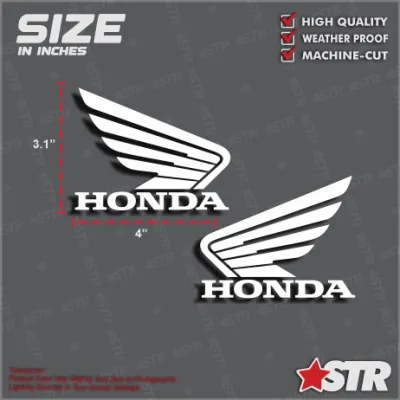
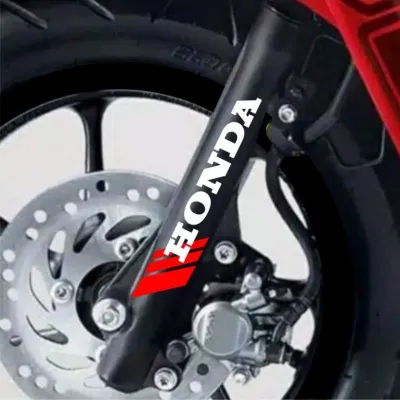
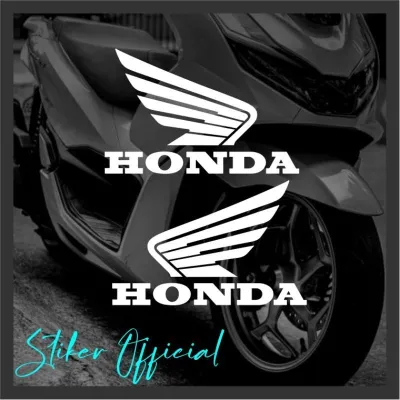
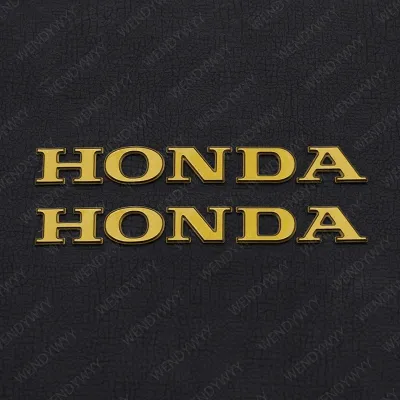
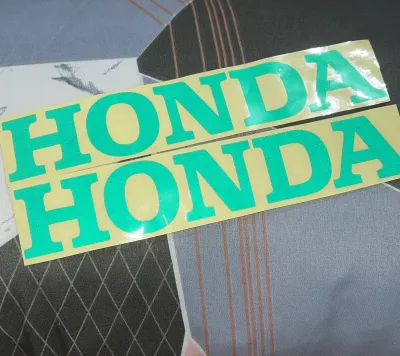
Prices are valid at publication and may change. Please refer to the product page for the latest price.
The rainy season introduces moisture intrusion. During heavy downpours, water pools around fairing edges. If a sticker lacks a proper seal or uses water-based adhesive, moisture seeps underneath, compromising the bond and leading to bubbling and peeling.
Furthermore, plastic fairings expand in midday heat and contract during sudden rain showers. This constant thermal shifting stresses the sticker. If the material lacks the flexibility to stretch and contract in unison with the panels, the edges will buckle and lift.
Key Material Specifications for Weather-Resistant Stickers
When shopping for Honda decals, the most important distinction is cast vinyl versus calendered vinyl. Cast vinyl is manufactured by pouring a liquid mixture onto a casting sheet, resulting in an extremely thin, flexible film (typically 2 mils thick). Lacking a flat “memory,” it conforms effortlessly to the complex curves and sharp angles of modern fairings without lifting.

In contrast, calendered vinyl is extruded through rollers, creating a thicker, stiffer film (3 to 4 mils) that constantly tries to shrink back to its flat state. While suitable for flat surfaces, it is highly prone to lifting on curved motorcycle panels. Always verify that the product description explicitly states premium cast vinyl.
Another non-negotiable specification is a UV-protective overlaminate. A quality sticker is a multi-layer system consisting of base vinyl, printed ink, and a clear protective top layer. This film acts as a shield against UV rays, abrasions, and chemical exposure. Without this laminate, the ink is exposed directly to the environment and will fade rapidly.
Finally, look for solvent-based acrylic adhesives rather than water-based alternatives. Solvent-based adhesives cure over 24 to 48 hours to form a permanent, waterproof bond that resists heat, fuel spills, and mild chemicals. They grip tightly to painted metal and plastics, keeping the sticker secure despite engine vibrations and environmental stress.
Surface Preparation and Installation to Prevent Peeling
Even premium cast vinyl will fail if the surface is not prepared correctly. Surface preparation ensures the adhesive makes direct contact with the paint or plastic. Any barrier—such as wax, road grime, chain lube, or silicone-based detailing sprays—will severely compromise the bond.
Begin by washing the motorcycle with a wax-free soap. Once dry, perform chemical decontamination by wiping the area with a clean microfiber cloth saturated with 70% isopropyl alcohol. Avoid household glass cleaners or degreasers, which leave chemical residues. Rub the surface until it feels completely dry and squeaky, indicating all oils and waxes are gone.
Apply the stickers in a shaded, wind-protected area to prevent dust from getting trapped under the adhesive. Avoid applying decals when the fairings are hot from riding or sitting in the sun, as excessive heat makes the adhesive grab too quickly, preventing repositioning and trapping air bubbles. A cool, dry afternoon is ideal.
Use a soft, felt-tipped squeegee to press the vinyl onto the surface, starting from the center and working outward with overlapping strokes to push out trapped air. Once flat, apply firm, consistent pressure along the entire perimeter. This pressure activates the adhesive, creating a tight seal that prevents water and dirt from creeping underneath.
Washing and Maintenance Rules to Protect Sticker Edges
Proper maintenance preserves your stickers’ appearance and prevents edge lifting. The most common cause of damage is improper washing, particularly high-pressure water sprays. Directing a high-pressure stream directly at a sticker’s edge can force water under the vinyl, tearing the adhesive bond and causing instant peeling.
Keep the pressure washer nozzle at least 30 centimeters away from stickered areas, angling the spray to flow over the sticker rather than directly against the edges. When hand-washing, use a soft mitt or microfiber cloth. Avoid stiff-bristled brushes or abrasive pads, which can scratch the overlaminate and fray the vinyl edges.
Always use a mild, pH-neutral motorcycle shampoo. Avoid harsh household detergents, dishwashing liquids, or industrial degreasers, which contain strong solvents or alkaline agents that dry out vinyl and dissolve adhesive. If you spill gasoline near a sticker during refueling, wipe it off immediately with a damp cloth to prevent adhesive damage.
Dry the stickered areas gently by patting them with a clean microfiber towel rather than rubbing aggressively. When applying wax or polish, be careful around the decal edges. Paste waxes can leave a white residue along the raised edges, which attracts dirt and slowly degrades the adhesive bond.
Verification Checklist Before Buying Honda Stickers
To ensure you invest in stickers that withstand the demanding tropical climate, use this practical checklist to evaluate products before purchasing from local shops or online marketplaces.
First, look for material transparency. Reputable manufacturers clearly state the vinyl brand (such as 3M, Avery Dennison, or Oracal) and specify if it is cast or calendered. If a description only uses generic terms like ‘high-quality plastic’ or ‘waterproof’ without technical details, it is likely a lower-grade material.
Second, verify the presence of a protective overlaminate. A laminated sticker has a smooth, uniform gloss or matte finish, and the printed design feels completely flat. Non-laminated stickers often have a slightly textured feel where the ink was deposited, leaving the print vulnerable to rapid fading and scratching.
Third, inspect the cut quality. High-quality stickers are cut using precise plotting machines, resulting in smooth, clean edges. Avoid decals with jagged or uneven edges, as these imperfections create catch points where dirt, water, and cleaning cloths can snag, leading to premature lifting.
Finally, consider the price point. While cheap sticker packs costing under ₱50 are tempting, they are almost always printed on cheap calendered vinyl with water-based adhesives and no lamination. Investing in premium, automotive-grade decals saves money in the long run by eliminating the need for frequent replacements.
Frequently Asked Questions (FAQ)
Can I apply a clear coat over my Honda motorcycle stickers?
Applying a clear coat over motorcycle stickers can lock them in place, but it requires careful compatibility checks. The solvent in the clear coat must be compatible with both the vinyl and its adhesive. Strong solvents in professional-grade urethane clear coats can react chemically with cheap vinyl, causing the edges to curl, bubble, or melt. If you clear coat, use high-quality cast vinyl stickers, ensure the surface is clean and dry, and apply the first few layers as very light, dry ‘dust coats’ to let the solvents evaporate safely before applying a heavier wet coat.
How do I safely remove old, sun-baked stickers without damaging the paint?
Removing old, sun-baked stickers from your Honda’s fairings requires patience to avoid scratching the paint or cracking the plastic. Use a hairdryer or heat gun on its lowest setting to gently warm the sticker, softening the hardened vinyl and adhesive. Slowly peel the sticker back at a sharp, 180-degree angle close to the surface. For remaining residue, apply a dedicated automotive adhesive remover or eucalyptus oil to a microfiber cloth, let it sit for a minute, and wipe it away. Always test any chemical remover on a small, hidden area first to ensure it does not dull the paint or damage the plastic.
Community discussion
Share your experience or ask a question. Comments are reviewed before publication.