
Riding a motorcycle in the Philippines means constantly balancing the intense tropical heat against the absolute necessity of road safety. When the midday sun beats down on congested city streets or humid coastal highways, the temptation to shed protective layers is strong. However, choosing the right motorcycle armor allows you to maintain a critical shield against impact and abrasion without succumbing to heat exhaustion. The key lies in understanding how different armor materials, garment constructions, and ventilation designs interact to keep you cool while keeping you safe.
By evaluating certified protection standards alongside airflow features, you can select gear that matches your specific riding environment and personal heat tolerance. This guide will help you navigate the essential trade-offs, maintenance practices, and selection criteria to build a reliable, breathable riding setup.
Understanding Armor Types and Impact Protection
To build a reliable defense system, you must first look at the safety certifications of the armor inserts themselves before evaluating how well they breathe. When inspecting a riding jacket or pants, locate the internal labels on the armor pieces protecting your shoulders, elbows, knees, and back. Look for European CE (Conformité Européenne) markings, specifically EN 1621-1 for limb protectors and EN 1621-2 for back protectors. These standards are divided into Level 1 and Level 2, with Level 2 offering higher impact absorption by allowing less force to transmit to your body during a crash.
Products mentioned in this guide
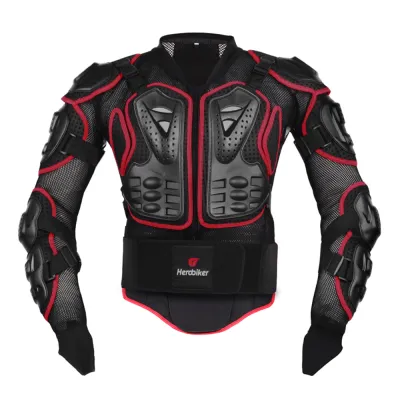
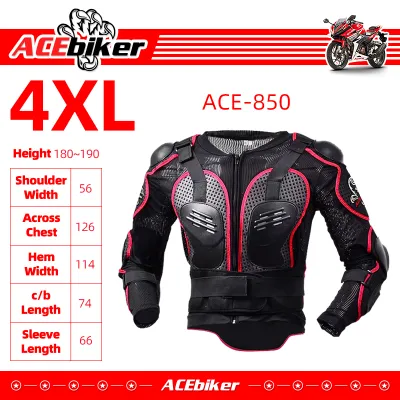
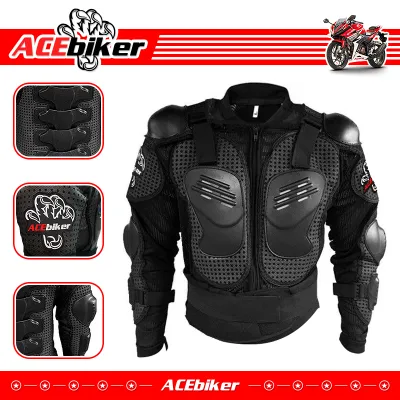
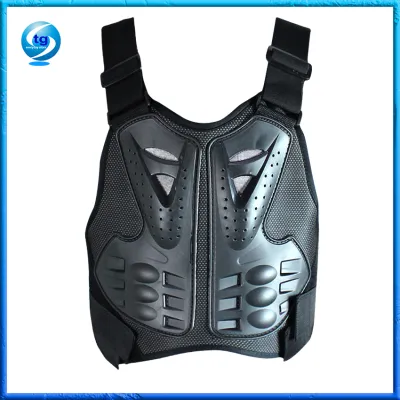
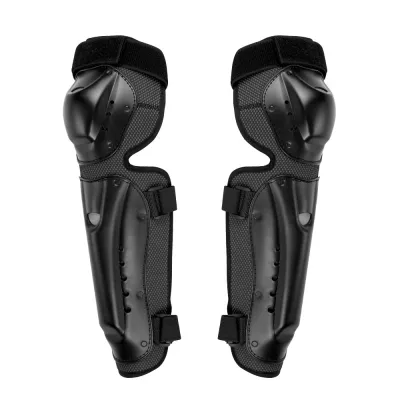
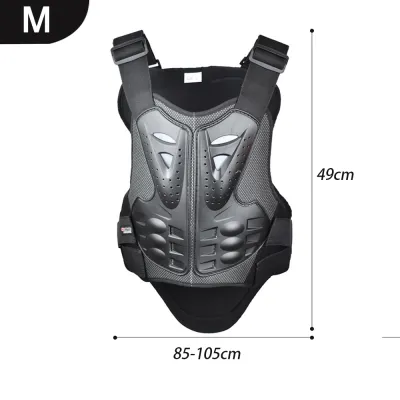
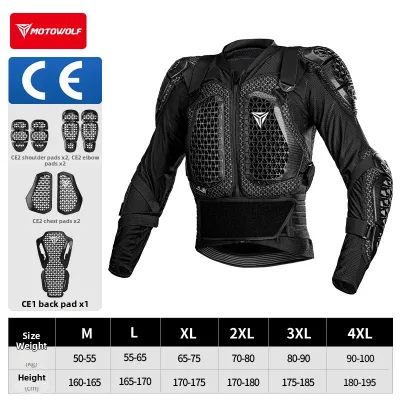
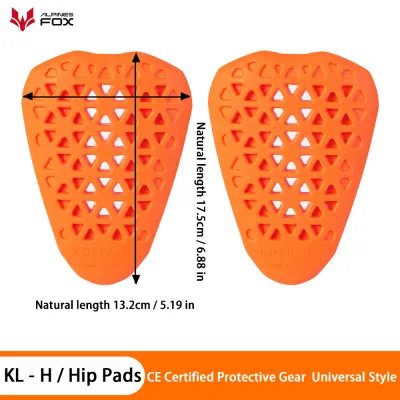
Prices are valid at publication and may change. Please refer to the product page for the latest price.
The material composition of the armor plays a major role in both your safety and your comfort. Traditional hard-shell armor utilizes a rigid plastic outer shield backed by dense foam, which excels at dispersing sharp impacts but can feel stiff and block almost all airflow. In contrast, modern viscoelastic armor remains soft and pliable during normal wear, conforming to your body shape and allowing better movement, but instantly hardens upon impact to absorb energy.
While viscoelastic inserts are generally more comfortable in hot weather, their thickness and overall surface area still create a physical barrier to heat dissipation. A larger, thicker Level 2 back protector will inevitably trap more body heat against your spine than a thinner Level 1 protector. When selecting gear, you must weigh this higher safety margin against the increased thermal load, especially if you frequently ride in slow-moving, high-temperature urban environments.
Evaluating Breathability and Ventilation Features
Managing heat and humidity requires a garment that actively facilitates evaporation and airflow across your skin. Look for riding jackets and pants that feature extensive mesh panels, particularly along the chest, inner arms, and back. These mesh zones should be strategically positioned to catch oncoming wind when you are in a seated riding posture, maximizing the cooling effect as you move.

Perforated textile or leather sections also offer a compromise, providing higher abrasion resistance than open mesh while still allowing a steady stream of air to pass through the material. A versatile tropical riding garment must also adapt to sudden weather changes, such as afternoon downpours or cooler evening rides. Many manufacturers equip summer jackets with removable inner liners, which may include a windproof layer, a waterproof membrane, or a light thermal barrier.
For hot and humid climates, ensure these liners are completely removable so you can strip the garment down to its basic, highly breathable mesh shell during dry, sunny days. Beyond the outer shell, the interior construction of the gear determines how dry you stay during long rides. High-quality riding gear utilizes moisture-wicking mesh linings that pull sweat away from your skin, spreading it across a larger surface area to accelerate evaporation.
Additionally, look for garments designed with dedicated exhaust vents on the back. These vents allow hot air trapped inside the jacket to escape, preventing the ballooning effect and ensuring a continuous cycle of fresh air intake from the front panels.
Balancing Safety and Comfort: Key Trade-offs
Selecting the right gear involves matching your typical riding speeds and environments to the appropriate level of protection. For instance, a heavy, full-coverage textile touring jacket with multiple layers is highly protective but can quickly become unbearable in slow-moving city traffic. If your daily commute consists of stop-and-go city riding, a lightweight mesh jacket with integrated armor is often the more practical choice, as it keeps you moving comfortably and prevents heat-induced fatigue, which itself is a major safety hazard.
Conversely, if you frequently travel at highway speeds, you will need to prioritize higher abrasion resistance, even if it means sacrificing some ventilation. It is vital to recognize that highly ventilated mesh fabrics generally offer lower abrasion resistance during a slide compared to heavy-duty textiles or leather. To mitigate this risk, look for hybrid jackets that place high-denier, abrasion-resistant fabrics on high-impact zones like the shoulders and elbows, while utilizing open mesh panels only in low-risk areas like the chest and underarms.
This hybrid design ensures that the areas most likely to hit the pavement remain heavily protected while keeping the rest of your torso cool. Finally, the physical fit of your gear directly impacts both safety and comfort. Armor inserts must sit squarely over your joints to function correctly during an impact, which requires a snug fit.
However, securing the garment too tightly with adjustment straps can restrict blood flow, accelerate physical fatigue, and trap hot air against your skin. Adjust the straps so the armor remains securely in place without pinching or binding, ensuring a small gap remains inside the jacket to allow air to circulate around your body.
Inspecting and Maintaining Armor in Humid Climates
The combination of intense tropical sunlight, high humidity, and heavy sweat can accelerate the degradation of your riding gear over time. Periodically remove the armor inserts from their pockets to inspect them for signs of wear, such as cracking, crumbling, or permanent deformation. Viscoelastic materials can become brittle or lose their shape after prolonged exposure to extreme heat and UV rays, indicating that they no longer offer reliable impact protection and must be replaced.
Hygiene is another critical factor when riding in hot climates, as sweat and road grime quickly accumulate in the fabric and armor pockets. Always refer to the manufacturer’s care labels before cleaning your gear. Generally, you should remove all armor inserts before washing the outer textile shell, which can often be hand-washed or machine-washed on a gentle cycle with mild detergent.
Clean the removable armor pads separately by wiping them down with a damp cloth and mild soap, avoiding harsh chemicals that could break down the protective compounds. Proper storage is essential to prevent the growth of mold and mildew, which thrive in dark, damp environments.
After a sweaty ride or an unexpected rain shower, never leave your gear crumpled in a bag or stored in a closed closet. Hang your jacket and pants on wide, heavy-duty hangers in a well-ventilated room, allowing them to air dry completely. Ensure the armor pockets are fully dry before reinserting the pads, as trapped moisture can degrade both the fabric lining and the armor material over time.
Building Your Tropical Riding Gear Shortlist
When you are ready to purchase new gear, whether browsing online marketplaces or visiting a physical store, a systematic evaluation will help you make the right choice. Start by checking the construction of the internal armor pockets. They should be securely stitched with heavy-duty thread and feature robust closures, such as hook-and-loop fasteners, to prevent the armor pads from shifting or falling out of alignment during a ride.
If you are shopping in a physical store, always try the garment on and sit on a motorcycle or mimic your riding posture. Pay close attention to how the armor aligns with your shoulders, elbows, or knees; it should cover the joints comfortably without causing pressure points or restricting your range of motion.
If buying from an online marketplace or an official brand store, carefully review the manufacturer’s sizing chart and confirm the seller’s return and exchange policies so you can swap the gear if the fit is not perfect. Additionally, verify the compatibility of any aftermarket armor upgrades you plan to install.
If you intend to replace stock foam pads with higher-rated viscoelastic inserts, measure the dimensions of the garment’s armor pockets to ensure the new inserts will fit securely without bunching or sliding around. Always consult the manufacturer’s documentation to confirm that any upgraded armor is fully compatible with your specific jacket or pants model.
Frequently Asked Questions (FAQ)
Can I wear a separate armored vest over a regular t-shirt for better airflow?
While wearing an armored vest over a t-shirt provides excellent ventilation, it leaves you highly vulnerable to severe abrasion injuries. Regular cotton t-shirts offer virtually zero resistance against asphalt, meaning the fabric will tear instantly during a slide, exposing your skin to the road. Furthermore, without the structured sleeve and torso fabric of a dedicated riding jacket to hold them in place, individual armor pads are highly likely to shift away from your elbows and shoulders during a fall, leaving your joints completely unprotected.
Does sweat and humidity degrade the impact absorption of viscoelastic armor?
Viscoelastic armor is designed to withstand normal body heat and moisture, but prolonged exposure to wet conditions can gradually affect its structural integrity. While the warmth of your body actually helps the material conform comfortably to your shape, leaving the armor soaked in sweat or rainwater without proper drying can lead to material breakdown over time. To maintain its impact-absorbing properties, always allow your armor to dry completely in a shaded, well-ventilated area after wet rides, and avoid exposing it to direct, intense sunlight for extended periods.
Community discussion
Share your experience or ask a question. Comments are reviewed before publication.