
To keep your liquid-cooled motorcycle running smoothly under the intense tropical heat of the Philippines, choosing the right coolant for motorcycle engines is a critical maintenance decision. Riding through heavy stop-and-go traffic in cities like Metro Manila or Cebu during the dry season places immense thermal stress on your engine. Without the correct fluid in your radiator, you risk localized overheating, accelerated component wear, and catastrophic engine failure.
The ideal coolant for a motorcycle operating in a tropical climate is a high-quality, silicate-free ethylene glycol-based formulation, typically using Organic Acid Technology (OAT) or Hybrid Organic Acid Technology (HOAT). This fluid must be mixed at a precise 50/50 ratio with distilled water—or purchased as a convenient pre-mixed solution—to provide the necessary boiling point elevation and corrosion protection. Before purchasing any product, you must verify your specific vehicle model, year, and manufacturer specifications to ensure compatibility and avoid damaging sensitive internal seals.
Why Tropical Heat Changes Your Coolant Requirements
A common misconception among motorcycle owners is that “antifreeze” is only necessary in cold climates where temperatures drop below freezing. In reality, modern engine coolant serves a dual purpose: it prevents freezing in cold weather, but more importantly for riders in the Philippines, it raises the boiling point of the water in your cooling system and prevents internal corrosion. In a tropical environment, the primary focus shifts entirely from freeze protection to boil-over prevention, heat transfer efficiency, and anti-cavitation performance.
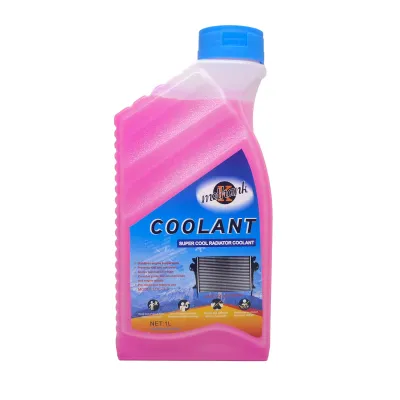
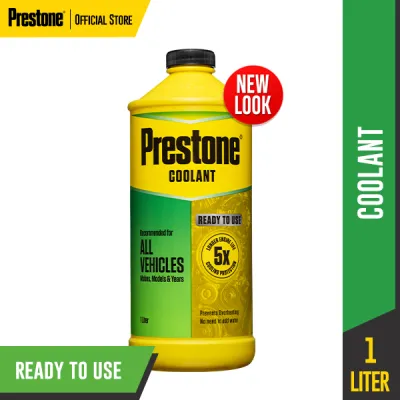
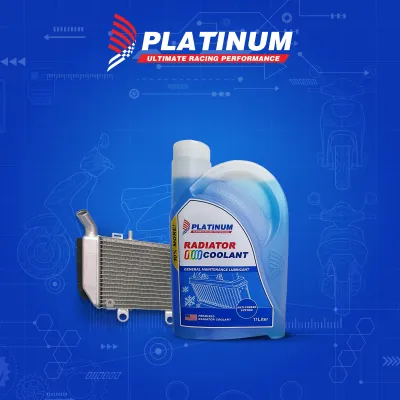
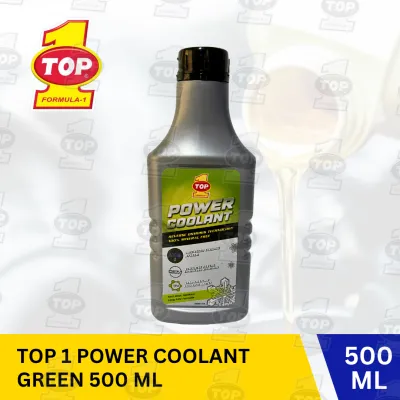
Products mentioned in this guide
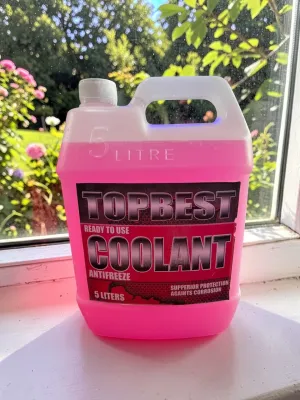
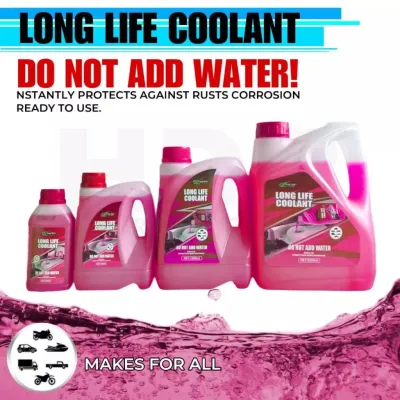
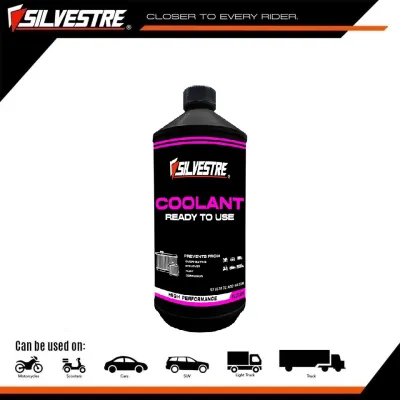
![[YAMAS] 4 LITERS COOLANT TOP BEST BRAND](https://img.lazcdn.com/g/p/4e94c30d27e1e92e799327048730f2de.png_400x400q80.png_.webp)
Prices are valid at publication and may change. Please refer to the product page for the latest price.
Consistently high ambient temperatures place a massive thermal load on liquid-cooled motorcycle engines. When you are stuck in slow-moving traffic on a hot afternoon, there is very little natural airflow passing through your radiator fins. Under these conditions, the engine relies entirely on the coolant’s ability to absorb heat from the cylinder head and transfer it to the radiator, where the cooling fan dissipates it. If your coolant cannot handle this extreme thermal load, it will boil, leading to steam pockets, localized hot spots, and rapid engine overheating.
Boiling point elevation and anti-cavitation properties are the most critical performance metrics for motorcycle riders in tropical regions. Cavitation occurs when vapor bubbles form and violently collapse against metal surfaces inside the water pump and engine block, gradually eroding the metal. A high-quality coolant prevents these bubbles from forming under high pressure and temperature. To select the correct product, always check your specific motorcycle’s operating temperature range as outlined in your owner’s manual to establish a baseline for the thermal performance you need.
Understanding Coolant Formulations for High Temperatures
Coolants are not all created equal, and using the wrong chemical formulation can lead to severe engine damage. To make an informed decision, you must understand the chemical bases and additive packages used in modern coolants. This knowledge allows you to interpret product labels accurately and select a formulation that matches your engine’s metallurgy and sealing materials.

Ethylene Glycol vs. Propylene Glycol Base
Ethylene glycol is the industry standard base fluid for powersports and motorcycle applications. It is highly favored because of its superior heat transfer efficiency and its ability to significantly elevate the boiling point of the mixture when combined with water. For high-performance motorcycle engines that rev high and run hot, ethylene glycol provides the robust thermal protection required to prevent boil-over under extreme stress.
Propylene glycol is an alternative base fluid that is often marketed as non-toxic and more environmentally friendly. While it is safer if accidentally ingested by pets or spilled on the ground, propylene glycol generally offers slightly lower thermal efficiency and heat transfer capabilities compared to ethylene glycol. For most high-temperature, high-performance motorcycle applications in the Philippines, propylene glycol is less common and may not provide the optimal cooling performance your engine demands. Always verify the base fluid on the product label to ensure it aligns with your motorcycle manufacturer’s explicit recommendations.
Additive Packages: IAT, OAT, and HOAT
The additive package in a coolant is what protects your cooling system from rust, scale, and corrosion. Modern coolants typically fall into one of three categories:
- Inorganic Acid Technology (IAT): These traditional formulations utilize silicates and phosphates to form a protective layer over metal surfaces. While effective, they have a short service life, typically requiring replacement every two years, and their abrasive silicates can wear down delicate motorcycle water pump seals over time.
- Organic Acid Technology (OAT): These modern, long-life coolants use organic acids to provide targeted corrosion protection without abrasive silicates. They are designed to protect aluminum engine blocks and water pump seals over extended periods.
- Hybrid Organic Acid Technology (HOAT): These hybrid formulations combine organic acids with a small, safe amount of inorganic inhibitors to offer the benefits of both worlds, providing excellent protection for modern multi-metal engines.
Mixing different additive technologies is a critical mistake that can lead to severe cooling system failure. If you mix an IAT coolant with an OAT coolant, the chemicals can react, causing the additives to drop out of solution. This results in a thick sludge or gel formation that can easily block the narrow passages of your motorcycle’s radiator, leading to rapid overheating. Always consult your owner’s manual for the exact additive specification required by your motorcycle brand before topping up or flushing your system.
The Critical Difference Between Coolant for Motorcycle Engines and Car Coolants
Many riders assume they can save money by purchasing standard automotive coolant from a local auto supply shop and pouring it into their motorcycle’s radiator. This is a highly risky practice that can lead to expensive repairs. Motorcycle cooling systems are designed with different materials, tighter tolerances, and unique mechanical configurations compared to passenger cars, demanding a specialized fluid formulation.
The primary danger of using standard automotive coolant lies in the presence of silicates, phosphates, and friction modifiers. Many automotive coolants contain high concentrations of silicates to protect iron engine blocks, as well as friction modifiers like molybdates to improve fuel economy. However, these compounds are highly abrasive to the compact, high-speed water pump mechanical seals found in motorcycles. Over time, silicates will degrade these seals, leading to coolant leaks or, worse, cross-contamination where coolant seeps past the seal into the engine oil casing.
In many motorcycle designs, the water pump is driven directly by the engine’s camshaft or crankshaft, meaning the water pump shaft seal is the only barrier separating the pressurized coolant from the engine oil. If silicates destroy this seal, coolant will mix with your engine oil, destroying its lubricating properties and potentially causing catastrophic engine failure. Furthermore, if your motorcycle features a wet clutch system where the clutch plates are bathed in engine oil, any contamination from friction-modifying chemicals can cause the clutch to slip, severely impacting power delivery and rideability.
To protect your engine, look for labels that explicitly state “Motorcycle,” “Powersports,” or “Wet Clutch Compatible.” These specialized formulations are typically silicate-free and phosphate-free, ensuring they are gentle on rubber, silicone, and mechanical seals while remaining compatible with the aluminum and copper alloys used in motorcycle cooling systems. Using a dedicated motorcycle coolant is the only way to guarantee that your water pump seals and internal components remain protected under high-temperature operating conditions.
Pre-Mixed vs. Concentrate: Buying and Mixing Guidelines
When purchasing coolant, you will find it sold in two primary formats: pre-mixed (often labeled as 50/50) and concentrated. Each format has its own set of advantages, but you must follow strict guidelines during preparation and installation to maintain the integrity of your cooling system.
Pre-mixed coolants offer ultimate convenience and guaranteed accuracy. They are blended at the factory with the exact ratio of coolant concentrate and high-purity demineralized water, eliminating the risk of mixing errors. For most riders, pre-mixed fluids are the safest and most straightforward option. Concentrates, on the other hand, are highly cost-effective and ideal for bulk storage or multiple bikes, but they require you to measure and mix the fluid yourself before pouring it into your radiator.
If you choose to purchase a concentrated coolant, the absolute rule for mixing is to use only distilled or deionized water. Never use tap water, well water, or bottled mineral water. Tap and mineral water contain dissolved minerals, such as calcium and magnesium, which will precipitate out of the liquid when exposed to the extreme heat inside your engine. This leads to scale buildup on the internal walls of your radiator and engine cooling passages, drastically reducing heat transfer efficiency and eventually clogging the system.
There is a persistent myth in tropical regions that because freezing is impossible, you can run pure water or a highly diluted coolant mixture to improve cooling. This is highly dangerous. While pure water does have excellent heat transfer properties, it lacks the necessary boiling point elevation and provides zero corrosion protection. Running pure water or an improper mixture will lead to rapid boil-over, localized boiling at the cylinder head, and severe internal rust that will ruin your radiator and water pump. Always maintain a 50/50 mixture to ensure your system has the thermal stability and chemical protection it needs.
Additionally, always practice safe handling when working with engine coolant. Ethylene glycol is highly toxic to humans and animals, and its sweet smell can attract pets or children. Keep all coolant containers tightly sealed, store them out of reach, and clean up any spills immediately to prevent accidental poisoning.
Cooling System Maintenance in Consistently Hot Weather
Maintaining your motorcycle’s cooling system is just as important as choosing the right fluid, especially when riding in a consistently hot and humid environment like the Philippines. Regular inspections and timely fluid changes will prevent unexpected breakdowns and keep your engine running at its optimal temperature.
The most critical safety rule of cooling system maintenance is to never open the radiator cap when the engine is hot or even warm. The cooling system operates under high pressure, which raises the boiling point of the liquid. If you release the cap while the system is hot, the sudden drop in pressure will cause the coolant to instantly boil and spray out of the filler neck, potentially causing severe, life-altering steam burns. Always allow the engine to cool completely—typically for at least one to two hours—before opening the radiator cap.
To keep your system in top shape, perform regular visual inspections. Check the coolant level in the translucent overflow reservoir; it should always sit between the “Min” and “Max” markings when the bike is cold on a level surface. Inspect the color of the fluid through the reservoir or radiator neck. Healthy coolant should be bright and clear, typically dyed green, blue, pink, or yellow. If the fluid appears brown, cloudy, or has oily droplets floating on top, it indicates contamination, rust, or a failing head gasket, requiring an immediate system flush and professional diagnosis.
The combination of intense tropical heat and UV exposure can also accelerate the degradation of external cooling system components. Periodically inspect all radiator hoses for signs of swelling, hardening, or cracking, particularly near the hose clamps. Check the rubber seal on the underside of your radiator cap; if the rubber is cracked or compressed, the cap will fail to hold the proper system pressure, leading to premature boiling and fluid loss. Finally, always adhere to your manufacturer’s specified drain-and-fill intervals, as continuous exposure to high operating temperatures gradually depletes the corrosion inhibitors in your coolant.
Frequently Asked Questions (FAQ)
Can I use standard automotive coolant in a liquid-cooled motorcycle?
You should strongly avoid using standard automotive coolant in your motorcycle unless the product label explicitly states that it is silicate-free, phosphate-free, and safe for motorcycle water pump seals and wet clutches. Most standard car coolants contain abrasive silicates and friction modifiers that will rapidly wear down a motorcycle’s compact mechanical water pump seals, leading to internal leaks, oil contamination, and potential clutch slippage.
Should I change the coolant mixture ratio for hotter weather?
No, you must maintain a 50/50 coolant-to-water ratio even in consistently hot tropical climates. While water transfers heat efficiently, reducing the coolant concentration lowers the boiling point of the mixture and dilutes the essential corrosion inhibitors. This increases the risk of boil-over, cavitation, and internal engine rust. Stick to a 50/50 ratio of high-quality coolant and distilled water to ensure proper thermal protection and system longevity.
Community discussion
Share your experience or ask a question. Comments are reviewed before publication.