
Selecting the right riding boots for motorcycle travel depends heavily on where and how long you ride. For daily city riders, the priority is a balance of flexible comfort, breathability, and quick removal. For long-distance tourers, the focus shifts to maximum impact protection, joint stabilization, and absolute weatherproofing. Choosing the wrong style can leave you with sweaty, stiff feet at the office or inadequate protection and fatigue on a grueling highway journey. Understanding the distinct demands of urban commuting and extended touring is essential for making an informed, safe choice.
Defining the Demands: City Commuting vs. Extended Touring
Urban commuting in dense metropolitan areas like Metro Manila presents a starkly different environment compared to long-distance touring along provincial highways or winding mountain routes. Commuters face a unique mix of stop-and-go traffic, extreme engine heat in stagnant queues, and frequent transitions between the motorcycle and the office. A typical commuter might spend only thirty minutes riding, followed by hours walking on concrete floors or sitting at a desk. The footwear must adapt to both states, offering protection on the road and comfort during pedestrian tasks.
In contrast, long-distance touring demands hours of continuous saddle time. A touring rider’s feet remain locked onto the footpegs for hundreds of kilometers, exposed to sustained highway wind blast, engine vibrations, and rapidly changing weather conditions. On a single tour, you might start in hot, humid coastal plains and ascend into the cool, misty altitudes of Baguio, experiencing a temperature drop of over ten degrees Celsius. The physical strain here is not from walking, but from resisting joint fatigue, managing prolonged vibration, and enduring continuous exposure to the elements.
Products mentioned in this guide
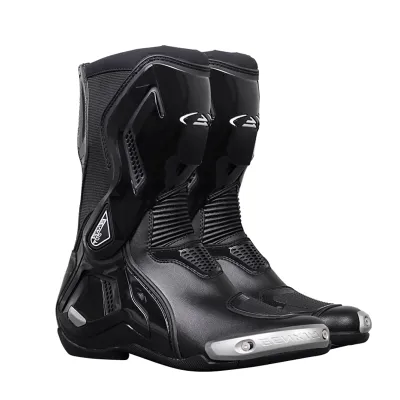
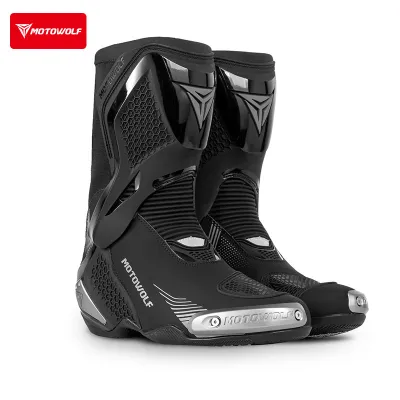
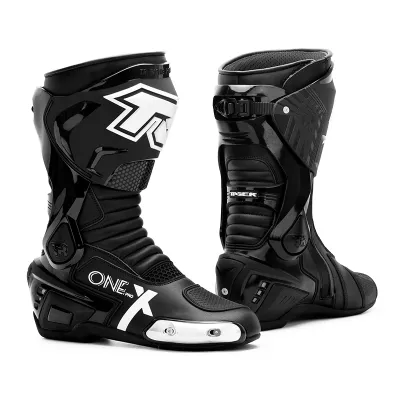
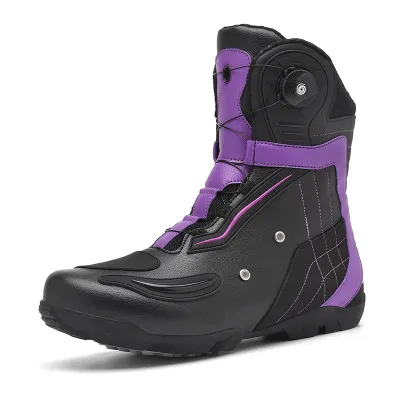
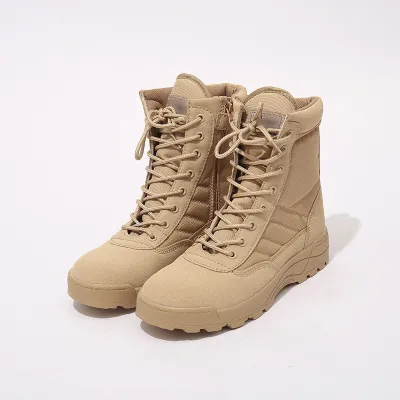
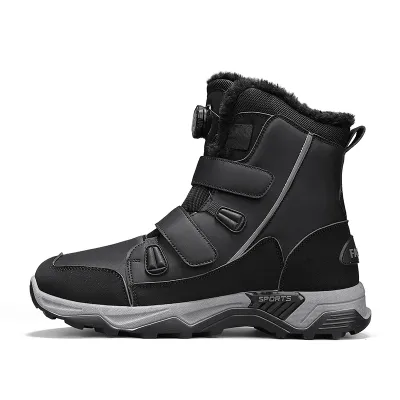

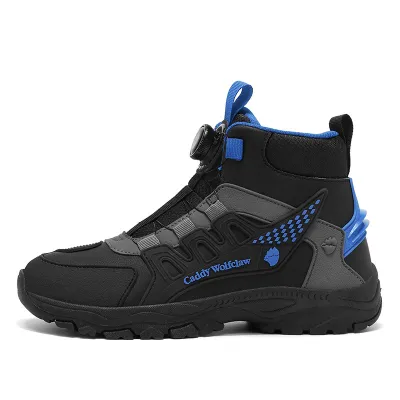
Prices are valid at publication and may change. Please refer to the product page for the latest price.
The safety risk profiles of these two riding styles also diverge. Urban riders are highly susceptible to low-speed tip-overs, lateral ankle crushing from sliding vehicles, and minor abrasions from road debris or oil slicks at intersections. Long-distance highway riders face much higher impact forces, potential high-speed slides, and severe weather-induced fatigue that can slow down reaction times.
Key Features to Look for in Daily Commuting Riding Boots for Motorcycle Use
For riders navigating the daily grind, practicality and comfort off the bike are just as important as safety on the road. Commuter-focused riding boots for motorcycle use are specifically engineered to bridge this gap, integrating protective elements into designs that mimic casual sneakers or low-profile work boots.

Convenience and Walkability A commuter boot must be easy to slip on and off, especially when rushing to start a morning shift. Quick-entry systems such as heavy-duty side zippers, speed laces, or micro-adjustable BOA dial systems allow you to secure or remove the boots in seconds. Furthermore, the sole of a commuter boot must incorporate longitudinal flexibility. Unlike rigid racing boots, commuter footwear utilizes flexible rubber outsoles and cushioned midsoles that support natural heel-to-toe walking, ensuring you do not suffer from sore arches during a walk to your desk.
Climate Adaptation Riding in tropical climates requires careful heat management. Heavy, unventilated leather boots quickly turn into sweatboxes in slow-moving city traffic, leading to discomfort. Commuter boots solve this by utilizing highly breathable mesh panels, perforated leather inserts, or moisture-wicking inner linings that actively pull sweat away from the skin. However, riders must weigh this airflow against a slight trade-off: highly ventilated textile boots generally offer less slide protection and lower water resistance than solid, heavy-duty leather alternatives.
Low-Profile Protection While commuter boots prioritize walkability, they do not sacrifice essential safety features. A proper commuter boot features reinforced shift pads over the toe box to prevent the gear lever from wearing down the material. It also includes integrated, low-profile ankle cups made of dual-density foam or molded plastic to guard against lateral impacts. A crush-resistant heel counter and a reinforced toe box provide structural rigidity, ensuring your foot is protected if the motorcycle tips over onto your ankle at a red light.
Water Resistance vs. Waterproofing Unpredictable tropical weather means sudden downpours are a constant reality. For short daily commutes, water-resistant treatments—such as durable water repellent (DWR) coatings on canvas or treated leather—are often sufficient to keep your feet dry during brief, light showers. However, if your daily route involves navigating deep puddles or riding through sustained monsoon rains, investing in boots with a fully integrated waterproof membrane is highly recommended. Keep in mind that waterproof membranes can reduce overall breathability on hot, dry days.
Critical Specifications for Long-Distance Touring Boots
When embarking on extended journeys that span hundreds of kilometers, your requirements shift from casual walkability to heavy-duty protection and long-term comfort. Touring boots are specialized tools designed to withstand the physical toll of sustained highway riding while shielding you from severe weather and high-speed hazards.
Maximum Coverage and Support Unlike low-cut commuter shoes, dedicated touring boots feature a full-height design that extends up the calf, covering the ankle, lower leg, and shin. This extended coverage allows for the integration of large, rigid thermoplastic polyurethane (TPU) shin guards to deflect flying stones and road debris. Additionally, high-quality touring boots incorporate robust ankle bracing systems or semi-rigid lateral supports. These structures limit the ankle’s range of motion during a crash, preventing severe hyperextension or rotational twisting under the weight of a heavy touring motorcycle.
Sole Rigidity and Peg Grip A soft, flexible sole is a liability on a long-distance tour. Standing on narrow metal footpegs or maintaining a constant riding position for hours puts immense pressure on the arches of your feet, leading to severe fatigue and cramping. Touring boots address this with highly rigid soles reinforced with internal steel or composite shanks. This stiffness distributes your body weight evenly across the entire sole, minimizing localized pressure points. The outer sole should be constructed from oil-resistant, high-grip rubber compounds with deep tread patterns, ensuring secure footing when stopping on greasy gas station concrete.
Weatherproofing and Insulation A touring rider cannot simply pull over and wait out every rainstorm. True touring boots rely on premium, breathable waterproof membranes, such as Gore-Tex or high-performance proprietary laminates, which are bonded directly to the inner side of the outer shell. These membranes feature microscopic pores that are too small for liquid water droplets to penetrate, yet large enough to allow sweat vapor to escape, keeping your feet dry from both external rain and internal perspiration. For high-altitude tours where temperatures drop, these boots also provide excellent windproofing, helping to retain natural body heat.
Abrasion and Tear Resistance At highway speeds, the friction generated during a slide is immense. Touring boots are constructed from premium, thick full-grain leather (typically 1.5mm to 2.0mm thick) or advanced synthetic microfibers that offer comparable abrasion resistance with superior consistency. High-wear areas, such as the outer ankle, heel, and toe box, are reinforced with double or triple-stitched seams using heavy-duty nylon thread. This robust construction ensures the boot remains intact during a prolonged slide, shielding your skin and bones from severe friction injuries.
Commuter vs. Touring Boots: A Feature Comparison
To help you visualize the distinct engineering philosophies behind these two types of footwear, the following table compares their performance across key riding dimensions.
| Feature/Dimension | Daily Commuting Boots | Long-Distance Touring Boots |
|---|---|---|
| Ankle and Shin Coverage | Low to mid-height (covers ankle bone only) | Full-height (extends up the calf to cover the shin) |
| Sole Flexibility (Walking vs. Riding) | High (flexible rubber/EVA for comfortable walking) | Low (stiff internal shank to reduce footpeg fatigue) |
| Weather Protection Level | Low to moderate (water-resistant or light membranes) | High (fully waterproof, windproof breathable membranes) |
| Breathability/Heat Management | High (mesh panels, perforations for city traffic) | Moderate (optimized for highway speeds, runs warm) |
| Weight and Bulk | Lightweight, low-profile, looks like casual wear | Heavy, bulky, highly structured protective armor |
| Primary Safety Focus (Abrasion/Low-speed vs. Impact/High-speed) | Low-speed abrasion and lateral ankle crush protection | High-speed impact, shin deflection, joint stabilization |
This comparison highlights that neither boot type is universally superior; rather, each is optimized for a specific riding environment. Choosing the right boot requires assessing where you spend the majority of your time on two wheels. If your riding consists of ninety percent city commuting and ten percent weekend touring, prioritizing a highly walkable, breathable commuter boot is the logical choice. Conversely, if you regularly tackle multi-day road trips across provinces, the advanced safety and weatherproofing of a dedicated touring boot are non-negotiable.
The Crossover Compromise: Can One Boot Handle Both?
For riders operating on a single-pair budget or those whose riding habits are evenly split between city streets and provincial highways, purchasing two specialized pairs of boots may not be practical. This has led to the rise of the “crossover” or mid-height sport-touring boot category, which attempts to strike a balance between daily utility and long-distance protection.
These crossover boots typically feature a mid-cut design that sits just above the ankle bone. They utilize moderately stiff soles that offer better peg support than a casual commuter shoe while retaining enough longitudinal flex to allow for short walks without discomfort. Many options in this category feature water-resistant materials or lightweight waterproof linings, making them highly versatile across changing weather conditions.
However, choosing a crossover boot involves accepting clear compromises. In heavy, slow-moving urban traffic, these boots can feel noticeably warmer and bulkier than highly ventilated commuter shoes. On the highway, they lack the comprehensive shin armor and rigid ankle bracing systems found in full-height touring boots, leaving you more vulnerable in a high-speed crash. A crossover boot is an excellent, cost-effective solution for weekend leisure riders who enjoy occasional long-distance trips. However, for dedicated highway tourers or daily commuters facing extreme tropical heat, using specialized footwear remains the safest and most comfortable approach.
Fitting and Pre-Ride Safety Checks
Regardless of the style you choose, a riding boot can only protect you effectively if it fits correctly and is in good working condition. When selecting your boots, always try them on with the specific technical socks you plan to wear while riding. Walk around to ensure there is no heel lift, which can cause blisters and reduce control. Verify that there is adequate wiggle room in the toe box so you can operate the gear shifter and rear brake pedal without restriction, and check that there are no painful pressure points pressing against your ankle bones.
Before finalizing your purchase, verify the boot’s safety credentials by inspecting the internal label. Look for the CE certification mark, specifically the EN 13634 standard for protective motorcycle footwear. This label features a motorcycle pictogram followed by a series of four numbers (e.g., 2 2 2 2). These numbers represent ratings (Level 1 or Level 2) for boot height, abrasion resistance, impact cut resistance, and transverse rigidity. Understanding these ratings ensures you are buying certified protection.
Finally, establish a quick pre-ride inspection routine, especially before embarking on a long tour. Check the outsoles for any signs of delamination or separation from the upper boot. Test the zippers, buckles, or BOA dials to ensure they lock securely and do not slip under tension. Inspect the shift pads for excessive wear or tearing, and make sure any traditional laces are tucked securely inside the boot or under an ankle strap to prevent them from snagging on your motorcycle’s controls.
Frequently Asked Questions (FAQ)
Are regular work boots or sneakers safe for daily commuting?
No, standard work boots and casual sneakers do not provide adequate protection for motorcycle riding. While heavy leather work boots may seem tough, they lack the internal ankle cups, reinforced toe boxes, and crush-resistant soles required to protect your feet from being crushed under a falling motorcycle. Furthermore, standard sneakers tear apart almost instantly when subjected to asphalt abrasion. Traditional laces also present a major safety hazard, as loose loops can easily snag on the gear shifter, footpegs, or rear brake pedal, preventing you from putting your foot down at a stop and causing an avoidable tip-over. Purpose-built commuter riding boots or shoes are the minimum safe standard for urban riding.
How should I maintain the waterproof membrane in my touring boots?
Maintaining the waterproof membrane in your touring boots requires regular cleaning and proper care to preserve both its waterproof integrity and breathability. Over time, road grime, mud, and dust clog the microscopic pores of membranes like Gore-Tex, trapping sweat inside and allowing outer fabrics to absorb water. Clean your boots regularly using a soft brush, warm water, and manufacturer-approved footwear cleaners. Once dry, apply a water-repellent spray or specialized conditioner compatible with your boot’s outer material (leather or textile) to help water bead off the surface. Never use harsh household detergents, bleach, or heavy silicone-based polishes, as these will permanently clog the membrane’s pores. Additionally, always allow your boots to dry naturally in a well-ventilated room; exposing them to direct high heat can warp the leather and delaminate the internal waterproof liner.
Community discussion
Share your experience or ask a question. Comments are reviewed before publication.