
Finding a reliable motorcycle helmet under ₱2,000 in the Philippines is entirely possible, but it requires a careful balance of safety verification and realistic expectations. To secure a helmet that is both legally compliant and physically protective within this budget, you must look for genuine Philippine Standard (PSB) or Import Commodity Clearance (ICC) marks, prioritize structural integrity over flashy designs, and perform hands-on quality checks. By focusing on these core safety elements, you can confidently navigate the market without compromising your safety on the road.
Setting Your Safety and Budget Baseline for Motorcycle Helmets
Riding a motorcycle in the Philippines exposes you to unpredictable road conditions, heavy traffic, and sudden weather changes. Under Philippine law, specifically Republic Act No. 10054, all riders must wear heavy-duty motorcycle helmets equipped with official safety seals. These seals come in two forms: the PSB mark for locally manufactured helmets and the ICC mark for imported ones. Riding without a certified helmet not only invites steep fines at checkpoints but, more importantly, leaves you vulnerable to catastrophic head injuries.
When working with a strict budget of ₱2,000, you must establish clear priorities. This price point is highly competitive, but it requires you to distinguish between essential safety features and non-essential cosmetic upgrades. A ₱2,000 budget is more than enough to purchase a legally compliant, structurally sound helmet that will protect your head during an impact. However, you must accept that your money is paying for the core protective elements—namely, the outer shell and the impact-absorbing liner—rather than premium comfort features, advanced aerodynamics, or integrated communication systems.
Products mentioned in this guide
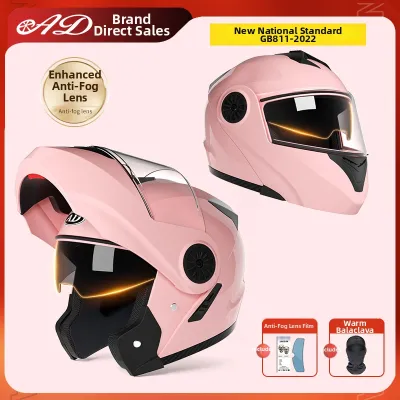
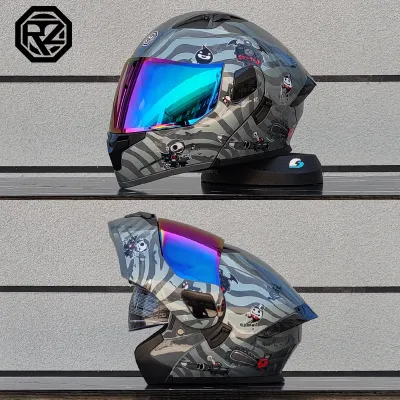
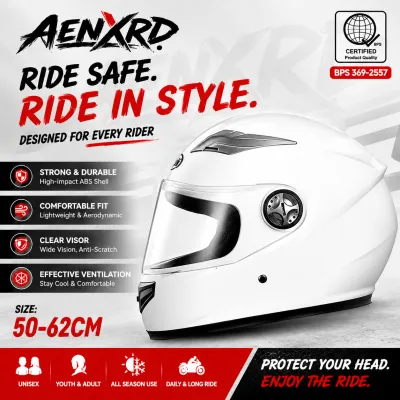
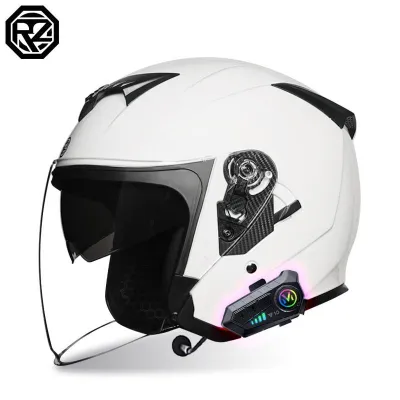
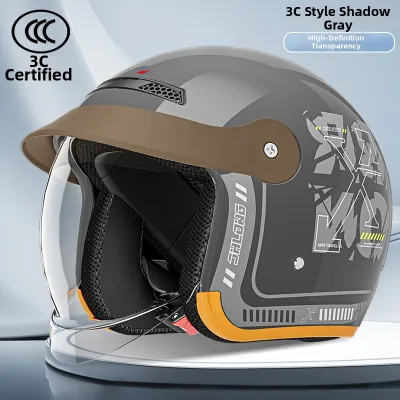
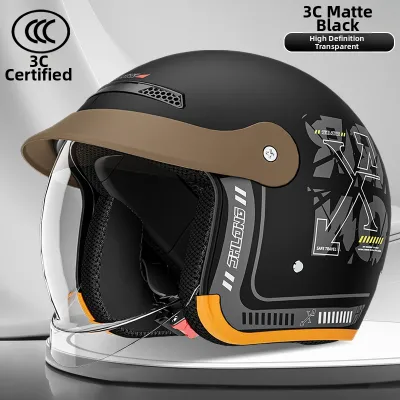
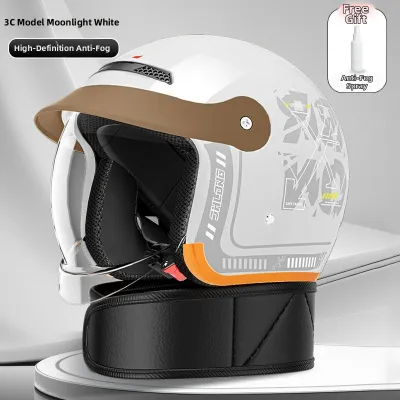
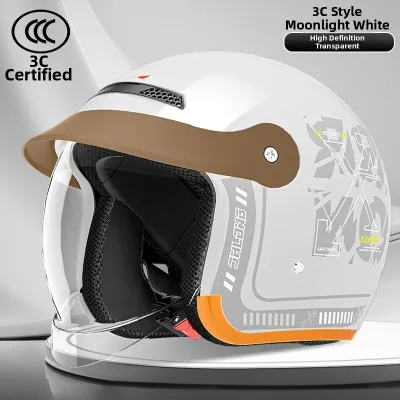
Prices are valid at publication and may change. Please refer to the product page for the latest price.
To get the most safety for your money, always prioritize structural integrity and official certification over aesthetic enhancements. Flashy graphics, colorful spoiler extensions, and pre-installed tinted visors may look appealing, but they do not contribute to impact absorption. In fact, some low-end manufacturers use bright designs to distract buyers from thin shells or substandard inner liners. When choosing a budget helmet, look for plain, solid-colored models from reputable distributors. This ensures that the manufacturer’s production budget went into quality materials and rigorous safety testing rather than expensive paint jobs.
How to Verify Authentic PSB and ICC Certification Marks
With the market flooded with counterfeit riding gear, knowing how to spot genuine safety marks is a critical skill for every Filipino rider. Authentic ICC and PSB marks are official government-issued proofs of compliance. A genuine ICC sticker is typically a small, silver, holographic decal affixed to the rear of the helmet shell. It features a unique serial number, a clear Department of Trade and Industry (DTI) logo, and micro-printing that is difficult to replicate. When you tilt the helmet under direct light, the holographic elements should shift cleanly without looking blurry or pixelated.

It is vital to understand the difference between a manufacturer’s self-declared quality sticker and an official government clearance mark. Many budget helmets sold online feature prominent “DOT” or “ECE” graphics painted directly onto the shell. While these international standards are highly respected, a painted logo on a budget helmet does not guarantee that the specific unit has undergone local verification. In the Philippines, the law specifically mandates the physical presence of the ICC or PSB sticker. A manufacturer can easily print “DOT Approved” on a substandard plastic shell, but only authorized importers and manufacturers can legally obtain and apply the official DTI stickers.
If you encounter a helmet with a suspicious-looking mark, you must take active steps to verify its authenticity before handing over your money. Genuine stickers are securely bonded to the helmet’s clear coat or shell and cannot be easily peeled off in one piece. If a sticker looks crooked, has lifting edges, or shows signs of being transferred from another helmet, treat it as a major red flag. You can verify the legitimacy of the certification by cross-referencing the importer’s details and the helmet’s brand with the official list of certified products maintained by the Bureau of Product Standards (BPS). If the brand or the specific model does not appear on the official registry, the helmet should not be trusted.
Realistic Expectations for Helmets Under ₱2,000
Understanding what goes into a budget-friendly helmet helps you make an informed decision and avoids disappointment after your purchase. In the sub-₱2,000 price bracket, the vast majority of certified helmets utilize Acrylonitrile Butadiene Styrene (ABS) plastic for the outer shell. ABS is a highly durable, impact-resistant thermoplastic that provides excellent penetration resistance. However, compared to premium materials like fiberglass, carbon fiber, or aramid composites, ABS is significantly heavier. A typical budget full-face helmet in this tier may weigh between 1.4 to 1.6 kilograms. While this weight is perfectly safe and manageable for daily commutes, it can lead to mild neck fatigue during long, multi-hour rides.
In terms of features, you can realistically expect a solid set of basic conveniences that make daily riding comfortable. Standard offerings in this price range include adjustable ventilation ports on the chin and forehead, a scratch-resistant clear visor, and a removable, washable inner comfort liner. Removable liners are particularly important in the hot, humid tropical climate of the Philippines, as they allow you to wash out sweat, dirt, and hair oils to prevent odor and skin irritation. However, you should skip looking for premium add-ons like dual-visor systems, pinlock-ready anti-fog visors, or dedicated speaker pockets for Bluetooth intercoms, as these features often compromise the quality of the core materials at this price point.
Accepting certain trade-offs is necessary when staying within a strict budget. For instance, budget helmets often exhibit higher levels of wind noise at speeds above 60 kilometers per hour due to simpler aerodynamic designs and less sophisticated rubber gaskets around the visor port. Additionally, the retention system will almost certainly be a micrometric quick-release plastic or metal buckle rather than the highly secure double D-ring system found on racing helmets. While a micrometric buckle is highly convenient for quick daily errands, you must ensure the mechanism is made of high-quality materials and locks firmly into place without any play.
A Practical Checklist for Evaluating Budget Helmets
Before finalizing your purchase, use this structured checklist to evaluate the physical helmet in person. This hands-on inspection ensures you do not end up with a defective or degraded product.
- Check the Manufacturing Date: Locate the manufacturing label, which is usually sewn onto the chin strap or printed on a sticker underneath the comfort liner. The impact-absorbing Expanded Polystyrene (EPS) foam liner inside the helmet naturally degrades over time due to environmental exposure, even if the helmet has never been worn. Avoid buying any helmet that has been sitting on a retail shelf for more than three to five years, as the foam may have lost its elasticity and impact-absorbing capabilities.
- Evaluate the Retention System: Fasten the chin strap and pull down hard on the buckle. The mechanism must lock instantly and remain completely secure under tension. If you are inspecting a micrometric quick-release buckle, ensure the plastic or metal teeth engage smoothly and do not slip when you pull the strap. The strap itself should be securely anchored to the helmet shell with heavy-duty metal rivets.
- Assess the Visor Mechanism: Open and close the visor multiple times. The movement should be smooth, with distinct detents that hold the visor open at different heights. Look through the visor to check for optical distortion, which can cause eye strain and misjudged distances on the road. Additionally, ask the retailer about the availability and cost of replacement visors; budget visors scratch easily, and you want to ensure you can buy a cheap replacement locally without needing to purchase a whole new helmet.
- Verify the Physical Fit: Put the helmet on and fasten the chin strap securely. The helmet should fit snugly around your entire head, pressing gently against your cheeks without causing sharp pain or pressure points on your forehead. Shake your head side to side and up and down; the helmet should move with your skin and not slide independently. A poorly fitting helmet, even one with perfect certification, can easily fly off or fail to protect your head during an accident.
Navigating Online Marketplaces and Avoiding Purchasing Pitfalls
Buying a helmet online can be highly convenient, but it also exposes you to significant safety and financial risks. Online marketplaces are frequently home to unauthorized sellers offering counterfeit helmets with fake ICC or PSB stickers. To protect yourself, avoid listings that use generic stock photos instead of actual product images, and be highly skeptical of prices that seem too good to be true. If a full-face helmet is listed for ₱500 to ₱800, it is highly unlikely to possess genuine certification or adequate impact protection, regardless of what the product description claims.
When shopping online, always factor in the total checkout cost. Shipping fees, packaging surcharges, and local delivery taxes can easily push a ₱1,800 helmet past your strict ₱2,000 budget limit. Furthermore, buying from unverified online shops makes returning a poorly fitting helmet incredibly difficult and expensive. If possible, use online platforms only to research models, and then make your actual purchase at a physical, authorized retail store where you can try the helmet on and inspect the safety stickers in person.
Under no circumstances should you purchase a second-hand, “open-box,” or display-model helmet to save money. Helmets are single-impact safety devices designed to destroy themselves to protect your brain. Once the inner EPS liner has been compressed by an impact—even a minor drop from a motorcycle seat onto concrete—it loses its ability to absorb future impacts. This damage is almost always invisible from the outside. Buying a used helmet means risking your life on a liner that may already be structurally compromised. If you cannot verify a helmet’s complete history, walk away immediately and buy a brand-new, certified budget model instead.
Frequently Asked Questions (FAQ)
Is it legal to ride with a helmet that only has an ICC mark and no PSB mark?
Yes, it is entirely legal. The Import Commodity Clearance (ICC) mark is the mandatory safety clearance issued by the Department of Trade and Industry (DTI) for all imported helmets entering the Philippines. Because the vast majority of motorcycle helmets sold locally are manufactured abroad, the ICC sticker is the most common legal proof of compliance you will encounter. Local traffic enforcers and LTO officers recognize both the PSB and ICC marks as fully valid and equivalent under the law, provided the sticker is genuine and matches the helmet’s brand and model.
How often should I replace a budget motorcycle helmet?
As a general rule, you should replace your motorcycle helmet every three to five years of regular use, or immediately after any accident or drop. Over time, exposure to the intense tropical sun, heavy rain, sweat, hair oils, and cosmetics degrades both the outer ABS shell and the inner EPS foam liner. Even if the helmet looks perfectly fine on the outside, the protective materials slowly harden and lose their ability to cushion your head during an impact. If your helmet suffers a hard fall from a height of more than one meter, or if you are involved in any crash, the EPS liner has done its job and must be replaced immediately, regardless of how new it is.
Community discussion
Share your experience or ask a question. Comments are reviewed before publication.