
Riding a motorcycle in the Philippines during the wet season presents unique challenges. Sudden downpours, localized flooding, and high humidity require gear that does more than just block water. To choose the right raincoat pants for motorcycle riding, you must look beyond basic waterproofing and focus on motorcycle-specific designs that handle high-speed wind pressure, engine heat, and physical wear. A well-designed pair balances robust water resistance with breathability to keep you dry from both the rain outside and sweat inside.
Investing in dedicated motorcycle rain pants is essential for maintaining control, comfort, and safety on wet roads. Standard rainwear often fails under the demands of riding, ballooning up in the wind or tearing at the seams. By understanding the key design elements, material specifications, and safety features, you can select gear that keeps you protected throughout the wettest months of the year.
Key Features to Look for in Motorcycle Rain Pants
When searching for the right motorcycle rain pants, it is crucial to understand the difference between dedicated riding gear and generic rainwear. Motorcycle-specific rain pants are engineered to withstand the unique forces experienced while riding, such as high-speed wind, constant friction against the seat, and exposure to engine heat. Generic rain pants often lack these reinforcements, leading to rapid wear, water leakage, and potential safety hazards.
Products mentioned in this guide
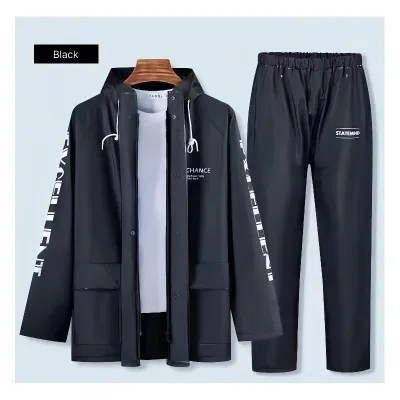
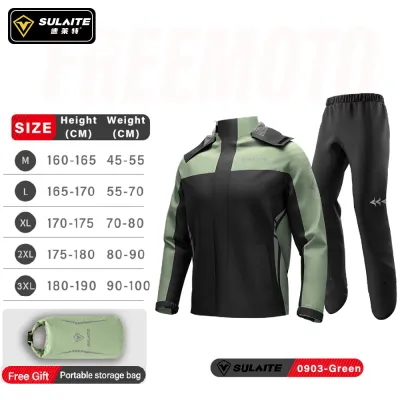
![[COD] CISWGE SPORTS Motorcycle Motorbike Rainproof Single Pants Waterproof Unisex Riding Fishing Adult Outdoor Fishing Breathable Wear Rain Pants](https://img.lazcdn.com/g/p/3724d3ba46867b7c4efe75f38ed868b1.jpg_400x400q80.jpg_.webp)
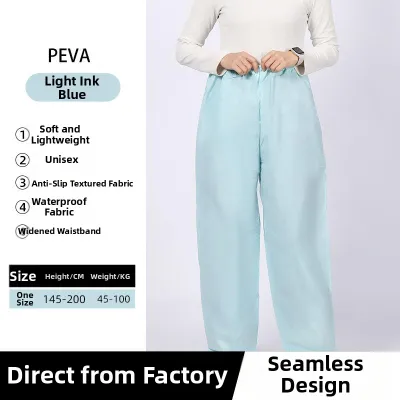
Prices are valid at publication and may change. Please refer to the product page for the latest price.
One of the first decisions you will need to make is choosing between over-pants and standalone waterproof riding pants. Over-pants are designed to be worn over your existing casual clothing or armored riding gear. They are highly convenient for daily commuters who need to transition quickly from the road to the office, as they can be easily slipped on when the rain starts and removed once you reach your destination. Standalone waterproof riding pants, on the other hand, serve as your primary trousers. They feature built-in impact armor and abrasion-resistant fabrics, offering a more integrated solution for long-distance riders who expect to face wet conditions for extended periods.
Reinforcement in high-wear areas is another critical feature that distinguishes quality motorcycle rain pants. The seat of the pants experiences constant friction and pressure against the motorcycle saddle. This pressure can quickly force water through standard fabrics and stitched seams. Look for pants that feature double-layered fabric or reinforced panels in the seat area to prevent water from seeping through. Additionally, the knees should be reinforced, as they are bent while riding and bear the direct impact of oncoming wind and rain.
The closure systems on the pants play a vital role in keeping water out. Standard elastic waistbands are rarely sufficient to prevent water from entering at highway speeds. Look for heavy-duty zippers, robust hook-and-loop fasteners, and secure snap buttons. Zippers should be covered by wide storm flaps that prevent wind-driven rain from penetrating the zipper teeth. Adjustable waistbands and ankle closures allow you to secure the pants tightly against your body and boots, preventing the fabric from flapping in the wind and stopping water from splashing up your legs.
Material and Construction: What Keeps You Dry
To ensure your rain pants will perform reliably in heavy downpours, you must look closely at the materials and construction methods used by the manufacturer. Waterproof claims can vary widely, so verifying these claims through technical specifications and observable details is essential.

Start by checking the garment tags or manufacturer specifications for waterproof ratings, often expressed as a hydrostatic head measurement in millimeters. This rating indicates the amount of water pressure the fabric can withstand before moisture begins to penetrate. For motorcycle riding, where wind speed significantly increases the pressure of water droplets hitting the fabric, a higher rating is necessary. A rating of 10,000mm is generally considered the minimum for riding in moderate rain, while ratings of 15,000mm to 20,000mm or higher provide enhanced protection during intense tropical downpours and prolonged exposure.
The way the seams are constructed is just as important as the fabric itself. Standard stitching creates thousands of tiny needle holes in the fabric, which will easily leak under the pressure of wind and rain. High-quality motorcycle rain pants feature fully taped or welded seams. Taped seams have a waterproof tape applied over the stitched lines on the inside of the garment, sealing the needle holes. Welded seams use heat and pressure to fuse the fabric panels together without any stitching, creating a completely seamless and waterproof bond. Inspect the interior of the pants to verify that the seams are properly sealed.
Most waterproof motorcycle gear also features a Durable Water Repellent (DWR) coating on the outer fabric layer. This chemical treatment causes water to bead up and roll off the surface rather than soaking into the material. Over time, friction, dirt, road grime, and improper washing will degrade this coating, causing the outer fabric to absorb water—a phenomenon known as “wetting out.” While the inner waterproof membrane may still keep you dry, a wetted-out outer fabric becomes heavy, cold, and significantly less breathable. Always review the manufacturer’s care instructions to understand how to maintain and periodically restore this DWR coating.
Safety and Visibility on Wet Roads
Riding in the rain significantly increases road hazards due to reduced traction and poor visibility. Therefore, your choice of rain pants must prioritize safety features that keep you visible to other motorists and protected in the event of a fall.
Visibility is a primary concern during heavy downpours and nighttime riding. Standard dark-colored rain gear can make you virtually invisible on wet, dark asphalt. Look for rain pants equipped with high-quality retroreflective elements or high-visibility panels. These reflective strips should be strategically placed on the sides and back of the calves, as these areas move constantly while riding and are highly visible to the headlights of surrounding vehicles. Verify that the reflective material is durable and integrated into the design rather than cheaply printed on the surface.
Impact protection should not be sacrificed for weatherproofing. If you choose to wear over-pants, ensure they are roomy enough to fit comfortably over your existing knee and hip armor without restricting your movement or pulling the fabric tight. If you prefer standalone waterproof riding pants, verify that they include dedicated pockets for impact-absorbing armor inserts at the knees and hips. The armor should be adjustable so that it sits correctly over your joints when you are in the riding position.
Finally, ensure that the rain pants do not restrict your movement or interfere with the motorcycle’s controls. You must be able to easily swing your leg over the saddle, bend your knees comfortably, and operate the foot pegs, gear shifter, and rear brake pedal without any resistance. Loose, baggy fabric can catch on foot pegs or other motorcycle parts, posing a serious safety risk. Look for a tailored fit that minimizes excess fabric while still allowing a full range of motion.
Fit, Comfort, and Ease of Use
The practical performance of motorcycle rain pants depends heavily on how easy they are to use and how comfortable they remain during long hours on the road. A pair of pants that is difficult to put on or uncomfortable to wear will likely be left behind, leaving you unprotected when a sudden storm hits.
One of the most convenient features to look for is full-length or half-length side zippers. When a sudden downpour begins, you need to be able to put on your rain gear quickly on the side of the road. Side zippers allow you to open the pant legs wide, enabling you to slip them on over your riding boots without having to take your footwear off. This is especially important when standing on wet, muddy roadsides where removing your boots is highly impractical. Ensure these zippers are robust and backed by wide storm flaps to prevent water ingress.
Adjustability is key to achieving a secure and comfortable fit. Look for pants with adjustable waistbands, calf straps, and ankle cuffs. These features allow you to cinch the pants tightly against your body and boots, preventing the fabric from flapping excessively at high speeds. Flapping fabric is not only noisy and distracting, but it also causes premature wear on the material and seams. Secure ankle cuffs also prevent water from splashing up into your boots from the road surface.
In the hot and humid climate of the Philippines, breathability is a critical comfort factor. Wearing non-breathable plastic or PVC rain pants can quickly turn the interior into a sauna, leaving you soaked in sweat. Look for rain pants that incorporate breathable membranes or specialized venting options. Breathable fabrics feature microscopic pores that are too small for liquid water droplets to pass through but large enough to allow sweat vapor to escape. Integrated vents, such as zippered thigh vents with waterproof flaps, can also help manage airflow and condensation inside the pants.
Building Your Shortlist: Matching Pants to Your Riding Style
To find the right pair of motorcycle rain pants, you must evaluate your typical riding scenarios and match the gear to your specific needs. Daily urban commuters navigating city traffic have different requirements than long-distance touring riders exploring provincial routes.
For the daily urban commuter, quick deployment, lightweight materials, and compact storage are the top priorities. You want rain over-pants that can be folded tightly into a small carrying pouch and stored under your motorcycle seat or in a backpack. These pants should be easy to slip on over office attire or casual wear at a moment’s notice. Look for designs that focus on ease of use and basic waterproof protection for short-to-medium commutes through city traffic.
For long-distance touring riders, durability, heavy-duty weather resistance, and integrated safety features are paramount. You will need robust, abrasion-resistant materials that can withstand hours of continuous exposure to heavy rain and high-speed wind pressure. Look for pants with high waterproof ratings, fully taped or welded seams, integrated armor pockets, and advanced breathable membranes. These pants must provide comfort and protection over long hours in the saddle, regardless of how severe the weather becomes.
Before making your final decision, establish a pre-purchase checklist to ensure a successful purchase. Always consult the manufacturer’s specific sizing charts, keeping in mind that over-pants are often sized larger to accommodate regular clothing underneath. Verify the return and exchange policies of authorized local retailers to ensure you can swap sizes if the fit is not perfect. Allocate your budget in ₱, keeping in mind that investing in a high-quality, durable pair from an authorized dealer is more cost-effective than replacing cheap, easily torn alternatives every season.
Frequently Asked Questions (FAQ)
How do I properly clean and maintain my motorcycle rain pants?
To maintain the waterproof performance and longevity of your motorcycle rain pants, always follow the specific wash and dry instructions on the garment tag. Generally, hand washing with mild soap or a specialized technical wash is recommended, as harsh household detergents can strip the waterproof membrane and DWR coating. Avoid machine drying, dry cleaning, or using fabric softeners, as the high heat and chemicals can melt or degrade the waterproof barriers. After washing, hang the pants to air dry in a shaded, well-ventilated area. If you notice that water is no longer beading on the outer fabric, you can restore the water-repellent performance by applying an aftermarket DWR spray-on or wash-in treatment designed for technical outerwear.
Can I use regular hiking or outdoor rain pants for motorcycle riding?
While hiking or outdoor rain pants are excellent for walking, they are not designed to handle the unique stresses of motorcycle riding. Standard outdoor pants typically lack the necessary abrasion resistance and reinforced panels in the seat and knees, making them highly susceptible to tearing during a slide or wearing out quickly from saddle friction. Furthermore, hiking pants are not engineered to withstand high-speed wind pressure. At motorcycle speeds, the wind can easily force water through standard zippers and stitched seams, and the fabric may balloon or flap violently, distracting the rider and causing premature wear. Investing in motorcycle-specific rain pants ensures you have the durability, reinforcement, and safety features required for the road.

Community discussion
Share your experience or ask a question. Comments are reviewed before publication.