
Selecting the right car window tint for the intense heat in the Philippines requires balancing heat rejection, visibility, and legal compliance. While many vehicle owners assume that a darker tint automatically provides better relief from the tropical sun, the actual heat-blocking performance depends on the film’s material composition and technical specifications. Opting for a high-quality ceramic or carbon-ceramic film generally offers a highly effective defense against solar heat without compromising nighttime visibility or electronic signal transmission.
Because window tint installation involves applying film near sensitive vehicle electronics, defogger lines, and optical sensors, always consult your vehicle’s owner manual. It is highly recommended to have the film applied by a qualified professional installer to prevent damage to glass surfaces and electrical components.
Decoding Heat Rejection Specs for Tropical Climates
To make an informed decision, vehicle owners must look past marketing buzzwords and understand the technical metrics listed on product datasheets. The most reliable indicator of a window film’s overall heat-blocking capability is Total Solar Energy Rejected (TSER). TSER measures the percentage of total solar energy—including ultraviolet (UV) light, visible light, and infrared radiation—that the film prevents from entering the vehicle. A higher TSER percentage indicates a more comfortable cabin, especially during peak afternoon hours when solar radiation is at its strongest.
Products mentioned in this guide
227 Lazada user ratings
Photos not related. Siguro pang lima ko ng order sa shop na ito. Mabilis dumating ang item. Ang ginagawa namin sa tint ay bibili kami ng mah…Read full reviewShow less
Photos not related. Siguro pang lima ko ng order sa shop na ito. Mabilis dumating ang item. Ang ginagawa namin sa tint ay bibili kami ng mahaba tapos kami na lang mag gugupit dito sa bahay. Nilalagay namin ito sa sasakyan. Maganda ang quality at yung 35%, yun yung mid shade color ng tint. Hindi maitim, hindi rin sobrang kita ang sakay sa loob. Tama lang.
maganda ang tint dito sa shop na ito. 2nd time ko na mag-order dito. Tama ang size na pinadala nila. Hindi rin sira ang item.
Multiple tint shades, Heat insulation, Blocks UV rays, Suitable for cars, High-quality plastic,
91 Lazada user ratings
Perfect for home use, Good quality film, Easy to install, Fast shipping service, No residue when removed,
Good quality film, Strong adhesive, Fast shipping service,
249 Lazada user ratings
👌Ease of Use:not yet installed 🔨Durability:sana magtagal 🔒Safety:fine 💪Effectiveness:looks great mabilis dumating parcel, sana lang tumagal …Read full reviewShow less
👌Ease of Use:not yet installed 🔨Durability:sana magtagal 🔒Safety:fine 💪Effectiveness:looks great mabilis dumating parcel, sana lang tumagal pag okey eto order ulet ako safe yung parcel kita sa package nkabox tlg may konting lukot siguro sa handling Suitable for multiple surfaces, Suitable for multiple surfaces, Scratch-resistant coating, No glue
Sorry late review. But no regrets. Fast shipping, properly and secured packaging and meet its purpose. Maraming salamat po 🙇
Thank you seller at rider 2nd time ko na nag-order sa store na to. Maayos maganda ang packaging. Thank you ulit.
Ok sana kaso nakupi yung box na lalagyan kay may lukot yung film, sana lang maingat yung nag dedeliver
Thank you lasada and siller
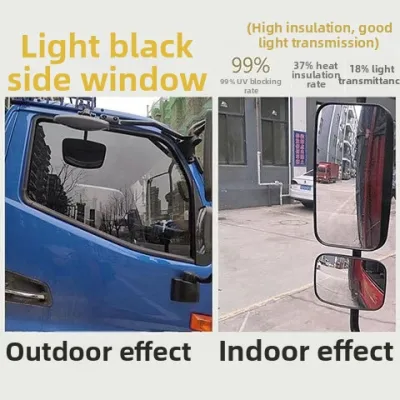
10 Lazada user ratings
never been installed , Wala pa time heat resistant :yes privacy; yes
The quality is great, it sticks well. Really impressive!
very nice. love it.
2 Lazada user ratings
🛠️Durability: Easy to apply, Privacy feature, Durable film,
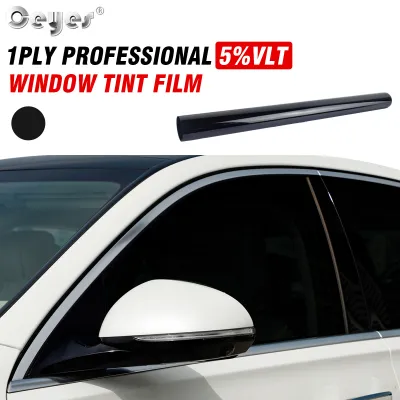
715 Lazada user ratings
Great window tint!, Provides privacy while driving, Provides privacy while driving, Improves the look of my car, Improves the look of my car…Read full reviewShow less
Great window tint!, Provides privacy while driving, Provides privacy while driving, Improves the look of my car, Improves the look of my car, Clear instructions for installation, Blocks UV rays effectively, Perfect fit for my car, Keeps the car cool,
High-quality material, Easy to apply, Perfect fit for my car, Perfect fit for my car, Improves the look of my car, Perfect fit for my car,
Provides privacy while driving, Improves the look of my car, Perfect fit for my car, Excellent value for money,
Excellent value for money, Improves the look of my car, Perfect fit for my car, Easy to apply,
Comes in good condition and will be ordering again soon.
Prices are valid at publication and may change. Please refer to the product page for the latest price.
Another critical metric is Infrared Rejection (IRR). Infrared light is the primary source of the heat you feel burning on your skin while driving. While some manufacturers highlight high IRR ratings to promote their products, it is important to remember that IRR only measures a specific band of the infrared spectrum. A high IRR does not automatically guarantee a high TSER, as visible light and UV rays also contribute to cabin heating. Therefore, you should evaluate IRR in conjunction with TSER to get an accurate picture of how the film will perform under sustained tropical exposure.
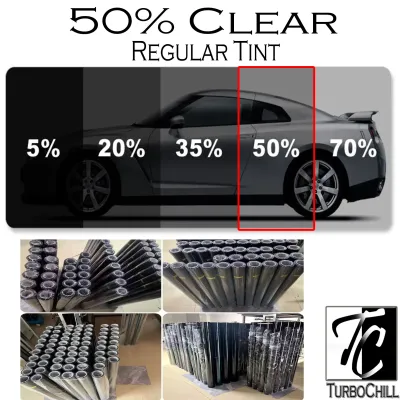
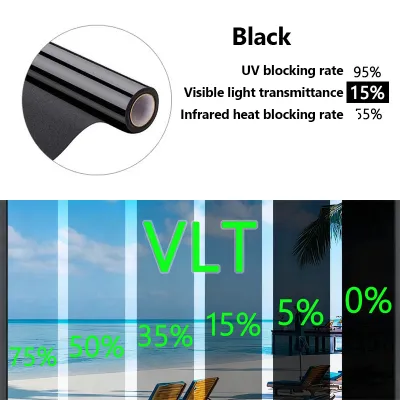
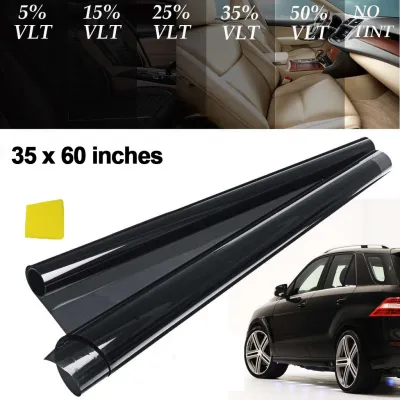
Visible Light Transmission (VLT) refers to the percentage of visible light that passes through the window film. A lower VLT percentage means a darker tint, which helps reduce glare and increases cabin privacy. However, a low VLT also reduces outward visibility, particularly during heavy rainstorms or nighttime driving on unlit provincial roads. When choosing a tint, you must balance the aesthetic and glare-reduction benefits of a low VLT with the safety requirement of maintaining a clear line of sight.
While TSER and IRR focus on heat, Ultraviolet Rejection (UVR) is another specification commonly displayed on product labels. Most high-quality films block up to 99% of UV radiation. While UV rays do not contribute significantly to the physical sensation of heat, they are the primary cause of interior fading, dashboard cracking, and skin damage. Ensuring your chosen film has a high UVR rating protects your car’s interior upholstery and dashboard from premature aging caused by daily exposure to intense sunlight.
To ensure you are getting the performance you pay for, always verify these specifications on the manufacturer’s official product datasheets, packaging, or authorized warranty cards. Avoid relying solely on verbal assurances from shop staff. Reputable brands provide detailed specification charts that clearly outline the TSER, IRR, and VLT for each film line, allowing you to make a data-driven choice suited to your driving habits.
Navigating Window Tint Regulations in the Philippines
Installing window tint is a vehicle modification that must comply with local traffic safety standards. The Land Transportation Office (LTO) regulates vehicle modifications to ensure that drivers maintain adequate visibility under all operating conditions. While specific VLT limits can vary depending on the vehicle classification and updates to local enforcement guidelines, the general rule is that the windshield and front side windows must remain light enough to allow clear visibility of the road and the vehicle’s occupants.

Achieving the right balance between legal compliance and heat rejection requires strategic planning. For the windshield, which is the largest entry point for solar heat, choosing a high-VLT (lighter) ceramic film with a high TSER allows you to block substantial heat while keeping your view unobstructed. For the rear side windows and rear windshield, where visibility regulations are typically more flexible, you can opt for a lower VLT (darker) film to enhance privacy and protect rear passengers from intense glare.
Maintaining clear visibility through the windshield is especially critical during the monsoon season, when sudden, heavy downpours can drastically reduce road visibility in seconds. A front windshield tint that is too dark can make it nearly impossible to spot pedestrians, road hazards, or lane markings under low-light conditions. Prioritizing safety by selecting a lighter, high-performance film for the front windshield ensures you retain maximum visibility during both nighttime driving and severe weather events.
Before finalizing your installation, ask the shop to perform a VLT meter test on a sample piece of film applied to your vehicle’s glass. Because automotive glass often has a slight factory tint, applying a film will result in a lower overall VLT than the film’s rating alone. Testing the combined glass and film with a calibrated light meter ensures your vehicle remains fully compliant with road safety regulations and avoids potential fines during roadside inspections.
Comparing Tint Materials for High-Heat Durability
Window films are manufactured using different technologies, each offering varying levels of durability and heat control under constant sun exposure. Dyed window films are the most budget-friendly option, but they rely on color pigments to absorb solar heat. Over time, prolonged exposure to intense UV radiation causes the dye to break down, leading to a purple discoloration and a significant loss of heat-rejection capability.
The degradation of dyed films is accelerated by the constant high temperatures and humidity characteristic of the local climate. As the organic dyes absorb solar energy, the heat causes the chemical bonds within the dye to break down. This chemical instability not only leads to the notorious purple hue but also causes the adhesive layer to fail, resulting in unsightly bubbles that impair your rear-view vision and reduce the resale value of your vehicle.
Carbon window films offer a step up in durability and performance. By incorporating carbon particles into the film layer, these tints absorb heat more effectively than dyed options and do not fade or turn purple over time. The matte finish of carbon films also reduces glare efficiently. However, because carbon absorbs heat rather than reflecting it, the glass itself can become quite hot, eventually radiating some of that heat back into the vehicle cabin during long drives.
Ceramic window films represent a high-performance option for high-heat environments. These films utilize non-conductive, nano-ceramic particles that reflect infrared radiation rather than merely absorbing it. This allows ceramic tints to achieve exceptional TSER ratings even at higher VLT percentages, meaning you can have a relatively light tint that still blocks more heat than a dark dyed film. Additionally, ceramic materials do not interfere with radio, GPS, or electronic toll collection signals.
When comparing these materials, always check the manufacturer’s warranty terms. High-quality ceramic and carbon films typically come with multi-year or lifetime warranties that cover specific defects such as bubbling, peeling, adhesive failure, or color fading. A manufacturer-backed warranty provides peace of mind that the film’s structural integrity will withstand the demanding tropical climate of the Philippines.
Your Selection and Installation Checklist
Before committing to a specific window tint, assess your vehicle’s existing glass characteristics. Many modern vehicles come equipped with factory privacy glass on the rear windows or specialized acoustic glass that already offers mild UV protection. Understanding your vehicle’s baseline glass specifications prevents you from over-specifying film properties or creating an excessively dark interior that compromises safety.
The quality of the installation environment is just as critical as the film itself. Ensure the installation facility utilizes a dust-controlled, enclosed bay to prevent airborne particles from getting trapped under the film during application. Furthermore, inquire whether the shop uses precision computer-cut patterns tailored to your specific vehicle model and year, or if they rely on manual blade cutting. Computer-cut films minimize the risk of installer blades scratching your vehicle’s glass or damaging sensitive defogger lines on the rear windshield.
Finally, review the warranty documentation carefully before the work begins. Verify that the warranty is officially registered online with the manufacturer rather than being a simple paper receipt issued solely by the retail shop. A genuine manufacturer warranty ensures that you can claim replacements at any authorized dealer if the adhesive fails or the film degrades prematurely under constant thermal stress.
Maintaining Window Tint Under Constant Sun Exposure
Proper post-installation care is essential to maximize the lifespan of your new window tint. Immediately after installation, observe the recommended curing period, which typically ranges from a few days to a week depending on ambient humidity and temperature. During this time, avoid rolling down your windows to allow the adhesive to bond completely to the glass. High ambient temperatures in the Philippines can actually assist in the drying process, but patience is necessary to prevent premature peeling along the window seals.
When cleaning your tinted windows, always use label-authorized cleaning products and soft microfiber towels. Avoid using ammonia-based glass cleaners, as ammonia chemically attacks the polyester layers and breaks down the adhesive backing, leading to cloudiness and peeling. Instead, opt for mild, ammonia-free soapy water or dedicated automotive glass cleaners that explicitly state they are safe for tinted windows.
Regularly inspect your windows for early signs of wear, such as small bubbles, lifting edges, or a hazy appearance. If you notice these issues, consult a qualified professional installer rather than attempting to peel or repair the film yourself. Prompt professional attention can often resolve minor edge lifting before the entire panel requires a costly replacement.
Frequently Asked Questions (FAQ)
Does a darker tint always mean better heat rejection?
No, the darkness of a tint (VLT) does not determine its heat-rejection capability. Traditional dyed tints can be very dark but only block a small fraction of solar heat. Conversely, advanced ceramic tints can be nearly clear while rejecting a high percentage of infrared radiation and total solar energy, providing excellent heat protection without compromising night visibility.
Will window tinting affect my car's electronic sensors or GPS?
It depends on the material. Metallic window films, which use microscopic metal particles to reflect heat, can interfere with radio signals, GPS navigation, mobile phones, and RFID tags used for tollways. Non-metallic films, such as carbon and ceramic tints, do not block electromagnetic signals, making them the recommended choice for modern vehicles equipped with electronic sensors and navigation systems.

Community discussion
Share your experience or ask a question. Comments are reviewed before publication.