
To find the right gear handle for truck applications, you must prioritize mechanical compatibility—specifically matching the thread size and pitch of your shifter stalk—before selecting a weight, shape, and material that suit your driving habits and withstand tropical conditions. A proper aftermarket gear handle improves shifting precision, reduces driver fatigue during long hauls, and ensures reliable control over your vehicle’s manual transmission. By focusing on physical fitment and ergonomic comfort rather than aesthetics alone, you can transform your daily driving experience.
Selecting a gear handle involves evaluating how the weight of the knob interacts with your transmission’s linkage and how the shape fits your natural grip. In the hot and humid climate of the Philippines, material choice also plays a critical role in daily usability, as cabin temperatures can rise significantly when parked under direct sunlight. This guide breaks down the essential technical criteria, recommended styles, and safety considerations to help you choose the ideal upgrade for your manual transmission truck.
Why Upgrade Your Factory Gear Handle?
Factory-installed gear handles are typically designed for basic utility and cost-effective mass production. Manufacturers often use lightweight, hollow plastic or basic rubberized materials that lack ergonomic refinement or optimal weight distribution. Over time, these stock knobs can become loose, slip in your hand, or degrade under constant exposure to UV rays and hand oils, leading to a less precise shifting feel.
Products mentioned in this guide
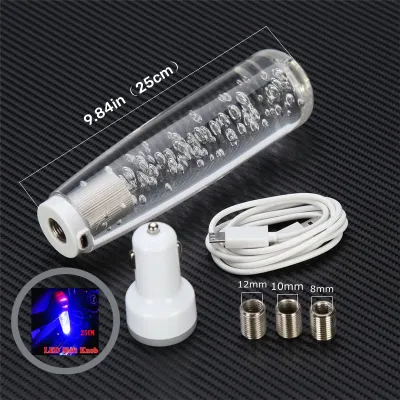

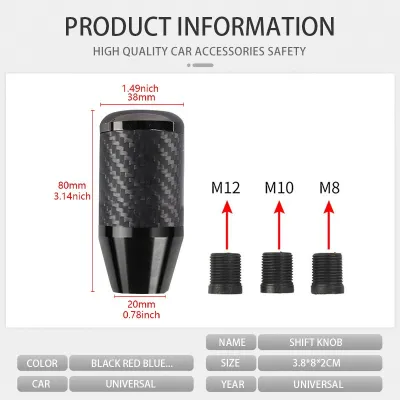
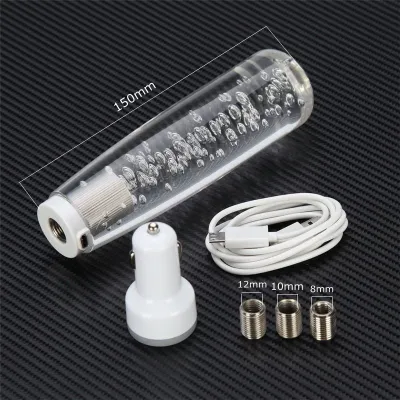
Prices are valid at publication and may change. Please refer to the product page for the latest price.
Upgrading to a high-quality aftermarket gear handle provides immediate physical benefits, including improved shifting smoothness and reduced hand fatigue. A well-designed knob offers a more comfortable point of contact, allowing you to execute gear changes with less physical effort. This is especially beneficial when navigating heavy stop-and-go traffic in urban centers or managing long provincial hauls where constant shifting is required.
Beyond mechanical performance, a new gear handle allows you to personalize your truck’s cabin aesthetics. Whether you prefer a rugged, heavy-duty look for an off-road build or a clean, professional appearance for a commercial vehicle, the right handle serves as a functional centerpiece. However, achieving these benefits requires matching specific mechanical and ergonomic criteria rather than simply choosing a visually appealing design.
Essential Fitment and Selection Criteria
Before purchasing any aftermarket gear handle, you must verify its physical compatibility with your truck’s shift lever. A mismatch in thread specifications or mounting style can lead to a loose installation, damaged threads, or an unsafe driving condition where the knob detaches during a critical gear change.

Thread Size and Adapter Compatibility
Truck shift levers come in a variety of thread diameters and pitches, which vary widely across different vehicle manufacturers and model years. For instance, many Japanese trucks utilize metric threads such as M10x1.25, M12x1.25, or M12x1.75, while older or American-made trucks may use imperial measurements. You should consult your vehicle’s owner manual, check official manufacturer documentation, or use a thread pitch gauge and caliper on the bare shifter stalk to identify the exact thread specifications before buying.
While some aftermarket gear handles are threaded directly for specific vehicle models, many utilize universal adapter kits. These kits typically include plastic or soft metal threaded sleeves designed to fit over the shifter stalk before the knob is screwed on. While convenient, universal adapters have distinct limitations; cheap plastic sleeves can strip easily under the heavy shifting forces common in trucks, leading to a wobbly or spinning knob. For maximum durability and safety, look for gear handles with solid brass or stainless steel threads that match your shifter stalk directly.
If your truck features a reverse lockout mechanism—such as a collar or ring below the knob that must be pulled upward to engage reverse—you must verify that the new gear handle provides sufficient clearance. Standard aftermarket knobs often lack the recess required to accommodate this collar, which can prevent you from shifting into reverse or lock the transmission out of gear entirely. Always cross-reference the physical dimensions of the knob’s base with your truck’s specific lockout design.
Weight and Shifting Dynamics
The mass of your gear handle directly influences the physics of your manual transmission’s shift linkage. Weighted shift knobs, which typically weigh between 300 and 500 grams, use kinetic inertia to assist your hand during gear changes. When you throw the shifter, the momentum of the heavier knob helps pull the lever through the gate and overcome the resistance of the transmission’s detent springs, resulting in a smoother, more positive engagement.
In contrast, lighter gear handles—such as those made of thin aluminum, carbon fiber, or hollow plastic—provide more direct, mechanical feedback from the transmission. While some drivers prefer this raw, connected feel, lighter knobs require more deliberate physical effort to push the lever into gear. This can make the shifting action feel notchier and more tiring over long driving sessions, particularly in older gearboxes with stiff linkages.
However, you must avoid excessively heavy gear handles that exceed safe limits for your specific transmission. A knob that is too heavy can place continuous, static pressure on the shift linkage, selector forks, and synchronizers when your hand is resting on it. Over time, this constant weight can accelerate wear on internal transmission components, potentially leading to premature synchronizer failure or gear slippage. Select a moderate, balanced weight that improves shifting smoothness without overloading the mechanical linkage.
Grip Style and Ergonomics
Your hand placement naturally changes during different shifting maneuvers, making the shape of the gear handle a critical factor in driver comfort. For example, drivers often use a palm-down grip when pushing the lever forward into first or third gear, but transition to a side-grip or palm-up pull when shifting into second, fourth, or reverse. The ideal shape should accommodate these shifting angles without forcing your wrist into unnatural positions.
Spherical or “cue ball” knobs are highly popular because they offer a uniform grip from any angle, making them versatile for various hand sizes and shifting styles. Teardrop or cylindrical shapes provide a taller gripping surface, which can be beneficial if you prefer to wrap your entire hand around the handle or if the shifter stalk is positioned relatively low in the cabin. These contoured shapes help distribute shifting forces across a larger surface area of your palm, reducing localized pressure points.
For heavy-duty trucks or off-road vehicles, T-handles and pistol-grip handles offer a distinct horizontal or angled gripping surface. These styles allow you to apply firm, direct leverage when navigating rough terrain or handling stiff gearboxes. However, because these shapes are highly directional, they can restrict your hand to a single grip position, which may cause wrist strain during prolonged stop-and-go driving. Choose a shape that allows your wrist to maintain a relaxed, neutral angle throughout the entire shift pattern.
Recommended Gear Handle Styles for Truck Drivers
Because individual driving demands and cabin layouts vary, aftermarket gear handles are categorized into distinct styles designed to address specific driver priorities. Understanding these categories helps narrow down your choices based on your primary use case.
Heavyweight Spherical Knobs for Effortless Shifting
- Best For: Daily commuters, urban delivery drivers, and anyone looking to smooth out a stiff or notchy manual gearbox.
- Why It Works: The concentrated mass of a weighted spherical knob acts as a counterweight, using momentum to glide the shifter into gear with minimal physical effort. The classic round shape fits comfortably in almost any hand size and allows for quick, multi-directional shifts without requiring precise hand alignment.
- Limitations: Solid metal spherical knobs conduct ambient temperatures rapidly. In tropical climates, they can become uncomfortably hot if the truck is parked under direct sunlight, requiring a cover or a brief cooling period before driving.
Ergonomic Contoured Grips for Long-Haul Comfort
- Best For: Professional truck drivers, logistics personnel, and those who spend several hours behind the wheel daily.
- Why It Works: These handles are anatomically shaped with finger grooves, palm swells, or flared bases that mimic the natural contours of a closed hand. By distributing the shifting pressure evenly across your palm and fingers, they significantly reduce hand fatigue, cramping, and muscle strain during long journeys.
- Limitations: Contoured grips are often larger and bulkier than standard knobs. They may feel awkward for drivers with smaller hands and can occasionally obstruct the view or accessibility of nearby dashboard controls or cup holders.
Classic T-Handles and Retro Styles for Custom Builds
- Best For: Owners of classic trucks, vintage restorations, off-road rigs, or drivers seeking a bold, nostalgic interior aesthetic.
- Why It Works: T-handles and retro-styled knobs (such as polished wood or vintage resin designs) provide a unique visual statement and a highly tactile shifting experience. The horizontal bar of a T-handle offers a solid anchor point for applying direct leverage, which is useful for older, mechanical linkages that require firm shifting inputs.
- Limitations: These styles prioritize form and specific leverage over modern ergonomic design. The hard edges of a metal T-handle can dig into your palm during quick, aggressive shifts, and they generally lack the balanced, fluid momentum of a weighted spherical knob.
Material Durability for Tropical Driving Conditions
In the Philippines, high ambient temperatures, intense sunlight, and high relative humidity place unique demands on interior vehicle components. Selecting the wrong material for your gear handle can lead to physical discomfort, accelerated wear, or material degradation within a short period.
Metals such as billet aluminum, stainless steel, and brass are exceptionally durable and provide a premium, solid feel. However, bare metal acts as a highly efficient heat sink. When a truck is parked outdoors under direct sunlight, a metal gear handle can reach temperatures high enough to cause discomfort or minor burns upon contact. If you choose a metal knob, look for anodized or powder-coated finishes, use a reflective windshield sunshade, or keep a small cloth cover over the shifter when the vehicle is parked.
Resins, high-quality acrylics, and engineering plastics like Delrin (polyoxymethylene) offer excellent thermal neutrality, meaning they do not get excessively hot in the summer sun. Delrin is highly favored in automotive applications because it is incredibly tough, resists scratching, and maintains a comfortable temperature regardless of cabin conditions. However, avoid low-grade plastics, as cheap formulations can become sticky, fade, or crack when exposed to UV radiation and the natural oils from your hands over time.
Natural wood and leather provide a classic, high-end look and are comfortable to touch in all weather conditions. However, these organic materials require regular maintenance to survive humid tropical environments. Without proper care, leather can absorb sweat and moisture, leading to mold growth, cracking, or peeling. Wood handles must be properly sealed with a UV-resistant varnish to prevent warping or splitting due to humidity fluctuations. Always check the manufacturer’s care instructions to ensure the material is rated for high-moisture environments.
Safe Installation and Transmission Protection
Installing a new gear handle is generally a straightforward, low-risk task, but it must be executed carefully to protect your vehicle’s shift linkage and ensure operational safety. Before starting, park your truck on a flat surface, engage the parking brake fully, and turn off the engine.
- Remove the Old Knob: Most factory shift knobs can be removed by turning them counterclockwise. If your vehicle uses a set-screw or a retaining clip, use the appropriate hex key or pry tool to release it. Never apply excessive upward force or twist violently, as this can bend the shift stalk or damage internal linkage bushings.
- Clean the Threads: Once the old knob is removed, inspect the threads on the shifter stalk. Use a clean cloth or a wire brush to remove any dirt, old adhesive, or debris. Clean threads ensure a secure fit and prevent cross-threading.
- Test Fit the New Knob: Gently thread the new gear handle onto the stalk by hand. It should spin on smoothly without resistance. If you feel sudden resistance or binding, stop immediately. Forcing a mismatched knob onto the stalk will strip the threads, permanently damaging your shift lever.
- Secure the Installation: If your gear handle uses a lock nut or adapter, adjust it so the shift pattern on top of the knob aligns correctly when tightened. Tighten the knob firmly by hand. Avoid using heavy wrenches or pliers on the decorative surface of the knob, as this can scratch the finish or crack plastic components.
- Verify Lockout and Clearance: Once tight, depress the clutch and shift through all gears, including reverse. Verify that the knob does not interfere with any dashboard controls, console panels, or the reverse lockout mechanism. Ensure the knob feels completely solid and does not wobble or spin.
Never use permanent thread-locking adhesives (such as red thread-locker) on your shifter threads, as this makes future removal extremely difficult and can damage plastic or brass inserts. If the shift lever feels unusually loose, if the threads are stripped, or if the new knob prevents smooth gear engagement, stop and consult a qualified mechanic or the vehicle manufacturer before operating the truck.
Frequently Asked Questions (FAQ)
Can I use a standard car shift knob on a heavy-duty truck?
While some passenger car shift knobs share the same thread size as light trucks, they are often physically smaller and lighter than what a heavy-duty truck requires. Truck shift levers are typically longer and connected to heavier mechanical linkages, meaning they benefit from the increased leverage and dampening provided by a larger, heavier gear handle. Additionally, you must ensure that a car knob does not interfere with any truck-specific features, such as a pull-up reverse lockout collar or auxiliary transmission switches.
Will a heavier gear handle damage my manual transmission?
A moderately weighted gear handle (between 300 and 500 grams) will not damage your transmission when installed and used correctly. The added weight helps smooth out shifts by using momentum to slide the linkage into gear. However, problems can arise if you use an excessively heavy custom knob (over 600 grams) and habitually rest your hand on the shifter while driving. This combined weight applies constant, gentle pressure to the shift forks inside the transmission, which can accelerate wear on the synchronizer sleeves over time. To protect your transmission, select a balanced weight and keep your hand off the shifter when you are not actively changing gears.
Community discussion
Share your experience or ask a question. Comments are reviewed before publication.