
Riding a motorcycle during the rainy season in the Philippines presents unique challenges, from sudden tropical downpours to intense humidity and wet roads. To stay dry and safe, choosing the right protective gear is essential. Selecting the best Mokoto raincoat model requires a careful balance of material quality, design features, and a clear understanding of your specific riding habits. Because there is no single model that perfectly suits every rider, the key is to evaluate how different styles and specifications align with your daily commute, motorcycle type, and storage limitations.
By focusing on practical verification steps—such as inspecting seam construction, understanding material labels, and ensuring a proper fit over your existing safety gear—you can make an informed decision that keeps you dry without compromising your safety on the road. This guide outlines the essential factors to consider when choosing a Mokoto raincoat, helping you navigate the options available on online marketplaces and at local motorcycle accessory shops.
Assessing Your Motorcycle Riding Needs
Before browsing specific raincoat models, analyze your typical riding conditions. Your daily commute distance and exposure time to heavy rain are critical. A brief 10-minute ride through light drizzle has very different requirements than a long-distance commute during a severe thunderstorm. Longer exposure demands higher-quality waterproofing and robust construction to prevent water from seeping through under constant wind pressure.
Products mentioned in this guide
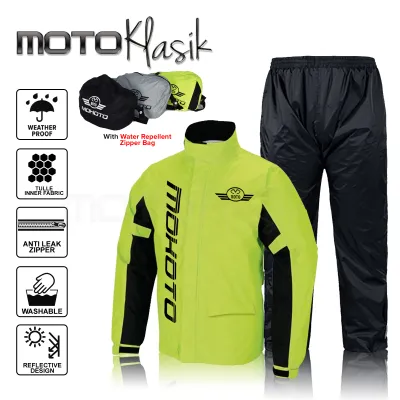
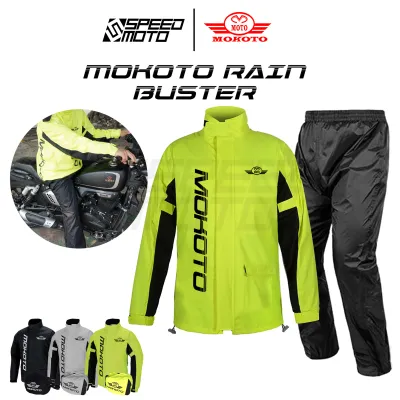
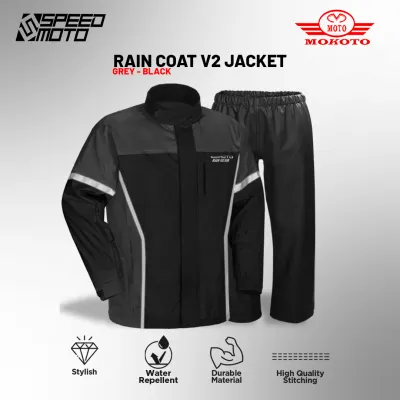
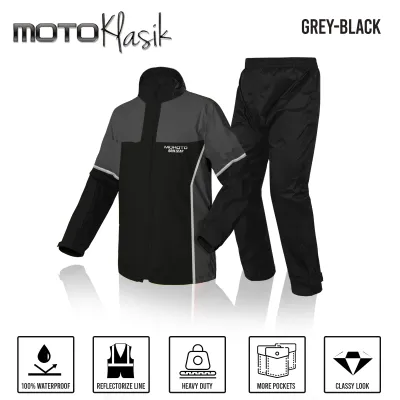
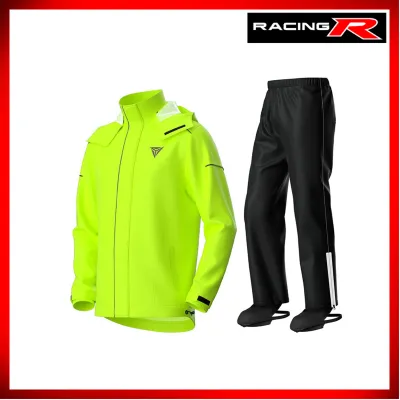
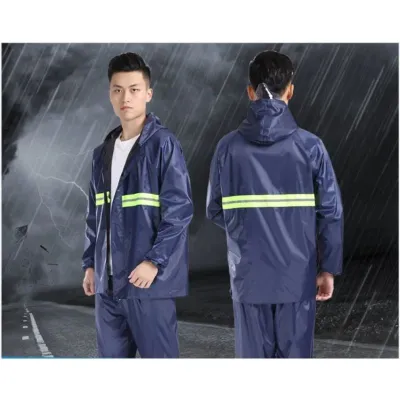
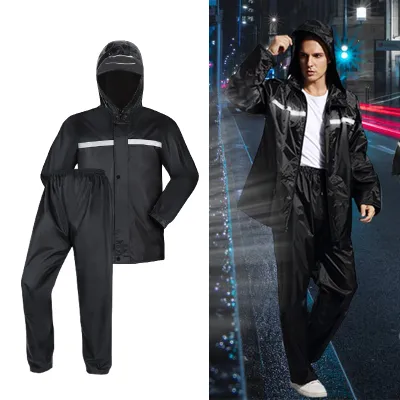
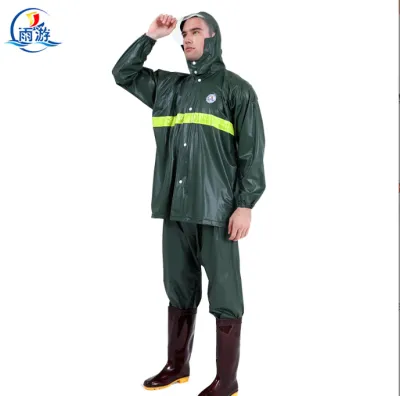
Prices are valid at publication and may change. Please refer to the product page for the latest price.
Your motorcycle type and riding posture also dictate the level of coverage and mobility you need. Riding a scooter with a step-through design and front fairings provides some natural wind and water deflection for your lower body. In contrast, riding an underbone or backbone motorcycle exposes your legs directly to the elements, requiring a raincoat with excellent lower-body coverage and reinforced seams in the crotch area to withstand constant movement. Furthermore, a sportier, forward-leaning riding posture puts extra tension on the back and shoulders of the jacket, meaning you will need a cut that allows for a full range of motion without pulling the sleeves up your wrists.
Finally, consider your storage constraints. When the rain stops, you need a practical way to store wet gear. If your motorcycle has a spacious under-seat compartment or a large top box, you can easily accommodate a heavier, more durable two-piece suit. However, if you have limited storage space or rely solely on a backpack, you may need to prioritize lightweight, highly compressible rain gear that can be packed tightly without damaging the waterproof membranes or seam tapes.
Essential Features to Evaluate in Mokoto Rain Gear
When evaluating different Mokoto raincoat models, material composition is your first line of defense. Most motorcycle rain gear is constructed from polyester or nylon, treated with a polyurethane (PU) or polyvinyl chloride (PVC) backing. While PVC is highly effective at stopping water, it can be heavy and trap heat, leading to sweat buildup in hot, humid tropical climates. Polyester or nylon with a breathable PU coating offers a more comfortable balance, allowing moisture vapor to escape while keeping heavy rain out. Always check product labels to verify the material blend and waterproofing ratings.

Seam construction is another critical area. Even waterproof fabric will let water in if the seams are not properly sealed. Look for models featuring taped or welded seams. Taped seams have a waterproof tape applied under heat and pressure over the stitched lines on the inside of the garment. When inspecting a raincoat, turn it inside out to verify that the seam tape is smooth, fully adhered, and free of bubbles or lifting edges, especially around high-stress areas like the shoulders, armpits, and crotch.
Visibility is a paramount safety concern when riding in low-light, rainy conditions. Heavy downpours drastically reduce the visibility of other motorists, making it essential that your rain gear helps you stand out. Look for Mokoto models incorporating high-visibility colors, such as neon green or bright yellow, along with wide, strategically placed reflective strips across the back, chest, and sleeves. These elements catch the headlights of surrounding vehicles, ensuring you remain visible in torrential rain.
Lastly, pay close attention to closure systems and adjustment points. A high-quality motorcycle raincoat should feature a robust front zipper protected by a double storm flap that secures with hook-and-loop fasteners or snap buttons to prevent wind-driven water from penetrating. Adjustable cuffs at the wrists and ankles, as well as an adjustable collar, are also vital to prevent water from creeping inside your gear at higher speeds.
Comparing Raincoat Styles for Different Riding Scenarios
Motorcycle rain gear generally falls into three main categories, each offering distinct trade-offs. The two-piece suit, consisting of a separate jacket and pants, is widely considered the most versatile and secure option for daily commuters and long-distance riders. This style provides complete coverage and allows for excellent mobility, as the pants and jacket move independently. Because the pants fit snugly around your waist and legs, there is minimal excess fabric to flap in the wind, reducing drag and fatigue at highway speeds. The main drawback is that two-piece suits take longer to put on and are generally bulkier to store when wet.
Ponchos offer the ultimate convenience for quick deployment. They can be thrown over your head in seconds and often provide enough coverage to protect both the rider and small cargo, such as a front basket. However, ponchos pose significant safety risks when riding at anything above low speeds. The loose, open design allows wind to catch the fabric, causing it to flap violently. This flapping can distract the rider, block side mirrors, or even get caught in the motorcycle’s moving parts, such as the chain or rear wheel. Consequently, ponchos are only suitable for very slow, short-distance rides on quiet streets and should be avoided on highways.
One-piece coveralls offer the highest level of waterproofing because they eliminate the waist seam entirely, preventing water from seeping in between the jacket and pants. This makes them highly effective for extreme weather and prolonged exposure to heavy downpours. However, one-piece suits are notoriously difficult to put on and take off, especially when you are already damp or wearing bulky riding boots. They can also feel warm and restrictive, making them less practical for multi-stop urban commutes where you frequently transition between riding and walking.
Verifying Fit, Safety, and Compatibility
Ensuring the correct fit is crucial for both comfort and safety. A motorcycle raincoat must be sized to fit comfortably over your standard riding gear, including armored jackets, knee guards, and backpacks. If the raincoat is too tight, it will restrict your movement, making it harder to react quickly to road hazards. A tight fit also puts excessive strain on the seams and zippers, increasing the risk of tears and water leaks. Conversely, a raincoat that is too loose will flap excessively in the wind, which is noisy, distracting, and can cause the fabric to wear out prematurely.
When trying on a raincoat, perform a quick mobility check. Sit on your motorcycle or mimic your riding posture. Reach forward to the handlebars and ensure the sleeves do not pull back too far, exposing your wrists. Bend your knees as if placing your feet on the pegs to verify that the pants do not ride up too high, leaving your ankles unprotected. The collar should fit snugly but comfortably around your neck without restricting your ability to turn your head to check your blind spots.
Additionally, verify that the raincoat does not interfere with your motorcycle’s operation. The lower hem of the jacket and the cuffs of the pants must not drape over or catch on the foot pegs, gear shifter, or rear brake pedal. Ensure that no loose drawstrings or straps are dangling where they could become entangled in the wheels or drive chain. It is also important to check that the bulk of the raincoat does not obscure your motorcycle’s built-in lighting, such as the taillight or turn signals.
Before purchasing, always consult the manufacturer’s official sizing chart, as rain gear sizing often differs from standard clothing sizes. Many riders find they need to select one size larger than their usual jacket size to accommodate their protective gear underneath. Finally, verify the return and exchange policies of the online marketplace or local retailer, ensuring you can swap the item if the fit is not perfect when tested over your actual riding gear.
Maintaining Waterproof Performance and Longevity
To ensure your Mokoto raincoat remains effective over multiple rainy seasons, proper maintenance is essential. After riding in the rain, never fold your wet raincoat and stuff it directly into a top box, under-seat compartment, or backpack. Leaving wet gear compressed in a dark, unventilated space encourages the growth of mold and mildew, which causes unpleasant odors and can rapidly degrade the waterproof coatings and seam tapes. Instead, hang the raincoat on a wide hanger in a well-ventilated, shaded indoor area to dry completely before storing it. Keep it away from direct sunlight and high-heat sources like exhaust pipes, as excessive heat can melt the seam tape and damage synthetic fabrics.
When the raincoat becomes dirty from road grime, clean it according to the instructions on the care label. Hand washing is generally the safest method for preserving waterproof coatings. Use lukewarm water and a mild, non-detergent soap or a specialized technical wash designed for outdoor gear. Avoid harsh household detergents, bleach, and fabric softeners, as these chemicals can strip away the durable water repellent (DWR) finish and break down the polyurethane backing. Gently wipe away dirt with a soft sponge, rinse thoroughly, and let it air dry. Never machine wash, spin dry, or iron your raincoat unless the manufacturer’s care label explicitly states it is safe.
Regularly inspect your rain gear for signs of wear, especially before the start of the wet season. Look closely at the inner lining for any peeling, cracking, or flaking of the waterproof coating. Check that the seam tape remains firmly adhered to the fabric and that the zippers and hook-and-loop fasteners operate smoothly. If you notice minor seam separation, you can often apply a specialized seam sealer adhesive designed for outdoor gear to restore the waterproof barrier.
However, there comes a point when even well-maintained gear must be retired. If the waterproof backing is flaking off extensively, or if the fabric itself has suffered significant tears, the raincoat will no longer provide reliable protection. Continuing to use compromised gear risks soaking your inner clothing, which can lead to shivering, discomfort, and a dangerous loss of concentration while riding. Recognizing when your gear has reached the end of its lifespan and replacing it promptly is a vital part of staying safe on wet roads.
Frequently Asked Questions (FAQ)
Can I use a regular everyday raincoat for motorcycle riding?
Using a standard, everyday raincoat for motorcycle riding is highly discouraged due to safety and functional limitations. Regular raincoats are designed for walking or standing, meaning they lack the structural durability to withstand the high wind pressures experienced at riding speeds. The lightweight fabrics used in everyday raincoats will flap violently, which can distract you, block your vision, and cause the material to tear apart quickly. Furthermore, standard raincoats are not cut for a riding posture; they often ride up at the sleeves and waist, exposing you to water ingress. They also lack the heavy-duty reflective elements and secure closure systems necessary to keep you visible and dry on a motorcycle.
How do I prevent my raincoat from fogging up my helmet visor?
Helmet visor fogging occurs when your warm, humid breath condenses on the cooler surface of the visor, a problem that is often worsened when a raincoat collar blocks the helmet’s lower ventilation ports. To prevent this, ensure your raincoat’s collar is adjusted snugly but does not completely cover the chin vent of your helmet. Utilizing an anti-fog visor insert, such as a Pinlock lens, is one of the most effective ways to maintain clear vision. Alternatively, you can apply an anti-fog spray or treatment to the inside of your visor. Cracking the visor open slightly while riding at low speeds can also help increase airflow and clear condensation, provided the raincoat’s hood or collar design prevents water from dripping directly into the helmet opening.

Community discussion
Share your experience or ask a question. Comments are reviewed before publication.