
When riding a motorcycle at night, your safety depends almost entirely on how quickly other drivers can see and recognize you on the road. Standard headlights only illuminate a limited path ahead, and in low-light or stormy conditions, a dark-clad rider virtually disappears into the background. To solve this problem, a high-quality reflective motorcycle vest for men serves as a critical safety layer, transforming your silhouette into a bright, unmistakable beacon. The most effective vests combine certified retroreflective materials with high-contrast fluorescent backings and strategic 360-degree placement, ensuring you are visible from hundreds of meters away under headlight beams.
Choosing the right vest requires balancing visibility, durability, and comfort—especially in tropical climates where heat and sudden downpours are constant challenges. This guide breaks down the essential criteria for selecting a reflective motorcycle vest that maximizes your night-riding safety while keeping you comfortable on the road.
Core Criteria for Maximum Night Visibility
To understand what makes a reflective vest effective, you must first look at how the materials interact with light. Many budget options use standard silver paint or metallic prints that simply scatter light in multiple directions, offering minimal brightness when viewed from a distance. In contrast, high-performance safety gear utilizes true retroreflective materials. These specialized fabrics are engineered with thousands of microscopic glass beads or micro-prisms that capture incoming light from car headlights and bounce it directly back to the light source. This retroreflective property ensures that a driver sitting behind those headlights sees an intense, concentrated glow, even from extreme angles.
Products mentioned in this guide
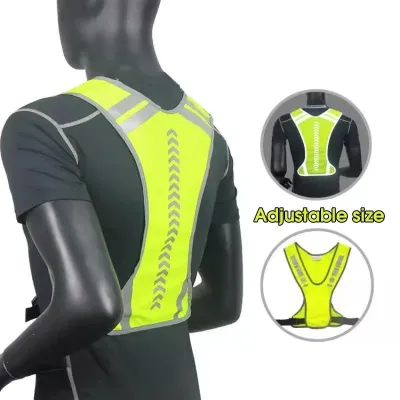
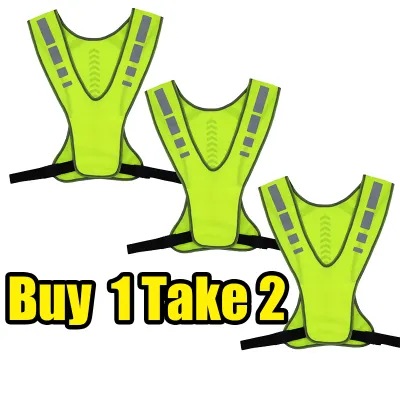
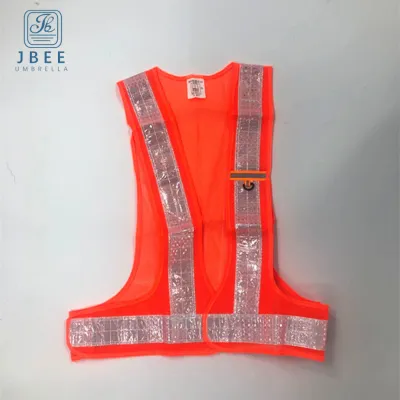
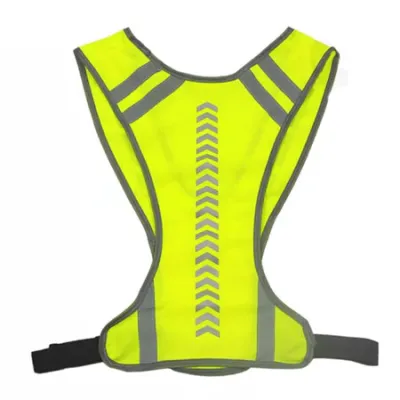
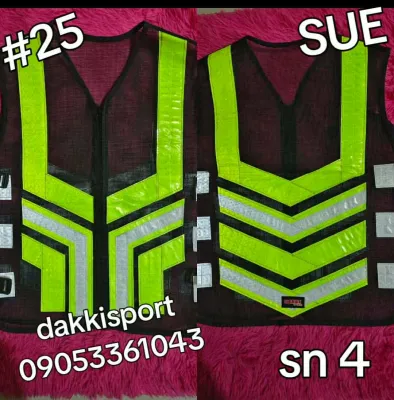
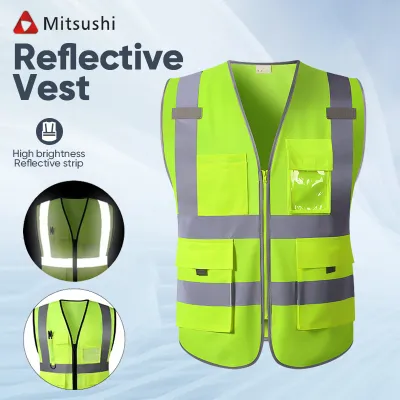
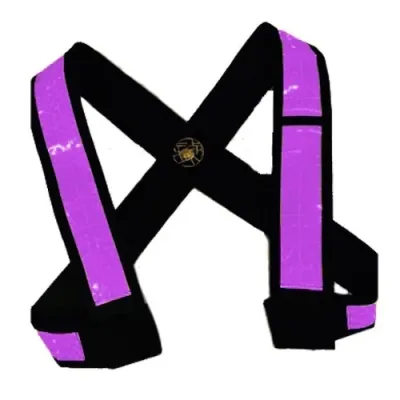
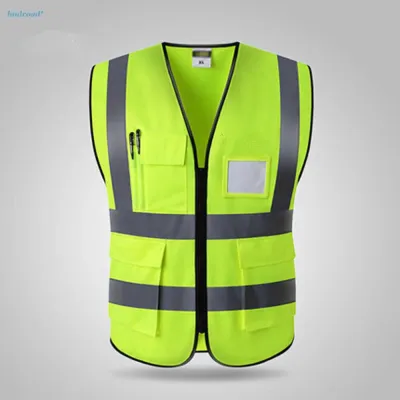
Prices are valid at publication and may change. Please refer to the product page for the latest price.
Another crucial factor is the base fabric color, which plays a massive role during different times of the day. Fluorescent colors, such as high-visibility yellow, green, or orange, are designed to absorb invisible ultraviolet light from the sun and re-emit it as highly visible light. This makes fluorescent vests incredibly effective during twilight, overcast afternoons, and early dawn when natural light is flat. However, once night falls and there is no ambient UV light, fluorescent fabrics lose their glowing property and behave like standard dark colors. For pure night riding, a black vest with extensive retroreflective paneling can be highly effective, but it relies entirely on those reflective strips to remain visible. If you ride in both daytime traffic and pitch-black conditions, a fluorescent vest with integrated retroreflective strips offers the best of both worlds.
Finally, the total surface area and distribution of the reflective material determine how quickly a driver can identify you. A small reflective logo or a single thin stripe across the chest is not enough to guarantee your safety. To prevent accidents, a vest must provide 360-degree recognition, allowing drivers to identify you from the front, sides, and rear. This requires continuous horizontal and vertical bands that outline the human shape, helping other motorists instantly distinguish a motorcyclist from road signs or ambient city lights.
Key Design Features That Enhance Safety
Strategic Reflective Placement
The placement of reflective elements on a vest must align with a driver’s line of sight and account for your riding posture. Frontal and peripheral visibility are heavily dependent on shoulder and chest strips. When you are leaning forward on a motorcycle—particularly on sport or naked bikes—your chest is angled downward, which can obscure flat chest panels. Shoulder strips solve this issue by remaining highly visible from both the front and sides, catching the headlights of oncoming vehicles and cross-traffic at intersections.

Horizontal strips along the lower back and side torso are equally vital for preventing side-impact collisions. Intersections are statistically among the most dangerous areas for motorcyclists, as drivers turning left or crossing lanes often fail to see a motorcycle approaching from the side. Having wide, retroreflective bands along the lateral sides of your waist ensures that your profile is illuminated the moment a car’s headlights sweep across your path.
Furthermore, you must avoid vests that only feature reflective elements on the upper back. While an upper-back strip is useful, it is easily covered if you ride with a backpack, a tail bag, or a passenger. A properly designed safety vest places reflective elements across the lower hem and mid-back, ensuring that even with a passenger or luggage, your presence remains fully visible to drivers approaching from behind.
Material Quality and Durability
When evaluating reflective materials, the technology used determines both brightness and longevity. Micro-prismatic tape is the gold standard for heavy-duty motorcycle gear. It consists of sealed, three-sided prisms molded into a durable polymer film, which reflects light with incredible intensity over long distances and maintains its performance even when soaking wet. Glass bead sheeting, while highly reflective when dry, tends to lose its effectiveness when water droplets coat the surface, making it less reliable during heavy tropical downpours.
To ensure you are buying a product that will last, look for recognized retroreflective material brands in the product specifications. Manufacturers like 3M with their Scotchlite technology are widely regarded for producing materials that meet strict international safety standards. These premium materials are engineered to withstand the harsh UV rays, road grime, and friction that motorcycle gear is subjected to daily.
In contrast, cheap or unbranded vests often rely on thin, screen-printed reflective patterns. While these prints may look bright out of the box, they degrade rapidly under real-world conditions. After a few rides in the sun or a couple of washes, screen-printed logos tend to crack, peel, and flake off, drastically reducing their reflective capabilities and leaving you unprotected on dark roads.
Types of Reflective Vests for Different Riding Needs
Lightweight Mesh Vests
For riders operating in hot, humid tropical climates like the Philippines, managing body temperature is a primary safety concern. Lightweight mesh vests are constructed with highly breathable polyester mesh panels that allow maximum airflow to pass through to your primary riding jacket. This ventilation is crucial for preventing heat exhaustion and rider fatigue, especially during slow-moving urban commutes in congested city centers.
However, choosing a lightweight mesh vest involves certain trade-offs. Because a large portion of the vest is made of open mesh, there is naturally less solid surface area available for mounting wide reflective bands. Additionally, lightweight mesh fabrics do not offer the same level of abrasion resistance or structural durability as heavy-duty textiles, meaning they may tear easily in the event of a slide.
The ideal user for a lightweight mesh vest is the daily urban commuter who navigates stop-and-go traffic at moderate speeds. If your primary concern is staying cool while layering safety gear over a mesh armored jacket, a high-quality mesh vest with strategically placed, high-intensity reflective strips provides the perfect balance of comfort and visibility.
Heavy-Duty and Weather-Resistant Vests
For highway touring, long-distance night rides, and wet-season commuting, a heavy-duty, weather-resistant vest is a far more suitable choice. These vests are typically constructed from robust, high-denier textiles such as Cordura or heavy polyester, which offer superior tear resistance and wind protection. They often feature water-resistant coatings, waterproof pockets, and heavy-duty zippers designed to withstand high-speed wind pressure.
Weather resistance is not just about keeping the rider dry; it directly impacts visibility. During heavy rain, road spray mixed with oil, mud, and grime quickly coats a rider’s gear. On a standard fabric vest, this grime sinks into the fibers, dulling the reflective materials and making them useless. Weather-resistant vests feature smooth, non-porous outer surfaces that allow water to bead off and make it easy to wipe away road grime with a damp cloth, preserving your visibility throughout a long ride.
This type of vest is ideal for highway tourers, adventure riders, and those who frequently commute through unpredictable weather or cooler mountain routes. The added weight and wind resistance keep the vest stable at high speeds, while the durable outer shell protects the retroreflective elements from environmental degradation.
LED-Integrated and Active Illumination Vests
In recent years, active illumination technology has become increasingly popular in motorcycle safety gear. These vests feature built-in LED strips, flexible fiber optics, or electroluminescent (EL) wires that emit their own light. Unlike passive retroreflective materials, which require another vehicle’s headlights to shine directly on them to work, active vests ensure you are visible even in complete darkness to pedestrians, cyclists, and drivers with broken or misaligned headlights.
When shopping for an LED-integrated vest, there are several practical factors to consider. Battery life is critical; look for systems that offer at least 6 to 10 hours of continuous runtime on a single charge. Charging convenience is also important, with USB-C connections being the most reliable and widely compatible standard. Most importantly, ensure that the electronic components, battery compartment, and switches have a high waterproof rating (such as IPX6 or higher) to prevent short circuits during sudden tropical downpours.
Before purchasing an active illumination vest, you must verify local traffic regulations regarding aftermarket lighting. In many jurisdictions, including the Philippines under Land Transportation Office (LTO) guidelines, there are strict rules governing the color and behavior of lights worn by riders or mounted on vehicles. Blue and red flashing lights are typically reserved for emergency services, and excessively bright or strobe-like patterns can blind other motorists, creating a severe road hazard. Stick to steady-on green, amber, or white active lights, and ensure they do not distract or confuse other drivers.
Fit, Comfort, and Layering Considerations for Men
A reflective vest is designed to be worn over your existing riding gear, which means proper sizing is critical for both safety and comfort. When selecting a size, do not base your choice on your standard t-shirt size. Instead, measure yourself while wearing your fully armored motorcycle jacket. The vest must fit snugly enough to prevent flapping in the wind but remain loose enough to allow full range of motion. If a vest is too tight, it will restrict your breathing, limit your ability to perform quick shoulder checks, and put unnecessary strain on the front zipper.
At highway speeds, loose fabric is more than just an annoyance; it can cause severe rider fatigue and distraction. The constant buffeting of a loose vest creates aerodynamic drag and loud flapping noises. To prevent this, look for vests equipped with adjustable side straps, elasticated side panels, or hook-and-loop adjusters. These features allow you to customize the fit, pulling the vest tight against your body regardless of whether you are wearing a thick winter jacket or a lightweight summer mesh jacket.
Managing heat and sweat is another essential consideration for male riders, particularly in warm regions. Look for vests that feature moisture-wicking inner mesh linings that draw sweat away from your body, promoting evaporation. Additionally, pay close attention to the collar design. A high, stiff collar can chafe against your neck when combined with the strap of a full-face helmet. Opt for vests with low-profile collars lined with soft materials like neoprene or micro-fleece to ensure comfort on long rides.
Furthermore, ensure that the vest does not interfere with the operation of your specific motorcycle controls, mirrors, or safety gear (such as airbag vests). If you use a tethered or electronic airbag vest, check the manufacturer’s guidelines to ensure wearing an external reflective vest does not impede the airbag’s deployment.
How to Verify Quality and Safety Claims Before Purchase
With thousands of reflective vests available on online marketplaces, distinguishing high-quality safety gear from cheap, ineffective imitations can be difficult. The most reliable way to verify a vest’s performance is to look for official safety certifications. Standards such as EN ISO 20471 or ANSI/ISEA 107 are international benchmarks for high-visibility clothing. Vests that carry these certifications have undergone rigorous laboratory testing to prove their photometric performance, colorfastness, and resistance to wear and tear.
When shopping on ecommerce platforms, do not rely solely on the manufacturer’s polished, digitally enhanced product images. These studio photos are often designed to make even the cheapest reflective paint look incredibly bright. Instead, scroll down to the user review section and look for real-world photos submitted by other riders. Pay close attention to photos taken at night, in dark garages, or under a smartphone camera flash, as these provide a realistic representation of how the retroreflective material performs in actual low-light conditions.
Finally, because sizing a vest over protective armor can be highly unpredictable, always verify the return and exchange policies of the online retailer or marketplace before making a purchase. Ensure the seller allows hassle-free returns or size swaps if the vest does not fit comfortably over your armored jacket. This precaution prevents you from being stuck with an ill-fitting vest that either restricts your movement or flaps uncontrollably at high speeds.
Frequently Asked Questions (FAQ)
How do I clean a reflective motorcycle vest without damaging the material?
To preserve the retroreflective properties of your vest, always check the manufacturer’s care label first. If no specific instructions are provided, the safest method is to hand wash the vest in cool water using a mild, non-abrasive liquid detergent. Gently wipe away road grime, mud, insect splatters, and sweat using a soft microfiber cloth or a non-scratch sponge. Once clean, rinse the vest thoroughly with cool water and hang it to air dry in a shaded, well-ventilated area away from direct sunlight.
Never put a reflective vest in a washing machine or a tumble dryer, as the aggressive mechanical spinning and high heat can melt, crack, or delaminate the delicate micro-prismatic or glass bead structures. Avoid using bleach, fabric softeners, or harsh chemical solvents, which can permanently strip away the reflective coatings. Additionally, never iron the vest, as direct heat will instantly destroy the synthetic fabrics and reflective elements.
Do I still need a reflective vest if my motorcycle jacket already has reflective panels?
Yes, wearing a dedicated reflective vest provides a massive safety advantage, even if your primary riding jacket already features built-in reflective elements. Most motorcycle jackets only include minimal reflective piping, small logos, or thin strips that offer limited surface area. Over time, these integrated panels can become faded, dirty, or scratched, significantly reducing their effectiveness. Furthermore, these small reflective details are easily obscured by a passenger, a backpack, or your natural riding posture.
A dedicated reflective vest drastically increases your total reflective surface area, creating a highly recognizable human silhouette that drivers can identify from a distance. It is especially critical when riding through high-risk, poorly lit provincial roads, during heavy monsoon downpours where visibility is near zero, or when wearing an older jacket with worn-out reflective elements. Layering a high-quality vest over your gear ensures you remain visible and safe under all riding conditions.
Community discussion
Share your experience or ask a question. Comments are reviewed before publication.