
Upgrading your manual shifter is one of the most direct ways to improve your daily driving experience. The ideal shift knob for a manual transmission balances correct thread pitch, ergonomic shape, and material weight to match your personal driving style. Because this component is your primary touchpoint for gear changes, selecting the right one requires looking beyond aesthetics to ensure a secure, safe fitment.
Whether you prefer a heavy, momentum-driven shift or a light, highly tactile response, verifying your vehicle’s exact specifications is the first step. A poorly fitted knob can slip during critical maneuvers, posing a safety risk on the road. By understanding how different materials and shapes interact with your car’s shifter shaft, you can make an informed decision that enhances both comfort and control.
Key Factors to Consider Before Buying
Before purchasing any aftermarket shift knob, verifying compatibility with your specific vehicle model and year is essential. Do not rely solely on generic compatibility claims, as manual transmission shifter shafts vary significantly across manufacturers. Consulting your vehicle’s factory service manual or measuring the shaft with a caliper is the safest way to confirm fitment.
Products mentioned in this guide
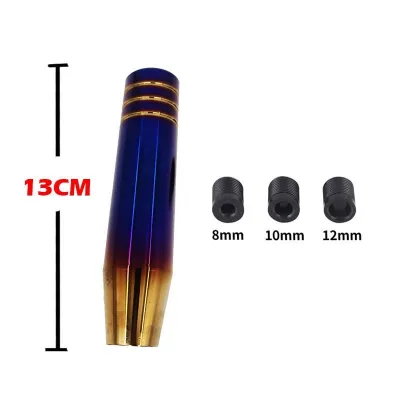
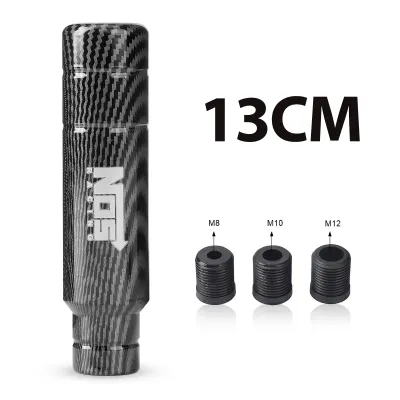
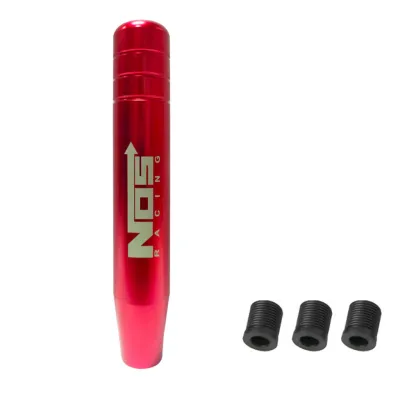
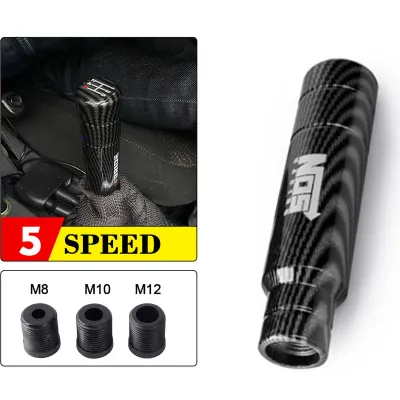
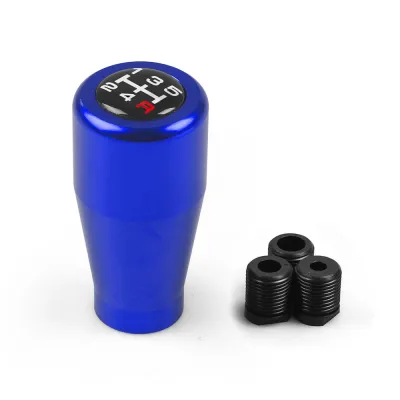
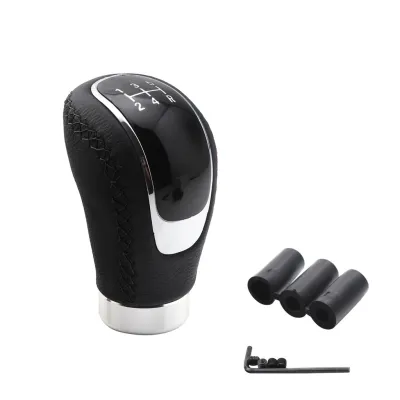
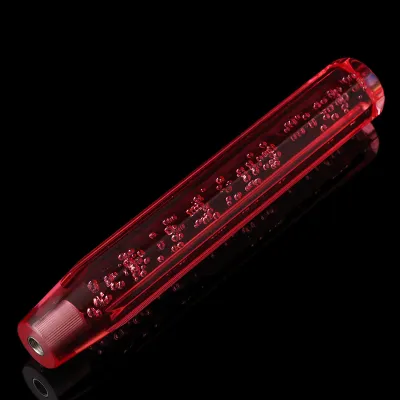
Prices are valid at publication and may change. Please refer to the product page for the latest price.
Thread Pitch and Fitment
Most Japanese, European, and American manual cars use specific thread pitches on the shifter shaft. For example, many Toyota and Subaru models use M12x1.25 threads, while Honda typically uses M10x1.5, and Nissan often uses M10x1.25. Forcing a knob with the wrong thread pitch onto your shifter shaft will strip the threads, permanently damaging the shaft and requiring expensive repairs or replacement of the entire shifter assembly.
Weight and Shifting Feel
The weight of a shift knob directly alters the mechanical effort required to change gears. Weighted knobs use kinetic energy and momentum to smooth out the notchiness of the gear transition. Conversely, lightweight knobs provide direct feedback from the transmission, allowing you to feel the exact moment the synchros engage, though they require more physical effort to push into gear.
Adapter Requirements
Many aftermarket shift knobs are designed as universal fitments, utilizing plastic or metal adapters and small set screws to clamp onto unthreaded or differently threaded shafts. While these adapters offer versatility, they introduce potential failure points if the set screws loosen over time due to vibration. Direct-threaded knobs, machined specifically for your vehicle’s thread pitch, offer the most stable and secure connection.
Clearance and Boot Compatibility
A successful installation must account for the surrounding center console components. You must ensure the new knob does not interfere with the movement of the shift boot or any nearby switches. Crucially, if your vehicle features a pull-up reverse lockout collar, the base of the new shift knob must have a wide enough recess to accommodate the collar when it is raised to engage reverse gear.
Popular Shift Knob Materials and Their Driving Feel
The material of your shift knob dictates not only its durability but also how comfortable it is to hold throughout the year. In the tropical climate of the Philippines, where cabin temperatures can soar when parked outdoors, material selection directly impacts daily usability.

Aluminum and Metal Alloys
Metal shift knobs, typically machined from billet aluminum, stainless steel, or brass, are highly favored for their exceptional durability and solid, weighted feel. The added mass assists in smooth, positive gear engagement, making them popular for performance-oriented driving.
However, metal is highly conductive and sensitive to ambient temperatures. When your car is parked under the intense Philippine sun, an aluminum knob can become painfully hot to the touch, often requiring a cover or a shaded parking spot to remain usable. Conversely, in a heavily air-conditioned cabin during a long drive, the metal can feel uncomfortably cold.
Leather and Alcantara
For drivers seeking a premium, factory-like aesthetic, leather or Alcantara-wrapped shift knobs offer an excellent balance of comfort and grip. These materials do not retain extreme heat or cold, providing a temperature-neutral surface that remains comfortable to hold regardless of the weather.
The textured surface of leather or Alcantara provides superior grip, which is particularly beneficial if your hands tend to sweat during long drives or spirited weekend runs. However, wrapped knobs require regular maintenance to prevent the buildup of oils, dirt, and sweat, which can cause the material to peel, fade, or develop unpleasant odors over time.
Resin, Acrylic, and Wood
Resin and acrylic shift knobs are highly customizable, often featuring embedded logos, colors, or unique patterns like the classic “cue ball” style. These materials offer a smooth, polished texture and a moderate weight that feels comfortable in the hand without being excessively heavy.
Wood shift knobs provide a classic, vintage aesthetic that complements retro interiors or luxury cabins. While these materials are generally temperature-resistant, they are susceptible to physical damage. Dropping a heavy tool on an acrylic knob or exposing a wooden knob to extreme humidity fluctuations can lead to cracking, chipping, or splitting along the grain.
Delrin and High-Density Plastics
Delrin, a high-performance acetal homopolymer, is an engineered plastic widely used in racing and daily driving applications. It possesses excellent structural strength and wear resistance while remaining incredibly lightweight.
The primary advantage of Delrin is its low thermal conductivity; it does not absorb heat from the sun or cold from the air conditioning, ensuring a comfortable grip at all times. While Delrin knobs offer a smooth, durable finish that mimics original equipment plastics, their lightweight nature means they do not provide the momentum-assisted shifting feel of weighted metal options.
Styles and Ergonomics for Different Driving Needs
The physical shape of a shift knob determines how your hand interacts with the shifter and influences your overall driving posture. Choosing a style should depend on your preferred hand placement and how you physically guide the lever through the gates.
Spherical and Cue Ball Shapes
Spherical shift knobs are the most traditional and versatile design available. The uniform, round shape allows you to grip the knob from virtually any angle, whether you prefer to cup it from the top, hold it from the side, or guide it with your fingertips.
Because of their symmetrical design, spherical knobs distribute shifting forces evenly across your palm. They are frequently manufactured in weighted metal or solid acrylic, providing a satisfying, momentum-driven throw that makes gear transitions feel positive and deliberate.
Teardrop and Ergonomic Shapes
Teardrop and contoured shift knobs are engineered to mirror the natural resting position of a human hand. These shapes typically feature a wider top that tapers down toward the shaft, or specific finger grooves that guide your hand into a consistent, secure grip.
This ergonomic design reduces hand fatigue during long commutes or extended road trips by distributing pressure more naturally. However, because they are designed for a specific grip style, they can feel restrictive or awkward if you prefer to vary your hand position or use an open-palm shifting technique.
Weighted and Extended Knobs
Extended or “tall boy” shift knobs raise the height of the contact point, bringing the shifter physically closer to the steering wheel. This reduces the time your hand spends moving between the wheel and the shifter, which is highly beneficial in performance driving scenarios.
However, extending the height increases the leverage on the shifter assembly, which can make the shift throw feel longer and lighter. To counteract this, extended knobs are often heavily weighted. When installing an extended knob, you must carefully verify that the increased height does not cause the knob or your hand to strike the dashboard, center console, or armrest when shifting into forward gears.
How to Verify Fitment and Install Safely
Installing an aftermarket shift knob is a straightforward process, but it requires precision to avoid damaging your vehicle’s transmission linkage. Always prioritize safety and follow original-vehicle instructions before attempting any disassembly.
Pre-Installation Checks
Before removing your factory knob, consult your vehicle’s owner’s manual or workshop guide to understand how the original assembly is secured. Measure the diameter of the shifter shaft and identify the thread pitch using a thread pitch gauge. If your vehicle uses a reverse lockout mechanism, verify that the aftermarket knob is specifically designed to clear the lockout collar.
Removal Techniques
Most factory shift knobs are threaded directly onto the shaft and can be removed by turning them counterclockwise. However, some vehicles use press-fit knobs secured by internal clips, hidden set screws, or retaining rings beneath the shift boot. Never force a knob off the shaft; if it does not rotate easily, inspect the base for locking mechanisms to avoid bending the shifter linkage or damaging the internal plastic bushings.
Installation Best Practices
For direct-threaded knobs, gently thread the new knob clockwise onto the shaft by hand. If you encounter resistance within the first few turns, stop immediately to avoid cross-threading. Once fully threaded, you can use a small drop of medium-strength thread locker on the threads to prevent the knob from loosening over time. For universal knobs utilizing set screws, ensure the rubber or plastic adapter fits snugly over the shaft before tightening the screws evenly in a star pattern to prevent the knob from sitting crooked.
Safety Boundaries
If you encounter stripped threads, if the knob feels loose even after tightening, or if the reverse lockout mechanism does not engage smoothly, do not drive the vehicle. A loose shift knob can detach during a gear change, leading to a loss of vehicle control. If you are unsure about the fitment or lack the proper tools, seek assistance from a qualified automotive technician to ensure a safe and secure installation.
Where to Source Quality Shift Knobs in the Philippines
Finding a genuine, high-quality shift knob in the Philippines requires careful sourcing to avoid counterfeit products that compromise safety. High-quality materials and precise thread machining are critical for a component that experiences constant physical stress.
To ensure authenticity, purchase directly from authorized brand distributors, specialized automotive performance shops, or reputable physical accessory stores. These retailers can verify the origin of the product and often provide expert advice on vehicle compatibility.
When browsing online marketplaces or ecommerce platforms, exercise extreme caution. Many unbranded, low-cost universal knobs are manufactured from inferior cast metals or cheap plastics that are prone to cracking. Additionally, low-quality set screws can easily strip or loosen under daily driving vibrations, causing the knob to spin or detach unexpectedly. Always verify seller ratings, look for official brand packaging, and read customer reviews specifically focusing on thread accuracy and long-term durability before making a purchase.
Frequently Asked Questions (FAQ)
Can I use a universal shift knob on any manual car?
While universal shift knobs are designed to fit a wide range of vehicles using interchangeable plastic or rubber adapters, they are not universally compatible with every manual car. Vehicles with unique shifter shaft diameters, unthreaded shafts, or integrated pull-up reverse lockout collars often require specialized, vehicle-specific knobs. Additionally, universal knobs secured by set screws are more prone to loosening over time compared to direct-threaded options, requiring regular inspection to ensure they remain tight and safe to use.
Will a heavier shift knob damage my manual transmission?
A moderately weighted shift knob will not damage a healthy manual transmission. The added weight uses momentum to smooth out gear transitions, reducing the physical effort required to shift. However, using an excessively heavy knob or resting your hand heavily on the shifter while driving can put continuous pressure on the shift forks and synchronizers. This constant pressure can accelerate wear on the internal transmission components over time, so it is best to maintain a proper driving posture and avoid resting your hand on the knob between shifts.
Community discussion
Share your experience or ask a question. Comments are reviewed before publication.