
Finding the right motorcycle clutch cover requires matching the exact model, production year, and engine specifications of your machine. A simple visual match is rarely enough, as manufacturers frequently update internal engine layouts and casing designs without changing the model name. To avoid oil leaks, mechanical interference, and costly transmission damage, you must verify physical dimensions, bolt patterns, and original equipment manufacturer (OEM) part numbers before purchasing a replacement.
Why Exact Model and Year Compatibility Matters
Relying solely on engine displacement or a general model name often leads to fitment failures. For instance, two motorcycles might share the same name and engine size, but a mid-cycle update can alter the engine casing design. These subtle changes can shift the position of a single bolt hole or modify the internal clearance just enough to make a replacement cover unusable.
An incompatible clutch cover poses severe risks. If the cover does not seat perfectly, engine oil will leak, which is dangerous during hot, humid rides where maintaining proper oil pressure is critical. Furthermore, an incorrect cover can interfere with the internal clutch assembly, causing moving parts to rub against the casing and contaminate your engine oil.
Products mentioned in this guide
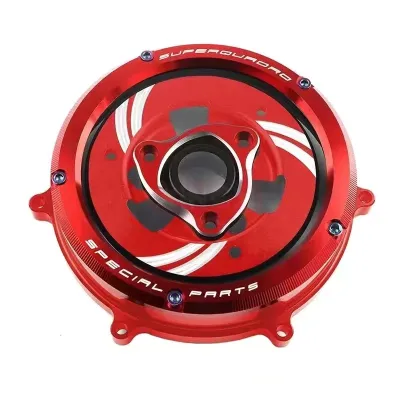
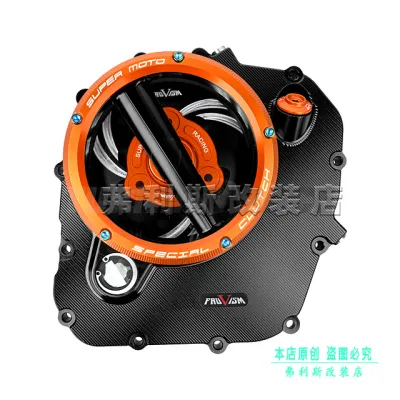
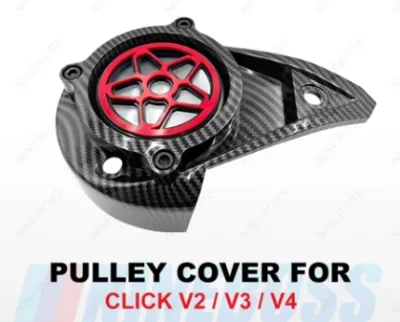
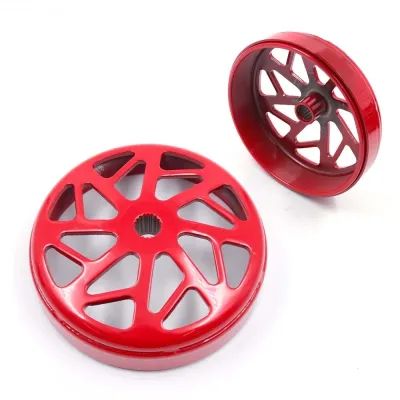
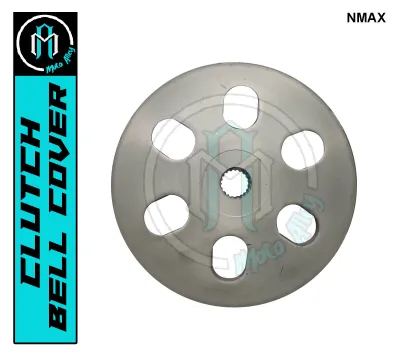
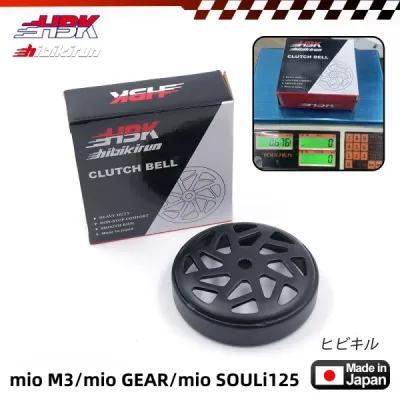
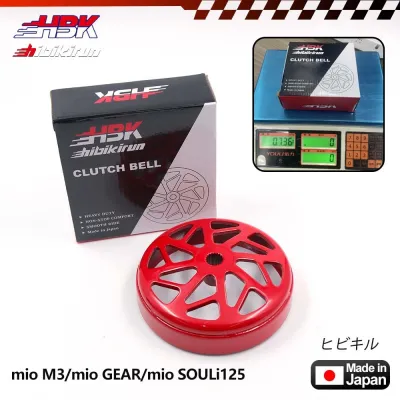
Prices are valid at publication and may change. Please refer to the product page for the latest price.
To prevent these issues, locate your motorcycle’s exact Vehicle Identification Number (VIN) or chassis code before searching for parts. This unique identifier is typically stamped on the steering head tube or printed on your registration documents. Using the chassis code ensures you can trace the exact production run and avoid the common pitfalls of generic model-year listings.
Key Specifications to Check Before Buying
Before purchasing a new motorcycle clutch cover, you must perform three main physical checks: the bolt pattern, the sealing surface, and the internal clearance. Comparing these physical traits against your original cover is the most reliable way to guarantee a perfect fit.

Before attempting to remove or install a clutch cover, ensure the engine is completely cool and the oil is drained to prevent burns and spills. Because incorrect installation can lead to oil pressure loss or mechanical failure, always consult your original-vehicle instructions and torque specifications. If you are not comfortable performing this work, seek qualified professional installation to ensure your motorcycle remains safe and road-legal.
A thorough visual and physical inspection of your old cover is necessary before ordering a replacement. Removing the old cover allows you to inspect its underside, measure its dimensions, and identify any unique design features that a standard product photo might hide.
Bolt Pattern and Mounting Points
To verify the mounting layout, count the total number of bolt holes on your original clutch cover and measure the precise distance between diagonal bolt holes. Even a millimeter of deviation in hole spacing will prevent the cover from aligning with the engine casing. Never attempt to modify the bolt holes on a new cover or force a misaligned bolt into place, as this can easily strip the threads or crack the fragile aluminum engine casing.
Additionally, check the manufacturer’s specifications for the required bolt thread pitch and length. Some aftermarket covers are thicker than OEM parts and require longer bolts. Always refer to your vehicle’s service manual to confirm the correct torque specifications before installation.
Gasket Surface and Seal Dimensions
The mating surface of the clutch cover is critical for maintaining engine oil pressure. Examine whether your engine uses a flat paper gasket, a rubber O-ring in a machined groove, or a liquid gasket sealant. The replacement cover must feature the exact same sealing interface.
If your cover uses an O-ring or a liquid sealant, check the width and depth of the groove on the mating surface. Using a flat-faced cover on an engine designed for a grooved O-ring seal will prevent the gasket from compressing correctly, leading to immediate oil leaks once the engine warms up. Mismatched sealing surfaces cannot be fixed by simply adding more sealant or tightening the bolts further.
Internal Clearance and Cover Depth
Ensure the replacement cover provides adequate internal depth to accommodate the spinning clutch basket. Measure the internal depth of your original cover from the mating surface to the deepest internal point, and compare this with the specifications of the new cover.
A cover that is even slightly shallower than the original can cause the clutch plates or pressure plate to rub against the inside of the casing. This contact generates extreme heat, introduces metal debris into the lubrication system, and can lock up your transmission while riding. Be particularly cautious when considering aftermarket performance or decorative covers, as they may require specific aftermarket clutch setups or low-profile hardware.
How to Verify OEM Part Numbers and Cross-References
The most reliable method to confirm compatibility is by verifying the OEM part number. You can often find this number stamped on the inside of your original clutch cover, or locate it by looking up your motorcycle’s year and model in an official factory service manual.
Once you have the OEM part number, use official dealer catalogs or verified manufacturer databases to cross-reference the part. This step allows you to see if the same part number was used across multiple model years or if a superceding part number was issued.
When shopping on an online marketplace, be aware that third-party listings frequently group multiple model years together. Always scroll down to the product description to verify the exact year range and cross-reference the listed OEM numbers with your own before purchasing.
Material and Finish Considerations for Daily Riding
When selecting a clutch cover, consider how the material and finish perform in your daily riding environment. Standard cast aluminum covers offer reliable performance identical to OEM specifications, while CNC-machined billet aluminum options provide higher impact resistance. Check the manufacturer’s labels to verify the material grade.
The finish of the cover dictates its long-term durability and maintenance needs. Polished, painted, or anodized finishes can degrade if exposed to road grime, salt air, or improper cleaning agents. Anodized finishes require mild, pH-neutral cleaners to prevent fading. Always consult the manufacturer’s care instructions rather than assuming all metal finishes tolerate the same chemicals.
Pre-Purchase Checklist for Online Shopping
Before adding a motorcycle clutch cover to your cart on any ecommerce platform, complete this essential verification checklist:
- Confirm your motorcycle's exact model year and chassis code.
- Match the OEM part number of the replacement cover with your original part.
- Count the mounting holes and verify the bolt pattern dimensions.
- Identify the correct sealing type (flat gasket, O-ring, or liquid sealant).
- Verify if the package includes the necessary gasket or if you must order one separately.
If an online listing lacks specific year fitment details, contact the seller directly with your chassis code. A reputable seller should be able to verify compatibility against their database before shipping the item.
Establish a strict stop condition: if the seller cannot explicitly confirm compatibility for your exact model year, or if the physical measurements do not match, do not buy the product. Verifying these details beforehand saves you from return shipping hassle and prevents potential engine damage.
Frequently Asked Questions (FAQ)
Can I use a clutch cover from a different year of the same model? (FAQ)
You should only use a clutch cover from a different year if the manufacturer confirms that the OEM part numbers are identical. Even if the motorcycles look identical on the outside, manufacturers often introduce minor internal updates or casing revisions that alter the bolt spacing or internal clearances.
Do I need to replace the gasket when installing a new clutch cover? (FAQ)
Yes, you should always install a new gasket or O-ring when replacing a clutch cover. Reusing an old, compressed gasket is a primary cause of oil leaks, as the material loses its elasticity and cannot form a reliable seal under the heat and pressure of a running engine.
Community discussion
Share your experience or ask a question. Comments are reviewed before publication.