
Choosing the right 68mm cylinder block for your Suzuki Raider 150 requires a careful evaluation of material composition, manufacturing tolerances, and compatibility with supporting engine components. Because upgrading to a 68mm bore significantly alters the engine’s thermal and mechanical dynamics, riders must look beyond brand names and focus on verifiable specifications like sleeve thickness, cooling fin surface area, and precise piston-to-wall clearances. A successful upgrade depends on selecting a block that matches your specific riding conditions—especially in hot, humid tropical climates—and ensuring that professional machining and installation guide every step of the process.
Upgrading the cylinder block is not a standalone modification but rather the foundation of a comprehensive engine displacement upgrade. By focusing on material quality, precise fitment, and proper supporting modifications, you can enjoy the performance benefits of a larger displacement while preserving the engine’s structural integrity. This guide outlines the essential criteria for selecting a reliable 68mm block, verifying compatibility, and executing a safe installation.
Understanding the 68mm Big Bore Upgrade for Raider 150
A big bore kit increases the internal diameter of the cylinder, directly expanding the engine’s displacement. For the Suzuki Raider 150, which features a dual overhead camshaft (DOHC) four-valve engine, swapping the stock cylinder block for a 68mm version increases the displacement significantly. This change allows the engine to draw in a larger volume of air and fuel mixture during the intake stroke, creating a more powerful combustion event.
Products mentioned in this guide
Prices are valid at publication and may change. Please refer to the product page for the latest price.
However, achieving a reliable performance increase requires a holistic approach to engine tuning. Simply installing a larger cylinder block without adjusting other critical systems can lead to poor performance, overheating, or severe engine damage. The engine operates as a synchronized system, meaning that changes to the cylinder volume must be matched by adjustments to fueling, exhaust flow, and ignition timing.
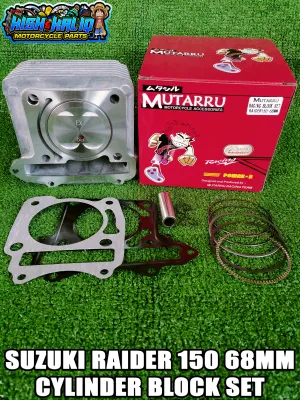
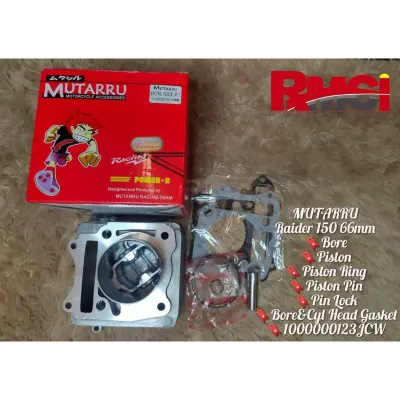
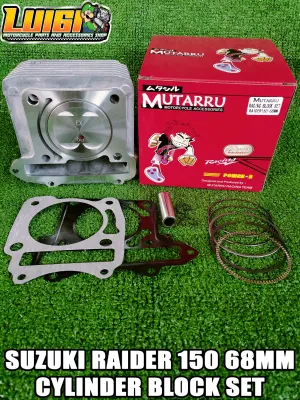
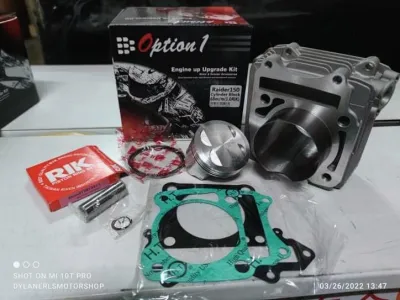
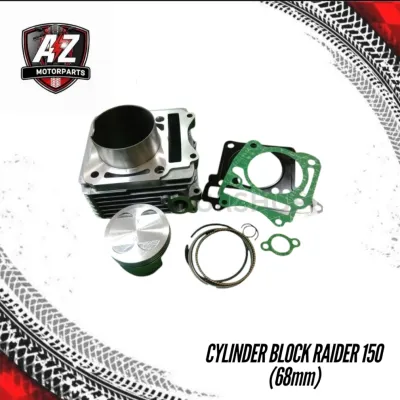
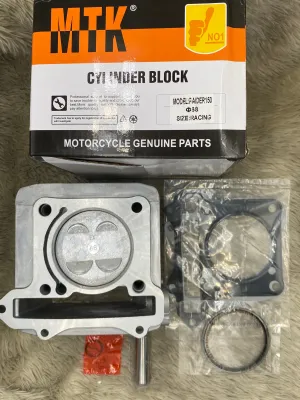
When selecting a 68mm cylinder block, you must ensure it is packaged with or compatible with a matching piston, piston rings, wrist pin, circlips, and a high-quality gasket set. The piston must be specifically designed to match the dome profile and valve reliefs of the Raider 150’s cylinder head. Using mismatched components can result in insufficient piston-to-valve clearance, leading to catastrophic mechanical interference during operation.
Key Selection Criteria for Cylinder Block Materials and Specs
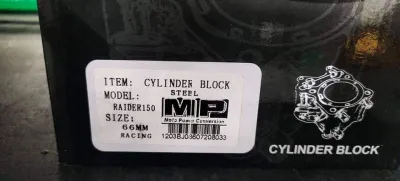
The material composition of the cylinder block determines its durability, heat dissipation capabilities, and resistance to wear. The most common configuration for aftermarket blocks is a cast iron sleeve pressed into an aluminum body. This design combines the structural strength and wear resistance of cast iron with the lightweight and heat-conducting properties of aluminum. When evaluating these blocks, inspect the product label to verify the sleeve material and ensure the sleeve is securely pressed without any visible gaps or misalignment.

Another option is an all-aluminum cylinder block featuring a specialized low-friction coating on the bore surface. These coated cylinders offer superior heat dissipation compared to traditional cast iron sleeves, which is highly beneficial in tropical climates like the Philippines where ambient temperatures frequently exceed 30°C. However, these blocks require precise manufacturing and are generally more sensitive to improper installation or poor lubrication.
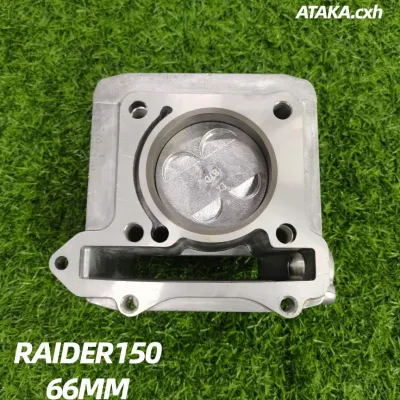
Cooling fin design is a critical factor for maintaining stable operating temperatures. Inspect the surface area and thickness of the cooling fins on the exterior of the block. Larger, well-spaced fins increase the surface area exposed to airflow, enhancing heat dissipation. In stop-and-go traffic or during long rides under the sun, efficient cooling prevents thermal expansion issues that can cause the piston to seize.
Before purchasing, inspect the bore surface finish of the cylinder. A high-quality block features a distinct cross-hatch pattern, which consists of fine, intersecting diagonal lines honed into the cylinder wall. This pattern is essential for retaining a thin film of engine oil, ensuring continuous lubrication of the piston rings and reducing friction-induced wear. A smooth, polished bore surface without cross-hatching can lead to dry spots, rapid ring wear, and loss of compression.
Finally, verify the manufacturer’s specifications for the cylinder wall thickness. The sleeve must be thick enough to withstand the high pressures of combustion without warping or cracking. A thin-walled sleeve is highly susceptible to distortion under thermal stress, which compromises the piston ring seal and leads to oil consumption. Ensure the outer diameter of the sleeve leaves sufficient wall thickness after any necessary machining.
Verifying Fitment, Compatibility, and Supporting Mods
Installing a 68mm cylinder block on a Suzuki Raider 150 is not a direct drop-in procedure. The outer diameter of a 68mm cylinder sleeve is larger than the stock crankcase opening, meaning you must machine or bore the crankcase mouth to accommodate the larger sleeve. Before purchasing, measure the outer diameter of the sleeve and compare it with the dimensions of your crankcase to determine the exact depth and diameter of machining required.
Stud bolt alignment and oil passage compatibility are equally critical. The cylinder block must align perfectly with the crankcase stud bolts without any binding or forcing. Additionally, verify that the oil feed and return passages in the block align precisely with those in the crankcase and cylinder head. Any restriction in oil flow will starve the cylinder head and camshafts of lubrication, causing rapid and severe engine failure.
Piston-to-valve clearance must be verified during the mock assembly phase. The Raider 150’s DOHC four-valve head requires deep, precisely positioned valve reliefs on the piston crown. If the valve reliefs are too shallow or misaligned, the valves can strike the piston, bending the valve stems and damaging the piston. Use modeling clay on the piston crown during a dry assembly to measure the exact clearance between the valves and the piston at top dead center.
To support the increased displacement, you must upgrade the fuel delivery system. A larger engine requires more fuel to maintain a safe air-fuel ratio. For carburetor-equipped models, this involves installing larger jets or upgrading to a larger carburetor. For electronic fuel injection (EFI) models, you will need to scale the fuel injector capacity or install a programmable engine control unit (ECU) to adjust the fuel mapping. Running a big bore kit with stock, lean fueling will cause extreme combustion temperatures and engine damage.
Additionally, the exhaust system must be matched to the larger engine volume. A restrictive stock exhaust header will create excessive backpressure, trapping hot exhaust gases in the cylinder and increasing thermal stress. Upgrading to an exhaust system with a larger header diameter allows the engine to breathe efficiently, reducing operating temperatures and maximizing the benefits of the 68mm bore.
Safety Boundaries and Professional Installation Requirements
Modifying an engine’s bore size introduces significant safety and reliability risks if not executed with precision. The piston-to-wall clearance must be measured using high-precision micrometers and dial bore gauges. If the clearance is too tight, the piston will expand faster than the cylinder block during warm-up, leading to a cold seizure. If the clearance is too loose, the piston will rock within the bore, causing piston slap, accelerated wear, and oil consumption.
Because of these tight tolerances, you should have the cylinder block and piston measured and, if necessary, honed by a qualified machine shop. Professional engine builders possess the specialized tools and experience required to verify that the bore is perfectly round, straight, and sized to the correct clearance. Relying on visual inspection or basic calipers is insufficient for high-performance engine assembly.
During assembly, strict adherence to torque specifications is mandatory. Use a calibrated torque wrench to tighten the cylinder head bolts in the sequence specified by the manufacturer. Uneven or improper torque can warp the cylinder block, distort the bore, and cause head gasket failure. Always use a new, high-quality head gasket designed specifically for a 68mm bore; using a stock-sized gasket will result in the piston striking the gasket edge.
Establish clear stopping conditions during the installation process. If the piston does not slide smoothly through the bore, if the crankshaft is difficult to rotate by hand after tightening the cylinder block, or if any gasket does not align perfectly, stop immediately. Do not attempt to force the components to fit. Disassemble the engine, re-measure all clearances, and consult a professional engine builder to identify and resolve the issue.
Once the engine is assembled, a proper break-in period is essential to seat the piston rings against the cylinder wall. Avoid sustained high-RPM operation, heavy loads, or prolonged idling during the first few hundred kilometers. Perform multiple gentle heat cycles, allowing the engine to reach operating temperature and then cool down completely. Change the engine oil and filter after the initial run-in period to flush out any metallic wear particles generated during the seating process.
Evaluating Brands and Sourcing Reliable Parts
The market for Raider 150 aftermarket parts is extensive, making it crucial to distinguish high-quality components from substandard or counterfeit products. When sourcing a 68mm cylinder block, prioritize purchasing from authorized dealer networks or official brand stores. Authentic products typically feature high-quality packaging, clear branding, security holograms, and unique serial numbers that can be verified on the manufacturer’s website.
Be highly cautious of suspiciously cheap cylinder blocks sold on online marketplaces. While a low price point, such as ₱1,500 for a complete kit, may seem appealing, these products often compromise on metallurgy, machining tolerances, and quality control. A cheap block made from inferior cast iron or poorly cast aluminum is highly prone to cracking, warping, and rapid wear, which can ultimately cost you far more in engine repairs.
Before making a purchase, research verified user feedback and community forum discussions. Look for detailed, long-term reviews from riders who have accumulated thousands of kilometers on the specific block you are considering. Pay attention to reports regarding oil consumption, compression loss, and thermal stability. Avoid relying solely on initial impressions or unverified promotional content.
Additionally, choose brands that provide comprehensive technical documentation, including exact clearance specifications, torque values, and installation guidelines. Access to customer support and the availability of individual replacement parts, such as replacement piston rings or gaskets, is a strong indicator of a reputable manufacturer. This ensures you can maintain and service your engine upgrade over the long term.
Frequently Asked Questions (FAQ)
Do I need to machine the crankcase for a 68mm block?
Yes, installing a 68mm cylinder block on a Suzuki Raider 150 requires machining or boring the crankcase mouth. The outer diameter of the cylinder sleeve for a 68mm bore is larger than the stock crankcase opening. Attempting to force the sleeve into an unmodified crankcase will damage the engine. Always consult the specific manufacturer’s installation manual to verify the exact outer sleeve dimensions and the required crankcase boring specifications before purchasing.
Will a 68mm block affect my Suzuki Raider 150's daily reliability?
A 68mm cylinder block can maintain daily reliability, but it demands meticulous maintenance and proper supporting modifications. The larger displacement increases thermal and mechanical stress on the engine. To preserve reliability, you must ensure the fuel system is properly tuned to prevent lean running, use high-quality synthetic engine oils, and shorten your oil change intervals. In tropical climates, monitoring engine temperatures during heavy traffic is essential to prevent overheating.
What piston size should I pair with a 68mm cylinder block?
You must pair a 68mm cylinder block with a matching 68mm piston designed specifically for the Suzuki Raider 150. The piston must feature the correct compression height, wrist pin diameter, and valve reliefs to match the engine’s DOHC head. Never mix and match pistons and cylinder blocks from different manufacturers without using micrometers and dial bore gauges to verify that the piston-to-wall clearance meets the manufacturer’s exact specifications.
Community discussion
Share your experience or ask a question. Comments are reviewed before publication.