
In tropical regions like the Philippines, car owners frequently face the sudden transition from torrential downpours to scorching sunshine. This rapid weather cycle creates the perfect environment for acid rain residue to bond with your vehicle’s exterior. When rain mixed with atmospheric pollutants evaporates quickly under the tropical sun, it leaves behind stubborn, unsightly mineral deposits that standard car washes cannot dissolve. Finding the right acid rain residue cleaner is not just about restoring your car’s glossy shine; it is a critical maintenance step to protect your clear coat from permanent chemical damage. To make an informed choice, you must understand the chemical nature of these spots, evaluate product formulations carefully, and match the treatment to the severity of the contamination.
Before purchasing any chemical treatment, it is highly recommended to consult your vehicle’s owner manual or paint care documentation. This is especially important if your vehicle features a matte paint finish, a vinyl wrap, or a paint protection film, as these surfaces require specialized care and can be easily ruined by standard chemical cleaners.
Understanding Acid Rain Residue and Paint Damage
Acid rain residue typically manifests as unsightly white, chalky rings or water spots scattered across your car’s hood, roof, and trunk. On dark-colored vehicles, these spots are highly visible and can quickly ruin the aesthetic appeal of an otherwise clean car. If you run your hand over the affected paint, you might feel a slightly rough, raised texture where the minerals have bonded to the surface.
Products mentioned in this guide
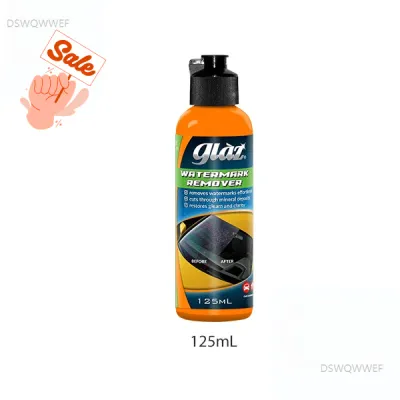
![[CGL]Glass Cleaner Acid Rain RemoverWatermarks Remover Car Windshield CleanerCar Glass Cleaner](https://img.lazcdn.com/g/p/436725bfd8a3f927a2c51caa6afb2952.png_400x400q80.png_.webp)
3,068 Lazada user ratings
Effective water spot removal, Non-acid and eco-friendly formula, Eliminates oil film on windshields, well packed Fast delivery
🛠️Durability:excellent well packed 👌Ease of Use:excellent very easy to use serves its purpose 🔒Safety:excellent
Eliminates oil film on windshields, Effective water spot removal, Non-acid and eco-friendly formula,
goods ok na man siya
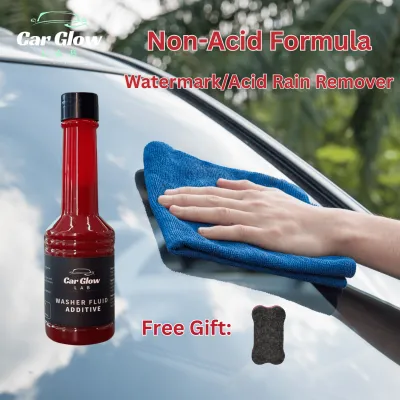
66 Lazada user ratings
Gsjsbx jsjshdgdysjshe whdvdhdb sjejebsheh shsjejejej jweieieieu ejsisidjsi sudjdi gahshshsh
Following directions. No effect. Kakamot ka nalang sa ulo.
easy to use and is what they are saying . very effective
👌Ease of Use:mabula 🔒Safety:sealed
🔒Safety:goods na goods
![CGL Ultimate Glass Cleaning Answer] - Oil Film / Acid Rain / Watermark Remove Windshield Cleaning](https://img.lazcdn.com/g/p/907cb9a5149892c1526982610b965c0e.jpg_400x400q80.jpg_.webp)
9 Lazada user ratings
👌Ease of Use: Very easy to use, even for first-timers. The instructions are clear, and I was able to set it up without any hassle. Highly co…Read full reviewShow less
👌Ease of Use: Very easy to use, even for first-timers. The instructions are clear, and I was able to set it up without any hassle. Highly convenient and straightforward. 🔨Durability: Here are some sample durability reviews you can use: "The product feels solid and well-built. I’ve been using it regularly, and it shows no signs of wear or damage. Definitely durable and reliable." "Durability is impressive. Even after daily use, it remains sturdy and performs as expected." "Strong and long-lasting. I accidentally dropped it once, and it still works perfectly without any scratches or cracks." "This is made with quality materials that can withstand frequent use. I’m confident it will last a long time." "Feels tough and resilient. After a few weeks of use, it still looks and works like new."
mabilis ang delivery naship agad ni seller ang item. hindi pa namin nasubukan gamitin maybe tomorrow itey namin. mag update ako ng review ko…Read full reviewShow less
mabilis ang delivery naship agad ni seller ang item. hindi pa namin nasubukan gamitin maybe tomorrow itey namin. mag update ako ng review ko how effective this product.
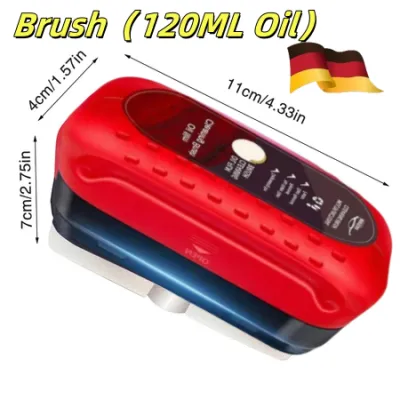
36 Lazada user ratings
I've already recieved the parcel sana effective sa shiled at sa side. Mirror ng sasakyan ko. Hindi ko pa kasi natry e.. But once my masubuka…Read full reviewShow less
I've already recieved the parcel sana effective sa shiled at sa side. Mirror ng sasakyan ko. Hindi ko pa kasi natry e.. But once my masubukan i will give another reviews. For now thank you so much seller we will order again once maubos na.
well packed wat usee is wat u get,di ko pa nasusubokan,update ko nlng kyo tnx seller lazada at sa courier
👌Ease of Use:Easy to be used and effective within glass and other porcelain wall.
fake and scam dont buy this really really scam
👌Ease of Use:very good
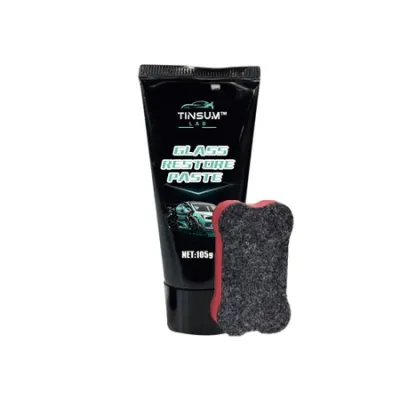
771 Lazada user ratings
I'm rating this only a 4 star, I didn't receive the "sponge" or "scrub" in my package. I saw the product and should have THAT item.
hindi sya effective kapag umuulan, kapag kala2gay lang tapos sinabuyan ng tubig dun lang sya gumagana, pero sa actual na ulan hindi
tumagas po ung laman next tym pki ayos ulit pagka pack kawawa po Yung malabili sa shop nyu halos kalahati Yung tumapon
iba ung pinadala kesa don s inorder ko color red black ang dumating tapos malabnaw p ndi katulad ng nsa video
64 Lazada user ratings
buyers don't buy this item it's a FAKE one!
👌Ease of Use:good quality
fast delivery.
not satisfied
Prices are valid at publication and may change. Please refer to the product page for the latest price.
The chemical composition of these spots is far more complex than simple dried tap water. As rain falls through polluted air, it absorbs sulfur dioxide and nitrogen oxides emitted by industrial plants and vehicle exhausts. This chemical reaction creates weak solutions of sulfuric and nitric acids. When these droplets land on your car and evaporate under intense heat, the acids concentrate rapidly, trapping calcium, magnesium, silica, and road dust in a hard, crystalline matrix.
Your car’s clear coat acts as the primary barrier protecting the delicate color coat underneath from environmental hazards. However, the concentrated acids left behind by evaporating rain slowly eat into this protective layer over time. This chemical degradation is known as etching, which creates physical microscopic craters in the clear coat.
If you leave acid rain residue untreated, the minerals will continue to bond deeper into the paint structure. What begins as a simple cosmetic issue can quickly escalate into permanent clear coat failure, requiring expensive professional paint correction or a complete respray. Standard car wash shampoos are formulated to lift loose dirt and road grime, but they lack the specific chemical properties needed to break down these stubborn mineral bonds.
Key Formulations for Acid Rain Residue Cleaners
To safely remove acid rain spots without damaging your vehicle’s clear coat, you must understand the chemical approaches used by different product formulations. Because mineral deposits are highly alkaline, they require a chemical counteragent to break their bond with the paint. Most dedicated water spot removers rely on mild acidic formulations or advanced chelating agents to dissolve these deposits safely.

Mild acidic formulations typically utilize organic acid derivatives, such as citric, lactic, or sulfamic acids. These organic acids are carefully buffered by manufacturers to ensure they are strong enough to dissolve calcium and magnesium deposits but gentle enough not to degrade the clear coat polymer. When applied, the acid reacts with the alkaline minerals, converting them into water-soluble salts that can be easily wiped or rinsed away.
An alternative approach involves pH-neutral water spot removers that utilize advanced chelating agents. Chelators are specialized chemical compounds that bind to metal ions, such as calcium and magnesium, at a molecular level. By surrounding and isolating these ions, the chelating agents lift the minerals from the paint surface without altering the pH balance of the cleaner. This makes them exceptionally safe for sensitive finishes and reduces the risk of chemical staining during application.
In contrast, you must strictly avoid harsh alkaline cleaners or strong industrial acids on your car’s paintwork. Heavy-duty degreasers and multi-purpose cleaners are highly alkaline and completely ineffective at dissolving mineral deposits. Worse, they can cause severe staining on delicate aluminum trim, chrome accents, and plastic moldings.
Similarly, aggressive industrial acids like hydrofluoric or hydrochloric acid must never be used on automotive paint. While these strong acids are sometimes found in industrial concrete removers or cheap wheel cleaners, they are highly corrosive. They will instantly dull, haze, or strip your clear coat, leading to irreversible paint damage and presenting severe health risks to the user.
Evaluating Product Labels and Claims
Navigating the car care aisle can be overwhelming, making it essential to carefully evaluate product labels and manufacturer claims before making a purchase. Your primary goal is to verify that the chemical formulation is safe for your specific paint type and clear coat. Always look for explicit statements on the packaging such as “clear coat safe,” “automotive paint safe,” or “suitable for all clear coats.”
When reading the ingredient list or safety data sheets, check for the presence of safe active ingredients like organic acids or chelating agents. Conversely, treat any product that lists hydrofluoric acid, ammonium bifluoride, or strong mineral acids as a major red flag. These chemicals are highly hazardous and are not intended for consumer-level automotive paint decontamination.
It is also crucial to distinguish between hard-surface or glass water spot removers and automotive-specific paint cleaners. Glass is chemically inert and much harder than automotive clear coat, allowing it to withstand highly acidic or abrasive cleaners. A product formulated specifically for home shower doors or car windshields may contain heavy abrasives like cerium oxide or aggressive acids that will quickly scratch, haze, or strip your car’s delicate paintwork.
Furthermore, always check the label for authorized material uses and compatibility warnings. Many acid rain residue cleaners are formulated strictly for painted surfaces and should not be allowed to contact rubber seals, unpainted plastics, or sensitive sensors. If a product does not explicitly state it is safe for these materials, you must take precautions to mask them off or avoid those areas entirely during application.
Recommended Cleaner Types Based on Residue Severity
Not all acid rain spots are created equal, and matching the aggressiveness of your cleaner to the severity of the damage is key to preserving your paint. Using an overly aggressive chemical or abrasive method on light spots unnecessarily thins your clear coat, while a weak cleaner will fail to resolve deep etching.
Light Surface Spots
For fresh water spots that have only been on the vehicle for a few days, gentle options are highly effective. pH-neutral chelating car wash shampoos or dedicated quick detailers with water-softening agents can easily lift light mineral films.
These products are ideal for routine maintenance and immediate post-rain cleanup, especially during the monsoon season when cars are repeatedly exposed to wet-and-dry cycles.
However, their main limitation is that they lack the chemical strength to dissolve baked-in or older mineral deposits that have already begun to bond deeply with the paint.
Moderate Mineral Buildup
When water spots have sat on the paint for several weeks, they form distinct white rings with raised edges that resist standard washing. For this level of contamination, you need a dedicated, mild acidic liquid or gel water spot remover.
These specialty formulas are engineered to cling to vertical surfaces, giving the mild acids enough time to dissolve the mineral bonds.
When selecting these products, ensure they are explicitly labeled for clear coat use. They must be applied with care, worked in small sections, and followed by a thorough rinse to neutralize the acidic active ingredients.
Severe Etching and Stubborn Residue
If the mineral deposits have been baked by the sun for months, they can cause physical damage to the paint surface. In these cases, chemical cleaners alone may not suffice.
You can start by using an automotive clay bar with a high-quality clay lubricant to mechanically shear off the raised mineral deposits.
If the minerals have already etched into the clear coat, leaving physical craters in the paint, you must transition to a mild polishing compound applied with a dual-action polisher or a microfiber applicator pad.
A critical stop condition exists here: if the etching has penetrated deep into the clear coat, creating a rough texture that cannot be smoothed with light polishing, stop all DIY chemical and abrasive treatments. Attempting to buff further may strip the remaining clear coat, requiring a professional detailer or a partial repaint.
Safe Application and Paint Protection Steps
To achieve the best results without risking damage to your vehicle’s finish, you must follow a systematic and safe application process. Before applying any acid rain residue cleaner, thoroughly wash and dry the vehicle to remove all loose dirt, sand, and road grit. Applying a chemical cleaner over a dirty surface can trap abrasive particles under your applicator pad, leading to severe swirl marks and scratches.
Always ensure that the vehicle’s panels are cool to the touch and that you are working in a shaded, well-ventilated area. Applying chemical cleaners to a hot hood under direct sunlight causes the product to evaporate rapidly. This rapid drying concentrates the active acids, which can lead to chemical staining, hazing, or uneven etching on your clear coat.
Apply a small amount of the cleaner to a clean microfiber applicator pad and work it gently over a small section, typically no larger than two square feet at a time. Strictly adhere to the manufacturer’s recommended dwell time, which is usually between thirty seconds and two minutes. Never allow the product to dry on the paint surface.
Once the dwell time is reached, wipe away the residue with a clean, damp microfiber towel, and immediately rinse the area thoroughly with clean water. This rinsing step is critical because it neutralizes any remaining acidic compounds, preventing them from continuing to react with your clear coat. Work systematically around the vehicle, completing one section at a time.
After successfully removing the acid rain residue, your paint will be completely bare and unprotected. Acidic and chelating cleaners are highly effective at stripping away minerals, but they also strip away any existing wax, paint sealant, or silica-based coatings. Leaving the paint bare exposes it to immediate damage from the next rainfall.
To prevent future damage, immediately apply a fresh layer of high-quality wax, synthetic paint sealant, or a ceramic spray coating. This protective layer restores the hydrophobic barrier on your paint, causing rainwater to bead up and roll off the surface rather than pooling and evaporating. Regular maintenance with a quick detailer after rain showers will further extend the life of this protective barrier and keep acid rain spots at bay.
Frequently Asked Questions (FAQ)
Can I use household vinegar to remove acid rain spots from my car?
While household vinegar, which contains acetic acid, is a popular DIY remedy, it carries significant risks when used on automotive paint. Vinegar is unbuffered, meaning its acidity level can be inconsistent and potentially too harsh for delicate clear coats if left to dry. Furthermore, household vinegar lacks the specialized lubricants, surfactants, and chelating agents found in professional automotive formulations. These additives help glide the dissolved minerals off the paint without scratching. Using dedicated automotive cleaners ensures a controlled, safe chemical reaction that protects your vehicle’s finish.
Will an acid rain residue cleaner remove my car's wax or sealant?
Yes, most effective acid rain residue cleaners will degrade or completely strip existing waxes and paint sealants. Because these cleaners are formulated to dissolve mineral bonds and break down tough environmental contaminants, they easily break down the thin protective polymers of traditional waxes. After completing the decontamination process, it is essential to reapply a protective layer to prevent new acid rain spots from etching directly into the bare clear coat.
Community discussion
Share your experience or ask a question. Comments are reviewed before publication.