
Choosing the correct air filter for your Nissan Navara requires matching your exact vehicle generation and engine specifications, selecting the right filter material for your typical driving environment, and verifying the physical dimensions and OEM part numbers before purchasing. Because minor mid-cycle design updates can alter the airbox dimensions, relying on the general model name alone often leads to fitment issues.
To make an informed choice, you must look beyond generic compatibility claims. A proper selection requires understanding the filtration characteristics of different materials, knowing where to find your vehicle’s technical specifications, and performing a physical cross-reference of the part. This guide provides a practical framework to help you navigate these specifications, compare your options, and confidently select a filter that matches your driving conditions.
Match Your Navara Generation and Engine Specifications
The Nissan Navara has a long production history, spanning multiple generations that feature distinct engine designs, airbox configurations, and filtration requirements. The most common generations you will encounter on the road include the older D40 platform and the newer NP300 (often designated as the D23 platform). Because these generations utilize completely different engine families—such as the 2.5-liter YD25DDTi diesel engine or the newer 2.3-liter YS23DDTT twin-turbo diesel engine—their air intake systems are not interchangeable.
Products mentioned in this guide
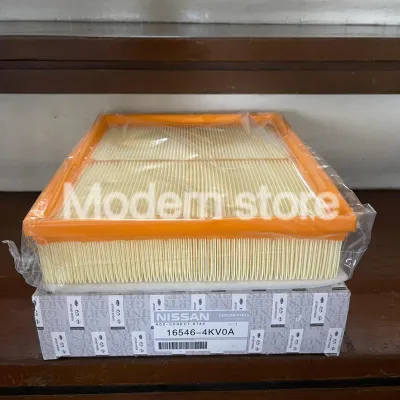
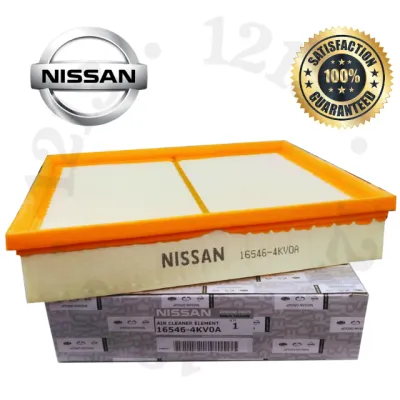
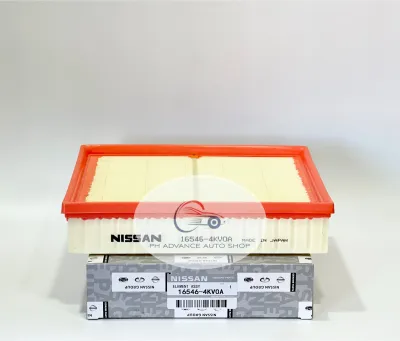
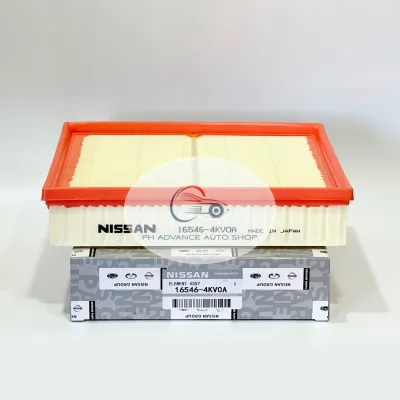
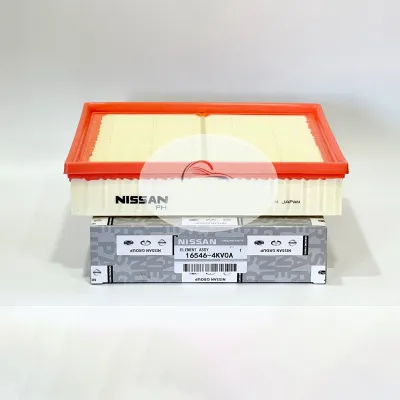

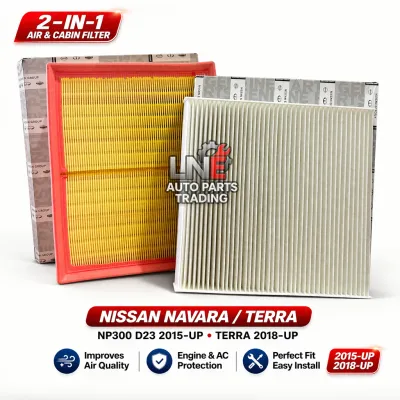
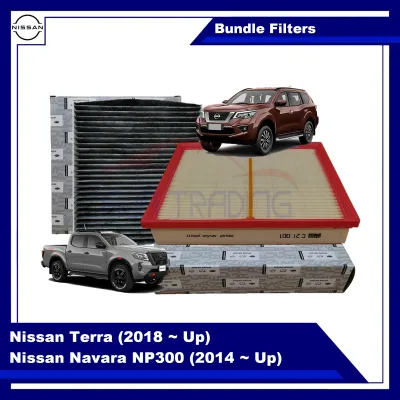
Prices are valid at publication and may change. Please refer to the product page for the latest price.
Each engine type requires a specific filter shape, surface area, and housing design to function correctly. For instance, a filter designed for a D40 Navara will not fit into the airbox of an NP300, as the physical dimensions and sealing edges differ significantly. Even within the same generation, minor mid-cycle facelifts or regional engine variations can result in subtle changes to the airbox dimensions. Relying solely on the broad model name “Navara” when searching online catalogs or browsing auto parts stores often leads to purchasing the wrong part.
To avoid compatibility issues, you must locate your vehicle’s precise technical details before shopping. The most reliable sources for this information are your vehicle registration documents, the owner’s manual, or the metal Vehicle Identification Number (VIN) plate typically located on the firewall inside the engine bay or on the door pillar. Note down the exact model year, engine code, and displacement. Having these specific details on hand allows you to cross-reference replacement parts with absolute accuracy, ensuring the filter you buy matches the exact specifications of your vehicle’s intake system.
Compare Filter Materials for Your Driving Environment
Selecting the right air filter material requires balancing your typical driving conditions with your long-term maintenance preferences. Different materials offer distinct advantages in terms of filtration efficiency, airflow capacity, and service life.

Standard OEM Paper Filters
Standard original equipment manufacturer (OEM) style filters utilize a deeply pleated paper media designed to capture a high percentage of airborne particulates. These filters are engineered to provide excellent dust-holding capacity, making them highly effective at trapping fine dust, soot, and road grime before they can enter the engine. The precise pleat spacing and rigid outer frame ensure a direct factory fitment, which prevents unfiltered air from bypassing the filter media and entering the intake tract.
Because paper filters are disposable, they require regular replacement rather than cleaning. Over time, the paper pores become saturated with trapped debris, gradually restricting airflow and requiring a complete replacement of the unit. This type of filter is the default, highly recommended choice for drivers who primarily operate their vehicles in standard highway and city environments, where reliable engine protection and hassle-free maintenance are the primary priorities.
High-Flow and Reusable Filters
High-flow aftermarket filters typically feature synthetic, cotton gauze, or foam media designed to allow greater airflow into the engine compared to standard paper filters. While this increased airflow can appeal to drivers looking to optimize engine responsiveness, it often comes with a trade-off in fine dust filtration efficiency. The larger pores in high-flow media may allow microscopic dust particles to pass through, which can be a concern if you frequently drive on unpaved provincial roads or dusty off-road trails.
Additionally, reusable filters require a strict, hands-on maintenance routine to remain effective. Instead of discarding the filter when it becomes dirty, you must wash it with a specialized cleaning solution, allow it to dry completely, and then apply a precise amount of filter oil to restore its dust-trapping capabilities. This oiling process requires extreme care; applying too much oil can cause the excess fluid to be drawn into the intake tract, where it can contaminate the sensitive Mass Air Flow (MAF) sensor. A contaminated MAF sensor can lead to rough idling, poor fuel economy, and dashboard warning lights, so you must carefully weigh these maintenance demands before choosing a reusable option.
Verify Physical Dimensions and Part Numbers
Before finalizing any air filter purchase, you should physically inspect and measure your current filter to verify its technical attributes. Do not rely entirely on online compatibility checkers, as database errors can occasionally suggest incorrect parts. Start by opening your Navara’s airbox, removing the existing filter, and measuring its outer dimensions—specifically the length, width, and height—using a standard ruler or caliper. Note whether the filter is a flat rectangular panel, a trapezoidal shape, or a cylindrical cartridge, as these physical profiles vary across different model years.
Next, look closely at the frame of your existing filter for any printed manufacturer markings or original equipment part numbers. This OEM part number is the single most reliable identifier for finding an exact replacement. When browsing replacement filters on an online marketplace or at a local auto supply shop, cross-reference this OEM number with the part numbers listed in the product description. If the numbers match, you can be highly confident that the replacement filter will fit your airbox perfectly.
Finally, pay close attention to the construction quality of the filter’s sealing gasket. The perimeter seal, usually made of flexible polyurethane or high-grade rubber, must be soft enough to compress tightly when the airbox clips are secured, yet rigid enough to maintain its shape under engine vacuum. A poor-quality or distorted seal allows unfiltered air to bypass the filter media entirely, carrying abrasive dust directly into your engine’s cylinders. Inspect the replacement filter’s frame and gasket for any warping, tears, or manufacturing defects before attempting to install it in your vehicle.
Your Pre-Purchase Verification Checklist
To ensure a seamless buying experience and avoid the inconvenience of returning incorrect parts, follow this structured, step-by-step pre-purchase verification workflow:
- Extract and Record Your Vehicle Details: Before you begin browsing, write down your Navara's exact model year, engine code (such as YD25 or YS23), and the OEM part number printed on your current air filter. Having this information readily available prevents confusion when comparing different product listings.
- Utilize Precise Search Filters: When searching on an online marketplace or auto parts website, avoid using broad search terms like "Navara air filter." Instead, use the platform's vehicle selector tools to filter results by the exact year, make, model, and engine displacement of your vehicle.
- Cross-Reference Part Numbers: Always open the product description of the filter you are considering and look for an explicit compatibility list. Verify that your engine code and the OEM part number you recorded in Step 1 are explicitly listed as compatible. Do not rely on generic "fits all Navara models" claims, as these are often inaccurate.
- Inspect the Product Upon Delivery: Once the replacement filter arrives, do not immediately discard your old filter. Place the new filter side-by-side with the old one to verify that the length, width, height, and pleat depth match exactly. Check that the rubber sealing gasket is fully intact, flexible, and free of deformities before installing it into your airbox. If you notice any discrepancies, consult the manufacturer or a qualified professional before proceeding with the installation.
Recognize When Your Current Filter Needs Replacement
Rather than relying solely on fixed mileage intervals, you should inspect your Navara’s air filter periodically to determine when it needs to be replaced. A visual inspection is the most reliable way to assess a filter’s condition. To do this, remove the filter from the airbox and hold it up to a strong light source, such as a flashlight or bright sunlight. If the light cannot penetrate the paper pleats, or if you observe a heavy accumulation of dark soot, insects, and road debris trapped deep within the folds, the filter is restricted and should be replaced immediately.
You can also watch for subtle vehicle performance indicators that suggest your engine is struggling to draw sufficient air. A heavily restricted air filter limits the volume of oxygen entering the combustion chambers, which can manifest as sluggish throttle response, a noticeable drop in acceleration when climbing steep inclines, or unexplained increases in fuel consumption. If you notice your Navara shifting gears more frequently or feeling less responsive under load, a clogged air filter is often the primary culprit.
Environmental factors play a massive role in determining how quickly your filter becomes clogged. In tropical regions like the Philippines, driving through dusty rural areas, unpaved construction zones, or heavy urban traffic accelerates the buildup of airborne particulates. High humidity and exposure to heavy rain can also cause paper filter media to absorb moisture, which can weaken the fibers and cause dust to cake onto the surface more rapidly. If you frequently operate your vehicle in these demanding conditions, you should inspect your air filter every few months and replace it more frequently than the standard service interval recommended in your owner’s manual.
Frequently Asked Questions (FAQ)
Can I clean a standard paper air filter with compressed air?
No, you should never attempt to clean a standard disposable paper air filter using high-pressure compressed air. While blowing compressed air through the filter may remove large, visible debris from the surface, the high pressure can easily tear or stretch the microscopic pores of the paper media. These invisible tears permanently compromise the filter’s integrity, allowing highly abrasive dust and fine silica particles to pass directly into your engine’s cylinders. This abrasive dust can cause severe internal wear over time, leading to costly engine damage that far outweighs the price of a new replacement filter.
Will an aftermarket high-flow filter void my Navara's warranty?
Installing an aftermarket high-flow air filter does not automatically void your Nissan Navara’s manufacturer warranty, but it can complicate warranty claims if an engine issue arises. Generally, a dealership cannot deny warranty coverage unless they can demonstrate that the aftermarket part directly caused or contributed to the specific failure. For example, if an over-oiled aftermarket filter contaminates the MAF sensor, the repair cost for that sensor will not be covered under warranty. To protect yourself, always review your specific warranty terms, understand local consumer protection guidelines, and consider keeping your original OEM filter on hand to reinstall if the vehicle requires official dealership diagnostics.
Community discussion
Share your experience or ask a question. Comments are reviewed before publication.