
Protecting your vehicle’s interior from sharp feline claws, shedding fur, and unexpected accidents in a tropical climate requires balancing material durability with passenger comfort. Finding a reliable “anti pusa” seat cover involves identifying products that resist punctures, repel hair, block moisture, and remain secure without compromising your vehicle’s built-in safety systems. By focusing on material specifications, safety compatibility, and proper maintenance, you can safeguard your car’s upholstery while ensuring a comfortable ride for your pet.
What Makes a Seat Cover Effective Against Cats?
Understanding the physical challenges that cats present to automotive upholstery is the first step in selecting an effective barrier. Unlike dogs, cats have extremely sharp, curved claws that they use for grip, balance, and stretching. When a cat is placed in a moving vehicle, stress or curiosity can cause them to extend their claws, easily puncturing standard fabric or thin vinyl seats. An effective seat cover must feature a high weave density or surface hardness that prevents these claws from penetrating through to the original upholstery underneath.
Fur management is another critical factor for pet owners. Feline dander and fine hair tend to embed themselves deeply into porous fabrics, making removal incredibly difficult. In humid environments, trapped pet hair can quickly lead to persistent odors and mold growth within the cabin. A high-quality seat cover should feature a smooth, static-resistant surface texture that allows loose fur to be easily wiped, brushed, or vacuumed away rather than woven into the fibers.
Products mentioned in this guide
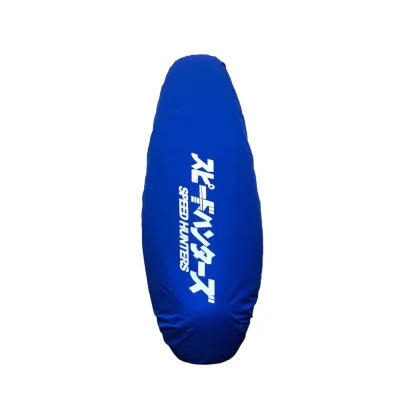

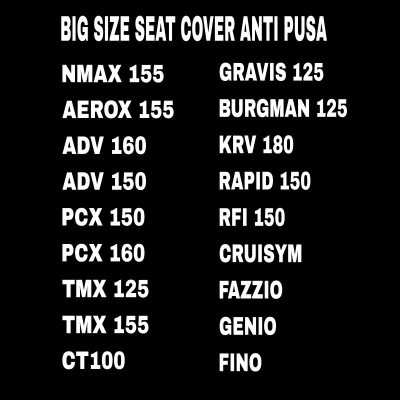
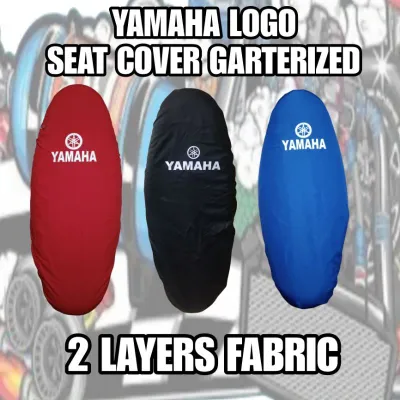
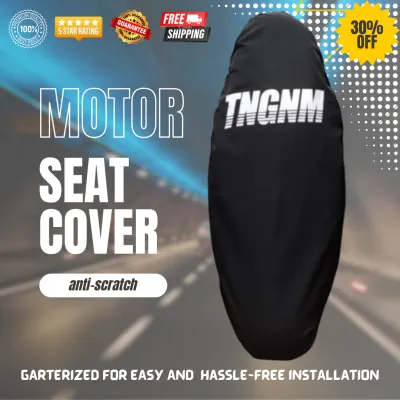
Prices are valid at publication and may change. Please refer to the product page for the latest price.
Liquid protection is equally vital for managing unexpected biological accidents. Cats under stress during car rides may experience motion sickness, salivate excessively, or suffer from bladder accidents. Without a reliable waterproof barrier, these liquids will seep directly into the seat foam, creating deep-seated odors that are nearly impossible to eliminate. The ideal cover must incorporate a non-porous backing or an integrated waterproof membrane to isolate spills completely.
Finally, secure anchoring mechanisms are essential to keep the cover from shifting. If a seat cover slides or bunches up when your cat moves, jumps, or kneads, the underlying seat becomes exposed to immediate damage. Robust straps, tuck-in anchors, and non-slip backing materials work together to keep the protector flat and taut against the seat cushions, ensuring continuous coverage throughout your journey.
Comparing Common Seat Cover Materials for Pet Owners
Selecting the right material requires evaluating how different fabrics perform against cat claws, shedding, and the intense heat and humidity of a tropical climate. Each material option presents distinct trade-offs in terms of durability, maintenance, and passenger comfort.

PU and faux leather covers offer a sleek, premium appearance that closely matches original leather interiors. They are exceptionally easy to clean, allowing you to wipe away fur, dirt, and liquids with a damp cloth. However, faux leather is highly susceptible to visible scratching and deep claw punctures, which can ruin the material’s aesthetic over time. Additionally, low-quality PU leather can become uncomfortably hot and sticky when parked under the sun, and it may begin to peel or crack prematurely due to high humidity.
Heavy-duty canvas or Oxford cloth is widely considered the most durable option for claw resistance. Typically rated by denier (such as 600D or higher), these tightly woven polyester or nylon fabrics provide outstanding puncture and abrasion resistance. While canvas is highly breathable and comfortable in warm weather, its textured weave can trap fine cat hair. This means you will need to spend more effort vacuuming or using specialized brushes to keep the surface completely hair-free.
Neoprene is a synthetic rubber material famous for its excellent waterproofing and cushioning properties. It offers a thick, resilient barrier that easily absorbs claw impacts without tearing. The primary drawback of neoprene in tropical climates is heat retention. Because it does not breathe well, it can make the cabin seats feel warm to the touch and may trap moisture underneath, requiring you to periodically remove the cover to let your original seats air out.
Standard polyester blends are highly accessible and budget-friendly, but they generally lack the thickness and weave density required to withstand sharp cat claws. They are prone to snagging, running, and tearing under minimal claw pressure. While they can serve as a temporary barrier against light shedding, they offer very little protection against liquids unless they are treated with a specialized waterproof coating.
| Material Type | Scratch Resistance | Fur Management | Climate Comfort (Tropical) |
|---|---|---|---|
| PU / Faux Leather | Moderate (can scratch) | Excellent (wipes clean) | Moderate (can feel hot/sticky) |
| Canvas / Oxford Cloth | High (puncture-resistant) | Moderate (traps hair in weave) | High (breathable) |
| Neoprene | High (thick barrier) | Good (easy to vacuum) | Low (retains heat) |
| Polyester Blends | Low (easily punctured) | Moderate (static attracts hair) | High (lightweight) |
Essential Safety and Fit Features to Verify
Before purchasing any seat cover, you must verify that it integrates safely with your vehicle’s built-in safety systems. Modern vehicles are equipped with sophisticated safety features that can be severely compromised by poorly designed or improperly installed aftermarket accessories.
Side airbag compatibility is the most critical safety factor to check. Many modern cars feature side airbags embedded within the outer edges of the front seat backrests. If you install a solid, heavy-duty seat cover over these seats, it can delay or completely block the deployment of the airbags during a collision. You must look for covers that explicitly feature “airbag-safe” split seams, open-sided designs, or documented compatibility with seat-mounted airbags. Always consult your vehicle’s owner manual to locate your airbag deployment zones before installing any cover.
Anti-slip backing materials and robust seat anchors are essential for keeping both the cover and your pet secure. Look for covers that feature a rubberized, non-slip mesh on the underside to prevent the fabric from sliding across leather or cloth seats. Tuck-in seat anchors—typically plastic tubes or discs attached to the back of the cover—should be wedged firmly into the crease between the seat cushion and the backrest to prevent horizontal shifting.
Proper headrest loop adjustments and seatbelt buckle access cutouts are also vital. The cover must feature adjustable, reinforced straps that loop securely around the headrest posts to provide vertical support. Additionally, ensure there are precise, reinforced openings that allow easy access to seatbelt buckles and child seat anchors (ISOFIX). This ensures you can still safely secure passengers, seatbelts, or pet carriers without having to pull or distort the protective cover.
Always check the manufacturer’s fitment guide and measure your vehicle’s seats before buying. Universal-fit covers are designed to fit a wide range of vehicles, but they often leave loose fabric or exposed gaps on exceptionally large or small seats. A snug, tailored fit not only looks better but also prevents your cat from finding gaps to crawl underneath the cover.
How to Evaluate Listings on E-Commerce Platforms
Shopping for pet-specific automotive accessories on online marketplaces requires a careful, analytical approach to avoid low-quality products that fail to protect your interior.
Start by optimizing your search terms to filter out generic, thin seat covers. Use localized and specific phrases such as “anti pusa seat cover,” “scratch-proof pet car seat protector,” or “heavy-duty dog and cat car mat.” Using these targeted terms helps surface products designed specifically with pet claw durability and liquid resistance in mind, rather than standard decorative covers.
When evaluating product listings, do not rely solely on overall star ratings or promotional images. Dive deep into the buyer reviews, specifically looking for feedback from pet owners. Search the review text for keywords like “cat,” “claw,” “scratch,” “pusa,” or “tear.” Pay close attention to user-uploaded photos, which often reveal the true texture, thickness, and fit of the material in real-world vehicles. Reviews that mention how the cover held up after several months of use are far more valuable than reviews written immediately upon delivery.
Verify the seller’s material claims against the detailed product specifications and care labels. If a listing claims a cover is “waterproof leather,” look for clarification on whether it is genuine PU leather, PVC, or a treated polyester. If the technical details are vague or contradictory, use the platform’s messaging feature to ask the seller directly about the material composition, denier rating, and whether it features a waterproof backing layer.
Finally, review the platform’s return policies and warranty conditions before making a purchase. Because seat shapes and airbag configurations vary widely across vehicle makes and models, there is always a chance a cover may not fit perfectly. Ensure that you can return or exchange the item if it does not fit your seat configuration, provided you keep the product clean, undamaged, and in its original packaging during the initial test fitting.
Maintaining and Cleaning Your Seat Cover
Proper maintenance and cleaning are essential to preserve the protective qualities of your seat cover and extend its lifespan, especially in humid tropical environments where mold and odors can develop quickly.
To remove embedded cat fur, standard vacuuming is often insufficient because fine hairs can cling tightly to fabric fibers. A highly effective technique is to wear a clean rubber glove and wipe your hand firmly across the surface of the cover. The friction creates static electricity and grip, causing the loose hair to clump together into easily removable piles. Alternatively, you can use a rubber window squeegee or a specialized pet hair brush to scrape the fur off the fabric before vacuuming the residue.
For routine cleaning of waterproof surfaces like PU leather or treated canvas, wipe the cover down with a damp microfiber cloth and a mild, pet-safe detergent. Avoid using harsh household chemicals, bleach, or alcohol-based cleaners, as these substances can strip away waterproof coatings, dry out faux leather, and cause the material to crack under intense sunlight. Always ensure the cover is completely dry before reinstalling it to prevent trapping moisture against your original seats.
Before attempting to wash fabric covers, always check the care label for specific instructions. If the cover is machine-washable, use cold water on a gentle cycle with a mild detergent, and avoid fabric softeners which can degrade water-resistant treatments. Never place waterproof, rubber-backed, or neoprene covers in a hot clothes dryer. The high heat will melt, warp, or delaminate the protective backing. Instead, hang the cover to air dry in a well-ventilated, shaded area away from direct midday sunlight.
If a severe liquid accident occurs and seeps through the cover, or if a strong pet odor persists despite regular cleaning, do not attempt aggressive DIY scrubbing that could damage your car’s original upholstery or electronics. In these situations, it is best to stop and consult a professional automotive detailer. Professional detailers have specialized extraction equipment, steam cleaners, and pet-safe enzymatic solutions designed to neutralize deep-seated odors and sanitize vehicle interiors safely.
Frequently Asked Questions (FAQ)
Are hammock-style seat covers better for cats?
Hammock-style seat covers, which suspend between the front and rear headrests, are highly effective for containing loose fur, dander, and dirt within the rear cabin area. They create a secure barrier that prevents your cat or their carrier from sliding into the footwell during sudden stops, reducing stress for your pet. However, they completely block the rear seat for human passengers and can restrict access to rear air conditioning vents. If you frequently carry passengers alongside your pet, a split-bench cover or a single-seat protector is a more versatile choice.
Can I use a regular blanket instead of a dedicated seat cover?
Using a standard household blanket is not recommended for pet transport because blankets lack proper anchoring mechanisms. Without secure straps or non-slip backings, a blanket will easily slide, bunch up, or slip off the seat when your cat moves or when you apply the brakes, exposing your upholstery to immediate claw damage. Furthermore, standard blankets are not waterproof, meaning any liquid accident will immediately soak through to the seat foam, creating deep-seated odors that are extremely difficult to remove in humid climates. They also lack the necessary cutouts for seatbelt buckles, which can interfere with securing a pet carrier or passenger safely.
Community discussion
Share your experience or ask a question. Comments are reviewed before publication.