
Choosing the right camshaft for your Yamaha Mio is one of the most critical decisions you can make when maintaining or upgrading your scooter’s engine. The Yamaha Mio lineup spans multiple generations, each featuring distinct engine architectures that are not cross-compatible. To select the correct camshaft, you must identify your exact engine code, define your riding goals, and verify that your valve train clearances can support the new component. Making the wrong choice can lead to poor engine performance, severe mechanical damage, or costly repairs.
Identify Your Exact Yamaha Mio Variant and Engine Code
To avoid purchasing an incompatible part, you must first pinpoint the exact model and engine generation of your scooter. The Yamaha Mio nameplate has been used on a wide variety of scooters in the Philippines for over two decades, meaning that parts designed for one model year will rarely fit another.
To begin, locate the engine number and chassis code stamped directly onto your scooter’s frame and crankcase. The engine number is typically engraved on the lower left side of the crankcase near the rear shock absorber mount, while the chassis number is often found under the seat compartment or on the frame neck. Cross-reference these numbers with your official registration documents to confirm the exact manufacturing year and model designation.
Products mentioned in this guide
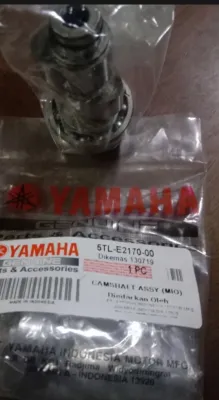
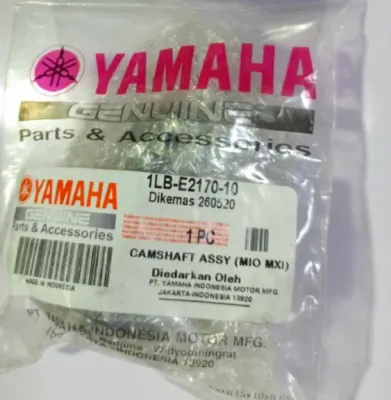
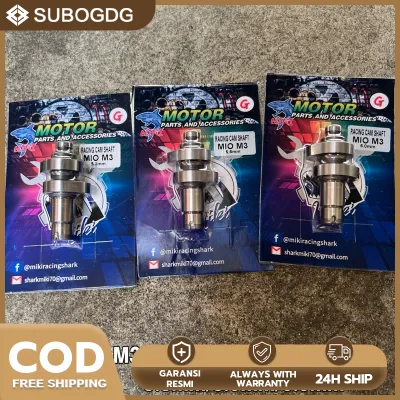
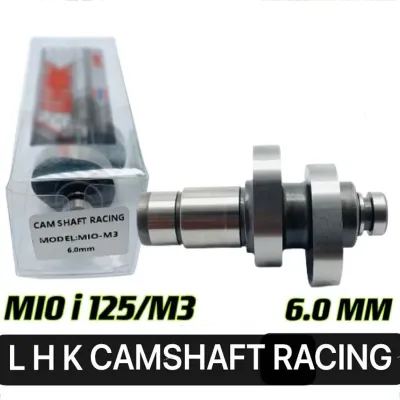
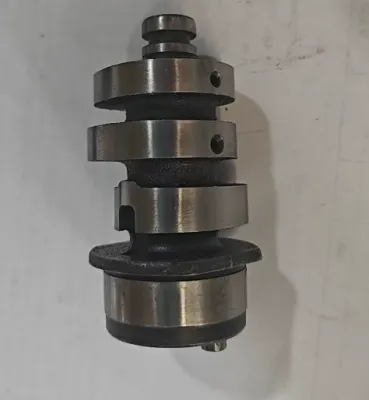
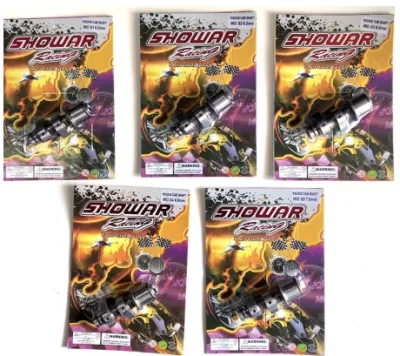
Prices are valid at publication and may change. Please refer to the product page for the latest price.
Understanding the major Mio generations is crucial because their engine architectures differ fundamentally. Older models like the Mio Sporty, Mio Soul 115, and Mio Amore utilize carbureted, air-cooled, 2-valve engines. In contrast, modern generations such as the Mio i 125, Mio M3, Mio Soul i 125, and Mio Gravis feature Yamaha’s fuel-injected Blue Core engine technology. These newer engines use completely different cylinder head designs, valve angles, and camshaft dimensions than their carbureted predecessors.
Before finalizing any purchase, never rely solely on the marketing name of the scooter. Always obtain the specific engine code (such as 5TL for older carbureted models or 2PH for the Mio i 125 and M3) and cross-reference it with the camshaft manufacturer’s official application chart. This step ensures that the physical dimensions, bearing journals, and lobe spacing of the aftermarket camshaft match your cylinder head perfectly.
Match Camshaft Specifications to Your Riding Goals
Once you have confirmed your engine code, you must select a camshaft profile that aligns with how you actually ride your scooter. The camshaft controls the timing and lift of the engine’s valves, which directly dictates where the engine produces its power.

To make an informed decision, you must understand two basic camshaft specifications: valve lift and duration. Valve lift refers to the maximum distance the camshaft lobe pushes the valve open from its seat. Higher lift allows more air and fuel mixture to enter the combustion chamber. Duration is the measurement, in crankshaft degrees, of how long the valves remain open during the engine cycle. Longer duration shifts the engine’s power band higher up into the revolutions per minute (RPM) range.
If your primary goal is restoring factory performance and maintaining daily reliability, choose a standard replacement profile. These profiles closely mimic original equipment manufacturer (OEM) specifications. They are designed to optimize low-end torque and maintain excellent fuel economy, making them ideal for navigating congested city streets and stop-and-go traffic.
For riders seeking a bit more acceleration without sacrificing daily usability, a mild performance profile (often referred to as a Stage 1 camshaft) is highly suitable. These profiles slightly increase both lift and duration to improve mid-range power. This modification provides more responsive throttle action and better overtaking capability on open highways, while still maintaining a stable idle and working well with stock engine components.
In contrast, aggressive race profiles (such as Stage 2 or Stage 3 camshafts) are designed strictly for high-RPM performance. These profiles feature high lift and long duration, which significantly increases top-end power but sacrifices low-end torque and idle stability. A scooter equipped with a race camshaft will often idle roughly and struggle in slow-moving traffic. Furthermore, these aggressive profiles require extensive engine rebuilding, including high-compression pistons and heavy-duty valve springs, to prevent mechanical failure.
Verify Fitment, Clearances, and Supporting Modifications
Installing a new camshaft is not a simple drop-in procedure; it requires careful verification of physical clearances and the condition of surrounding engine parts. Failing to perform these checks can result in catastrophic engine damage.
The most critical measurement to verify is the valve-to-piston clearance. When you install a camshaft with higher lift or longer duration, the valves extend further into the combustion chamber and remain open longer. If your cylinder head has been previously shaved to increase compression, or if you are using an aftermarket piston, the valves may physically strike the piston crown. You must measure this clearance during mock assembly to ensure there is adequate space to prevent contact.
Additionally, you must evaluate the condition of your existing valve train components. Upgraded camshafts subject the valve springs, rocker arms, and timing chain to increased stress and faster wear rates. Standard valve springs may suffer from coil bind if the new camshaft lift exceeds their physical limits. Inspect your rocker arms—especially checking if your model uses traditional flat-tappet or modern roller rocker arms—and replace any worn components. Upgrading to heavy-duty valve springs is highly recommended when installing any performance-oriented camshaft.
Finally, consider how the increased airflow will affect your fuel system. A camshaft that allows more air into the engine requires a proportional increase in fuel to maintain a safe air-fuel ratio. For fuel-injected models like the Mio i 125, this may necessitate installing a larger fuel injector, adjusting fuel pressure, or utilizing an aftermarket engine control unit (ECU) for remapping. For older carbureted models, you will need to re-jet the carburetor to prevent the engine from running too lean, which can cause overheating and piston damage.
Your Pre-Purchase Camshaft Selection Checklist
Before spending your hard-earned money on a new camshaft, use this structured checklist to ensure you have covered all technical and practical requirements.
- Confirm Engine Code Match: Verify that the camshaft's part number is explicitly rated for your specific engine code (e.g., 5TL, 2PH, or 2SX) rather than a generic "Mio" label.
- Check Cylinder Head Configuration: Ensure the camshaft is compatible with your specific cylinder head, whether it is a stock 2-valve setup or an aftermarket 4-valve conversion.
- Verify Included Hardware: Check the product description to see if the camshaft comes pre-assembled with high-quality bearings, a decompression pin, and compatible cam gears, or if you must purchase these separately.
- Review Break-In Instructions: Read the manufacturer's guidelines regarding the required break-in engine oil, assembly lube, and initial running procedures to prevent premature lobe wear.
- Understand Warranty Conditions: Be aware that many aftermarket manufacturers void their warranties unless the camshaft is installed by a certified motorcycle mechanic with a valid service receipt.
Installation Boundaries and When to Seek Professional Help
Modifying your motorcycle’s engine carries inherent risks that can affect both safety and road legality. Always consult your original vehicle service manual and prioritize safety before attempting any mechanical work.
If you choose to perform the initial preparation yourself, ensure you work in a clean, dust-free environment to protect internal engine components from tropical humidity and debris. Basic preparation involves draining the engine oil, removing the seat barrier for access, taking off the cylinder head cover, and safely locking the timing chain tensioner to prevent the timing chain from slipping off the lower crankshaft sprocket.
However, you must recognize critical stop conditions where DIY work should cease. If you encounter stripped threads on the cylinder head bolts, if the timing marks on the cam sprocket do not align perfectly with the cylinder head alignment marks, or if you cannot achieve the manufacturer’s specified valve clearance using a precision feeler gauge, do not attempt to start the engine. Forcing an improperly timed engine can instantly bend valves and ruin the piston.
Precision tasks such as degreeing the camshaft to optimize timing, machining valve pockets on the piston crown, or tuning a fuel-injection system require specialized diagnostic tools and professional experience. If you are unsure of any measurement, it is highly recommended to bring your scooter to a qualified motorcycle engine builder. Paying for professional labor in local shops—which typically ranges from a few hundred to a couple of thousand pesos (₱) depending on the complexity—is far more cost-effective than replacing a destroyed engine block.
Frequently Asked Questions (FAQ)
Can I use a Mio Sporty camshaft on a Mio i or Mio M3?
No, you cannot interchange camshafts between these models. The Mio Sporty uses an older, carbureted 115cc engine design (5TL), whereas the Mio i 125 and Mio M3 utilize Yamaha’s modern Blue Core fuel-injected engine architecture (2PH). The physical dimensions, bearing sizes, lobe profiles, and mounting points of the camshafts are completely different. Always check the manufacturer’s specific fitment guide to ensure the part is engineered for your exact engine generation.
Will a performance camshaft improve my scooter's top speed?
A performance camshaft alone will not automatically guarantee a higher top speed. Camshafts work by shifting the engine’s power band to make more power at specific RPM ranges. To translate this increased engine power into actual top speed gains on the road, you must also tune your continuously variable transmission (CVT) system. This involves adjusting the roller weights, center spring tension, and pulley angles to keep the engine operating within its new, optimized power band.
Community discussion
Share your experience or ask a question. Comments are reviewed before publication.