
Choosing the right car gear shifter cover is a simple yet highly effective way to upgrade your daily driving experience, but the ideal choice depends entirely on whether you prioritize tactile grip, cabin aesthetics, or long-term durability. In tropical climates, where intense cabin heat and high humidity are daily realities, a bare or worn shift knob can quickly become uncomfortable, slippery, or unsightly. By matching the cover’s material and design to your specific driving habits, you can resolve common issues like sweaty hands slipping during sudden maneuvers, protect your vehicle’s resale value, and add a personalized touch to your dashboard.
Before browsing online marketplaces or local auto accessory shops, evaluate how you interact with your vehicle’s controls. A driver navigating stop-and-go city traffic for hours requires a vastly different accessory than a weekend cruiser who prioritizes a sleek, show-car interior. Understanding the distinct characteristics of different materials—ranging from breathable microfibers to rugged genuine leathers—allows you to make an informed decision that balances comfort, style, and longevity without compromising safety or shifting precision.
Identifying Your Primary Need for a Shift Knob Cover
To select the most suitable car handle gear shifter cover, you must first analyze your daily driving patterns and identify the primary pain points you experience behind the wheel. For instance, long commutes in heavy urban traffic demand frequent gear changes, especially in manual transmissions or automatic vehicles with manual shift modes. This constant contact subjects the shift knob to continuous friction, moisture from your palms, and physical pressure, making ergonomic comfort and reliable grip your absolute top priorities. Conversely, if your vehicle is primarily used for short weekend trips or highway cruising, your hand spends less time resting on the shifter, allowing you to focus more on visual customization and cabin coordination.
Products mentioned in this guide
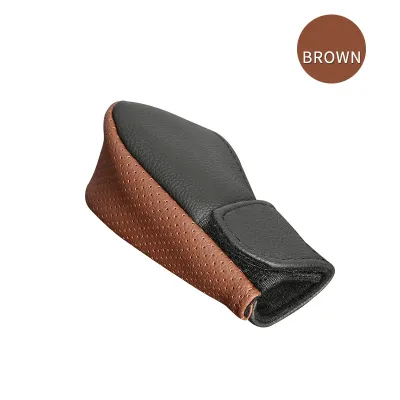
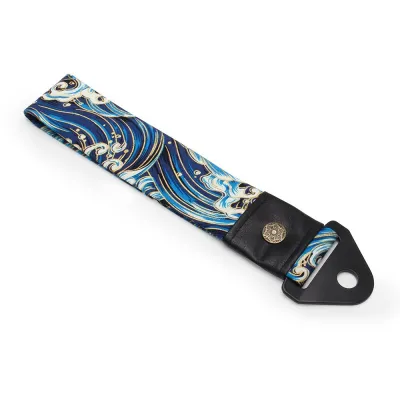
![[COD] SHGMYD 1PC Manual 6-speed Car Interior Accessories Car Silicone Gear Shift Knob Cover Gear Shift Non-Slip Grip Handle Protective Covers](https://img.lazcdn.com/g/p/78955c82f81a1dfcade1502be5f5e127.jpg_400x400q80.jpg_.webp)
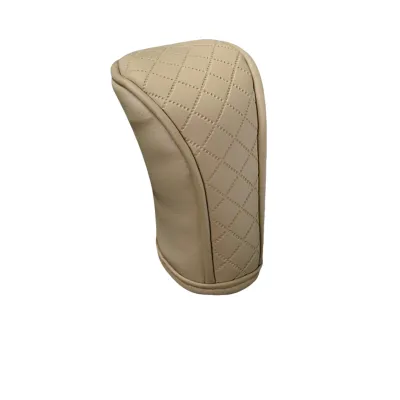
![[Local] iriisy Universal Car PU Leather Gears Handbrake Cover Shift Lever Cover Collars Handbrake Cover Hand Brake Cover Anti-Skid Auto Parking Brake](https://img.lazcdn.com/g/p/02e5c2b40113488574ee11537a286cde.jpg_400x400q80.jpg_.webp)
Prices are valid at publication and may change. Please refer to the product page for the latest price.
Another critical factor is the current condition of your original shift knob. If your factory leather is already peeling, cracking, or sticky due to years of UV exposure, a durable, full-coverage wrap is necessary to restore a smooth surface and prevent further deterioration. If your hands tend to sweat heavily during hot, humid afternoons, a moisture-wicking fabric cover will prevent dangerous slips during quick shifts. On the other hand, if you are simply looking to protect a brand-new vehicle’s interior from future wear, a lightweight, easily removable silicone cover might be the most practical preventive measure.
Every aftermarket accessory involves inherent trade-offs. A cover designed for maximum grip, such as one made of high-pile suede or textured microfiber, will naturally require more frequent cleaning to prevent hand oils from flattening the fibers. A highly stylized cover featuring glossy carbon fiber patterns or bright metallic accents may look exceptional but can become incredibly hot to the touch when parked under direct sunlight. Meanwhile, an ultra-durable, thick neoprene or heavy leather cover will provide years of protection but will also increase the overall diameter of the knob, which might feel awkward or fatiguing for drivers with smaller hands.
Prioritizing Grip Comfort: Materials and Textures for Better Control
When your primary goal is to improve driving control and reduce hand fatigue, the material composition of the cover is the most critical variable. Microfiber and suede-like synthetic fabrics are outstanding choices for drivers seeking a soft, premium feel that actively manages moisture. These materials feature microscopic fibers that create a high surface area, allowing them to absorb small amounts of perspiration from your palms while maintaining a dry, high-friction contact point. Perforated silicone is another excellent alternative, offering a rubberized, high-traction surface that does not absorb moisture but instead channels it away through molded ventilation holes, making it highly effective in humid tropical weather.

Beyond the base material, the physical texture molded or woven into the cover’s surface plays a vital role in hand stability. Dimpled, ribbed, or tread-like patterns on silicone and rubber covers provide mechanical grip, allowing your fingers to lock into place with minimal gripping force. This is particularly beneficial during sudden defensive driving maneuvers or quick downshifts, where a slippery knob could lead to a missed gear or a momentary loss of vehicle control. For fabric and leather covers, raised stitching, embossed patterns, or cross-hatched embroidery serve a similar purpose, creating tactile reference points that guide your hand to a secure position without requiring you to look down.
However, high-grip materials require a commitment to routine maintenance to preserve their performance characteristics over time. Because these textures and porous fabrics are designed to maximize friction, they naturally accumulate natural skin oils, dust, dead skin cells, and hand sanitizer residue. Over weeks of daily use, this accumulation fills the microscopic gaps in suede or the dimples in silicone, turning a once-grippy surface into a slick, shiny, and potentially unhygienic barrier. To prevent this degradation, fabric covers must be regularly removed and hand-washed with mild soap, while silicone covers should be wiped down with a damp microfiber cloth to restore their original tactile feedback.
Prioritizing Interior Style: Aesthetics and Cabin Coordination
For many car enthusiasts, the cabin is a personal sanctuary, and every accessory must contribute to a cohesive design theme. If interior style is your main priority, you can choose from a wide array of visually striking options, such as sporty carbon fiber patterns, classic stitched leather, or vibrant color-coordinated fabrics. A carbon fiber print cover instantly injects a modern, high-performance aesthetic into a sports car or a daily sedan, especially when paired with matching dashboard trim. For a more sophisticated, executive appearance, a premium synthetic or genuine leather cover with contrasting stitching—such as red thread on black leather—adds a touch of craftsmanship that elevates the entire center console.
While pursuing a specific look, you must carefully evaluate the cover’s thickness to ensure it does not awkwardly alter the ergonomic shape of your original shift knob. A cover that is too thick can transform a sleek, comfortable shifter into a bulky, oversized block that is difficult to wrap your hand around comfortably. This is particularly true for universal-fit plush or heavily padded fabric covers, which may look cozy but can compromise your ability to wrap your fingers completely around the knob. Prioritize slim-profile, form-fitting designs that hug the contours of the shifter, preserving the manufacturer’s original ergonomic engineering while still delivering the visual upgrade you desire.
Achieving a professional, factory-installed look requires careful coordination with your cabin’s existing materials, colors, and finishes. If your vehicle features a leather-wrapped steering wheel with grey stitching, selecting a gear shifter cover with identical grey stitching and a matching matte leather finish creates a seamless, intentional design flow. Conversely, introducing a glossy, brightly colored plastic or silicone cover into an otherwise muted, dark fabric interior can look disjointed and cheap. Take note of the dominant textures in your cabin—whether they are matte plastics, brushed metals, or soft fabrics—and select a cover that complements these elements to create a unified, premium driving environment.
Prioritizing Durability: Wear Resistance and Long-Term Maintenance
If you want an accessory that will withstand years of daily abuse without peeling, cracking, or fading, you must focus on heavy-duty materials and robust construction. Genuine top-grain leather remains the gold standard for durability, as it naturally resists abrasion and develops a unique patina over time rather than breaking down. Heavy-duty neoprene, the same material used in wetsuits, is another incredibly resilient option that resists water, dirt, and physical wear while providing a slight cushioning effect. High-grade, food-safe silicone also offers exceptional longevity, as it is virtually immune to cracking, peeling, or color fading, even when subjected to extreme temperature fluctuations.
The interior of a car parked under the tropical sun can reach temperatures exceeding 60°C, creating a harsh environment that rapidly degrades low-quality materials. Cheap polyurethane (PU) leather and low-grade plastics are highly susceptible to UV degradation, which causes the material to dry out, crack, and eventually peel off in unsightly flakes that stick to your hands. Furthermore, the natural acids and oils on your skin act as mild solvents that can dissolve cheap adhesives and synthetic coatings over time. Choosing UV-resistant materials like genuine leather, treated neoprene, or high-grade silicone ensures your cover remains intact and attractive despite constant exposure to sunlight and sweat.
Before finalizing your purchase, perform a thorough physical inspection of the cover’s construction quality to ensure it is built to last. Examine the seams and stitching; high-quality covers utilize double-stitched seams with thick, heavy-duty nylon threads that will not easily fray or unravel under tension. Check the edges and borders to ensure they are properly hemmed, reinforced, or bound, preventing the material from separating or curling over time. Finally, inspect the closure mechanisms—whether they are heavy-duty zippers, reinforced metal eyelets for lacing, or high-tension elastic bands—as these components bear the physical stress of keeping the cover tightly secured to your shift knob.
Fitment and Installation Checks Before You Buy
Purchasing a gear shifter cover without verifying compatibility often leads to a loose, twisting cover that is both annoying and dangerous to use. To ensure a perfect fit, you must accurately measure your existing shift knob’s physical dimensions, including its height, maximum width, and circumference at the widest point. Additionally, pay close attention to the overall shape of the knob, as designs vary wildly between vehicles; a round, spherical knob on a manual transmission requires a completely different cover shape than a wide, T-shaped automatic shifter or an asymmetrical, ergonomically molded gear selector.
The method used to secure the cover to the shifter significantly impacts both the ease of installation and the security of the final fit. Slip-on covers with elastic hems are the easiest to install and remove, making them highly convenient for regular cleaning, but they may slide or twist during spirited driving if the fit is not perfectly snug. Wrap-around covers that require lacing or stitching directly onto the knob offer the most secure, custom-tailored fit, virtually eliminating any movement, though they require patience and basic sewing skills to install correctly. Zip-up designs offer a practical middle ground, providing a tight, secure fit with a relatively straightforward installation process.
Crucially, you must never force an ill-fitting or overly bulky cover onto your shifter, as this can create serious safety hazards. A cover that is too long or loose can slide down and interfere with the mechanical movement of the shift boot, block the reverse lockout collar (the ring you pull up to engage reverse on many manual cars), or prevent the automatic release button from fully depressing or popping back out. Before driving, always perform a stationary test: cycle through every single gear, including reverse, to verify that the cover does not catch on any surrounding trim, restrict the shifter’s range of motion, or compromise the tactile feedback of gear engagement. If you notice any resistance or interference, remove the cover immediately and consult the manufacturer’s specifications for a more compatible size.
Frequently Asked Questions (FAQ)
Will a thick shifter cover affect my gear shifting accuracy?
Yes, an excessively thick cover can alter your shifting accuracy by changing the physical leverage and ergonomic feel of the knob. When a cover adds significant bulk, it prevents your hand from wrapping fully around the shifter, which can reduce your tactile feedback and make it harder to feel the mechanical engagement of the gears. This is particularly noticeable in manual transmissions with tight gate patterns or vehicles equipped with a lift-up reverse lockout mechanism. To maintain precise control, choose a slim, form-fitting cover that preserves the original shape of the knob while providing the desired surface texture.
How do I clean a suede or microfiber gear shifter cover?
Cleaning a suede or microfiber cover requires a gentle touch to avoid flattening the delicate fibers or stripping the material’s natural texture. Start by removing the cover from the shift knob, then use a soft-bristled brush or a dry microfiber cloth to gently brush away loose dust and debris. For deeper stains or accumulated hand oils, apply a small amount of mild, material-safe fabric cleaner or a highly diluted mixture of water and gentle baby shampoo to a damp cloth, then gently blot the surface without soaking it. Avoid using harsh chemical solvents, bleach, or excessive water, and always allow the cover to air dry completely away from direct sunlight before reinstalling it.
Can I use a steering wheel cover material for my shift knob?
While it is tempting to use leftover material from a DIY steering wheel wrap to cover your shift knob, you must ensure the material is suitable for the unique demands of a shifter. Steering wheel covers are designed for long, curved surfaces and often feature specific stretch characteristics, thickness, and backing materials that may not conform neatly to the complex, multi-dimensional curves of a shift knob. Attempting to force a thick, stiff steering wheel wrap onto a shifter can result in bulky seams, loose folds, and restricted movement of critical safety features like the reverse lockout. Always check the manufacturer’s specifications and use materials specifically designed and patterned for shift knobs to ensure a safe, secure, and professional-looking installation.
Community discussion
Share your experience or ask a question. Comments are reviewed before publication.