
Navigating a sudden tropical downpour in the Philippines requires absolute visibility, making your car wiper blades one of the most critical safety components on your vehicle. While many drivers search for a single best brand, the ideal choice depends on how well a wiper’s material and structure withstand intense solar heat, high humidity, and torrential rain. Selecting the right wiper involves comparing silicone and natural rubber elements, understanding frame aerodynamics, and verifying exact vehicle compatibility. By focusing on verifiable product specifications and proper maintenance, you can ensure clear vision and safer driving even during the heaviest monsoon rains.
Key Wiper Performance Factors for Tropical Downpours
The climate in the Philippines presents a unique double challenge for automotive wiper blades: extreme solar heat during the dry season followed by relentless, heavy rainfall during the wet season. This intense environmental cycle rapidly degrades wiping elements, making material selection the first line of defense. Natural rubber blades are highly flexible and offer excellent initial wiping performance at a lower upfront cost, but they are highly susceptible to UV radiation and thermal cracking. Over time, prolonged exposure to the tropical sun causes natural rubber to harden, lose its flexibility, and develop microscopic tears along the wiping edge.
Silicone wiping elements, on the other hand, offer superior resistance to heat and UV rays, allowing them to remain pliable far longer under intense sunlight. As silicone blades sweep across the glass, they naturally deposit a thin, hydrophobic layer that causes rainwater to bead up and disperse quickly. However, these water-repellent properties have distinct limitations when dealing with heavily soiled or oily windshields. Road grime, exhaust soot, and organic sap can disrupt the hydrophobic film, leading to localized smearing if the glass surface is not kept meticulously clean.
Products mentioned in this guide
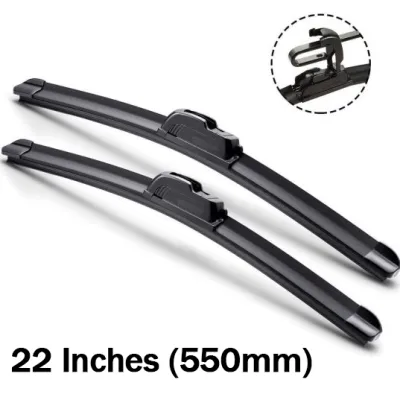
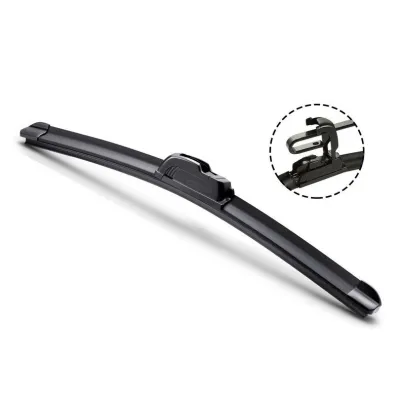
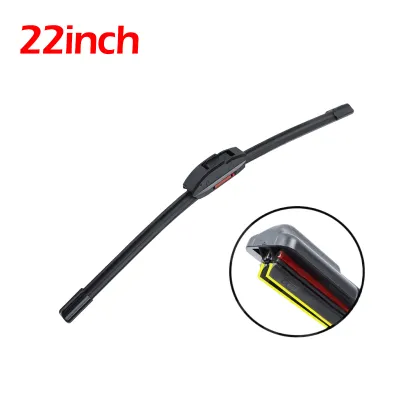
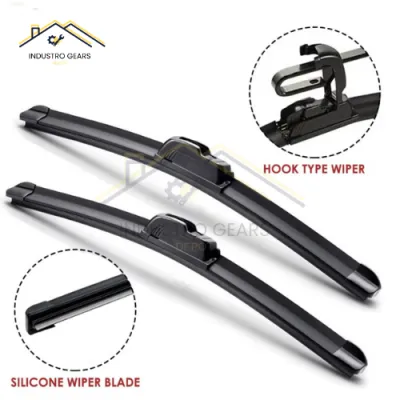
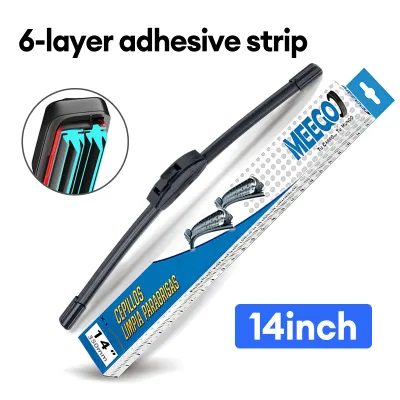
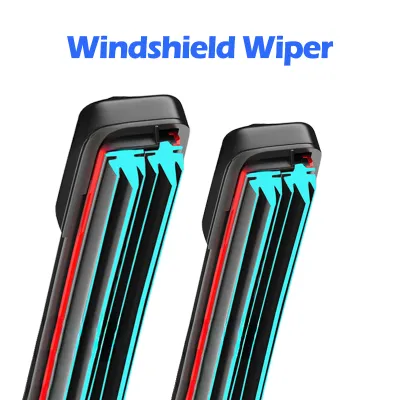
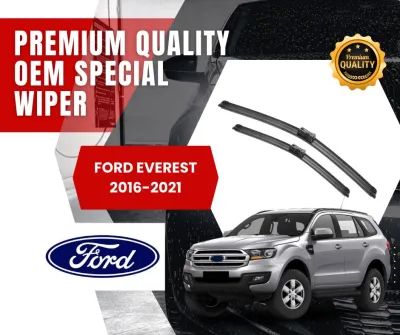
Prices are valid at publication and may change. Please refer to the product page for the latest price.
Beyond material composition, the physical interaction between the wiper arm and the windshield glass determines overall wiping clarity. Every vehicle windshield has a unique curvature, and the wiper arm exerts a specific amount of spring tension to hold the blade against the glass. If a wiper blade lacks the necessary flexibility to conform to this curvature, or if the arm tension is too weak, the blade will lift at high speeds or leave unwiped patches. Ensuring uniform contact across the entire sweep area requires matching the blade’s structural design to your vehicle’s specific windshield profile.
How to Evaluate Car Wiper Brands and Specifications
When shopping for replacement car wipers, relying on generic marketing claims or unverified online rankings can lead to poor fitment and compromised safety. Instead, a systematic evaluation of product packaging and manufacturer specifications is essential. Start by checking the packaging for an exact vehicle compatibility list rather than relying solely on broad category descriptions. Many modern vehicles use proprietary wiper arm attachments, and assuming a universal fit can result in a loose connection or an inability to mount the blade securely.

To verify manufacturer claims regarding heat resistance and streak-free performance, look for specific material certifications and testing standards on the label. High-quality brands often specify the use of synthetic rubber blends, graphite coatings, or premium silicone compounds that are laboratory-tested for thermal stability. A graphite or Teflon coating on a rubber blade, for instance, is a verifiable specification designed to reduce friction and prevent the blade from chattering or skipping across dry or damp glass.
Analyzing local buyer feedback on ecommerce platforms and automotive forums provides valuable real-world context that laboratory tests cannot replicate. Pay close attention to reviews from drivers operating in similar tropical climates, focusing on reports of premature squeaking, skipping, or tearing within the first few months of use. If multiple buyers report that a specific model suffers from rapid rubber degradation under intense sun exposure, it indicates that the compound may not be sufficiently stabilized against UV radiation. Conversely, consistent feedback praising quiet operation during heavy downpours is a strong indicator of a well-engineered wiping element.
Comparing Wiper Blade Structures for Heavy Rain
Wiper blades are generally categorized into three structural designs: conventional frame, beam, and hybrid. Each structure distributes pressure differently across the windshield, affecting how well they clear water during intense tropical storms. Understanding these structural differences allows you to balance cost-effectiveness, aerodynamic performance, and durability according to your typical driving environment.
Conventional frame blades are the traditional choice, featuring a metal articulated skeleton with multiple claws that press the rubber element against the glass. These blades are highly cost-effective, often priced lower in ₱ compared to modern alternatives, making them an attractive option for budget-conscious drivers. The multi-point frame design works exceptionally well on flatter windshields, providing targeted pressure points to clear water efficiently. However, the exposed metal linkages are prone to collecting debris, and the high-profile frame can catch the wind at highway speeds, causing the blade to lift away from the glass.
Beam blades, also known as flat blades, feature a bracketless design with a single, pre-tensioned steel guide running inside the rubber structure. This design allows the blade to conform seamlessly to the curved surfaces of modern windshields, distributing pressure uniformly along the entire length of the wiping edge. Because they lack an external metal frame, beam blades have a much lower aerodynamic profile, which significantly reduces wind lift and wind noise during highway driving in heavy rain. This uniform pressure distribution makes beam blades highly effective at preventing streaks during high-speed downpours.
Hybrid wiper blades combine the aerodynamic, low-profile styling of a beam blade with the robust, multi-point pressure distribution of a conventional frame. They feature a fully enclosed, aerodynamic plastic shell that protects the internal steel linkages from sun exposure, dust, and moisture. This protective casing prevents the joints from binding and ensures consistent flexibility over a longer lifespan. Hybrid blades offer versatile, high-performance wiping across a wide range of windshield shapes, making them an excellent premium option for drivers who frequently face both intense highway winds and harsh tropical sunlight.
Identifying Wiper Wear and Essential Maintenance
Even the highest-quality wiper blades will eventually degrade under the punishing environmental conditions of the Philippines. Recognizing the early warning signs of wiper wear is crucial for maintaining road safety before a sudden storm compromises your vision. Visual indicators of failure include visible cracks, splits, or rounded edges on the rubber wiping element, as well as corrosion on metal frames. Auditory signs, such as persistent chattering, squeaking, or skipping across the glass, suggest that the rubber has hardened or that the wiper arm alignment has drifted.
To extend the lifespan of your wipers and protect your windshield from scratches, establish a regular cleaning routine using safe, authorized materials. Gently wipe the rubber edge with a soft microfiber cloth dampened with water or a mild, label-authorized automotive glass cleaner to remove accumulated road grime, oil, and dust. Avoid using harsh household detergents, petroleum-based solvents, or abrasive pads, as these chemicals can strip away protective graphite coatings and accelerate the breakdown of the rubber compound. Additionally, ensure the windshield itself is kept clean and free of oily films that can cause the blades to drag.
One of the most common causes of premature wiper failure is dry wiping, which occurs when the wipers are operated on a dry or dusty windshield without sufficient washer fluid. Dry wiping creates intense friction that can tear the delicate wiping edge and strain the wiper motor. Always activate your windshield washer jets before turning on the wipers to lubricate the glass surface. If your vehicle is parked under direct sunlight for extended periods, consider lifting the wiper arms off the glass to prevent the rubber from baking onto the hot windshield, which can cause the rubber to warp or stick.
Sourcing Authentic Wipers and Verifying Fitment
Sourcing authentic wiper blades is critical, as counterfeit or low-quality imitations often flood the market, offering poor wiping performance and posing a safety risk during heavy downpours. Purchasing from authorized auto parts stores or established retail chains ensures that you receive genuine products backed by manufacturer warranties and reliable return policies. While online marketplaces offer convenience and competitive pricing, you must carefully verify the seller’s credentials, looking for official brand stores or highly rated distributors to avoid purchasing counterfeit goods.
Before making a purchase, you must verify your vehicle’s specific wiper specifications, as compatibility cannot be determined by vehicle model alone. Consult your vehicle owner’s manual to identify the correct connector type, such as a standard J-hook, side pin, top lock, or pinch tab. Additionally, use a tape measure to record the exact length of both the driver-side and passenger-side wiper blades, as they are frequently different sizes to maximize windshield coverage. Installing the incorrect length can cause the blades to collide, sweep off the edge of the windshield, or leave large uncleared areas.
Once the new wipers are installed, perform a safe post-installation test before driving in the rain. Activate your windshield washer system to spray fluid across the glass, then run the wipers through several cycles. Observe the sweep pattern closely to ensure the blades make full contact with the glass without lifting, skipping, or leaving missed spots. If you notice any uneven wiping or unusual noises, immediately turn off the wipers and verify that the connector is fully locked into the wiper arm and that the blade is correctly oriented.
Frequently Asked Questions (FAQ)
Can silicone wiper blades be used on any vehicle?
Silicone wiper blades can be installed on most vehicles, provided you match the correct blade length and connector type specified in your owner’s manual. However, because silicone is naturally firmer than natural rubber, it requires adequate wiper arm spring tension to maintain uniform contact with the windshield. On older vehicles with worn or weakened wiper arm springs, silicone blades may experience high-speed lifting or localized skipping. When installing silicone blades for the first time, monitor their initial performance on a wet windshield to ensure they glide smoothly without chattering or leaving streaks.
How often should wiper blades be replaced in the Philippines?
Due to the intense UV exposure and frequent heavy rainfall in the Philippines, wiper blades generally require replacement every six to twelve months. Rather than relying on a strict calendar schedule, establish a routine visual and functional inspection every few months, especially before the onset of the rainy season. If you observe irreversible rubber hardening, split edges, or persistent streaking that cannot be resolved by cleaning, replace the blades immediately. Prompt replacement prevents the degraded rubber from exposing metal or plastic components that could permanently scratch your windshield glass.
Community discussion
Share your experience or ask a question. Comments are reviewed before publication.