
Choosing the right coolant for your car in the Philippines requires matching the fluid’s chemical formulation to your vehicle manufacturer’s exact specifications, rather than simply selecting a product based on its color. With the country’s intense tropical heat, high humidity, and demanding stop-and-go traffic, your cooling system operates under constant thermal stress. Selecting an incompatible fluid can lead to rapid corrosion, clogged radiator passages, and catastrophic engine overheating. To make the correct choice, you must look past the fluid’s color and focus on your vehicle manufacturer’s original equipment manufacturer (OEM) specifications, the chemical technology of the fluid, and the specific materials used in your engine’s cooling system.
Before performing any cooling system maintenance, always ensure the engine is completely cool. Opening a hot radiator cap can release highly pressurized, boiling fluid, causing severe burns. Additionally, coolant is highly toxic to humans and pets; always collect used fluid in a sealed container and dispose of it at an authorized recycling or hazardous waste facility. If you are uncomfortable performing these checks or fluid changes yourself, always seek the assistance of a qualified automotive professional.
Identify Your Vehicle's OEM Coolant Specifications
To find the exact coolant specification required by your vehicle manufacturer, your first step should always be to consult the owner’s manual. This document contains a dedicated section typically labeled “Specifications,” “Capacities,” or “Maintenance.” Within these pages, the manufacturer will outline the precise fluid requirements for your engine. Rather than listing a generic product, the manual will specify an OEM part number, a standard industry code (such as an ASTM or JIS standard), or a specific chemical requirement that the fluid must meet to ensure safe operation.
Products mentioned in this guide
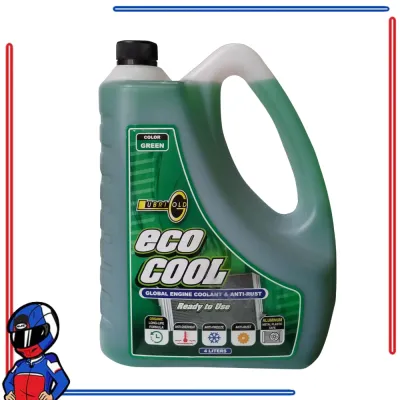
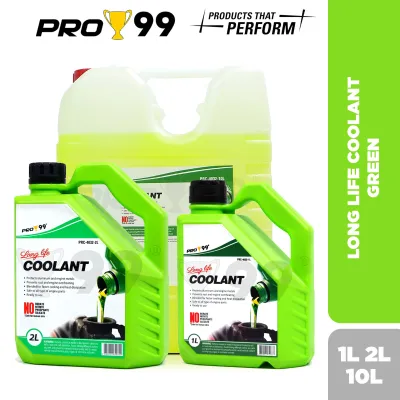
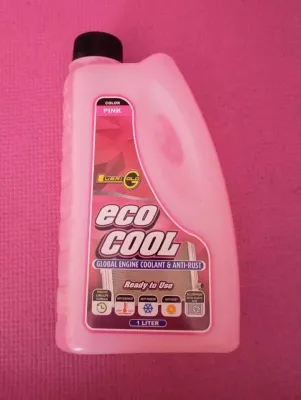
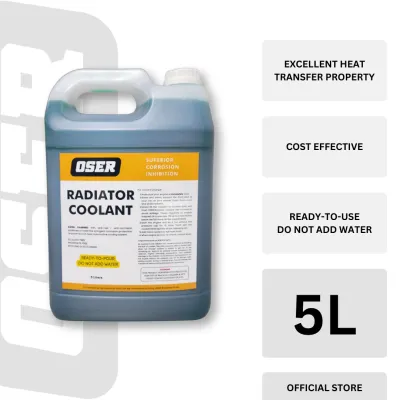
![[YAMAS] 4 LITERS COOLANT TOP BEST BRAND](https://img.lazcdn.com/g/p/ab94097c9549efc206847bd80590eb26.png_400x400q80.png_.webp)
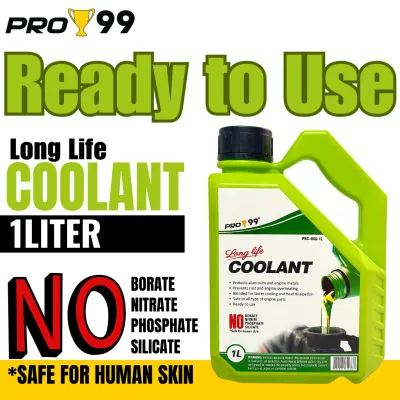
![[Iwas Overheat]TOP Premium Radiator Coolant Liquid 1L 2L 4L 5L Iwas Kalawang Anti-Boil Anti-Corrosion For Motorcycle Car Tricycle SUV Heavy Duty Long Ride Safe Maintenance Motor Accessories Piliin Sa Variation Exact Fit Upgrade PnP COD](https://img.lazcdn.com/g/p/e1167b62c37032ae3a0d0f9eed972546.jpg_400x400q80.jpg_.webp)
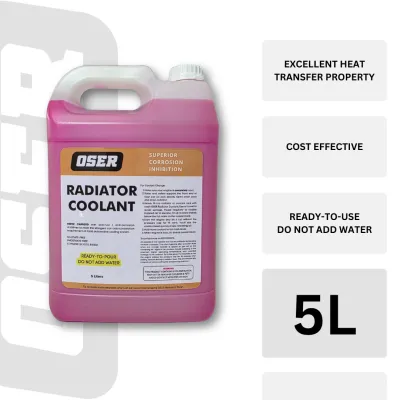
Prices are valid at publication and may change. Please refer to the product page for the latest price.
Modern vehicle manufacturers engineer their cooling systems with highly specific tolerances and material compositions. Consequently, using a fluid that does not meet these exact specifications can lead to severe mechanical issues. For instance, an incorrect chemical balance can degrade the synthetic rubber seals, gaskets, and water pump impellers used in your specific engine model. Over time, this degradation leads to internal leaks, loss of pressure, and localized overheating that can warp engine components.
Furthermore, using a non-compliant coolant can have serious financial consequences. If your vehicle is still covered by a manufacturer’s warranty, using a fluid that does not meet the specified OEM standards can void your coverage for any subsequent cooling system or engine repairs. When browsing auto supply stores or online marketplaces, always cross-reference the product label with the exact specification code listed in your owner’s manual to ensure a perfect match.
Compare IAT, OAT, and HOAT Coolant Technologies
Coolants are categorized into three primary chemical technologies, each designed for specific engine designs and eras. Understanding these differences is essential for narrowing down your options and selecting a fluid that will protect your engine over the long term.

Inorganic Additive Technology (IAT) is the traditional green or blue fluid historically used in older vehicles, typically those manufactured before the late 1990s. This formulation relies on inorganic inhibitors, such as silicates and phosphates, to provide immediate corrosion protection by forming a thick protective layer over the metal surfaces of the cooling system. While highly effective at protecting older engines with copper, brass, and cast-iron components, these inorganic inhibitors deplete rapidly. As a result, IAT coolants require frequent replacement, typically every two years or 40,000 kilometers, to prevent the fluid from becoming acidic and corrosive.
Organic Acid Technology (OAT) represents a major shift in coolant chemistry, designed primarily for modern engines with aluminum components. Typically dyed orange, red, or amber, OAT formulations do not contain silicates or phosphates. Instead, they utilize organic acids, such as sebacate or 2-ethylhexanoic acid (2-EHA), to provide long-term corrosion protection. These organic acids do not coat the entire cooling system; instead, they chemically bond only with active corrosion sites. This targeted protection allows for much more efficient heat transfer and a significantly longer service life, often lasting up to five years or 240,000 kilometers.
Hybrid Organic Acid Technology (HOAT) is a hybrid formulation that combines the rapid protection of inorganic inhibitors with the long-lasting durability of organic acids. Typically dyed yellow, blue, or pink, HOAT coolants are often specified by European and Asian vehicle manufacturers. These formulations use organic acids as their primary corrosion inhibitors but add a small, carefully balanced amount of silicates or phosphates to provide immediate protection for specific multi-metal engine designs. Because HOAT formulations vary significantly depending on whether they are designed for European (typically silicate-based, phosphate-free) or Asian (typically phosphate-based, silicate-free) vehicles, you must verify the specific sub-type required by your manufacturer.
Match Coolant Chemistry to Your Engine Materials
To prevent galvanic corrosion and scaling, you must align the chemical additives in your coolant with the specific metals used in your radiator and engine block. Galvanic corrosion occurs when different metals are placed in contact within an electrically conductive fluid, such as degraded coolant. If the coolant’s protective additives are depleted or incompatible, this process will rapidly erode the weaker metal, leading to pinhole leaks in the radiator or structural failure of the engine block.
Older vehicles often feature cooling systems constructed primarily of copper, brass, and cast iron, which rely on the robust, immediate coating provided by the silicates and phosphates in IAT coolants. Modern vehicles, however, rely heavily on lightweight aluminum alloys for their radiators, cylinder heads, and engine blocks. Aluminum requires a different type of chemical protection to prevent localized pitting and erosion, which is why OAT and HOAT formulations are standard in modern cars.
When selecting a coolant, it is critical to understand the specific roles of silicates and phosphates. Asian vehicle manufacturers, such as Toyota, Honda, and Nissan, generally prohibit the use of silicates in their cooling systems. This is because silicates can act as an abrasive, potentially wearing out water pump seals and causing premature leaks. Instead, they favor phosphate-rich formulations. Conversely, European manufacturers, such as BMW, Volkswagen, and Mercedes-Benz, generally ban phosphates because the hard water commonly found in Europe can react with phosphates to form calcium scale deposits. They prefer silicate-based formulations to protect their aluminum components.
Because of these regional engineering differences, you should never rely solely on the color of the fluid to determine compatibility. Color is merely a dye added by manufacturers and is not standardized across the automotive industry; a red coolant from one brand may have a completely different chemical composition than a red coolant from another. Always read the product label carefully to verify explicit material compatibility claims, such as “silicate-free” or “phosphate-free,” to ensure the fluid is safe for your engine’s specific metallurgy.
Optimize Coolant Choice for Tropical Driving Conditions
A common misconception among car owners in the Philippines is that because the local climate never drops below freezing, there is no need to use proper coolant, and running pure water is sufficient. This is a dangerous practice that can lead to severe engine damage. While antifreeze properties are unnecessary in a tropical climate, coolant serves two other critical functions that are vital in hot weather: raising the boiling point of the fluid and lubricating the water pump.
A standard 50/50 mixture of ethylene glycol and distilled water raises the boiling point of the cooling fluid significantly above 100°C when under the operating pressure of your vehicle’s radiator cap. This boiling point elevation is crucial when navigating extreme gridlocks on major thoroughfares like EDSA, or when tackling steep, demanding climbs up to high-altitude areas like Baguio. If you run pure water, the fluid can easily boil locally around the engine’s combustion chambers, creating steam pockets that insulate the metal and cause rapid, localized overheating.
Furthermore, using pure water or an incorrect dilution ratio deprives your cooling system of essential corrosion inhibitors and lubricants. Water pump seals and bearings require the lubricating properties of glycol to operate smoothly and prevent premature wear. Additionally, untreated water contains dissolved oxygen and minerals that accelerate rust and scale buildup, which insulates the cooling passages and reduces the radiator’s heat transfer efficiency.
To manage high engine thermal loads during heavy traffic or long provincial drives, always use a high-quality pre-mixed 50/50 coolant or dilute concentrated coolant strictly with distilled water according to the manufacturer’s instructions. Never use tap water, mineral water, or well water, as these contain high levels of minerals that will quickly form scale deposits inside your cooling system, permanently reducing its efficiency.
Verify Product Authenticity and Choose Reliable Retailers
The local automotive aftermarket in the Philippines features a wide variety of products, making it essential to verify the authenticity of your chosen coolant to avoid counterfeit or substandard fluids. Counterfeit coolants are often nothing more than dyed water or poorly formulated chemical mixtures that lack the necessary corrosion inhibitors and boiling-point-elevating properties. Using these products can lead to rapid engine corrosion, water pump failure, and severe overheating.
To ensure you are purchasing a genuine product, start by evaluating the packaging carefully. Established, reputable automotive fluid manufacturers maintain high standards of quality control. Inspect the bottle for clear, high-resolution printing, straight and securely adhered labels, and intact tamper-evident seals under the cap. Look for clear batch numbers, manufacturing dates, and expiration dates printed directly on the bottle. Avoid purchasing products with faded labels, spelling errors, loose caps, or bottles that appear bloated or damaged.
When sourcing coolant, always prioritize authorized auto supply stores, official brand flagship stores on major e-commerce platforms, or reputable service centers. These retailers source their inventory directly from authorized distributors, ensuring product authenticity. Be highly cautious of unverified online sellers offering premium coolant brands at prices that are significantly lower than the market average, as this is a common indicator of counterfeit goods. Investing in genuine, high-quality coolant is a minor expense that prevents repairs that could cost tens of thousands of pesos ₱ in engine rebuilds.
Frequently Asked Questions (FAQ)
Can I mix two different coolant colors or types?
No, you should never mix different coolant colors or chemical types. Because color is not standardized across the automotive industry, mixing fluids based solely on color can lead to severe chemical incompatibility. When different technologies, such as IAT and OAT, are mixed, their chemical additives can react with one another, causing the inhibitors to precipitate out of the solution. This reaction often forms a thick, gel-like sludge that clogs the narrow passages of your radiator, heater core, and engine block, leading to immediate overheating and water pump failure. If you must top up your cooling system in an emergency and the exact matching fluid is unavailable, it is much safer to use distilled water temporarily rather than mixing incompatible coolant types.
Is it safe to use tap water for an emergency coolant top-up?
No, you should avoid using tap water for a coolant top-up unless it is an absolute emergency where no other option is available. Tap water contains dissolved minerals, including calcium, magnesium, and chlorides, which react to the high temperatures inside your engine by forming hard scale deposits. These deposits coat the internal surfaces of your radiator and engine block, acting as an insulator that severely reduces the system’s ability to dissipate heat. Tap water also introduces oxygen and corrosive elements that accelerate rust and galvanic corrosion. If you must use tap water in an emergency to reach safety, you should have the cooling system completely flushed and refilled with the correct 50/50 coolant mixture as soon as possible.
How often should I flush and replace the coolant?
The recommended interval for flushing and replacing your coolant depends heavily on the chemical technology of the fluid and your vehicle manufacturer’s guidelines. Traditional IAT coolants typically require replacement every two years or 40,000 kilometers because their inorganic inhibitors deplete rapidly. Modern OAT and HOAT extended-life coolants can last significantly longer, often requiring replacement every five to ten years, or between 160,000 and 240,000 kilometers. Always consult your vehicle’s owner’s manual for the exact maintenance schedule. Additionally, you should perform regular visual inspections of the fluid in your expansion tank; if the coolant appears cloudy, rusty, brown, or has a burnt smell, it indicates chemical breakdown or contamination, and the system should be flushed and refilled immediately.
Community discussion
Share your experience or ask a question. Comments are reviewed before publication.