
Choosing the right CVT (Continuously Variable Transmission) set for your Honda Click 125 depends on aligning component specifications—specifically roller weights, pulley angles, and spring tension—with your daily riding environment. There is no single “best” upgrade kit that excels at everything; instead, tuning your CVT is a game of mechanical trade-offs where you balance low-end acceleration, fuel economy, and top-end speed. By identifying whether you primarily navigate congested city streets, cruise on open highways, or seek aggressive throttle response, you can select a tailored combination of parts that optimizes your scooter’s power delivery.
The Continuously Variable Transmission in your scooter acts as an automatic gear changer, constantly adjusting the ratio between the engine and the rear wheel to keep the motor operating within its optimal power range. In the tropical climate of the Philippines, where high ambient temperatures and dense traffic place significant thermal and mechanical stress on your motorcycle, a properly configured CVT is essential. Upgrading these components allows you to customize when and how this shifting occurs, transforming a sluggish ride into a responsive one or smoothing out power delivery for long-distance travel.
Identify Your Primary Riding Style and CVT Goals
To begin the selection process, you must evaluate where you spend most of your time on the road. A rider navigating the dense, humid streets of Metro Manila requires a completely different transmission behavior than someone cruising long stretches in provincial areas. Defining your primary goal—whether it is effortless overtaking, maximum fuel savings, or a sportier throttle feel—prevents you from purchasing mismatched components that make your daily ride uncomfortable or inefficient.
Products mentioned in this guide
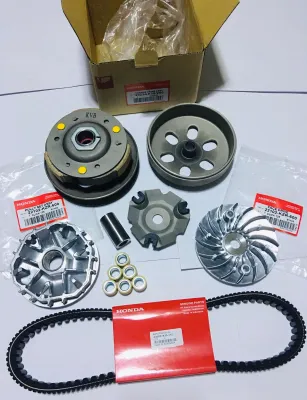
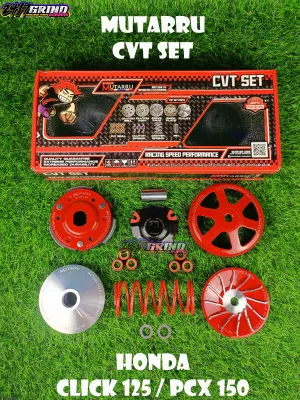
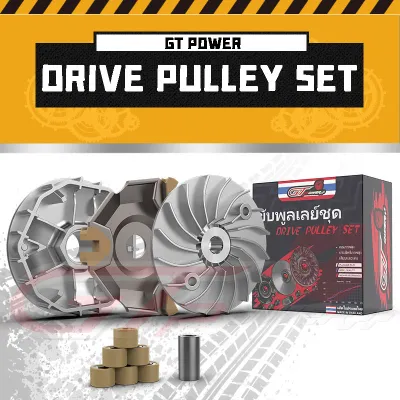
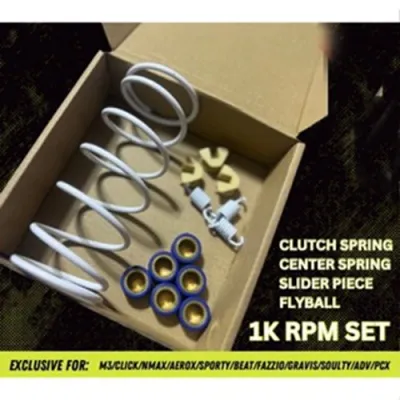
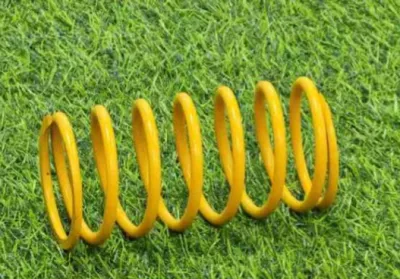
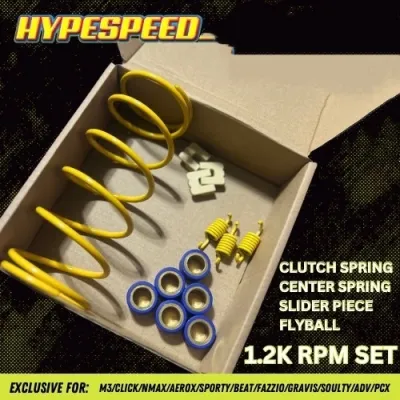
Prices are valid at publication and may change. Please refer to the product page for the latest price.
It is vital to understand that a new CVT set does not increase your engine’s actual horsepower. The Honda Click 125 has a fixed power output from its liquid-cooled engine; what CVT tuning does is change how that existing power is transferred to the rear wheel. By altering the weight of the rollers or the stiffness of the springs, you decide whether the engine revs higher before moving or drops to lower RPMs during steady cruising.
This mechanical adjustment always involves trade-offs. If you tune your transmission for rapid off-the-line acceleration, you will likely experience higher engine RPMs at cruising speeds, which can increase fuel consumption and slightly reduce your top speed. Conversely, prioritizing fuel economy by keeping engine speeds low can make the scooter feel sluggish when you need to quickly overtake a vehicle. Recognizing these boundaries helps you set realistic expectations for your upgrade.
Core CVT Components and Their Tuning Effects
To make an informed decision, you must understand how the individual parts inside the CVT casing interact. The system relies on centrifugal force and spring tension to continuously vary the gear ratio. When these components are balanced correctly, the scooter accelerates smoothly without hesitation or excessive engine screaming.

Roller weights, housed inside the variator pulley, are the primary tuning variable for engine speed. As the pulley spins, centrifugal force pushes these weights outward, forcing the pulley faces together and pushing the drive belt to a higher position, which simulates a higher gear. Lighter rollers require higher engine speeds (RPM) to slide outward, keeping the scooter in a lower gear ratio longer for better acceleration. Heavier rollers slide outward at lower engine speeds, shifting the transmission into a higher ratio sooner to keep RPMs low and improve fuel efficiency.
The clutch springs and the large contra (or center) spring control the rear pulley assembly. The contra spring resists the opening of the rear pulley, maintaining tension on the drive belt to prevent slipping under heavy loads or sudden acceleration. A stiffer contra spring keeps the transmission in a lower gear ratio longer and ensures rapid back-shifting when you slow down and accelerate again. However, an excessively stiff spring increases friction, generates more heat, and accelerates belt wear.
The drive face and the variator pulley ramps dictate the physical limits of the transmission ratio. The angle of the pulley faces must match the belt profile perfectly to ensure maximum contact area and grip. Modified pulley ramps alter the path that the roller weights travel, which can smooth out flat spots in the acceleration curve or allow the belt to ride slightly higher on the pulley face for a marginal increase in top-end speed.
Match CVT Specifications to Your Riding Needs
Selecting the right CVT setup is not about finding a universal “stage” kit, but rather about matching specific component values to your daily riding conditions. Because aftermarket manufacturers use different materials and design philosophies, you must always refer to their official specification sheets to verify exact roller weights in grams and spring tension ratings.
When planning your setup, remember that small adjustments yield the most predictable results. Drastic changes, such as dropping roller weights by several grams or installing extremely stiff racing springs on an otherwise stock Honda Click 125, often result in a noisy, inefficient, and high-wear ride. A balanced approach ensures that your scooter remains reliable for daily transportation while delivering the specific performance characteristics you desire.
Setup for Daily Commuting and Stop-and-Go Traffic
For riders who spend their time navigating heavy city traffic, the ideal CVT setup focuses on low-to-mid range responsiveness. You want the scooter to pull away cleanly from a dead stop without needing to rev the engine excessively, which can be tiring in bumper-to-bumper situations.
To achieve this, a moderate reduction in roller weight is often recommended. If your stock rollers are around 18 grams (always verify the exact stock weight for your specific Click 125 model year), dropping them slightly can improve initial acceleration without causing the engine to scream at low speeds. This setup allows you to quickly close gaps in traffic and safely maneuver around obstacles.
In this environment, the clutch should engage smoothly and relatively early. Standard or slightly stiffer clutch springs can prevent the annoying shuddering often felt during slow-speed crawling. Because stop-and-go riding generates significant heat within the CVT housing, prioritizing high-quality, heat-resistant drive belts and durable roller materials is essential to prevent premature wear and performance fade during hot afternoon commutes.
Setup for Fuel Efficiency and Steady Cruising
If your daily route consists of long, open highways or provincial roads where you can maintain a steady speed, your CVT setup should prioritize fuel efficiency and low engine vibration. The goal here is to keep the engine running in its most efficient RPM range while cruising.
Using slightly heavier roller weights allows the variator to shift into a higher gear ratio at lower engine speeds. This lowers the cruising RPM, reducing engine noise, vibration, and fuel consumption during sustained high-speed travel. However, the weights must not be so heavy that the engine struggles to climb hills or feels completely unresponsive when you need to accelerate from a stop.
Maintaining adequate belt grip is critical for highway cruising. If the contra spring is too weak, the belt may slip under sustained loads, leading to power loss and extreme heat buildup that can ruin the belt. You must find a balance where the spring provides just enough tension to prevent slippage without creating unnecessary drag that hurts your fuel economy.
Setup for Performance and Aggressive Acceleration
For riders seeking a sportier feel, rapid overtaking power, and maximum acceleration, the CVT configuration must be tuned to keep the engine in its peak power band during throttle transitions. This setup is designed for quick throttle response and immediate power delivery.
This is achieved by combining lighter roller weights with a stiffer contra spring. The lighter rollers delay the upshift, allowing the engine to rev quickly into its power band, while the stiffer contra spring ensures rapid downshifting when you let off the throttle and twist it open again. The result is a highly responsive ride that feels energetic and eager to accelerate.
However, this performance-oriented setup comes with clear trade-offs. Running the engine at consistently higher RPMs increases fuel consumption and subjects the drive belt, rollers, and pulleys to significantly higher stress and heat. You must inspect these components much more frequently, and you should verify that your scooter’s cooling system and engine oil are maintained in top condition to handle the increased thermal load.
Compatibility, Safety, and Installation Boundaries
Before purchasing any aftermarket CVT parts, you must verify their compatibility with your specific Honda Click 125 model year. The Click 125 has gone through several design iterations, and components like the variator ramp plate, roller dimensions, and clutch bell sizes can vary between generations. Installing a part designed for a different model year can lead to immediate mechanical interference, belt misalignment, or catastrophic transmission failure.
Mixing mismatched components from different brands without a clear plan carries significant risks. For example, pairing extremely light rollers with an excessively stiff contra spring can cause the belt to slip, leading to severe shuddering, rapid belt wear, and potential damage to the pulley faces. It is always safer to follow a coordinated tuning guide or purchase a pre-matched kit from a reputable manufacturer that has been designed to work cohesively.
CVT installation requires specific tools and precise torque values to ensure safety. Removing the variator and clutch nuts typically requires a specialized holding tool (flywheel holder) or an impact wrench; attempting to jam the pulleys with makeshift tools can easily bend the crankshaft or crack the aluminum engine casing. If you do not own a calibrated torque wrench or feel unsure about securing the transmission nuts to the manufacturer’s exact specifications, stop the DIY process immediately and have the parts installed by a qualified motorcycle mechanic. A loose CVT nut can cause the pulleys to detach while riding, locking up the rear wheel and creating an extremely dangerous situation.
Pre-Purchase Checklist for CVT Sets
To ensure a smooth upgrade process and avoid costly mistakes, use this checklist before finalizing your purchase at an online marketplace or local motorcycle shop:
- Verify Part Numbers: Cross-reference the manufacturer's part numbers on the packaging with your specific Honda Click 125 model year to confirm exact compatibility.
- Inspect Kit Contents: Ensure all advertised components—such as the variator pulley, ramp plate, slide pieces, roller weights, and springs—are present in the package and free from manufacturing defects.
- Check Component Specifications: Double-check that the roller weights (in grams) and spring ratings (such as RPM ratings) match your intended riding style setup rather than a generic configuration.
- Examine Existing Hardware: Inspect your scooter's current drive shaft, oil seals, and pulley faces for wear, grooving, or oil leaks before installing new parts; putting new components on a damaged shaft will cause rapid wear.
- Confirm Tool Availability: Ensure you have access to a torque wrench, pulley holder, and the correct socket sizes before beginning disassembly, or arrange for professional installation.
Frequently Asked Questions (FAQ)
How often should I replace the CVT belt on my Honda Click 125?
You should always consult your official Honda owner’s manual for the exact mileage interval recommended for drive belt replacement. Generally, the belt should be inspected during regular maintenance intervals to check for visual signs of wear, such as cracking, fraying, or glazing on the edges. If you experience belt slipping, shuddering during acceleration, or abnormal squealing noises from the transmission case, you should replace the belt immediately to prevent it from snapping while riding.
Will changing the CVT set void my motorcycle's warranty?
Installing non-OEM performance parts typically affects the factory warranty for the transmission and engine components. Because aftermarket CVT sets alter the operating RPMs and stress levels of the drivetrain, dealerships may deny warranty claims related to these areas. It is highly advisable to consult your local dealership or warranty provider before making any modifications to a new motorcycle, and you should keep all stock CVT components safely stored in case you need to reinstall them for warranty claims or future resale.

Community discussion
Share your experience or ask a question. Comments are reviewed before publication.