
Choosing the right continuously variable transmission fluid (CVTF) is one of the most critical maintenance decisions you can make for your vehicle. Unlike traditional automatic transmissions that rely on gears, a CVT uses a steel belt or chain tensioned between two smooth, adjustable pulleys to deliver seamless acceleration. This design requires a highly specialized fluid to prevent the metal belt from slipping under immense pressure. Using an incorrect or low-quality fluid can lead to immediate belt slippage, severe internal wear, and catastrophic transmission failure. To protect your vehicle and avoid expensive repairs, you must select a fluid that precisely matches the manufacturer’s specifications listed in your owner’s manual.
Why Manufacturer Specifications Matter Most
Your vehicle’s manufacturer engineered the CVT to operate under highly specific pressure, temperature, and friction parameters. The transmission fluid acts not only as a lubricant but also as a hydraulic fluid and a friction medium that prevents the internal metal belt from slipping against the smooth pulleys. Because of these extreme demands, generic marketing claims on a bottle can never replace official original equipment manufacturer (OEM) approvals.
Before purchasing any fluid, always consult your owner’s manual or contact an authorized dealership to find the exact part number or fluid specification required. Relying on vague labels that claim a fluid “fits most models” is a major risk. Using an incompatible fluid can lead to immediate mechanical damage, such as pulley scoring or belt shredding, which often requires a complete and highly expensive transmission replacement. In the Philippines, a complete CVT rebuild or replacement can easily cost upwards of ₱50,000, making the price of the correct fluid a minor investment in comparison.
Products mentioned in this guide
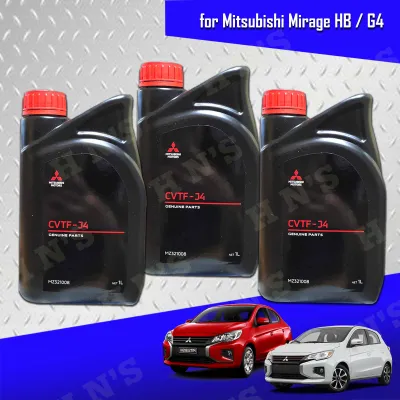
![[4 LITERS] Mitsubishi Mirage CVT J4 (Continously Variable Transmission Fluid CVTF) - Mitsubishi Genuine Lubricants - [G4 / Hatchback]](https://img.lazcdn.com/g/p/3d8ff7230f3a650157492ab1cd4e2749.jpg_400x400q80.jpg_.webp)
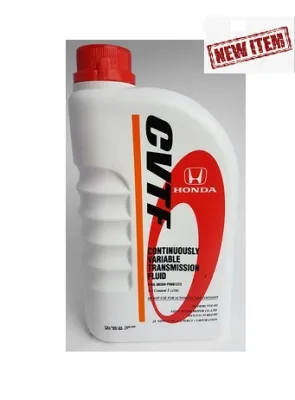
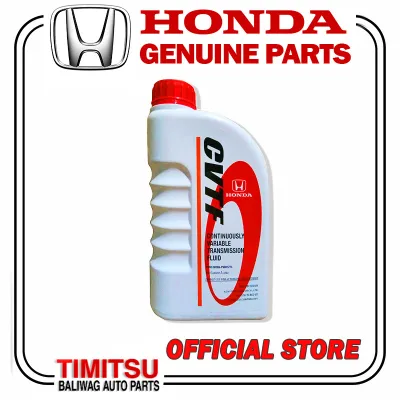
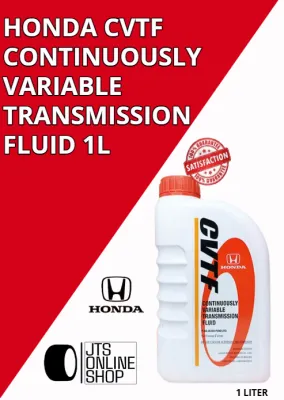
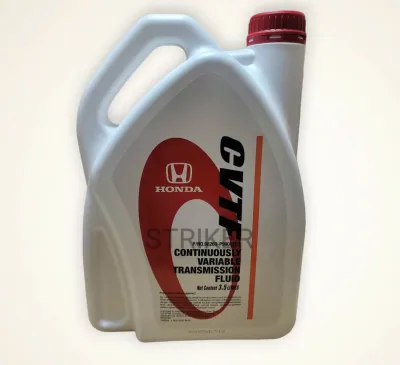
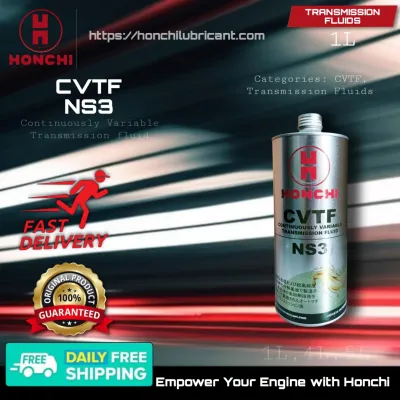
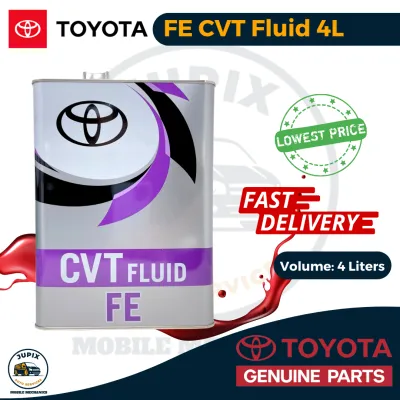
Prices are valid at publication and may change. Please refer to the product page for the latest price.
Decoding Key CVTF Specifications and Labels
Understanding what is printed on a CVTF bottle helps you cut through marketing jargon and make an informed decision. The most critical elements on the label are the specific manufacturer approval codes, which indicate the fluid has been formulated to meet the exact viscosity and friction requirements of your transmission.

Viscosity and friction modifiers are highly specialized in CVT fluids. The fluid must maintain a stable viscosity even under the intense heat and humidity typical of tropical driving conditions in the Philippines. It must also provide high steel-on-steel friction to keep the belt from slipping, while simultaneously lubricating the bearings and gears. If a fluid lacks the primary OEM certification for your vehicle, secondary marketing features like “high mileage additives” or “anti-shudder formulas” are irrelevant and should be ignored.
Always look for exact specification codes on the back label, such as Nissan NS-2 or NS-3, Toyota TC or FE, or Honda HCF-2. These codes represent distinct chemical formulations that are rarely interchangeable. A fluid designed for an older CVT standard may not have the lower viscosity required for a modern, fuel-efficient CVT, leading to poor performance and potential internal wear.
Evaluating "Universal" vs. OEM-Specific Fluids
When shopping for CVTF, you will generally choose between dedicated OEM fluids and aftermarket “universal” or multi-vehicle fluids. For vehicles still under the manufacturer’s warranty, using the exact OEM-branded fluid is highly recommended and often mandatory to keep your warranty intact. Newer, highly sensitive CVT designs are particularly intolerant of fluid variations, making factory fluids the safest choice.
Multi-vehicle CVT fluids can be a viable, cost-effective option for out-of-warranty vehicles, provided they explicitly list your vehicle’s exact specification on the bottle. However, you must never assume a fluid is compatible simply because the brand of your car is mentioned on the front label. You must turn the bottle over and carefully cross-reference the detailed application chart against your vehicle’s model, year, and transmission type.
If your vehicle’s specific fluid standard is not explicitly listed on the aftermarket bottle’s compatibility list, do not use it. Even minor differences in additive packages can alter the friction coefficient, leading to subtle slippage that gradually destroys the transmission over time.
Step-by-Step Selection and Verification Checklist
To ensure you are purchasing the correct CVTF and protecting your investment, follow this systematic verification process before completing your purchase:
First, locate the exact transmission model or fluid requirement in your vehicle’s official documentation. This information is typically found in the “Specifications” or “Maintenance” section of your owner’s manual, or sometimes on a placard under the hood or on the transmission dipstick itself.
Second, verify that the physical bottle’s compatibility list matches your specific vehicle details. Do not rely on online search filters or retail store compatibility tools alone; physically read the product label to confirm that your required specification code is explicitly printed.
Third, inspect the physical packaging of the fluid before buying or pouring. Ensure the safety seal is completely intact, the bottle shows no signs of tampering, and the manufacturing date is legible. Counterfeit or improperly stored fluids can degrade quickly, especially in hot and humid climates, posing a severe risk to your transmission.
Finally, if you are performing the fluid change yourself, always refer to the original vehicle service manual for the correct fill levels, temperature-checking procedures, and safety precautions. If you are unsure about the process or lack the specialized tools required to measure CVT fluid levels accurately, seek assistance from a qualified professional.
Frequently Asked Questions (FAQ)
Can I mix different brands of CVT fluid if they meet the same specification?
It is highly recommended to avoid mixing different brands of CVT fluid, even if they claim to meet the same specification. Different manufacturers use proprietary additive packages that may not be chemically compatible when mixed, potentially leading to fluid foaming, reduced lubrication, or altered friction properties. If you are switching to a different brand of fluid, perform a complete system flush rather than a simple drain-and-fill to ensure the old fluid is fully removed.
Is it safe to use standard ATF in a CVT transmission?
No, it is extremely dangerous to use standard Automatic Transmission Fluid (ATF) in a CVT. Standard ATF is formulated with friction modifiers designed for slipping wet clutches, whereas CVT fluid requires specific steel-on-steel friction properties to grip the belt and pulleys. Introducing standard ATF into a CVT will cause immediate belt slippage, severe overheating, and catastrophic mechanical failure. If standard ATF is accidentally added to your CVT, do not start the engine; have the vehicle towed to a professional service center immediately to have the transmission completely flushed.

Community discussion
Share your experience or ask a question. Comments are reviewed before publication.