
To choose the right Delo diesel engine oil for your light-duty SUV or pickup, you must match the exact viscosity grade and API service classification specified in your vehicle’s owner’s manual. While Delo is a highly trusted brand for diesel engines, its formulations range from heavy-duty commercial oils to passenger-vehicle-specific blends. Selecting the wrong variant can lead to premature wear or damage to modern emission control systems like Diesel Particulate Filters (DPF).
Driving a light diesel vehicle like a Toyota Fortuner, Mitsubishi Montero Sport, or Ford Everest in the Philippines means dealing with intense tropical heat, high humidity, and severe stop-and-go traffic. These demanding conditions make choosing the correct formulation critical for long-term engine health. By understanding your vehicle’s specific requirements and how different Delo products are formulated, you can ensure your engine remains protected and performs optimally.
Understanding Your Vehicle's Oil Requirements
Before browsing any retail shelves or online marketplaces, open your vehicle’s owner’s manual to find the engine oil specification section. This section outlines the required viscosity grade, such as 5W-30, 10W-30, or 15W-40, which determines how the oil flows at different temperatures. Using a viscosity grade outside of the manufacturer’s recommended range can lead to poor lubrication, increased engine wear, or reduced fuel efficiency.
Products mentioned in this guide
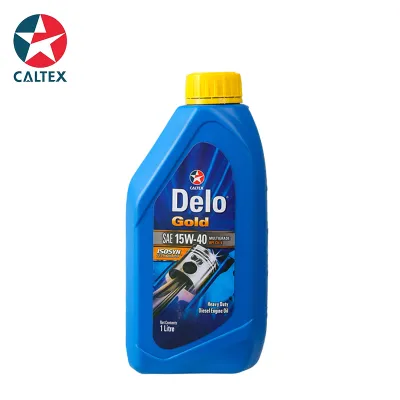
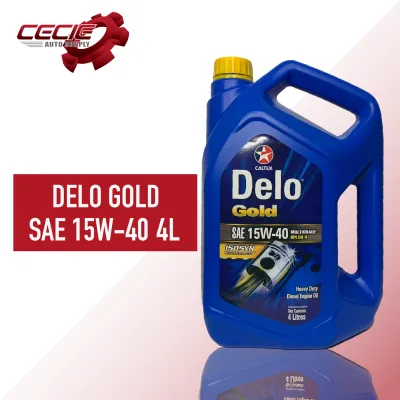
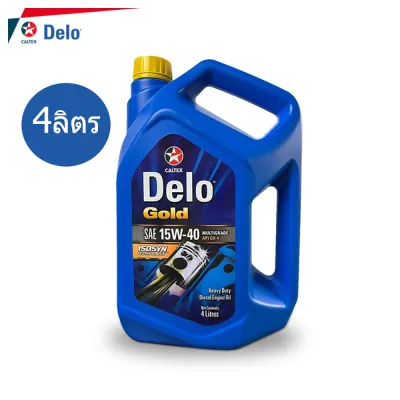
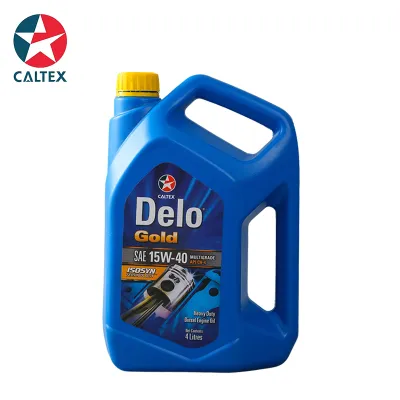
Prices are valid at publication and may change. Please refer to the product page for the latest price.
Next, look for the required API (American Petroleum Institute) service classification, which typically consists of two letters starting with “C” for compression-ignition engines, such as CK-4, CJ-4, or CI-4. Some manufacturers also specify original equipment manufacturer (OEM) standards that the oil must meet to maintain your warranty. These specifications ensure the oil contains the correct additive package to handle the specific thermal and mechanical stresses of your engine design.
It is crucial to distinguish between older diesel engines and modern common-rail direct injection (CRDi) engines. Modern engines are equipped with sophisticated emission control systems, including Diesel Particulate Filters (DPF) and Selective Catalytic Reduction (SCR) systems, which require highly specific oil formulations to prevent premature clogging. Older engines, on the other hand, may operate safely on older API classifications but still require careful viscosity selection based on wear and operating conditions.
Matching Delo Formulations to Light-Duty Diesel Needs
Delo diesel engine oil is available in full synthetic, semi-synthetic (often labeled as synthetic technology), and mineral oil formulations. Full synthetic oils offer the highest level of thermal stability and flow easily during cold starts, making them excellent for modern CRDi engines subjected to daily city traffic. Semi-synthetic oils provide a balanced middle ground for moderate driving conditions, while mineral oils are generally reserved for older engine designs or budget-conscious maintenance schedules.

A critical factor when choosing a Delo formulation is the level of Sulfated Ash, Phosphorus, and Sulfur (SAPS). Heavy-duty commercial truck oils are often high-SAPS formulations designed to protect massive industrial engines over extremely long drain intervals, but these high ash levels can quickly poison and clog the DPF on a passenger SUV or pickup. Using a commercial heavy-duty oil in a light-duty passenger vehicle with modern emissions equipment can lead to costly exhaust system repairs.
For modern light-duty diesel passenger vehicles, you must select a low-SAPS or mid-SAPS formulation specifically designed to protect exhaust aftertreatment systems. Always read the product label carefully to ensure it explicitly states suitability for light-duty passenger diesel vehicles rather than solely commercial heavy-duty applications. This distinction is vital for maintaining both engine protection and emissions compliance.
Checking Viscosity and Climate Suitability
In the tropical climate of the Philippines, where ambient temperatures remain consistently warm, the “W” (winter) rating of the oil (such as 5W or 10W) is less about freezing starts and more about how quickly the oil circulates upon initial startup. A lower winter rating allows the oil to flow rapidly to critical engine components the moment you turn the key, reducing startup wear. This rapid circulation is especially beneficial during short trips or frequent stop-and-go driving.
The second number in the viscosity rating (such as 30 or 40) represents the oil’s thickness at normal engine operating temperatures. While a 5W-30 or 10W-30 oil is common for modern, tight-tolerance CRDi engines, older or high-mileage engines may benefit from a slightly thicker 15W-40 oil to help seal internal clearances and reduce oil consumption, provided this viscosity is explicitly permitted by your vehicle’s manufacturer. Never exceed the maximum viscosity limits specified in your owner’s manual.
API Service Classifications and Emission Systems
API service classifications are generally backward compatible, meaning a newer standard like API CK-4 can safely replace older standards like CJ-4 or CI-4 in most engines. However, you must verify this compatibility in your owner’s manual, as some older engines may not require the advanced additives found in newer standards, while modern engines absolutely demand them. Newer standards are formulated to provide better oxidation control, shear stability, and aeration control.
If your SUV or pickup is equipped with a DPF, using an oil that does not meet the low-SAPS requirement can lead to rapid soot accumulation and chemical poisoning of the catalyst. This can trigger warning lights, force the engine into a low-power “limp mode,” and result in incredibly expensive exhaust system repairs that are typically not covered by vehicle warranties. Ensuring your selected Delo oil matches the required API standard is the best way to avoid these complications.
Step-by-Step Selection and Verification Checklist
To ensure you are purchasing the correct Delo diesel engine oil, always perform a thorough physical check of the product packaging before making a purchase. Locate the API service symbol, often called the “API donut,” on the back of the bottle to verify that both the viscosity grade and the service classification match your owner’s manual exactly. Do not rely solely on the front label’s marketing terms.
Examine the bottle’s physical integrity by checking that the cap seal is unbroken, the foil inner seal is intact, and the labeling is clear and free of spelling errors, which helps protect your engine from counterfeit or degraded products. Look for the printed manufacturing date or batch code on the bottle to ensure you are buying fresh stock. Purchasing from authorized retail outlets or official brand stores on online marketplaces is highly recommended to guarantee product authenticity.
Finally, determine your oil drain interval by consulting the “severe service” maintenance schedule in your owner’s manual rather than relying solely on the oil bottle’s maximum mileage claims. Stop-and-go driving in heavy traffic, short trips, towing, and driving through dusty or flooded areas all qualify as severe conditions, which generally require changing your oil and filter twice as often as normal highway driving.
Before performing any oil change, ensure the vehicle is parked on a level surface, the engine has cooled completely to prevent burns, and you are using appropriate safety gear. Always follow the original vehicle manufacturer’s instructions for oil filter replacement and torque specifications. If you lack the proper tools, safety equipment, or experience to perform this maintenance safely, always have the oil and filter replaced by a qualified professional technician.
Frequently Asked Questions (FAQ)
Can I use heavy-duty Delo oil in my light diesel SUV?
You should avoid using heavy-duty commercial Delo formulations in your light diesel SUV or pickup unless the product label and your vehicle manufacturer explicitly approve it. Commercial heavy-duty oils often contain high levels of sulfated ash (high-SAPS) to protect large industrial engines, which can rapidly clog the Diesel Particulate Filter (DPF) on a passenger vehicle, leading to severe engine backpressure and costly emission system failures.
How often should I change the diesel engine oil in my pickup?
The ideal oil change interval depends on your driving habits and the type of Delo oil you use, but you should always follow the guidelines in your owner’s manual. For vehicles operating in demanding tropical conditions, such as frequent idling in heavy traffic or carrying heavy loads, manufacturers typically recommend shorter intervals—often every 5,000 kilometers for mineral oils or up to 10,000 kilometers for high-quality synthetic formulations. Always replace the oil filter at every oil change to prevent circulating contaminants through your fresh oil.
Community discussion
Share your experience or ask a question. Comments are reviewed before publication.