
Selecting the correct Denso engine air or cabin filter for your vehicle requires matching the exact manufacturer part number to your car’s specific make, model, year, engine code, and trim level. Relying on general vehicle names often leads to fitment errors due to mid-year production changes or regional specification differences. In tropical environments like the Philippines, where vehicles frequently encounter heavy dust, high humidity, and dense urban traffic, maintaining clean and precise-fitting filters is essential for protecting both your engine’s performance and your cabin’s air quality.
Regular filter maintenance is one of the most straightforward ways to preserve your vehicle’s efficiency. However, because different markets often receive unique vehicle specifications, assuming a filter will fit based solely on the model name can result in costly mistakes. By taking a systematic approach to verifying part numbers and understanding the different filter media options available, you can ensure optimal filtration and a hassle-free installation process.
Understanding Engine Air vs. Cabin Filters
An engine air filter sits inside the engine bay, usually housed in a plastic airbox connected to the intake manifold. Its primary job is to trap airborne contaminants such as road dust, sand, soot, and organic debris before they can enter the combustion chamber. By preventing these abrasive particles from entering the engine, the filter directly impacts combustion efficiency, fuel economy, and overall engine longevity.
Products mentioned in this guide
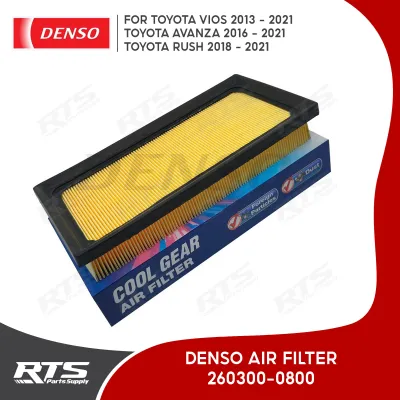
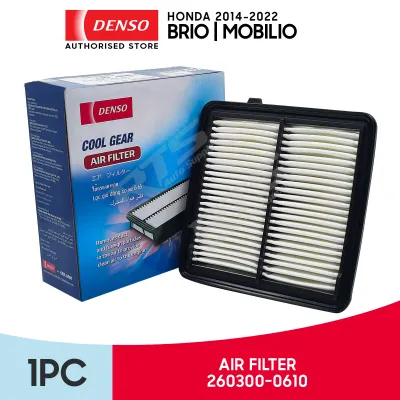
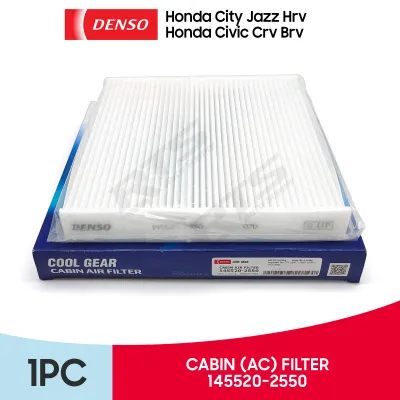
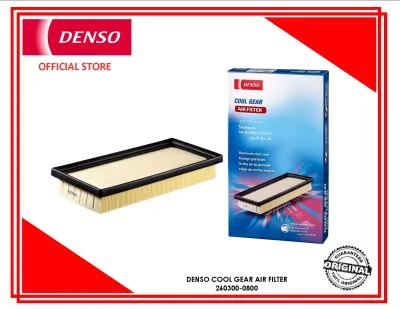
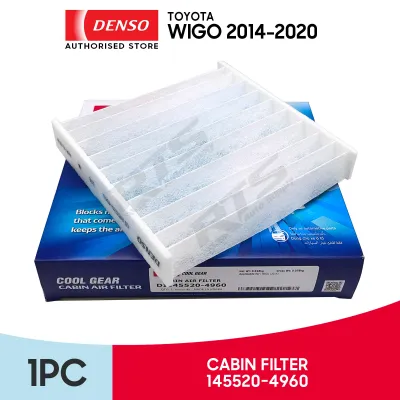
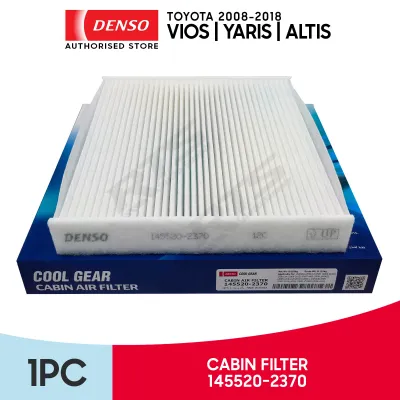
Prices are valid at publication and may change. Please refer to the product page for the latest price.
If abrasive particles bypass a worn, damaged, or poorly fitting engine filter, they can score cylinder walls, damage piston rings, and degrade sensitive mass airflow sensors. This leads to poor combustion, reduced fuel efficiency, and potentially costly engine repairs over time. In highly humid and dusty tropical environments, a clogged engine filter can severely choke the engine, reducing power output and increasing fuel consumption.
In contrast, a cabin air filter cleans the air that enters the vehicle’s interior through the heating, ventilation, and air conditioning (HVAC) system. Typically located behind the glove compartment or under the dashboard, this filter captures dust, pollen, mold spores, and exhaust soot. Its primary function is to protect passenger health and comfort, ensuring that the air circulated inside the cabin remains clean and breathable.
In highly humid climates, moisture can accumulate within the HVAC ducts, creating a breeding ground for mold and bacteria. A high-quality cabin filter not only traps these spores but also prevents debris from clogging the AC evaporator core. A clogged evaporator core is a common and expensive issue to resolve, often resulting in reduced cooling efficiency and persistent musty odors inside the vehicle.
Rather than relying strictly on fixed mileage intervals, drivers should perform regular visual inspections of both filters. In dusty urban areas or during the dry season, filters can clog much faster than standard service schedules suggest. Look for physical graying of the media, visible debris trapped in the pleats, reduced AC airflow, or a sudden drop in engine responsiveness as clear indicators that a replacement is necessary.
How to Find the Exact Denso Part Number for Your Vehicle
The most direct way to find the correct Denso part number is to inspect the filter currently installed in your vehicle. Most genuine Denso filters have the part number printed clearly along the plastic frame or stamped onto the edge of the filter media. If the current filter was installed by an authorized service center and has performed reliably, this number serves as an excellent baseline for your replacement search.

When the printed number is illegible or the previous filter was an incorrect aftermarket fitment, you must consult official catalogs. Denso provides online catalog databases where you can input your vehicle’s specific details. To ensure absolute accuracy, use the Vehicle Identification Number (VIN) or the specific engine chassis code rather than just the model name.
Regional variations play a significant role in automotive parts compatibility. A vehicle model sold in the Philippines may have different engine configurations, intake designs, or HVAC dimensions compared to the same model name sold in other countries. Utilizing the exact engine code (such as those found on the vehicle’s registration document or engine bay plate) prevents purchasing a filter designed for a foreign variant.
Cross-referencing original equipment manufacturer (OEM) part numbers is another highly reliable method. If you have access to the OEM part number from your vehicle’s manual or dealership invoice, you can input this number into verified cross-reference tools provided by authorized Denso distributors. This tool matches the OEM specifications to the corresponding Denso aftermarket part number.
Avoid relying on generic online listings that claim a filter “fits most” models of a certain brand. For example, a popular sedan might have undergone a minor facelift or engine update mid-year, resulting in a completely redesigned airbox. Guesswork in these scenarios often leads to purchasing a filter that is slightly too large, too small, or has a different sealing border, rendering it useless.
Selecting the Right Cabin Filter Media for Your Needs
Denso offers different types of cabin filter media to suit various driving environments and passenger needs. Standard particulate filters are constructed from high-quality non-woven synthetic fibers designed to trap dust, pollen, and larger airborne debris. These filters are highly effective for vehicles driven primarily in rural areas, less congested provinces, or environments where chemical odors and exhaust fumes are minimal.
For drivers who spend significant time in heavy city traffic, industrial zones, or congested highways, upgrading to an activated carbon filter is highly beneficial. These filters feature an additional layer of charged carbon granules that chemically absorb harmful gases, exhaust fumes, sulfur dioxide, and unpleasant odors. This layer acts as a sponge for molecular-level pollutants that standard particulate filters cannot trap.
Before upgrading to a denser filter media, it is important to verify your vehicle’s HVAC system compatibility. Denser media, especially when combined with electrostatic properties, can introduce slightly higher resistance to airflow. While a healthy blower motor can easily handle this resistance, an aging or weak blower motor might experience reduced airflow, leading to slower cabin cooling in hot tropical weather.
Evaluating the cost versus benefit helps determine the right choice for your budget. Standard Denso cabin filters are highly cost-effective, typically ranging from ₱400 to ₱900, making them an excellent choice for routine maintenance. Upgraded activated carbon variants generally cost between ₱800 and ₱1,800, representing a worthwhile investment if you suffer from respiratory sensitivities or regularly commute through heavily polluted urban corridors.
Verifying Authenticity and Pre-Installation Checks
Due to the popularity of the brand, counterfeit automotive parts are common in online marketplaces. To ensure you are purchasing a genuine Denso filter, carefully inspect the packaging upon delivery. Authentic Denso products feature high-resolution printing, accurate brand logos, clear part numbers, and sturdy cardboard boxes. Be wary of packaging with blurry text, misspelled words, or flimsy construction.
Before removing your old filter or tearing open the sealed plastic wrap of the new one, perform a physical dimension check. Place the new filter side-by-side with the old unit to compare the length, width, height, and overall shape. Even a discrepancy of a few millimeters can prevent the filter from sealing correctly inside the housing, allowing unfiltered air to bypass the media.
Examine the sealing gasket around the perimeter of the new filter. Genuine Denso filters utilize high-quality rubber or foam seals that are pliable, uniform, and securely bonded to the filter media. A damaged, stiff, or poorly glued gasket will fail to create an airtight seal, which compromises the entire filtration system and can let debris enter the engine or cabin.
Always prioritize safety and follow original-vehicle instructions when performing any maintenance. Ensure the engine is completely turned off, the ignition key is removed, and the engine bay has cooled down before opening the engine airbox. If you encounter resistance when fitting the new filter, do not force it into place. Forcing a misaligned filter can crack the plastic housing or tear the filter media.
If the filter does not sit flush within the housing, or if the securing clips require excessive force to latch, stop the installation immediately. Re-verify the part number and physical dimensions against your vehicle’s specifications. If the housing itself shows signs of warping, cracking, or wear, consult a qualified automotive technician to repair the assembly before driving the vehicle.
Frequently Asked Questions (FAQ)
Can I wash and reuse a standard Denso engine air filter?
Standard paper or synthetic engine air filters from Denso are strictly disposable and designed for single-use lifespans. Attempting to wash these filters with water, soap, or compressed air will permanently damage the microscopic fiber structure, rendering them ineffective at trapping fine dust. While some specialized aftermarket performance filters are washable, standard Denso replacement lines must be replaced with a new unit once they become heavily soiled.
Will an activated carbon cabin filter reduce my car's AC airflow?
An upgraded activated carbon cabin filter may introduce a very minor increase in airflow resistance compared to a standard particulate filter due to its denser, multi-layered construction. However, in a properly functioning HVAC system with a healthy blower motor, this difference is virtually unnoticeable. Significant airflow reduction typically only occurs if the filter is left in service long enough to become heavily clogged with dust and debris, or if the blower motor is already failing.
How do I verify a Denso filter bought from an e-commerce platform is authentic?
To ensure authenticity when purchasing online, always buy from official Denso flagship stores or highly rated, verified automotive parts distributors on major e-commerce platforms. Upon receiving the package, inspect the box for high-quality printing, correct holographic security labels, and clear manufacturing origin marks. Additionally, verify that the part number printed on the filter frame matches the packaging and that the build quality of the media and rubber seals is clean and robust.

Community discussion
Share your experience or ask a question. Comments are reviewed before publication.