
Choosing the right engine coolant for gasoline vehicles is not as simple as picking a bottle with a matching color or grabbing the cheapest option on the shelf. To keep your engine operating at its optimal temperature, you must select a fluid that aligns perfectly with your vehicle manufacturer’s precise chemical specifications. Using an incompatible fluid can lead to catastrophic cooling system failures, including corroded water pumps, degraded gaskets, and blocked radiator passages. In the tropical climate of the Philippines, where high ambient heat and heavy traffic put constant stress on your engine, choosing the correct engine coolant for gasoline engines is critical to preventing boil-overs and long-term thermal damage.
Modern automotive cooling systems are highly engineered environments that rely on a delicate chemical balance to prevent corrosion and cavitation. The fluid you pour into your radiator does far more than just transfer heat; it active protects the various metals and elastomers inside your engine block, cylinder head, water pump, and radiator. Because different vehicle manufacturers use different combinations of aluminum, cast iron, copper, brass, and specialized plastics or rubber seals, there is no single “universal” coolant that works safely in every car. Understanding how to match a product to your vehicle’s specific requirements is the first step toward ensuring long-term reliability and avoiding costly workshop repairs.
Understanding Compatibility Requirements for Your Gasoline Engine
Your vehicle’s cooling system is a complex network of dissimilar metals and sensitive sealing materials. The cylinder head and engine block of a modern gasoline vehicle are frequently constructed from lightweight aluminum alloys, while older engines may feature cast iron blocks. Connecting these components are rubber or silicone hoses, plastic thermostat housings, and synthetic rubber water pump seals. If you introduce an incorrect chemical formulation, the corrosion inhibitors in the fluid may fail to protect these specific materials. Over time, this incompatibility leads to rapid metal oxidation, pitting, and the gradual degradation of internal gaskets, eventually causing severe coolant leaks or localized engine overheating.
Products mentioned in this guide
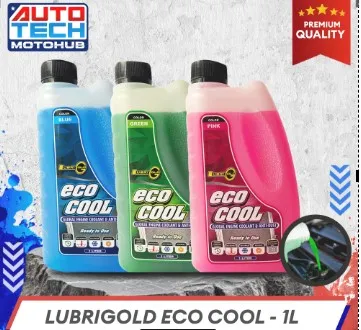
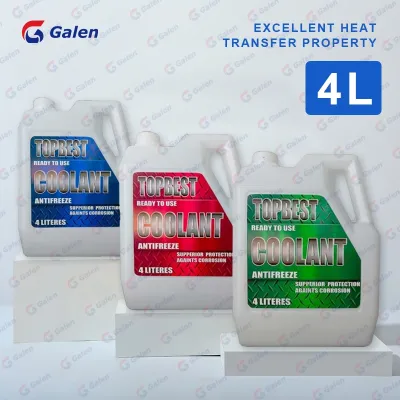
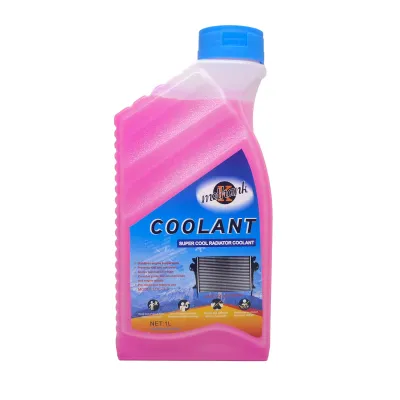
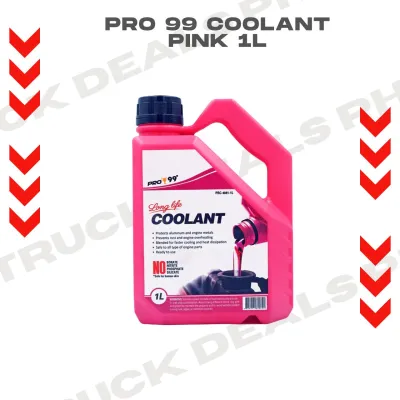
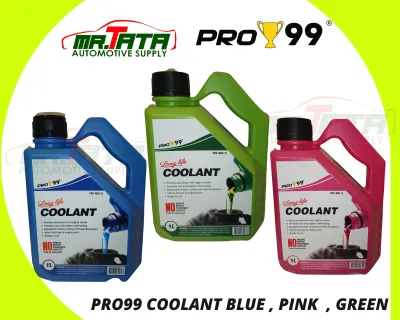
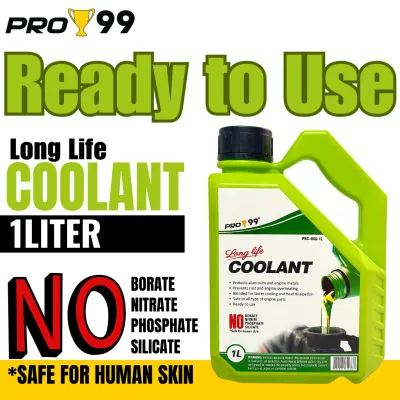
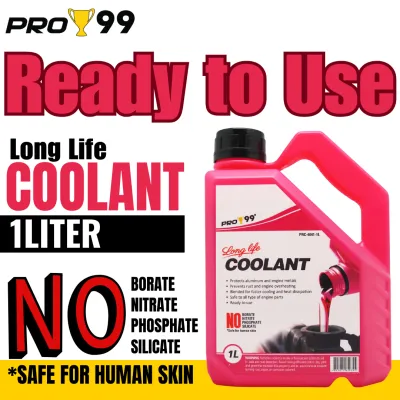
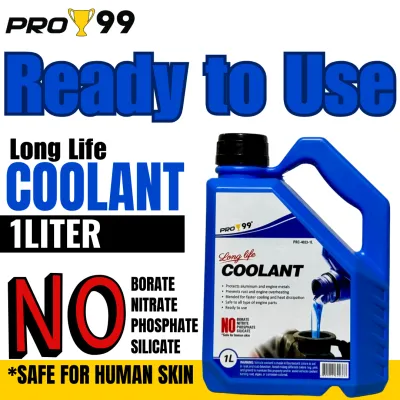
Prices are valid at publication and may change. Please refer to the product page for the latest price.
Before purchasing any fluid, you must consult your vehicle owner’s manual or locate the under-hood placard for the exact Original Equipment Manufacturer (OEM) specification code. This code is a unique identifier—such as Toyota Super Long Life Coolant, Honda Type 2, or Ford WSS-M97B44-D—that indicates exactly what chemical package your engine requires. Relying on generic terms like “universal gasoline coolant” is a high-risk approach, as these products often lack the specific inhibitors needed to satisfy the warranty and design requirements of your particular make and model. The manufacturer’s manual is the ultimate authority on compatibility, and its guidelines should always supersede retail recommendations.
Mixing different coolant chemistries is one of the most common and destructive mistakes a vehicle owner can make. When incompatible inhibitor technologies are combined, they can trigger a chemical reaction that causes the protective additives to precipitate out of the solution. This process, often referred to as chemical fallout or silicate dropout, transforms the liquid coolant into a thick, abrasive gel or creates gritty particles. This sludge quickly accumulates in the narrowest passages of your cooling system, such as the radiator tubes and the heater core, completely blocking fluid flow. Furthermore, the abrasive particles act like liquid sandpaper, rapidly wearing down the mechanical seals of your water pump and causing premature pump failure.
To ensure you are purchasing the correct fluid, you must learn to cross-reference the OEM specification printed in your vehicle’s documentation with the technical labels on the back of the coolant bottles. Reputable manufacturers clearly list the industry standards (such as ASTM D3306 or JIS K2234) and specific OEM approval codes that their product meets. When inspecting a bottle at an auto supply store, ignore the marketing claims on the front label and focus entirely on the technical specifications listed on the back. If the exact code specified in your owner’s manual is not explicitly listed on the bottle as an approved standard, do not use that product in your vehicle.
Comparing Coolant Technologies: IAT, OAT, and HOAT Explained
To make an informed decision, you must understand the three primary coolant technologies utilized in modern gasoline engines. These technologies are defined by the types of corrosion inhibitors they use to protect the internal surfaces of the cooling system. While all of them use a base of ethylene glycol or propylene glycol mixed with water to manage heat, their chemical additive packages are vastly different and are designed for entirely different eras of engine metallurgy.

Inorganic Additive Technology (IAT) is the traditional formulation found in older gasoline vehicles, typically those manufactured before the late 1990s. This chemistry relies on fast-acting inorganic minerals, primarily silicates and phosphates, to form a protective layer over copper, brass, cast iron, and early aluminum components. While IAT provides excellent, immediate protection against corrosion, these inorganic inhibitors deplete rapidly during normal operation. Consequently, IAT fluids have a short service life, typically requiring a complete system flush and replacement every two years or 40,000 kilometers to prevent the fluid from becoming acidic and corrosive.
Organic Acid Technology (OAT) represents a major shift toward extended-life fluids, commonly used in modern gasoline engines. Instead of fast-acting minerals, OAT formulations utilize organic acids, such as sebacate or 2-ethylhexanoic acid (2-EHA), which do not deplete nearly as quickly. These organic inhibitors offer long-term, targeted protection by chemically bonding only with areas of the metal that are actively beginning to corrode. OAT fluids are completely free of silicates and phosphates, making them highly compatible with modern aluminum engines and long-life water pump designs. However, because they do not contain immediate-acting inorganic barriers, they are not suitable for legacy engines with older copper-and-brass radiators.
Hybrid Organic Acid Technology (HOAT) is a multi-faceted chemistry designed to combine the rapid-acting protection of IAT with the long-lasting durability of OAT. HOAT formulations introduce a small amount of inorganic additives, such as silicates or phosphates, into an organic acid base. This hybrid approach is highly favored by many European and Asian vehicle manufacturers, though they customize the recipe to meet regional water quality and design preferences. For example, Asian manufacturers typically use phosphate-rich HOAT (P-HOAT) to protect aluminum while banning silicates, which can be abrasive to water pump seals. Conversely, European manufacturers favor silicate-rich HOAT (Si-HOAT) while banning phosphates to prevent scale buildup caused by hard water.
| Coolant Technology | Primary Inhibitors | Typical Service Life Category | Primary Vehicle Applications |
|---|---|---|---|
| Inorganic Additive Technology (IAT) | Silicates and Phosphates | Short-life (approx. 2 years / 40,000 km) | Legacy gasoline vehicles (pre-1998) with copper/brass radiators |
| Organic Acid Technology (OAT) | Organic Acids (Silicate & Phosphate-free) | Extended-life (approx. 5 years / 240,000 km) | Modern domestic and select European/Asian gasoline engines |
| Hybrid Organic Acid Technology (HOAT) | Organic Acids + Silicates or Phosphates | Extended-life (approx. 5 to 10 years) | Modern European, Asian, and American gasoline vehicles |
It is critical to understand that coolant color is not a standardized indicator of chemical technology. In the past, IAT fluids were almost exclusively bright green, while early OAT fluids were orange. Today, however, manufacturers use a wide spectrum of dyes—including blue, pink, red, yellow, violet, and green—regardless of the underlying chemistry. A blue fluid from one brand might be a phosphate-HOAT designed for Japanese cars, while a blue fluid from another brand could be a silicate-HOAT meant for European models. Never select or mix coolant based solely on color; always verify the chemical technology (IAT, OAT, or HOAT) and the specific OEM approval codes printed on the product label.
Adapting Your Coolant Choice for Tropical Climates
Driving in the tropical climate of the Philippines presents unique challenges for an engine’s cooling system. With ambient temperatures frequently exceeding 30°C, combined with high relative humidity and the punishing stop-and-go traffic of major metropolitan areas, your gasoline engine operates under constant thermal stress. In these conditions, the primary role of the coolant shifts away from preventing freezing—which is a non-issue locally—and focuses entirely on raising the boiling point of the system, facilitating rapid heat transfer, and preventing internal component cavitation.
To achieve optimal thermal performance, you must maintain the correct dilution ratio of coolant concentrate to water. The standard recommendation for tropical environments is a 50/50 mixture of ethylene glycol-based coolant and water. This specific ratio balances the high heat-capacity of water with the boiling-point elevation and corrosion-inhibiting properties of the glycol concentrate. Under a pressurized system (regulated by a properly functioning radiator cap), a 50/50 mix raises the boiling point of the fluid to approximately 125°C to 130°C. This provides a critical safety margin that prevents the fluid from boiling into vapor during prolonged idling in heavy traffic, as vapor cannot effectively absorb or transfer heat away from hot engine components.
Using plain tap water to dilute your coolant concentrate, or using it as a temporary top-up, is highly destructive to your engine. Tap water in municipal systems and wells contains high concentrations of dissolved minerals, including calcium, magnesium, and chlorides. When subjected to the intense heat inside your engine, these minerals precipitate out of the water and form a hard scale on the inner walls of the radiator tubes and engine water jackets. This scale acts as an thermal insulator, trapping heat inside the engine block and drastically reducing the radiator’s heat dissipation efficiency. Furthermore, chlorides present in tap water accelerate galvanic corrosion between dissimilar metals, leading to rapid system degradation.
For maximum convenience and safety, purchasing pre-diluted (50/50) coolant formulations is highly recommended. These ready-to-use products are blended at the factory using highly purified demineralized or deionized water, ensuring that no harmful minerals are introduced into your cooling system. If you choose to purchase concentrated coolant instead, you must strictly mix it with distilled water, which is readily available at local supermarkets and auto supply shops. Never use mineral water, drinking water, or filtered tap water for mixing, as these still contain the dissolved solids that cause scale buildup.
Step-by-Step Selection Guide and Purchasing Checklist
Selecting and purchasing the correct engine coolant for gasoline vehicles requires a methodical approach to ensure compatibility and product quality. Before you visit an auto supply shop or browse online marketplaces, follow this structured, step-by-step framework to make a safe and reliable purchase.
Step 1: Verify Specifications
Begin by consulting your vehicle owner’s manual, service booklet, or the specification label located under the hood (often found on the radiator shroud or the underside of the bonnet). Identify the exact OEM coolant specification code or standard required for your specific model year and engine type. Write this code down or take a clear photograph of the page with your phone so you have it readily available for cross-referencing.
Step 2: Read the Product Label
When evaluating coolant options, turn the bottle around to inspect the technical information on the back label. Look for a section that explicitly lists compatible manufacturer specifications. Confirm that the exact code you retrieved in Step 1 is printed on the bottle. Additionally, verify the chemistry type (OAT, HOAT, or IAT) to ensure it matches your vehicle’s engineering requirements, and look for compliance with international standards such as ASTM D3306.
Step 3: Choose the Format
Decide whether you want to purchase a pre-diluted (ready-to-use) formula or a concentrated formula. If you prefer a straightforward, mess-free application where you simply pour the fluid directly into the radiator or expansion tank, select a pre-diluted 50/50 option. If you are comfortable measuring and mixing fluids yourself and have access to clean distilled water, a concentrated formula can be a more economical choice for a full system refill.
Step 4: Inspect the Packaging
Before paying for the product, closely inspect the physical bottle to ensure its integrity. Verify that the factory safety seal under the cap is completely intact and has not been tampered with. Check the label print quality; blurry text, spelling errors, or peeling labels are common indicators of counterfeit products. Look for a clearly printed batch number and a manufacturing or expiration date, which confirm that the product has gone through proper quality control channels.
Purchasing Checklist
To make your shopping experience easier, use this quick checklist on your phone while browsing the automotive aisle:
- [ ] OEM Code Match: The product label explicitly lists my vehicle's required specification code.
- [ ] Chemistry Type: The formulation (IAT, OAT, or HOAT) matches my engine's design.
- [ ] Standard Compliance: The bottle displays industry standards like ASTM D3306 or JIS K2234.
- [ ] Format Selection: I have chosen the correct format (Pre-diluted for convenience, Concentrate for manual mixing with distilled water).
- [ ] Physical Integrity: The bottle has a secure, untampered factory seal and legible batch codes.
- [ ] Reputable Source: The seller is an authorized distributor or a highly rated, trusted automotive retailer.
To protect your engine from degraded or counterfeit fluids, always purchase your coolant from authorized brand distributors, official flagship online stores, or well-established local auto parts physical retailers. Counterfeit coolants—which are often nothing more than tap water mixed with cheap green or pink dye—are prevalent in unregulated markets. These fake products offer zero corrosion protection and will cause rapid engine damage. Investing in a genuine, high-quality fluid from a reputable brand ensures that your cooling system remains fully protected under the demanding driving conditions of the Philippines.
Frequently Asked Questions (FAQ)
Can I mix different coolant colors if they are the same type?
No, you should never mix different coolant brands or colors even if they claim to be of the same general chemistry type. Color is simply a dye added by manufacturers and is not standardized across the automotive industry; two pink coolants can have completely different chemical additive packages. Mixing them can cause the proprietary corrosion inhibitors to react negatively, reducing their overall protective capabilities or creating a chemical imbalance. If you must top up your system in an emergency and cannot find the exact product currently in your radiator, it is safest to use distilled water temporarily, followed by a professional system flush and refill with a single, consistent product as soon as possible.
How often should I change the coolant in a gasoline car?
The precise replacement interval for your vehicle’s coolant is determined by your vehicle manufacturer and can be found in your owner’s manual. As a general guideline, older vehicles using traditional IAT coolants require a flush and replacement every 2 years or 40,000 kilometers because the inorganic inhibitors deplete rapidly. Modern vehicles utilizing extended-life OAT or HOAT formulations can often go 5 to 10 years, or between 100,000 and 240,000 kilometers, before requiring replacement. However, if you frequently drive in severe conditions—such as the high ambient temperatures, heavy dust, and prolonged idling characteristic of urban traffic in the Philippines—the corrosion inhibitors will degrade more quickly, making more frequent cooling system inspections and fluid changes highly advisable.
Community discussion
Share your experience or ask a question. Comments are reviewed before publication.