
Finding the right evo helmet full face model in the Philippines requires balancing your daily riding needs with your budget limit. Whether you are navigating the congested streets of Metro Manila or cruising along provincial highways, your helmet is your most critical piece of safety gear. EVO offers options across entry-level, mid-range, and premium tiers, allowing riders to find a suitable match. To make the correct purchase, you must evaluate how your riding frequency, average speeds, and local climate conditions align with the features offered at different price points. While higher-priced models provide enhanced comfort, lighter materials, and better aerodynamics, even the most affordable option must deliver certified impact protection to keep you safe on the road.
Defining Your Budget for an EVO Helmet Full Face: Safety Certifications and Baseline Expectations
When shopping for an evo helmet full face, establishing a clear budget is the first step, but safety must remain your absolute baseline. A common misconception is that a lower price tag justifies a compromise on impact protection. In reality, every helmet worn on public roads must meet strict safety requirements, regardless of its cost. When evaluating different price points, understand that spending more typically secures advanced shell materials, lighter weights, superior ventilation, and noise-reducing aerodynamics, rather than a higher level of baseline safety.
To guarantee your protection, you must verify the physical safety certifications on the helmet itself. Do not rely solely on online product descriptions or seller claims. Look for physical, tamper-evident stickers on the helmet shell. In the Philippines, this includes the Import Commodity Clearance (ICC) sticker or the Philippine Standard (PS) mark. Additionally, check for international certifications such as the United States Department of Transportation (DOT) FMVSS 218 standard or the United Nations Economic Commission for Europe (ECE) 22.05 or 22.06 standards. These labels indicate that the helmet has undergone rigorous impact, penetration, and retention system testing.
Products mentioned in this guide
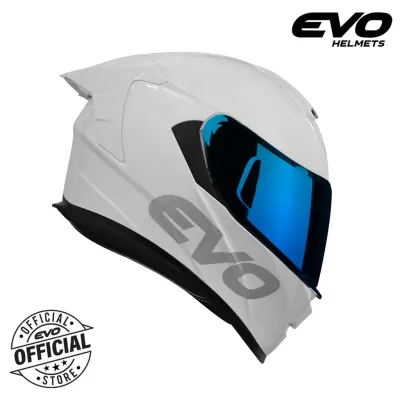
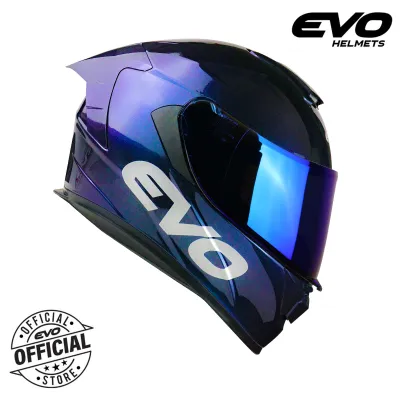
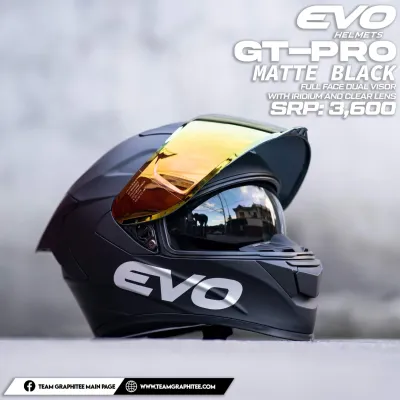
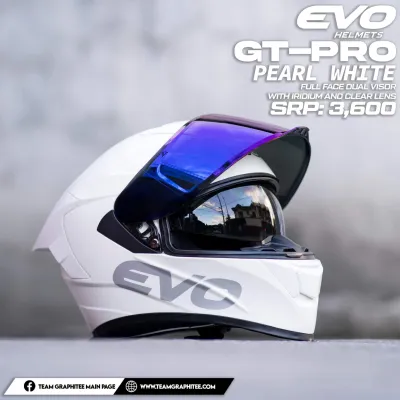
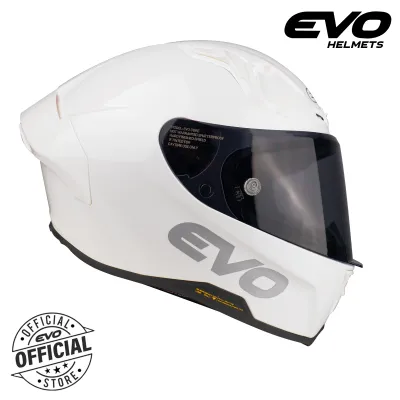
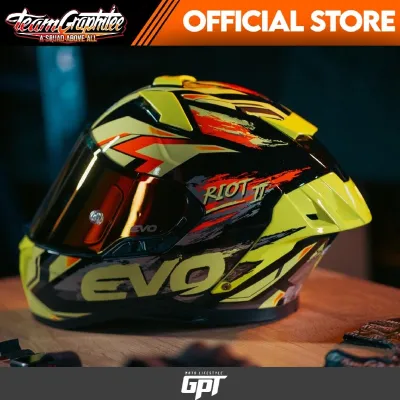
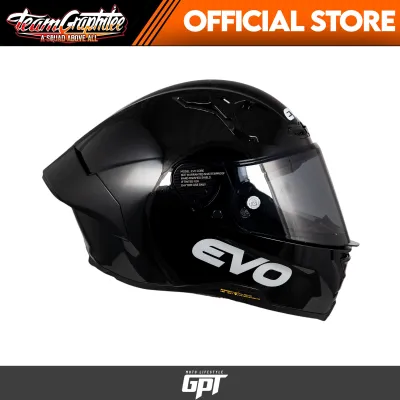
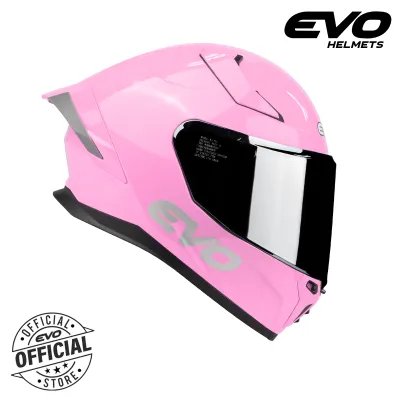
Prices are valid at publication and may change. Please refer to the product page for the latest price.
Before choosing a budget tier, analyze your specific riding habits. A rider who faces a daily two-hour commute in heavy traffic and high humidity has different requirements than someone who only rides short distances on weekends. Consider your typical routes, average speeds, and exposure to tropical weather. By matching these factors to the entry-level, mid-range, or premium categories, you can avoid both under-protecting yourself and overspending on features you do not need.
Entry-Level Tier: Core Protection and Necessary Compromises
The entry-level tier for an evo helmet full face is designed primarily for budget-conscious riders, daily city commuters, and beginners. These helmets are typically constructed using Acrylonitrile Butadiene Styrene (ABS) or basic polycarbonate plastics. While these materials are highly durable and capable of dispersing impact forces effectively, they require a thicker shell to achieve the necessary strength. This construction method results in a heavier helmet, which can lead to neck fatigue during extended rides.

When purchasing at this price point, physical verification of safety standards is critical. Because entry-level gear is highly sought after, online marketplaces frequently feature counterfeit products or listings with misleading specifications. Always inspect the physical ICC, DOT, or ECE stickers upon delivery. If the helmet lacks these physical markings, or if the stickers appear to be low-quality prints that are easily peeled off, do not use the helmet and initiate a return immediately.
To keep prices low, manufacturers must make acceptable compromises in comfort and convenience. Entry-level models often feature basic, non-adjustable ventilation ports that offer limited airflow, which can make riding in hot, humid tropical weather uncomfortable. The interior comfort liners are frequently non-removable or only partially removable, making thorough cleaning and sweat management difficult. Additionally, the visor ratchet mechanisms are usually simple, lacking the smooth, multi-position adjustments or quick-release systems found on higher-tier models.
This budget tier is highly practical for short-distance, low-speed urban travel where stop-and-go traffic limits the benefits of advanced aerodynamics. However, if your daily route involves long highway stretches or prolonged exposure to midday heat, the added weight and restricted ventilation of an entry-level model may prove challenging over time.
Mid-Range Tier: Upgraded Comfort, Ventilation, and Visor Systems
Stepping up to the mid-range tier represents the sweet spot for the majority of daily motorcycle commuters and touring enthusiasts in the Philippines. At this level, an evo helmet full face incorporates advanced polycarbonate blends or lightweight fiberglass composites. These materials reduce the overall weight of the shell while maintaining high structural integrity, significantly lowering the physical strain on your neck during long hours on the road.
One of the most noticeable upgrades in this tier is the quality of the interior liner. Mid-range helmets feature fully removable, washable, and moisture-wicking comfort liners. In a tropical climate where sweat and humidity are constant challenges, the ability to easily detach and wash the padding is essential for hygiene and preventing unpleasant odors. These liners are often treated with antibacterial properties, providing a cleaner and more comfortable fit over months of daily use.
Ventilation systems also receive major design improvements in the mid-range category. Instead of simple static vents, you will find adjustable chin, brow, and top vents designed to actively channel air through the helmet. These systems utilize negative pressure to pull hot, moist air out through rear exhaust vents, keeping your head cooler during slow-moving city traffic. Furthermore, mid-range models often feature quick-release visor mechanisms that allow you to swap shields without tools, alongside pinlock-ready visors that accept anti-fog inserts to preserve clear visibility during sudden downpours.
For riders who use their motorcycles as their primary mode of transportation for both work and weekend trips, the mid-range tier offers the most balanced return on investment. The incremental cost over entry-level models is easily justified by the substantial improvements in daily comfort, visibility, and long-term durability.
Premium Tier: Advanced Materials, Aerodynamics, and Track-Focused Features
The premium tier of the evo helmet full face lineup is engineered for high-performance riding, track days, and long-distance touring. Helmets in this category utilize state-of-the-art materials such as pure carbon fiber or multi-directional fiberglass composites. These advanced materials offer the highest strength-to-weight ratio available, producing an incredibly lightweight helmet that disperses impact energy exceptionally well while minimizing rider fatigue during high-speed maneuvers.
Aerodynamics play a central role in premium helmet design. These models undergo extensive wind-tunnel testing to create sculpted shell shapes, integrated rear spoilers, and specialized neck rolls. These features work together to slice through the air cleanly, drastically reducing wind buffeting, lift, and cabin noise at highway speeds. For riders traveling on open expressways, a highly aerodynamic helmet prevents the head from being tossed around by crosswinds, ensuring a focused and stable ride.
Safety and convenience features are also highly sophisticated at this price level. Many premium models include an Emergency Quick Release System (EQRS), which allows emergency medical personnel to easily remove the cheek pads while the helmet is still on the rider’s head, minimizing neck movement during an accident. You will also find superior optical-grade visors that eliminate visual distortion, built-in drop-down inner sun shields with smooth cable-driven mechanisms, and premium chin strap retention systems like double-D rings.
While the premium tier offers top-tier engineering, it is important to evaluate if your riding style warrants the investment. If your daily riding consists almost entirely of low-speed city commuting through congested streets, the benefits of advanced high-speed aerodynamics and track-focused features will remain largely unused. However, for expressways, sport riding, or long-distance provincial touring, a premium helmet provides unmatched safety, quietness, and physical comfort.
Hidden Costs: Accessories, Shipping, and Maintenance to Factor In
When setting a budget for a new evo helmet full face, the purchase price of the helmet itself is only part of the financial equation. To avoid unexpected expenses, you must factor in the cost of essential accessories, shipping fees, and ongoing maintenance. Failing to account for these hidden costs can lead to budget overruns or leave you with an incomplete riding setup.
Consider the following accessories that may not be included in the base price of your chosen model:
- Anti-Fog Inserts: If your helmet has a pinlock-ready visor, you will need to purchase the actual Pinlock lens separately to prevent fogging during rainy commutes.
- Replacement Visors: Swapping a clear stock visor for a tinted, mirrored, or photochromic shield for daytime riding adds to the initial cost.
- Protective Gear Bags: While a basic cloth bag is usually included, a padded, heavy-duty carrying case is a wise investment to protect your helmet from accidental drops when off the bike.
Communication readiness is another critical factor. If you plan to use a Bluetooth intercom system for navigation or group rides, verify whether the specific helmet model features dedicated speaker pockets and molded wiring channels. Helmets without these built-in recesses require manual modification of the EPS foam or comfort liner to accommodate speakers, which can compromise safety, void the warranty, or cause painful pressure points against your ears.
Finally, when purchasing online, pay close attention to shipping and handling fees. Helmets are bulky, lightweight items that require large shipping boxes, which can incur high volumetric shipping charges, especially when delivered to provincial areas outside Metro Manila. Always check the final checkout screen for handling fees, regional taxes, and shipping costs before finalizing your payment to ensure the total price remains within your comfortable spending limit.
Pre-Purchase Checklist: Verifying Authenticity, Fit, and Return Policies
To ensure your investment provides genuine protection and comfort, you must follow a systematic verification process before and immediately after making your purchase. Buying a helmet is a critical safety decision that should never be rushed or based solely on visual appeal.
Authenticity Verification To protect yourself from dangerous counterfeit products, only buy from authorized distributors, official brand stores on major e-commerce platforms, or reputable physical motorcycle accessory shops in the Philippines. Be highly suspicious of listings offering prices significantly lower than the standard retail price, as well as sellers who cannot provide official receipts, original packaging, or warranty cards. Genuine helmets will always ship with a comprehensive user manual and high-quality brand packaging.
Fitment and Sizing Guide A helmet can only protect you if it fits correctly. Use a flexible measuring tape to measure the widest part of your head, about one inch above your eyebrows and ears, and compare this measurement to the manufacturer’s specific sizing chart. When trying on the helmet for the first time, check for the following:
- Cheek Pad Snugness: Your cheeks should be pushed up slightly, similar to "chipmunk cheeks," without causing pain.
- Crown Pressure: The helmet should sit evenly on your head without creating sharp pressure points on your forehead or the back of your skull.
- The Roll Test: Fasten the chin strap securely and try to pull the helmet off from the back; it should not roll forward off your head.
Remember that a new helmet should feel quite snug initially, as the internal EPS foam and comfort liner will gradually break in and mold to your face shape over the first few weeks of riding.
Return and Exchange Policies Before completing your purchase, carefully read the seller’s return policy, especially regarding sizing exchanges. Many retailers have strict hygiene policies and will not accept returns if the protective plastic film has been peeled off the visor, if the internal tags have been removed, or if the helmet shows signs of being worn on an actual ride. Keep all packaging intact until you are absolutely certain of the fit.
Final Unboxing Inspection Once your helmet arrives, perform a thorough physical inspection before taking it on the road. Check that the factory seals on the box are intact, inspect the visor for scratches or optical distortion, test the ventilation sliders to ensure they open and close smoothly, and verify that all safety certification stickers are securely adhered to the shell.
Frequently Asked Questions (FAQ)
How do I verify if an EVO helmet meets Philippine safety standards?
To verify if an EVO helmet is legally compliant and safe for use on local roads, physically inspect the shell for the Import Commodity Clearance (ICC) silver hologram sticker or the Philippine Standard (PS) mark. These stickers are issued by the Bureau of Product Standards (BPS) under the Department of Trade and Industry (DTI). They should be accompanied by international certification markings, such as a DOT or ECE stamp, painted or permanently adhered directly to the rear of the helmet shell. Do not trust online text descriptions; always visually confirm these physical labels.
Is it safe to buy a second-hand EVO full-face helmet to save money?
No, it is highly unsafe to purchase a used or second-hand helmet. The Expanded Polystyrene (EPS) liner inside the helmet is designed to compress and absorb impact forces only once. Even if a used helmet looks flawless on the outside, it may have suffered internal micro-fractures from a minor drop or a previous impact that rendered its safety properties useless. Additionally, the EPS liner naturally degrades over time due to sweat, hair oils, and environmental exposure, and there is no reliable way to verify the helmet’s complete history or structural integrity.
Do all EVO full-face helmets come with a drop-down sun visor?
No, internal drop-down sun visors are not standard across all models. This feature is typically reserved for mid-range and premium models designed for touring and variable lighting conditions. Entry-level models often utilize a single, clear outer visor to keep production costs and overall weight down. Always review the detailed specification sheet or product diagrams of the specific model you are interested in to confirm whether an integrated inner sun shield is included before making your purchase.
Community discussion
Share your experience or ask a question. Comments are reviewed before publication.