
Selecting the right flyball—commonly referred to as roller weights—for your Honda Click 125i is one of the most effective ways to restore or fine-tune your scooter’s performance. In the Philippines, where daily commutes involve a mix of stop-and-go city traffic, steep flyovers, and long highway stretches, the condition and weight of these small components directly dictate how your engine transfers power to the rear wheel. Choosing the correct option requires understanding your specific riding environment, verifying precise physical dimensions, and selecting a weight that aligns with your performance goals.
Rather than searching for a single “best” universal product, finding the ideal flyball is a matter of matching certified specifications to your daily route. Whether you are navigating the congested streets of Metro Manila or climbing the scenic routes of Rizal, the right roller weights ensure your continuously variable transmission (CVT) operates smoothly. This guide provides a clear, step-by-step framework to evaluate aftermarket and original equipment manufacturer (OEM) options, helping you make a safe and reliable purchase.
The tropical climate of the Philippines also plays a significant role in how your transmission behaves. High ambient temperatures combined with heavy traffic can cause heat build-up inside the CVT casing, which accelerates the wear of rubber and plastic components. By choosing high-quality flyballs designed to withstand these demanding conditions, you can maintain consistent acceleration and prevent premature belt wear, ensuring your scooter remains a dependable partner for your daily travels.
Products mentioned in this guide
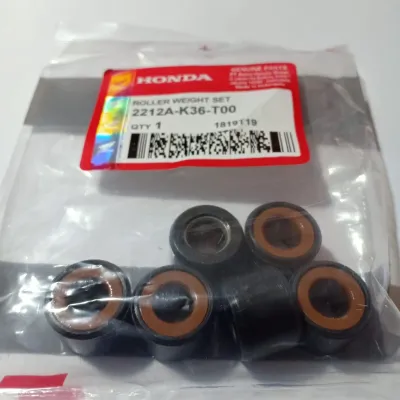
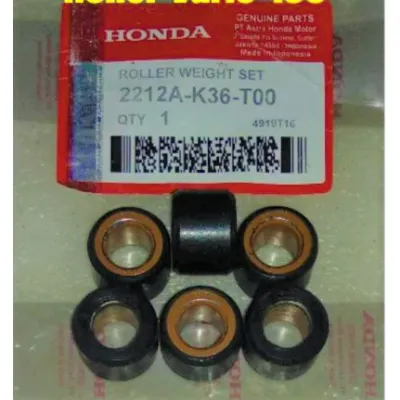
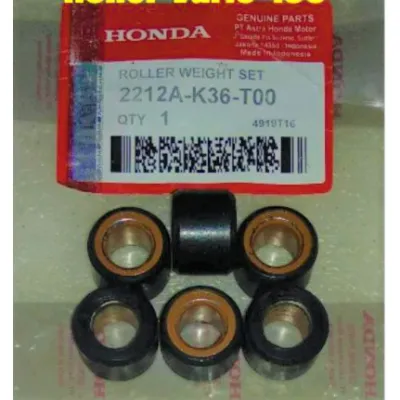
![[KV] Click 125/150 Genuine FLYBALL Set 14G (BLACK) 2212A-K36-T00 From Thailand](https://img.lazcdn.com/g/p/036611b45cedcb3393bfb9ce6179a98c.jpg_400x400q80.jpg_.webp)
![[RCP]Honda Click 125/150 Genuine FLYBALL Set 9G (BLACK) 2212A-K36-T00 -Thailand](https://img.lazcdn.com/g/p/f4d7f4656d782cd847d02f57f44ec037.jpg_400x400q80.jpg_.webp)
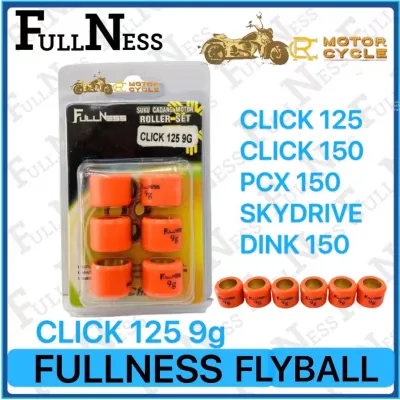
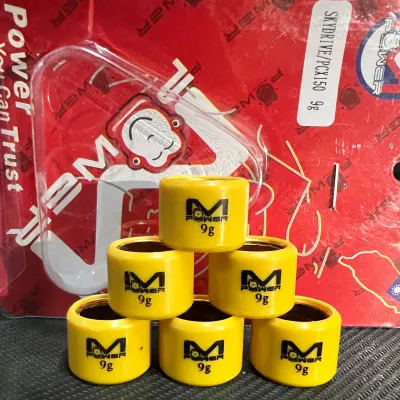
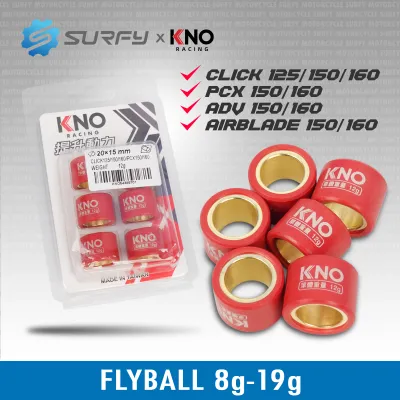
Prices are valid at publication and may change. Please refer to the product page for the latest price.
Understanding the Role of Flyballs in Your Click 125i CVT
The continuously variable transmission of your Honda Click 125i relies on centrifugal force to shift gears automatically. Inside the front pulley assembly, the variator houses a set of six flyballs that slide outward along engineered tracks as engine speed increases. This outward movement forces the movable drive face closer to the stationary face, squeezing the drive belt outward and effectively shifting the transmission into a higher gear ratio.
When you accelerate from a complete stop, the engine must rev high enough to fling these rollers outward, initiating the transition from a low gear ratio to a high gear ratio. If the flyballs are too heavy, they slide outward too quickly, forcing the transmission into a high gear before the engine has reached its optimal power band. Conversely, if they are too light, the engine will rev excessively high before the rollers can push the belt outward, leading to high fuel consumption and limited top-end speed.
The shape of the variator tracks and the angle of the ramp plate work in perfect harmony with the flyballs. As the rollers move, they push against the ramp plate, which is held in place on the crankshaft. This mechanical interaction must be incredibly smooth; any friction or resistance along the tracks will cause the transmission to hesitate or shift unpredictably, affecting your control over the vehicle.
Over thousands of kilometers of daily riding, the constant sliding motion against the variator walls causes physical wear. The most common issue is the development of flat spots on the outer circumference of the rollers. These flat spots prevent the flyballs from rolling smoothly up the ramp tracks, resulting in jerky acceleration, sudden drops in engine speed, or a noticeable loss of top speed.
Furthermore, worn flyballs place uneven stress on the drive belt and the variator slide pieces. When a roller fails to slide smoothly, the belt may slip or vibrate excessively, accelerating wear on the entire CVT assembly. Regular inspection of these components is essential to prevent unexpected belt snaps and to maintain the crisp, responsive throttle feel that the Honda Click 125i is known for.
Core Criteria for Evaluating Flyball Options
When shopping for replacement flyballs on an online marketplace or at a local motorcycle parts shop, you must look past flashy packaging and focus on measurable technical specifications. The first and most critical criterion is dimensional accuracy. The Honda Click 125i utilizes a specific size of roller weight, and even a fraction of a millimeter of deviation can cause the rollers to bind inside the variator tracks or slip out of alignment. Always verify that the product label explicitly states compatibility with the Click 125i dimensions before purchasing.

Weight calibration is the second key factor to evaluate. Flyballs are measured in grams, and manufacturers typically sell them in matched sets of six. The weight of each roller must be highly consistent; even a minor variance of half a gram between rollers in the same set can cause unbalanced centrifugal forces. This imbalance leads to uneven wear on the variator boss and can introduce unwanted vibrations into the drivetrain at high speeds.
Material composition plays a decisive role in how long the flyballs will last under the high-temperature conditions of a tropical climate. High-quality aftermarket options often feature outer shells made from advanced composite plastics, such as self-lubricating polyamides or carbon-fiber-reinforced materials. These materials are engineered to withstand the friction and heat generated inside the CVT case without melting, cracking, or developing flat spots prematurely.
The inner core of the flyball is equally important. Premium options utilize brass or copper cores that are securely bonded to the outer plastic sleeve. This secure bonding prevents the core from separating from the sleeve under high rotational speeds, which could otherwise cause the roller to disintegrate inside the variator and damage the entire transmission system.
Finally, pay close attention to product packaging and traceability. Reputable manufacturers package their flyballs with clear, printed specifications, including the exact weight in grams, dimensions, and batch numbers. Avoid unbranded or loosely packaged “generic” rollers, as they often lack quality control, leading to rapid wear and potential damage to your expensive variator assembly.
Matching Weight and Material to Your Riding Style
Choosing the right flyball weight is a balancing act that depends heavily on your daily riding habits and the terrain you encounter. Lighter flyballs require higher engine RPMs to slide outward, which keeps the transmission in a lower gear ratio for longer. This setup is highly beneficial for riders who frequently carry heavy pillion passengers, navigate steep uphill roads, or need quick, responsive acceleration to overtake safely in dense city traffic.
On the other hand, heavier flyballs slide outward at lower engine speeds, shifting the transmission into a higher gear ratio sooner. This configuration keeps the engine RPMs lower during cruising, which can improve fuel economy and reduce engine vibration during long, flat highway journeys. However, the trade-off is a slower initial response from a dead stop, as the engine takes longer to reach its peak power band.
Your physical weight and any cargo you regularly carry should also influence your decision. If you frequently load your scooter with delivery items or travel with a passenger, the engine requires more torque to move the extra mass. In such scenarios, slightly lighter flyballs can help keep the engine in its power band, preventing the sluggishness that often occurs when climbing flyovers or accelerating from traffic lights.
The material of the inner core also influences performance and durability. Most standard flyballs use a brass or copper inner core surrounded by a plastic sleeve. Copper cores are highly valued for their thermal conductivity, helping to dissipate heat away from the variator tracks. When evaluating aftermarket options, check if the manufacturer specifies the core material, as this affects how the roller behaves under sustained high-speed riding.
Before making a decision, consult the manufacturer’s official performance charts or seek advice from a certified mechanic who specializes in scooter transmissions. While online forums and social media groups offer plenty of anecdotal advice, every rider’s weight, riding style, and local terrain are different. Relying on structured manufacturer guidelines ensures you select a weight that enhances your ride without putting unnecessary strain on your engine.
Verifying Compatibility and OEM Specifications
To ensure a trouble-free installation, you must first establish a baseline by verifying the original equipment manufacturer specifications for your specific model year of the Honda Click 125i. The standard factory setup is engineered by Honda to provide an optimal balance of fuel efficiency, acceleration, and durability for the average rider. You can find these official specifications in your owner’s manual or by consulting an authorized Honda service center.
When looking at aftermarket flyballs, do not assume that a product labeled “universal for 125cc scooters” will fit your vehicle. The variator design of the Click 125i is distinct from other brands and even other Honda models. Using rollers that are too wide can cause them to jam, preventing the variator from opening fully, while rollers that are too narrow can flip sideways inside the tracks, causing catastrophic transmission failure.
Be cautious of counterfeit products, which are common in the motorcycle parts market. Genuine parts usually feature high-quality printing, holographic security seals, and precise molded edges on the rollers themselves. If the price of a product seems too good to be true, or if the packaging has spelling errors or blurry graphics, it is highly likely to be a counterfeit that could fail under load.
Always cross-reference the part numbers and dimensions listed on the aftermarket packaging with your scooter’s specific model code. If you are purchasing from an online marketplace, read the product description carefully and ask the seller to confirm the exact dimensions in millimeters. If there is any ambiguity or if the specifications on the packaging seem inconsistent, it is safest to defer to OEM parts or consult a professional mechanic.
If you decide to deviate from the stock weight to customize your performance, do so in small increments. Modifying the weight by more than two grams lighter or heavier than the stock specification can lead to extreme engine revving or severe sluggishness. Keeping your adjustments within a conservative range allows you to fine-tune your ride while keeping the engine and drive belt within their safe operating limits.
Installation Safety and Professional Servicing
Servicing the CVT system of your Honda Click 125i requires precision, cleanliness, and the correct tools. To access the flyballs, the outer CVT casing must be removed, and the variator nut must be loosened. This process requires a specialized variator holder tool or a pulley holder to prevent the assembly from spinning while you apply force. Using makeshift tools like screwdrivers or hammers to wedge the pulley can easily chip the aluminum faces or damage the crankshaft threads.
Before placing the new flyballs into the variator, the tracks must be thoroughly cleaned. Over time, belt dust and road grime accumulate inside the variator, which can restrict the movement of the rollers. Use a dedicated brake and parts cleaner to remove all debris, and dry the components completely with a clean, lint-free cloth. Unless specifically instructed by the flyball manufacturer, do not apply grease or oil to the rollers or the tracks, as this will attract dust and cause the rollers to stick.
One of the most critical steps in the installation process is tightening the variator nut to the exact torque specification defined by the manufacturer. A calibrated torque wrench is essential for this task. Under-tightening the nut can cause the variator assembly to come loose while riding, leading to sudden power loss, severe engine damage, or a locked rear wheel. Over-tightening, on the other hand, can strip the crankshaft threads, requiring an expensive engine teardown to repair.
Because of these high stakes, it is strongly recommended to have your new flyballs installed by a qualified motorcycle repair shop. A professional mechanic has the experience to inspect the rest of your CVT components—such as the drive belt, slide pieces, clutch lining, and torque drive—for wear at the same time. This comprehensive approach ensures that your new rollers perform optimally and do not wear out prematurely due to other failing parts.
After the installation is complete, perform a quick safety check before heading out onto main roads. Start the scooter on its center stand and listen closely to the CVT casing. The engine should idle smoothly without any unusual rattling, metallic clicking, or whistling noises. When you gently apply the throttle, the rear wheel should begin to spin smoothly and decelerate without binding when you release the grip.
Frequently Asked Questions (FAQ)
Can I mix different flyball weights in the variator? (FAQ)
No, you should never mix different flyball weights in a random or unbalanced configuration inside the variator. While some professional tuners use a staggered setup (such as alternating three lighter and three heavier rollers), this must be done with extreme precision to maintain perfect rotational balance. For daily commuting, it is highly recommended to use a matched set of six identical rollers. Mixing weights incorrectly causes uneven centrifugal force, which leads to variator wobble, rapid wear of the slide pieces, and premature belt failure.
How often should I inspect or replace the flyballs? (FAQ)
You should inspect your flyballs during every routine CVT cleaning and maintenance service, which is typically recommended every 8,000 to 10,000 kilometers. However, if you ride frequently in dusty, wet, or highly congested stop-and-go conditions, more frequent inspections may be necessary. Common warning signs that your flyballs need immediate replacement include sluggish acceleration, sudden drops in engine RPM while climbing hills, or a noticeable reduction in your scooter’s top speed.
Will changing the flyball weight void my motorcycle warranty? (FAQ)
Yes, installing non-OEM or aftermarket flyballs can potentially void the powertrain warranty of your Honda Click 125i. Authorized dealers generally require original factory parts to maintain warranty coverage on the engine and transmission components. If your scooter is still under its official warranty period, it is best to use genuine Honda replacement parts and have all servicing performed at an authorized Honda dealer to ensure your coverage remains fully intact.
Community discussion
Share your experience or ask a question. Comments are reviewed before publication.