
Choosing a reliable GPS tracker for your car in the Philippines is a practical step toward protecting your automotive investment. With high vehicle density in urban centers like Metro Manila, Metro Cebu, and Metro Davao, along with the constant threat of vehicle theft, having a dependable way to monitor your car’s location provides invaluable peace of mind. However, navigating the wide array of devices available on local ecommerce platforms can be overwhelming if you do not know what technical specifications to look for.
To find the right device, you must balance your primary tracking goals—such as anti-theft security, family safety, or commercial fleet management—with the device’s power source, local network compatibility, and installation requirements. The tropical climate in the Philippines also introduces unique environmental challenges, such as high humidity and intense cabin heat when parked under the sun, which means build quality and thermal resistance are critical factors. By understanding these core elements, you can make an informed purchase that keeps your vehicle secure without compromising its electrical system.
Identify Your Primary Tracking Purpose
Before browsing online marketplaces, clarify your primary reason for installing a GPS tracker. If your main goal is theft recovery and asset protection, your priority should be covert installation and active security features. You will want a device that can be hidden deep within the vehicle’s chassis or dashboard, making it difficult for a thief to locate and disable quickly. Look for trackers that offer real-time movement alerts, geofencing capabilities that notify you the moment the car leaves a designated area, and engine immobilization features that allow you to cut fuel or starter power remotely via a mobile app.
Products mentioned in this guide
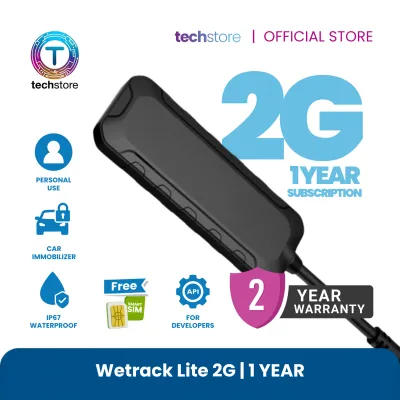
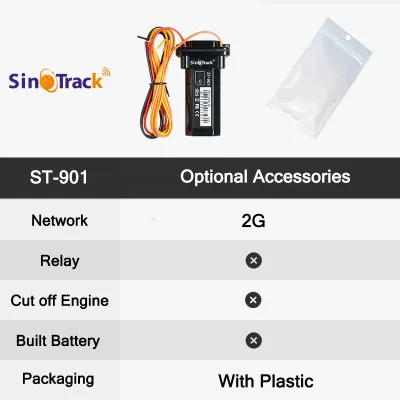
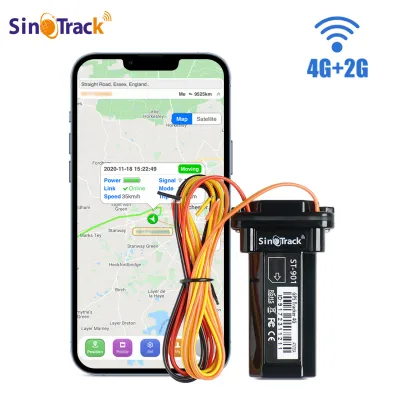
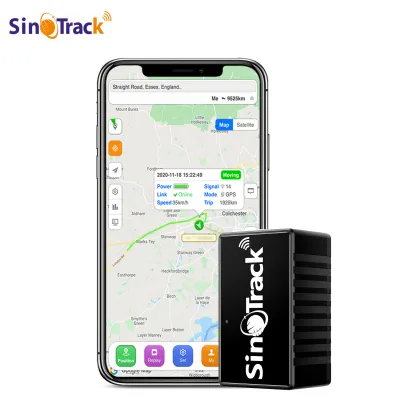
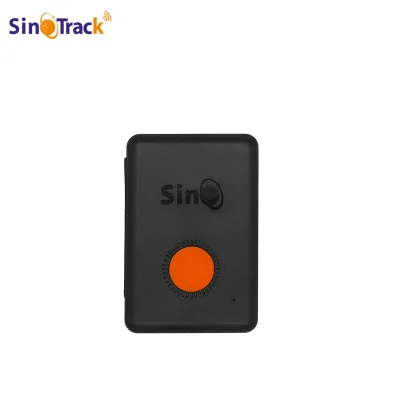
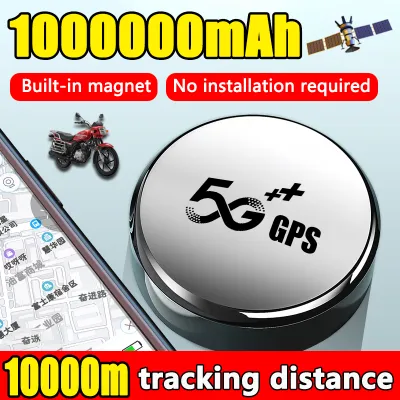
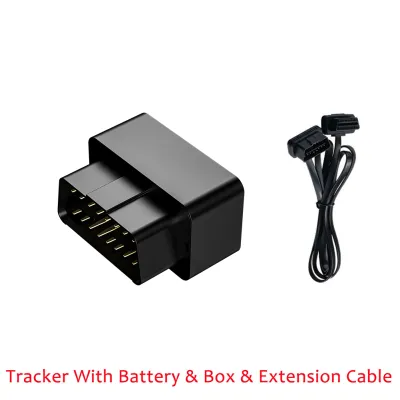
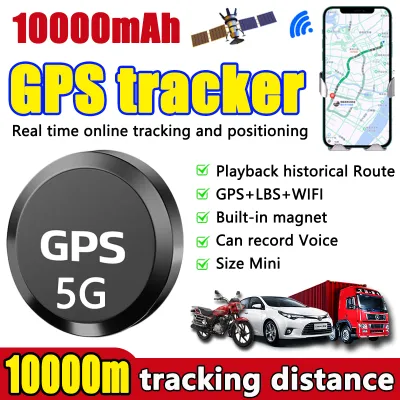
Prices are valid at publication and may change. Please refer to the product page for the latest price.
For daily driving monitoring and family safety, the focus shifts from extreme concealment to ease of use and detailed driving analytics. If you share a vehicle with family members, employ a personal driver, or want to keep tabs on a teenage driver, a tracker that monitors driving behavior is highly beneficial. These devices can send instant push notifications for over-speeding, harsh braking, or sudden acceleration. They also maintain a detailed route history, allowing you to verify travel times, routes taken, and idle periods throughout the day.
Commercial fleet management requires a highly scalable and robust tracking solution. Businesses operating delivery vans, transport services, or utility vehicles in the Philippines need a centralized dashboard to monitor multiple vehicles simultaneously. In this scenario, individual mobile alerts are less important than comprehensive data reporting. Look for fleet-oriented tracking systems that offer multi-vehicle map overlays, driver behavior scoring, fuel consumption estimates based on idling times, and automated maintenance reminders based on actual mileage accumulated.
Compare GPS Tracker Types and Power Sources
GPS trackers are generally categorized by how they receive power and how they are installed in your vehicle. Understanding these distinctions helps you choose a hardware form factor that matches your technical comfort level and security requirements.

OBD-II port trackers offer plug-and-play convenience by connecting directly to your vehicle’s On-Board Diagnostics port, which is typically located under the driver-side dashboard. These devices draw power directly from the vehicle’s electrical system, meaning you never have to worry about recharging an internal battery. They are incredibly easy to install and can be moved between different vehicles in seconds. However, because the OBD-II port is easily accessible, these trackers are highly visible and can be quickly unplugged by an unauthorized driver or a thief, making them less ideal for dedicated anti-theft protection.
Hardwired trackers are permanently spliced into your vehicle’s electrical wiring, usually hidden behind the dashboard, glove box, or engine bay. Because they are wired directly to a constant 12V power source, they remain active at all times and are virtually invisible to passengers or thieves. This makes them the gold standard for theft recovery. The primary drawback is the complexity of the installation, which requires identifying the correct wires for constant power, ignition, and ground. Improper installation can lead to electrical issues or void your vehicle’s warranty.
Battery-powered and portable trackers rely entirely on internal rechargeable batteries, requiring no physical connection to your car’s electrical system. This independence allows you to place the tracker anywhere inside the cabin, glove compartment, or even magnetically attached to the vehicle’s undercarriage if the device features a weatherproof housing. They are highly versatile and completely immune to vehicle electrical system changes. However, they require regular manual recharging, and to conserve battery life, they often use lower location update frequencies, which can limit their effectiveness during an active vehicle recovery situation.
| Tracker Type | Power Source | Installation Difficulty | Best Use Case | Primary Limitations |
|---|---|---|---|---|
| OBD-II Port | Vehicle OBD-II Port | Very Easy (Plug-and-Play) | Family monitoring, temporary tracking | Highly visible, easily unplugged |
| Hardwired | Vehicle 12V Electrical System | Moderate to High (Requires splicing) | Dedicated anti-theft, fleet management | Complex installation, potential warranty impact |
| Battery-Powered | Internal Rechargeable Battery | Very Easy (No wiring) | Asset tracking, versatile placement | Requires regular recharging, slower update intervals |
Essential Features and Network Requirements
To ensure your GPS tracker operates reliably across the Philippines, you must evaluate its network compatibility and ongoing operational costs. GPS trackers rely on cellular networks to transmit location data from the vehicle to your smartphone or computer. Many budget-friendly trackers sold online still rely on older 2G cellular bands. However, local telecommunications providers are gradually phasing out 2G infrastructure to reallocate spectrum to 4G LTE and 5G networks. Purchasing a 2G-only tracker carries a high risk of connectivity loss; always verify that the device supports local 4G LTE bands to ensure long-term reliability.
Additionally, pay close attention to the SIM card requirements. Some trackers come with a proprietary, built-in SIM card that locks you into the manufacturer’s specific data subscription plan. Other devices feature an open SIM slot, allowing you to insert a local prepaid SIM card from providers like Globe, Smart, or DITO. An open SIM slot gives you the flexibility to choose the network with the strongest coverage in your specific region and manage your data costs using affordable prepaid load promotions, which typically cost between ₱50 and ₱150 per month.
Another critical trade-off is the relationship between update frequency and battery consumption. Real-time tracking that updates every 5 to 10 seconds provides highly accurate live routing, but it consumes more cellular data and places a continuous draw on the power source. For hardwired or OBD-II devices, this can contribute to parasitic battery drain when the vehicle is parked for long periods. For portable battery-powered trackers, high-frequency updates will deplete the battery within a few days. Look for devices that offer customizable update intervals or smart motion-sensing modes that only transmit data when the vehicle is actively moving.
Finally, analyze the total cost of ownership before making a purchase. A low upfront hardware price can sometimes mask high ongoing subscription fees. Some tracking platforms charge monthly or annual software access fees ranging from ₱200 to ₱600 to keep the companion mobile app active. Always read the product documentation carefully to determine if the tracking application requires a paid subscription, or if the manufacturer provides lifetime access to their platform for free, leaving you only responsible for the cost of your local SIM card’s data usage.
Installation Safety and Vehicle Compatibility Checks
Installing a GPS tracker requires careful attention to your vehicle’s specific electrical architecture to avoid costly damage. Before purchasing any device, verify your vehicle’s model, year, interface specifications, and mounting positions using the official vehicle documentation. Never assume a tracker is compatible with your car simply because it is labeled as a universal automotive accessory.
If you choose a hardwired tracker, you must prioritize electrical safety. Modern vehicles utilize complex Controller Area Network (CAN bus) systems to allow various electronic control units to communicate. Splicing into the wrong wire can disrupt these sensitive communication signals, trigger dashboard warning lights, or cause severe parasitic battery drain that leaves you stranded. Furthermore, unauthorized modifications to your vehicle’s wiring harness can void your manufacturer’s warranty. Always refer to your vehicle’s original wiring diagrams and instructions before attempting any electrical work.
For OBD-II trackers, physical spatial constraints must be checked beforehand. The OBD-II port is typically located near the steering column or driver’s footwell. A bulky tracker plugged directly into this port can interfere with driver legroom, block access to the pedals, or prevent dashboard trim panels from closing properly. If you find that an OBD-II tracker obstructs your driving space, do not force it into place. Instead, use a high-quality OBD-II extension cable to relocate the tracker to a safe, hidden spot behind the dashboard panels where it will not compromise driver safety.
Knowing when to halt a do-it-yourself (DIY) installation is crucial for your safety and your vehicle’s integrity. If your vehicle is a hybrid or an electric vehicle (EV), do not attempt to splice into any wiring. Hybrid and EV systems utilize high-voltage electrical lines that pose severe, life-threatening shock hazards and require specialized tools and training to handle. If you encounter a complex wiring harness, lack clear manufacturer-provided wiring diagrams, or feel unsure about identifying the constant power, ignition, and ground wires, stop immediately. Consult a qualified automotive electrician or a professional car accessories installer to complete the installation safely and correctly.
Frequently Asked Questions (FAQ)
Do GPS trackers drain the car battery?
Yes, all hardwired and OBD-II GPS trackers draw power from your car’s battery to remain active and connected to the cellular network. Under normal driving conditions, this power draw is negligible because the vehicle’s alternator recharges the battery whenever the engine is running. However, if the vehicle is left parked and unused for several consecutive days or weeks, a tracker can slowly deplete the battery. To prevent parasitic drain, look for trackers equipped with low-power sleep modes that activate when the vehicle is stationary, or devices with built-in voltage cut-off protection that automatically shut down the tracker if the car battery drops below a safe threshold, typically around 11.5V to 12V.
Can I use a GPS tracker without a monthly subscription fee?
Yes, you can use a GPS tracker without paying a monthly subscription fee to the manufacturer, but you must still cover the cost of cellular data transmission. Subscription-free trackers typically require you to supply your own local prepaid SIM card, meaning you only pay your local telecommunications provider for the actual data or SMS messages the tracker uses to send location updates. Do not confuse true GPS trackers with Bluetooth-based item trackers; Bluetooth trackers do not require subscriptions or SIM cards, but they have a very limited range and rely entirely on nearby smartphones to update their location, making them ineffective for real-time vehicle tracking in remote or low-traffic areas.
Community discussion
Share your experience or ask a question. Comments are reviewed before publication.