
Choosing the right stickers for your helmet depends on balancing your daily riding conditions, safety requirements, and personal style. While some riders use decals purely for self-expression, others rely on specialized materials to improve visibility during dark commutes or to display critical medical information. Selecting the wrong adhesive or material can damage your helmet’s protective shell or fail prematurely under harsh tropical weather.
In the Philippines, where riders face intense sun, sudden downpours, and congested roads, a helmet sticker is more than a simple accessory. It must withstand high humidity and extreme heat without peeling or degrading the helmet’s outer shell. By understanding the distinct categories of stickers—ranging from retroreflective safety films to custom vinyl decals—you can make an informed choice that enhances your safety and personalizes your gear without compromising structural integrity.
Identify Your Primary Riding Purpose
Before browsing online marketplaces or local motorcycle shops, you must evaluate when and where you ride most often. A daily commuter navigating the congested streets of Metro Manila at dusk has vastly different needs than a weekend touring enthusiast or a track-day rider. Your primary riding schedule dictates whether you should prioritize high-visibility safety features or focus on personal aesthetics.
Products mentioned in this guide

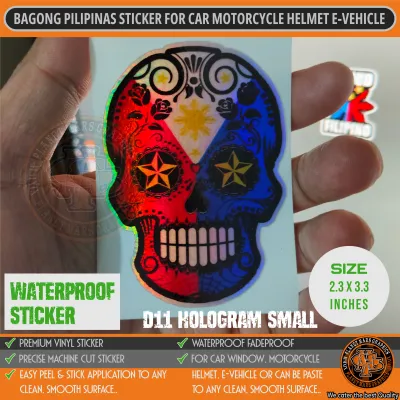

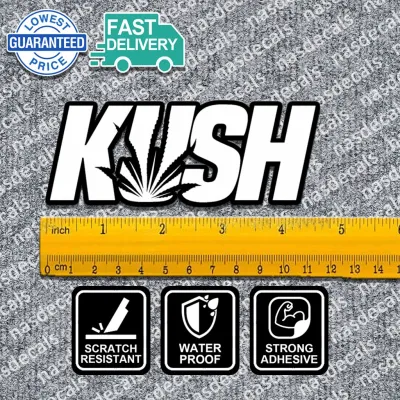
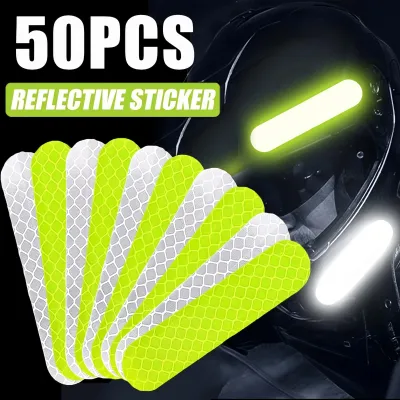
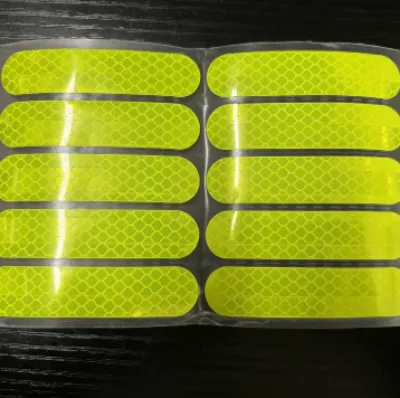
Prices are valid at publication and may change. Please refer to the product page for the latest price.
Night riding and long-distance touring demand a heavy focus on visibility. If your commute extends past sunset or takes you through poorly lit provincial roads, functional safety stickers should be your top priority. Heavy rain during the monsoon season further reduces visibility for surrounding motorists, making reflective elements on your gear a practical necessity rather than an optional upgrade.
Conversely, if you primarily ride during clear daylight hours or participate in organized club events, your focus might lean toward personalization. Custom name decals, club logos, or decorative graphic overlays allow you to stand out and identify your gear easily. However, even purely aesthetic choices must be balanced with the physical demands of the local climate, as intense UV exposure can quickly fade low-quality prints.
Distinguishing between these functional requirements and aesthetic preferences prevents you from cluttering your helmet with ineffective decals. A well-planned layout combines safety-marking elements with personal touches, ensuring that every sticker serves a clear purpose. By identifying your main riding challenges first, you can narrow down the material specifications and adhesive types required for your specific journey.
Reflective Stickers: Enhancing Night Visibility
Reflective stickers are among the most effective passive safety upgrades you can add to your motorcycle gear. These decals utilize retroreflective technology, which contains microscopic glass beads or prismatic structures. When light from a trailing or crossing vehicle’s headlights strikes the sticker, the material reflects the light directly back toward the source, making you highly visible to other drivers from a significant distance.

This retroreflective effect is particularly crucial at intersections and during lane changes, where motorcycles are often difficult to spot. Unlike standard glossy stickers that merely scatter light, high-quality reflective films concentrate the returned light beam. This creates a bright, glowing shape that immediately alerts motorists to your presence, even in heavy downpours or misty mountain passes.
To maximize the effectiveness of these stickers, strategic placement on your helmet is essential. The rear and sides of the helmet shell are the most critical areas, as they align directly with the line of sight of drivers behind and alongside you. Applying a curved reflective strip along the lower rim of the helmet or positioning distinct shapes on the left and right sides ensures 360-degree coverage without obstructing your visor or ventilation ports.
However, it is important to understand the physical limitations of retroreflective materials. These stickers do not emit their own light; they require an external light source, such as headlights or streetlamps, to function. In completely unlit rural areas with no oncoming traffic, a reflective sticker will remain dark, meaning they must complement, rather than replace, your motorcycle’s active lighting system.
Before purchasing and applying reflective decals, you should also verify local traffic regulations and transport guidelines. Some jurisdictions have specific rules regarding the color, size, and placement of reflective materials on safety helmets to prevent confusion with emergency vehicles. Generally, white, silver, or yellow reflective elements are widely accepted for civilian use, but checking current local ordinances ensures your modifications remain fully road-legal.
Decorative and Custom Stickers: Personalizing Your Gear
For many riders, a helmet is a canvas for personal expression, and decorative stickers offer an affordable way to customize your gear. Vinyl decals are the most popular choice for this purpose, offering clean cutouts of logos, abstract patterns, or personal mottos. These decals are typically thin, highly flexible, and conform well to the complex, curved surfaces of modern helmet shells.
Custom name prints and flag decals are also highly sought after, especially by riders who participate in group rides, track days, or local motovlogs. These custom options allow you to display your name, blood type, or social media handle in various fonts and colors. Graphic overlays, which cover larger sections of the helmet, can completely transform a plain, solid-colored helmet into a dynamic, multi-colored design.
While personalization is appealing, you must exercise caution regarding the thickness and adhesive composition of decorative stickers. Thick, rigid stickers or heavy-duty industrial labels can mask underlying structural damage, such as hairline cracks or stress fractures in the helmet shell. During a post-incident inspection or routine safety check, these hidden defects could go unnoticed, compromising your safety.
Furthermore, some aftermarket stickers utilize harsh, solvent-based adhesives that can chemically react with the helmet’s outer shell. This is particularly true for polycarbonate or thermoplastic helmets, where aggressive solvents can weaken the plastic structure over time. To protect your investment and maintain your safety, look for stickers specifically labeled as helmet-safe or those using mild, acrylic-based adhesives.
The intense tropical sun in the Philippines presents another challenge for decorative decals, as prolonged exposure to ultraviolet (UV) rays can cause cheap inks to fade, crack, or peel within months. When selecting custom prints, verify that the manufacturer uses UV-resistant inks and applies a protective laminate layer. A high-quality matte or glossy laminate not only preserves the vibrant colors but also shields the design from minor scratches and road debris.
Safety and Emergency Information Stickers
Safety and emergency information stickers are functional decals designed to communicate vital medical data when you cannot speak for yourself. Commonly referred to as ICE (In Case of Emergency) stickers, these small decals typically display your full name, blood type, known allergies, and emergency contact numbers. For long-distance touring riders and track enthusiasts, carrying this information directly on the helmet is a highly recommended safety practice.
In the event of an accident, first responders and medical personnel must make rapid decisions. Having your blood type clearly visible on your helmet can save precious minutes during emergency triage. Similarly, listing critical medical conditions or drug allergies prevents first responders from administering treatments that could cause adverse reactions, providing peace of mind for both you and your family.
Because these stickers carry critical information, they must be exceptionally durable to remain legible under harsh conditions. Look for waterproof, weather-resistant materials that will not smudge or run when exposed to heavy rain, sweat, or routine helmet cleaning solutions. High-quality vinyl printed with permanent, non-bleeding inks ensures that your emergency details remain perfectly readable even after years of daily use.
Strategic placement of emergency stickers is vital for their effectiveness. First responders are trained to look for medical information in highly visible, standardized locations. The lower rear portion of the helmet, just above the neck roll, or the lower left side are the most common and effective areas. Avoid placing these stickers near busy decorative graphics, as they need to stand out clearly to be noticed during an emergency.
Key Material and Adhesive Features to Check
When shopping for stickers for helmet use, you must look beyond the visual design and carefully evaluate the technical specifications of the material and adhesive. The most critical factor is chemical compatibility with your helmet’s shell material. Polycarbonate and ABS plastic shells are highly sensitive to chemical solvents, whereas fiberglass, carbon fiber, and composite shells offer slightly higher chemical resistance but can still be degraded by aggressive glues.
To prevent structural degradation, always verify that the sticker’s adhesive is explicitly labeled as safe for helmet use or classified as a solvent-free, water-based, or mild acrylic adhesive. If a product description does not specify the adhesive type, contact the manufacturer or opt for a trusted brand that specializes in motorcycle-specific decals. Protecting the integrity of your helmet’s impact-absorbing shell must always take precedence over aesthetic customization.
Given the local climate, weatherproof and waterproof ratings are non-negotiable features. High relative humidity, intense solar heat, and sudden tropical downpours will quickly degrade standard paper stickers or low-grade vinyl. Look for marine-grade vinyl or high-performance cast vinyl films, which are engineered to resist water penetration, UV degradation, and temperature fluctuations without curling at the edges.
Sticker thickness and edge profile also play a subtle but important role in your riding experience. Very thick stickers or those with sharp, raised edges can catch on your riding jacket collar, backpack straps, or helmet bag, leading to premature peeling. Additionally, at highway speeds, raised edges can disrupt the smooth airflow over the helmet, potentially creating minor aerodynamic drag or whistling noises inside the cabin.
To avoid these issues, choose thin, high-conformability vinyl films that lay completely flat against the helmet’s contours. Rounded corners on custom designs are also highly recommended, as they distribute mechanical stress more evenly than sharp points, making the sticker far less likely to lift over time. Taking the time to check these material features ensures your decals remain secure, durable, and safe.
Quick Comparison of Helmet Sticker Types
To help you quickly identify the best option for your daily rides, the table below summarizes the key characteristics of the primary helmet sticker categories. Matching your typical riding environment with the correct material ensures you get the maximum benefit from your purchase.
| Sticker Type | Primary Use Case | Best Riding Condition | Material Requirement | Key Limitation |
|---|---|---|---|---|
| Reflective | Night visibility and safety | Low-light, night, or rainy commutes | Retroreflective prismatic or glass-bead film | Requires external light source to reflect |
| Decorative | Personal styling and aesthetics | Daytime riding and social events | UV-resistant laminated cast vinyl | Thick designs can hide shell damage |
| Custom Name | Rider identification and branding | Group rides and track events | High-conformability thin vinyl | Can peel if edges catch on gear |
| Safety-Marking | Emergency medical information | Long-distance touring and track days | Waterproof, non-bleeding permanent print | Must be placed in standard, visible areas |
By combining these types strategically—such as placing a reflective strip on the rear, an emergency ICE decal on the side, and a custom name print on the front—you can create a balanced setup that covers all your safety and personal needs.
Frequently Asked Questions (FAQ)
Will applying stickers void my helmet warranty?
Yes, applying aftermarket stickers can potentially void your helmet’s manufacturer warranty, particularly if the helmet is made of polycarbonate or thermoplastic materials. Many manufacturers explicitly state in their user manuals that the use of unauthorized adhesives, paints, or solvents is prohibited. This is because the chemical solvents present in some adhesives can penetrate the outer shell, altering its molecular structure and reducing its ability to absorb impacts effectively.
To protect your warranty and ensure your safety, always consult your helmet’s official care manual before applying any decals. If you choose to customize your helmet, look for stickers that are certified as solvent-free or specifically designated by the manufacturer as safe for use on safety gear. For composite, fiberglass, or carbon fiber helmets, the risk is generally lower, but verifying the manufacturer’s specific warranty terms remains the safest course of action.
How do I safely remove old stickers without damaging the helmet?
To safely remove old stickers from your helmet, you must avoid using sharp metal tools, abrasive pads, or harsh chemical solvents like acetone and gasoline. These aggressive methods can easily scratch the protective outer paint, melt plastic shells, or degrade the underlying impact-absorbing materials. Instead, start by applying mild heat from a hair dryer set to a low temperature to soften the sticker’s adhesive, making it easier to peel back gently with your fingernail.
Once the sticker is removed, any remaining sticky residue can be cleaned using safe, non-aggressive methods. Apply a small amount of mild dish soap mixed with warm water, or use a specialized, water-based adhesive remover that is explicitly labeled as safe for plastics and painted surfaces. Gently rub the area with a soft microfiber cloth in a circular motion, then rinse with clean water and dry thoroughly to restore your helmet’s clean surface.
Community discussion
Share your experience or ask a question. Comments are reviewed before publication.