
Finding the correct automatic transmission fluid (ATF) for your Isuzu vehicle in the Philippines is essential for protecting your gearbox against the country’s demanding driving conditions. To ensure optimal performance and longevity, the primary recommendation is to purchase genuine Isuzu ATF WSI (World Standard Isuzu) fluid directly from authorized dealerships. If you choose to explore aftermarket alternatives, you must select high-quality fluids from reputable lubricant manufacturers that explicitly state compliance with the Isuzu ATF WSI specification on their product labels. Never rely on generic multi-vehicle fluids that lack this specific certification, as using the wrong formulation can lead to severe transmission slippage, overheating, and costly mechanical failures.
Understanding Isuzu ATF WSI Specifications and Requirements
Automatic transmission fluid serves multiple critical roles within your vehicle’s gearbox. It acts as a hydraulic fluid to facilitate gear shifts, a coolant to dissipate intense heat, and a lubricant to protect moving metal parts from friction and wear. Isuzu ATF WSI is a highly specialized, low-viscosity fluid engineered specifically for modern Isuzu automatic transmissions, such as those found in the popular D-Max pickup and Mu-X SUV.
The low-viscosity formulation of ATF WSI is designed to reduce internal fluid drag, which helps improve fuel efficiency and ensures rapid, smooth gear transitions. However, because it is thinner than older transmission fluid types, it requires a precise balance of friction modifiers and anti-wear additives to protect the gears and clutches under heavy loads.
Products mentioned in this guide
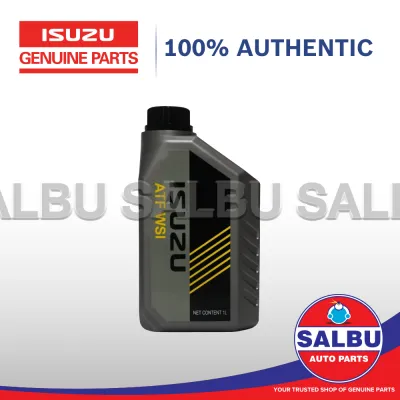
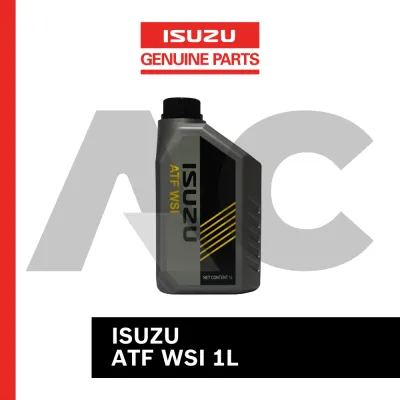
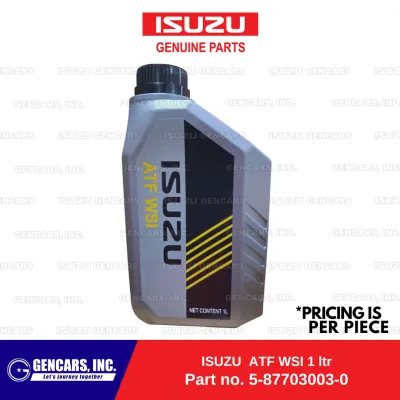
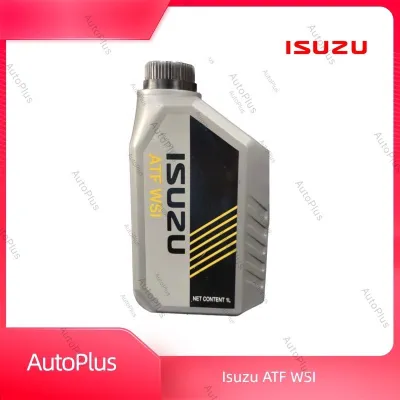
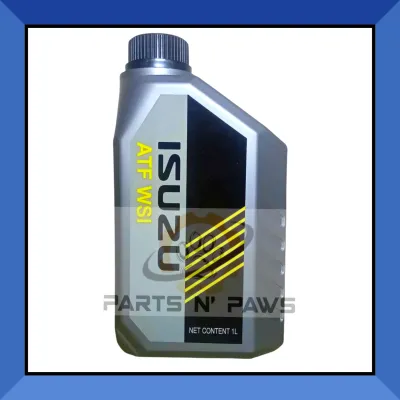
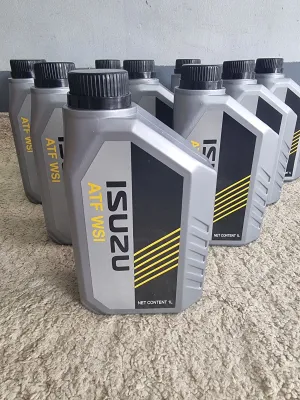
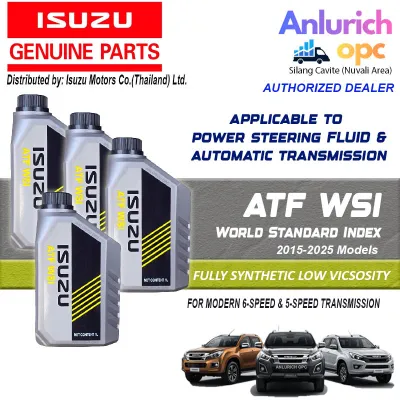
Prices are valid at publication and may change. Please refer to the product page for the latest price.
Operating a vehicle in the Philippines presents unique challenges for automatic transmissions. The combination of high ambient temperatures, high humidity, and prolonged stop-and-go traffic in urban areas places immense thermal stress on the transmission fluid. Under these conditions, inferior or incorrect fluids can degrade rapidly, leading to oxidation, varnish deposits, and a loss of lubricating properties.
To safeguard your transmission, you must always cross-reference the exact fluid specification and capacity listed in your vehicle’s owner’s manual. The manual is the ultimate authority for your specific model year and engine configuration, detailing not only the required fluid type but also the precise volume needed for a standard service.
Using non-compliant transmission fluids carries severe risks. If the fluid’s friction characteristics do not match the requirements of your Isuzu’s clutch packs, you may experience slipping gears, delayed engagement, or harsh shifting. Over time, this mismatch causes excessive heat buildup, accelerated component wear, and can ultimately lead to complete transmission failure, while also voiding any active manufacturer warranties.
Evaluating OEM vs. Aftermarket Transmission Fluid Brands
When purchasing transmission fluid, vehicle owners in the Philippines generally choose between Original Equipment Manufacturer (OEM) fluids and aftermarket alternatives. Understanding the distinctions between these options is crucial for making an informed decision that protects your vehicle’s drivetrain.

OEM Isuzu ATF WSI is the fluid formulated, tested, and approved directly by the vehicle manufacturer. The primary benefit of choosing OEM fluid is the guarantee of absolute compatibility. Because it is blended to meet the exact engineering standards of your Isuzu’s transmission, you can be confident that it contains the precise additive package required to protect internal components and maintain factory-standard shifting performance. Furthermore, using OEM fluid during the warranty period eliminates any risk of warranty claims being denied due to fluid incompatibility.
Sourcing OEM fluid is best done through authorized Isuzu dealerships and service centers. While it may carry a premium price compared to some aftermarket options, the investment provides peace of mind and ensures your vehicle remains compliant with manufacturer guidelines.
If you decide to evaluate aftermarket transmission fluids, you must establish strict criteria to ensure the product is safe for your vehicle. First and foremost, look for established, globally recognized lubricant manufacturers with a proven history of producing high-quality automotive fluids.
The most critical step when evaluating an aftermarket fluid is to inspect the product label for explicit compliance. The label must clearly state that the fluid meets or exceeds the “Isuzu ATF WSI” or “Isuzu WSI” specification. Do not rely on vague marketing claims or verbal assurances from retail staff; the certification must be printed directly on the container.
We strongly warn against using generic or “multi-vehicle” automatic transmission fluids that do not explicitly list Isuzu ATF WSI compatibility on their labels. Many of these universal fluids are formulated as a compromise to cover a wide range of older and newer transmission types. Consequently, they may have a higher viscosity or a different friction profile than what your modern Isuzu transmission requires, which can lead to poor shifting quality and accelerated internal wear.
Where to Buy Authentic Isuzu ATF WSI in the Philippines
Acquiring authentic transmission fluid in the local market requires caution, as counterfeit automotive products can cause catastrophic damage to your vehicle’s drivetrain. Knowing where to buy and how to verify the product’s authenticity is essential for every Isuzu owner in the Philippines.
Authorized Isuzu dealerships and official service centers remain the safest and most reliable purchasing routes. When you buy fluid directly from an authorized dealer, you eliminate the risk of purchasing counterfeit or sub-standard products. Additionally, the dealership’s service advisors can help you confirm the exact quantity of fluid required for your specific vehicle model and year.
If you choose to purchase from independent retailers, focus on established automotive supply stores with a strong reputation in the local community. In major commercial areas, look for long-standing shops that specialize in Japanese vehicle parts, as they are more likely to source their inventory from authorized distributors.
When shopping on major online marketplaces or established ecommerce platforms, exercise extreme caution. Only purchase from official brand flagship stores or highly rated, verified automotive distributors. Avoid buying from unknown third-party sellers who offer transmission fluids at prices significantly lower than the market average, as exceptionally low prices are often a primary indicator of counterfeit goods.
To protect your vehicle, always perform a physical inspection of the fluid container before use. Use this practical checklist to identify potential counterfeit products:
First, inspect the packaging quality. Authentic Isuzu fluid bottles feature high-quality plastic construction with clean, well-defined edges. The labels should be printed with sharp, high-resolution text and graphics, with no spelling errors, smudged ink, or misaligned labels.
Second, verify the security seals. Ensure that the cap’s tamper-evident plastic ring is completely intact and has not been broken or separated. When you open the cap, the inner foil seal should be firmly and cleanly bonded to the lip of the bottle neck, with no signs of peeling or adhesive residue.
Third, check the batch numbers and production dates. Genuine manufacturers print or laser-etch unique batch codes and manufacturing dates directly onto the bottle, usually near the bottom or on the shoulder. If these markings are missing, smudged, or easily wiped off with a finger, the product should be treated as highly suspicious and should not be poured into your transmission.
Step-by-Step Guide to Checking and Replacing Your Transmission Fluid
Maintaining the correct level and condition of your transmission fluid is vital for the smooth operation of your Isuzu. However, servicing modern automatic transmissions requires a clear understanding of the safety boundaries and technical complexities involved.
For Isuzu models equipped with a transmission dipstick, you can check the fluid level and condition periodically. Park the vehicle on a level surface, engage the parking brake, and allow the engine to idle at normal operating temperature. Pull the dipstick out, wipe it clean with a lint-free cloth, reinsert it fully, and pull it out again to read the level.
While checking the level, closely observe the fluid’s color and odor. Fresh Isuzu ATF WSI is typically a clear, bright red fluid. If the fluid appears dark brown or black, or if it emits a distinct burnt odor, it has degraded and lost its protective qualities. If you observe metal particles or a milky appearance (which indicates coolant contamination), seek professional mechanical assistance immediately. Note that many modern Isuzu automatic transmissions are sealed systems that do not feature a traditional dipstick; these systems require specialized procedures to check the fluid level via an overflow plug.
Draining and replacing transmission fluid is a complex procedure that goes beyond a simple oil change. Modern automatic transmissions are highly sensitive to fluid volume; even a slight underfill or overfill can cause fluid foaming, shifting hesitation, or oil starvation. Furthermore, replacing the fluid often requires precise temperature monitoring—as the fluid expands when warm—and specialized equipment to ensure the system is properly filled and bled of any trapped air.
Because of these technical complexities and the high risk of damaging sensitive internal components, we strongly recommend having the fluid replacement performed by a qualified technician at an authorized service center. A professional service ensures that the correct procedures are followed, the old fluid is safely disposed of, and the transmission’s electronic control unit is properly calibrated if required.
Before initiating any service, always verify the specific maintenance schedule and procedural requirements for your exact vehicle year and model. Operating conditions in the Philippines—such as navigating flooded streets during the monsoon season, towing heavy loads, or driving frequently in congested urban traffic—are classified as severe driving conditions. These conditions typically require more frequent transmission fluid inspections and replacements than standard driving schedules.
Frequently Asked Questions (FAQ)
Can I mix Isuzu ATF WSI with other types of transmission fluids?
No, you should never mix Isuzu ATF WSI with other types of transmission fluids. Mixing different fluid specifications can cause chemical conflicts between the varying additive packages, leading to a breakdown of the fluid’s lubricating properties. This chemical incompatibility can result in the formation of harmful sludge, accelerated wear on internal clutches, and eventual transmission failure. If you suspect that the wrong fluid has been added to your transmission, or if you are transitioning from an unknown fluid to a fully compliant WSI fluid, you should have a qualified technician perform a complete system flush to safely remove all old fluid before refilling.
How often should I change the Isuzu ATF WSI fluid?
The recommended interval for changing your transmission fluid depends heavily on your specific Isuzu model, its age, and your typical driving habits. Because driving in the Philippines frequently involves high ambient temperatures, heavy traffic congestion, and dusty environments, most vehicles operate under what manufacturers classify as severe driving conditions. Under these severe conditions, transmission fluid degrades more rapidly and must be replaced more frequently than under normal driving schedules. To determine the precise interval for your vehicle, always consult the maintenance schedule in your owner’s manual rather than relying on generalized mileage estimates.
What happens if I use the wrong transmission fluid in my Isuzu?
Using an incorrect transmission fluid can lead to immediate and severe operational problems. You may observe symptoms such as harsh or delayed gear shifts, transmission overheating, slipping gears where the engine revs but the vehicle does not accelerate properly, or unusual whining and clunking noises from the gearbox. If you experience any of these symptoms after a transmission fluid service, you should stop operating the vehicle immediately. Continuing to drive with the wrong fluid can cause permanent, catastrophic damage to the transmission’s internal components. Have the vehicle towed to a professional mechanic or an authorized service center to have the system inspected, drained, and refilled with the correct Isuzu ATF WSI fluid.

Community discussion
Share your experience or ask a question. Comments are reviewed before publication.