
Finding the right engine oil for your vehicle is not as simple as picking the most expensive bottle on the shelf. To determine which Liqui Moly engine oil is correct for your specific car, you must match the oil’s specifications directly to your vehicle manufacturer’s requirements. Operating a vehicle in tropical climates like the Philippines—where high ambient temperatures, intense humidity, and heavy stop-and-go traffic are daily realities—places significant thermal stress on your engine. Selecting an oil that aligns perfectly with your engine’s design ensures optimal lubrication, protects sensitive emissions components, and maintains your vehicle’s warranty.
While Liqui Moly offers a diverse range of high-quality lubricants, each product family is engineered for distinct engine technologies and regional manufacturer standards. Navigating these options requires a systematic approach that starts with your vehicle’s documentation rather than the marketing claims on the front of the bottle. By understanding how to read oil labels and cross-reference them with your owner’s manual, you can confidently select the exact formulation your engine needs to perform reliably over its service life.
Identify Your Engine’s Required Oil Specifications
Before you begin browsing different oil bottles at your local auto supply shop, you must locate your vehicle’s owner’s manual. This document is the ultimate authority on your engine’s lubrication needs, detailing the precise viscosity grades and manufacturer approval codes required. Viscosity, represented by numbers such as 0W-20, 5W-30, or 10W-40, indicates how easily the oil flows at low and high temperatures. However, matching the viscosity is only the first step; your engine also requires specific chemical properties that standard viscosity ratings do not cover.
Products mentioned in this guide
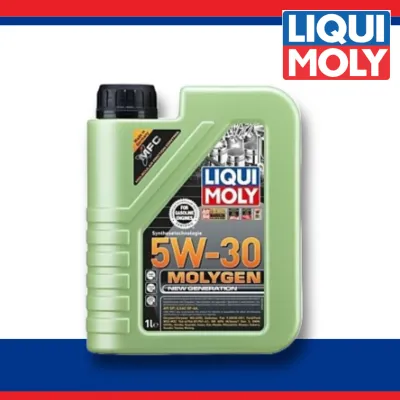
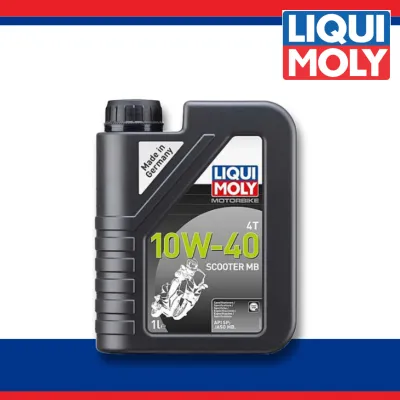
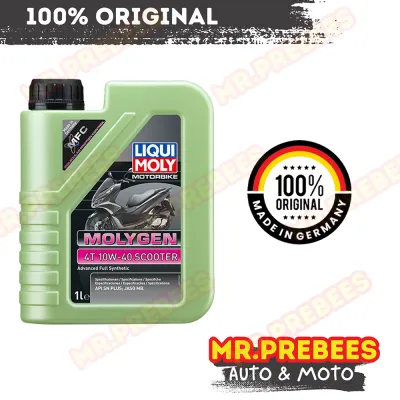
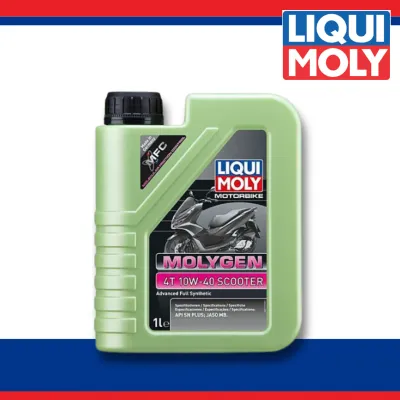
Prices are valid at publication and may change. Please refer to the product page for the latest price.
Engine oils are classified by general industry standards established by organizations like the American Petroleum Institute (API), the European Automobile Manufacturers’ Association (ACEA), and the International Lubricant Standardization and Approval Committee (ILSAC). While these standards provide a baseline for quality and performance, many modern vehicle manufacturers require strict Original Equipment Manufacturer (OEM) approvals. These proprietary specifications, such as Volkswagen’s VW 507 00 or BMW’s Longlife-04, demand unique additive packages designed for specific engine tolerances and metallurgy.
A common mistake among car owners is assuming that a higher price tag or a “fully synthetic” label automatically guarantees compatibility. An expensive, high-performance oil designed for a high-revving European sports car may lack the specific friction modifiers required for a fuel-efficient Asian hybrid, potentially leading to accelerated wear or component damage. Always prioritize the exact specification codes listed in your manual over generic marketing terms or price points.
If you have purchased a pre-owned vehicle and the owner’s manual is missing, do not guess the required specifications. You can contact an authorized dealership or consult a qualified mechanic who has access to professional automotive databases. Verifying these details beforehand prevents costly compatibility errors and ensures you purchase a fluid that supports your engine’s design.
Navigate the Core Liqui Moly Product Lines
Liqui Moly organizes its extensive catalog into distinct product families, each tailored to specific engineering philosophies and regional vehicle requirements. When walking down the aisle of an automotive store, you will primarily encounter lines such as Special Tec, Top Tec, Leichtlauf, and Molygen. Each family features unique additive technologies, color-coded packaging, and distinct formulations designed to address different operating conditions and manufacturer standards.

To simplify the selection process, the brand provides an official online database known as the Liqui Moly Oil Guide. By visiting their official website and inputting your vehicle’s exact make, model, year, and engine type, you can generate a precise list of recommended fluids. This digital tool serves as an excellent starting point, but you should always cross-reference its recommendations with your physical owner’s manual to ensure absolute compatibility.
European Vehicles and Strict OEM Approvals
European automotive manufacturers often design engines with highly specific operating tolerances and advanced emissions control systems. These vehicles frequently require low-SAPS (Sulphated Ash, Phosphorus, and Sulfur) or mid-SAPS formulations to prevent premature clogging of diesel particulate filters (DPFs) and three-way catalytic converters. Using an incorrect oil formulation can lead to expensive emissions system failures and may void your manufacturer’s warranty.
If you drive a European vehicle, you should look closely at the Top Tec and Special Tec product lines. The back label of these bottles lists explicit OEM approval codes that you must match to the requirements in your owner’s manual. Never rely solely on the front label’s general descriptions; instead, verify that the exact alphanumeric code required by your manufacturer is printed under the official approvals section on the back of the bottle.
Asian and American Vehicles
Japanese, Korean, and American vehicles typically follow different engineering standards that prioritize fuel efficiency, low-viscosity performance, and robust wear protection under standard driving conditions. These engines commonly require oils certified by the API and ILSAC, which focus on reducing friction and maintaining viscosity stability over long service intervals.
For these vehicles, the Special Tec AA (Asia & America) and Leichtlauf lines are often highly suitable options. The Special Tec AA line is specifically formulated to meet the low-viscosity demands of modern Asian and American engines, often featuring API SP and ILSAC GF-6A certifications. When inspecting these bottles, look for the official API donut or ILSAC starburst symbols on the label to confirm they meet the necessary regional industry standards.
Diesel, Hybrid, and High-Mileage Engines
Specialized engine types require targeted lubrication strategies to handle unique operational stresses. Modern diesel engines equipped with exhaust aftertreatment systems must use low-SAPS oils to protect their filters from ash accumulation. Always check the product label for specific diesel-compatible ratings and low-ash formulations before pouring any oil into a modern common-rail direct injection (CRDI) diesel engine.
Hybrid vehicles experience frequent start-stop cycles that prevent the engine from reaching optimal operating temperatures quickly. If you drive a hybrid, look for ultra-low viscosity formulations, such as 0W-16 or 0W-20, that are explicitly marked for hybrid compatibility to ensure immediate lubrication during cold starts. For high-mileage engines with significant wear, consult your manual to see if the manufacturer permits a slightly different viscosity or if you should stick to the original specification while utilizing dedicated seal-conditioning additives.
Verify Compatibility and Avoid Common Mistakes
To ensure you are making the correct choice, establish a rigorous verification routine before purchasing any engine oil. Start by opening your vehicle’s owner’s manual to the specifications page and writing down the required viscosity grade and OEM approval codes. When you have the oil bottle in hand, turn it over and carefully read the back label, comparing your written notes directly with the printed text. The bottle must explicitly list the exact code required by your vehicle under its official approvals or recommendations.
Using an oil with the incorrect viscosity or specification carries severe mechanical risks. An oil that is too thin may fail to provide an adequate lubricating film under high thermal loads, leading to metal-on-metal contact and accelerated engine wear. Conversely, an oil that is too thick can increase internal drag, reduce fuel efficiency, and fail to flow quickly enough to critical engine components during cold starts, especially in modern engines with tight clearances.
It is also critical to understand that backward compatibility is not a universal rule in lubrication. While some newer API or ILSAC standards are designed to replace older specifications, many European OEM approvals are highly specific and non-interchangeable. A newer oil formulation does not automatically make it safe for an older engine that requires a legacy specification with a different chemical balance.
If you encounter any discrepancies between the product label and your owner’s manual, or if the required approval code is entirely missing from the bottle, do not proceed with the oil change. Stop and consult a certified automotive professional or contact the oil manufacturer’s technical support line to clarify compatibility before introducing the fluid to your engine.
Ensure Product Authenticity When Purchasing
The popularity of premium lubricant brands makes them a frequent target for counterfeiters, who package low-grade base oils in replica bottles. To protect your engine from the severe damage caused by substandard lubricants, you must be highly selective about where you purchase your oil. Always buy your fluids from authorized physical distributors, official brand stores, or reputable automotive specialists who can verify their supply chain.
Be extremely cautious of unusually low prices on general e-commerce platforms and online marketplaces. If a premium synthetic oil is priced significantly below the standard market rate, it is highly likely to be counterfeit, expired, or improperly stored. Extreme heat and humidity in storage facilities can degrade oil additives over time, reducing the fluid’s effectiveness before it even enters your engine.
When your oil is delivered or handed to you at the counter, perform a thorough physical inspection of the packaging. Check that the bottle’s safety seal is completely intact and shows no signs of tampering or leakage. Inspect the print quality of the labels; blurry text, misaligned graphics, or spelling errors are clear indicators of a counterfeit product. Additionally, look for a clearly printed batch code and production date on the bottle.
Always keep your purchase receipt and take a quick photograph of the batch number printed on the bottle. Maintaining these records provides essential documentation in the rare event of a warranty claim or if you need to verify the product’s authenticity directly with the manufacturer’s local representatives.
Frequently Asked Questions (FAQ)
Can I mix different Liqui Moly product lines or viscosities?
Mixing different oil lines or viscosities is generally not recommended for routine maintenance because it alters the carefully balanced additive packages of each formulation. In an emergency situation where your oil level is critically low, it is far safer to top up with a different Liqui Moly oil than to run the engine dry. However, if you must mix formulations to reach safety, you should schedule a complete oil flush and filter replacement as soon as possible to restore the correct single-specification lubrication.
How often should I change my oil when using premium synthetic lines?
You must always follow the oil change intervals specified by your vehicle’s manufacturer in the owner’s manual, regardless of any premium marketing claims on the oil bottle. Operating a vehicle in the Philippines involves severe driving conditions, including high humidity, dusty roads, and prolonged idling in heavy traffic. These factors accelerate oil degradation, meaning you may need to change your oil more frequently than the standard interval to maintain optimal engine protection.
Community discussion
Share your experience or ask a question. Comments are reviewed before publication.