
Riding in tropical downpours requires gear tailored to your specific routine. A sudden afternoon shower in the city demands a different response than a multi-hour journey through mountain passes. Matching your riding frequency and purpose to the correct raincoat style ensures you stay dry without compromising safety or comfort.
To quickly identify the right gear for your needs, consider these primary configurations:
- Occasional Commuting: Lightweight, packable one-piece suits or commuter raincoats that fit easily into small storage compartments.
- High-Frequency Delivery: Heavy-duty two-piece suits (jacket and pants) that allow for constant mounting, dismounting, and walking.
- Extended Touring: Aerodynamic, thick two-piece suits with advanced sealing points to withstand high-speed wind and prolonged rain.
Every style involves a trade-off between convenience and protection. While a simple poncho is incredibly fast to put on, it lacks the aerodynamic stability and full-body sealing of a fitted two-piece suit. Choosing the right gear means balancing how quickly you need to dress against how long you will face the elements.
Products mentioned in this guide
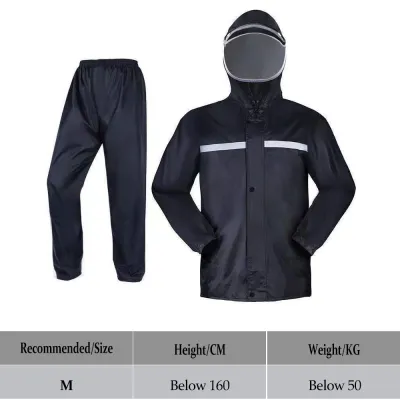
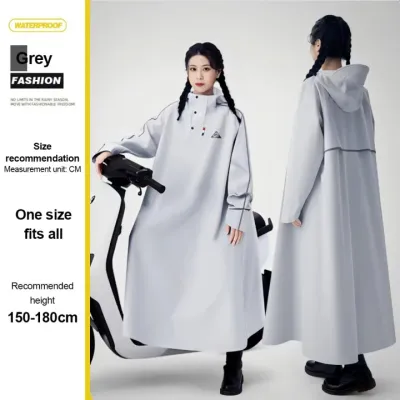
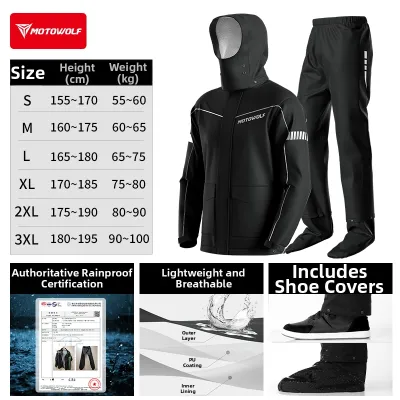
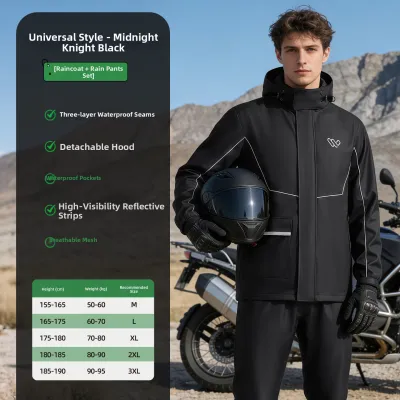
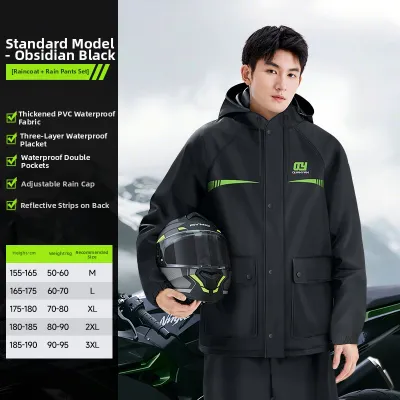
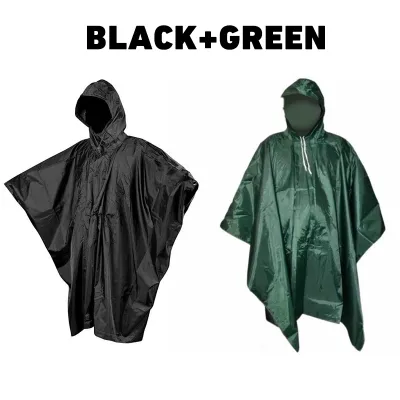
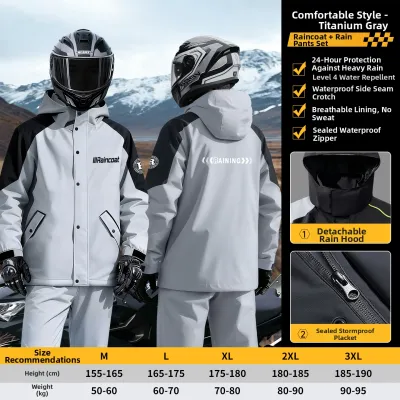
Prices are valid at publication and may change. Please refer to the product page for the latest price.
Daily Commute: Prioritizing Quick Deployment and Storage
Daily commuting in urban areas often involves sudden weather changes, requiring gear that transitions quickly. When a sudden downpour hits during your morning rush, you need a solution that does not require a lengthy setup process.
Lightweight one-piece suits and specialized commuter raincoats are excellent for quick transitions. These designs allow you to slip the gear over your office attire in seconds. They minimize the hassle of changing, making them ideal for short, low-speed trips through city traffic.
Storage is a critical factor for daily commuters who may have limited space. Look for raincoats that fold into a compact pouch, fitting easily into an under-seat compartment or a small backpack. This ensures you always have protection on hand without sacrificing valuable storage space for your daily essentials.
Visibility is paramount when riding in heavy city rain, where spray from other vehicles reduces line-of-sight. Choose gear with bright colors and integrated reflective strips that conform to manufacturer-specified visibility standards. Checking the product label for certified reflective materials helps ensure you remain visible to other motorists.
While simple rain ponchos are highly accessible and inexpensive, they present significant safety boundaries in high winds or heavy traffic. Loose, flapping fabric can catch on passing vehicles, block your mirrors, or even get tangled in your motorcycle’s moving parts. For consistent safety, a fitted suit is generally preferable to a loose poncho when navigating busy urban roads.
Delivery Work: Demanding Durability, Mobility, and Visibility
Delivery riders face unique challenges, spending consecutive hours on the road in unpredictable weather. For these professionals, rain gear is not just emergency protection; it is essential work equipment that must withstand rigorous daily wear.

A heavy-duty two-piece rain suit is the standard choice for professional delivery work. Having separate jacket and pants allows you to walk comfortably, climb stairs, and handle packages without restriction. This design also prevents the pooling of water in the lap area, a common issue with one-piece suits during long periods of sitting.
High visibility is a non-negotiable safety requirement for delivery riders, who often work late into the night or during dark, stormy afternoons. Opt for suits featuring bright neon colors, such as high-visibility yellow or orange, paired with wide reflective bands across the back, chest, and legs. These features help ensure that truck and car drivers can spot you through rain-streaked windshields.
Durability depends heavily on material thickness and construction quality. Look for product specifications detailing reinforced stitching and double-layered material at high-stress areas, such as the seat and knees. These areas experience constant friction during mounting and dismounting, making reinforcement vital to prevent premature tearing and leaks.
Secure closures are essential for keeping water out during frequent stops and starts. High-quality delivery suits utilize dual-closure systems, combining heavy-duty zippers with overlapping storm flaps secured by hook-and-loop fasteners. This setup prevents wind-driven rain from forcing its way through the zipper teeth while you ride.
Long-Distance Travel: Ensuring Extended Comfort and Weather Defense
Touring and long-distance riding expose you to sustained high speeds and prolonged wet conditions. Under these circumstances, minor leaks or flapping fabric quickly escalate into major discomfort and fatigue, compromising your concentration on the road.
An aerodynamic, tailored fit is crucial for highway speeds. Loose material acts like a sail, creating wind drag that fatigues your neck and shoulders over hours of riding. A well-fitted raincoat hugs your body, reducing wind resistance and preventing the distracting noise of flapping fabric.
Extended riding in humid, tropical climates requires careful consideration of breathability. Check manufacturer specifications for breathable waterproof membranes that allow sweat vapor to escape while keeping rainwater out. Additionally, ensure the suit is compatible with your existing thermal or protective layers, allowing you to adapt to changing temperatures in elevated regions.
Critical sealing points make the difference between a dry ride and a soaked journey. Look for high collars that seal against the bottom of your helmet, adjustable cuffs that fit tightly over or under your gloves, and secure waist adjusters. These features prevent water from creeping in at the entry points of your gear.
Integrating your rain gear with your existing protective equipment is essential for safety. The raincoat must fit comfortably over your armored riding jacket without compressing the impact protectors. Similarly, rain pants should overlap securely with your riding boots, utilizing stirrups or adjustable ankle straps to prevent the pant legs from riding up and exposing your boots to water.
Cross-Scenario Compatibility: Can One Raincoat Do It All?
Many riders find themselves participating in multiple types of riding, such as commuting daily during the week and embarking on long tours over the weekend. Evaluating whether a single raincoat can handle all these scenarios helps you make a practical and cost-effective purchase.
Using specialized gear outside its intended purpose usually involves significant compromises. A lightweight commuter poncho will quickly fail under the wind pressure of a highway tour, while a heavy, bulky touring suit can feel excessively hot and cumbersome during a quick run to the local store.
For riders with mixed use cases, a modular approach often provides the best balance. Investing in a high-quality, mid-weight two-piece suit serves as an excellent foundation. This setup is durable enough for occasional long trips, comfortable enough for daily commutes, and offers the necessary mobility for delivery tasks.
Alternatively, you can supplement your primary gear with a secondary emergency option. Keeping a basic, highly packable poncho under your seat for unexpected, short-distance emergencies allows you to reserve your heavy-duty two-piece suit for planned long rides or severe weather conditions.
Essential Features and Safety Checks Before You Buy
Before finalizing your purchase at a local motorcycle gear shop or an online marketplace, verifying the technical specifications and safety features of the raincoat is essential. Relying solely on appearance can lead to purchasing gear that fails during the first heavy downpour.
Always read the manufacturer labels and product descriptions for specific waterproof ratings and construction details. Look for terms indicating fully taped or heat-sealed seams, which prevent water from seeping through the needle holes of the stitching. Understanding the material composition, such as polyurethane-coated polyester or nylon, helps you gauge the gear’s water resistance.
Proper fitment is critical for both comfort and safety. When trying on a raincoat, wear your usual riding gear, including your armored jacket, helmet, and boots. Ensure you can move your arms freely, turn your head without restriction, and comfortably reach your motorcycle’s controls. The gear should not feel tight or restrictive, as this can limit your reaction time in an emergency.
Pay close attention to safety boundaries regarding loose fabric and dangling cords. Ensure all drawstrings, straps, and adjustment tabs can be secured tightly to prevent them from snagging on your motorcycle’s footpegs, chain, or handlebars. Additionally, verify that any reflective elements on the suit comply with local road safety visibility guidelines.
Finally, check the seller’s return policies and warranty terms before completing your transaction. Because sizing can vary significantly between different brands, having the option to exchange the raincoat for a different size ensures you get a proper fit without financial risk. Whether you are buying a budget-friendly ₱500 emergency poncho or a premium ₱5,000 touring suit, verifying these details protects your investment.
Frequently Asked Questions (FAQ)
How do I properly clean and maintain my motorcycle raincoat?
To preserve the waterproof integrity of your raincoat, always follow the specific care instructions on the manufacturer’s label. Generally, you should hand wash the gear using cool water and a mild soap, avoiding harsh detergents or fabric softeners that can degrade waterproof coatings. Air dry the raincoat completely in a shaded, well-ventilated area away from direct sunlight or heat sources. Avoid machine washing, tumble drying, or ironing unless the manufacturer explicitly states it is safe to do so.
Should I buy a raincoat one size larger for riding gear?
Yes, it is generally recommended to buy a motorcycle raincoat one size larger than your standard clothing size. This extra room is necessary to accommodate the bulk of your protective riding jacket, body armor, and any thermal layers underneath. Always consult the brand’s specific sizing chart, as some manufacturers design their rain gear to be worn over armor and size it accordingly. Trying the raincoat on over your full riding setup is the best way to ensure a comfortable, non-restrictive fit.
Community discussion
Share your experience or ask a question. Comments are reviewed before publication.